Official data released by the Ministry of Commerce and Industry reveals, there is a widening divergence between raw material production and final garment manufacturing across the Indian textile landscape. In April 2026, standalone textile exports increased by 3.59 per cent Y-o-Y to $1.67 billion in outbound shipments. This growth was driven by a 2.34 per cent uptick in man-made fiber products and a 0.57 per cent marginal increase in the cotton yarn, fabrics, and made-ups category, totaling $968.38 million. Upstream mills capitalized on robust global fiber replenishment cycles, maintaining solid volume output despite compounding freight surcharges driven by ongoing maritime transit constraints.
Supply chain pressures stifle RMG exports
In stark contrast to raw material resilience, downstream ready-made garment (RMG) exports contracted by 11.66 per cent during the month, declining to $1.21 billion. This sharp decline dragged total combined T&A export revenues down by 3.42 per cent Y-o-Y to $2.88 billion. The compression in garment shipments stems from a convergence of severe West Asian logistics bottlenecks and elevated production input costs, which squeezed processing margins across critical industrial clusters in Tiruppur and Ludhiana. While fiber processing mills managed to clear backlogs via forward contracts, garment manufacturers absorbed the direct impact of high freight inflation and strict buyer-side margin controls, states Mithileshwar Thakur, Secretary General, Apparel Export Promotion Council.
Upstream textile and commodity basket
The upstream segment comprises India's primary industrial fiber processors, yarn spinners, and commercial fabric mills. Operating out of highly concentrated manufacturing hubs in Surat, Coimbatore, and Ahmedabad, these enterprises supply both the domestic garmenting sector and global textile supply chains.
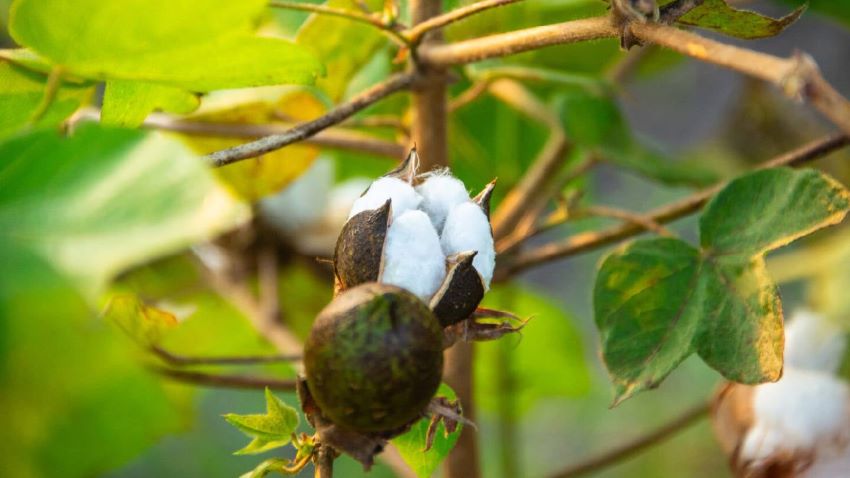
Backed by the government's newly approved Rs 5,659 crore Mission for Cotton Productivity, the sector focuses heavily on technological modernization to boost crop yields and enhance yarn tensile strength. Despite near-term global supply chain volatility, the long-term outlook for India's fiber processing remains robust, supported by newly finalized bilateral free trade frameworks.