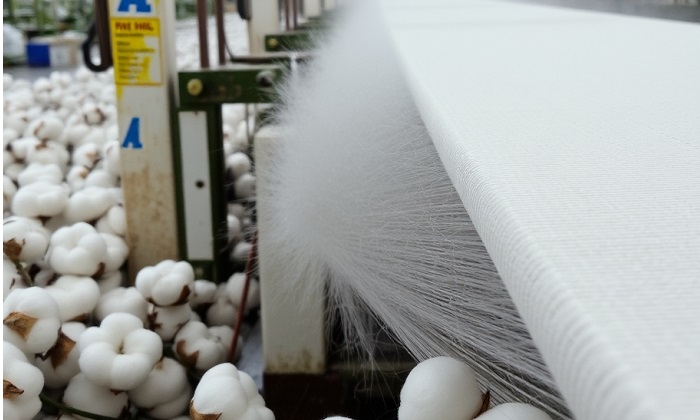
The denim fabric industry in India may face margin pressures during fiscal ’19 due to oversupply. About 15 to 20 per cent of the total capacity is underutilised. Additionally competition will intensify as several players have undertaken capacity additions. This will translate into a continued denim fabric surplus in the market.
India is a leading denim fabric manufacturer in the world. The last leg of the denim value chain, comprising activities such as stitching, washing, garmenting, sewing etc, is characterised by high labor intensity. A sizeable chunk of these activities is undertaken by small scale industries which are yet to get fully accustomed to the formal banking system and the GST regime.
Operating margins are expected to remain in the range of ten per cent to 11 per cent in fiscal 2018 to ’19. The downturn may be relatively prolonged, partly on account of the regulatory disruptions that the industry underwent in fiscal 2017 to ’18.
Exporters will see some impact on margins because of reduced duty drawback, notwithstanding the increase in availability of input tax credit. However, the long-term demand potential for the segment remains intact due to denim’s versatile fashion appeal among the young populace, rising disposable income and the untapped semi-urban pockets of the country.
- 1
- 2
- 3
- 4
- 5
- 6
- 7
- 8
- 9
- 10
India’s textile trade gets a Pacific push as New Zealand FTA removes tariff barr…
India and New Zealand have inked a ‘once-in-a-generation’ Free Trade Agreement (FTA), one that will have a profound impact on... Read more
Lululemon’s world-first nylon circularity push signals a new apparel arms race
The global apparel industry’s circularity narrative is entering a more technically demanding phase. Polyester recycling once the flagship of sustainable... Read more
Beyond the DTC Rush: Levi’s hybrid channel strategy sets a new retail benchmark
The global apparel sector is entering a phase where channel strategy is no longer a tactical lever but a core... Read more
The New Rules of Resale: EPR turning secondhand into fashion’s strategic growth …
The global fashion industry is facing a decisive regulatory and commercial reset. What began as a sustainability narrative around reuse... Read more
The 2027 Mandate: Why denim’s future hinges on verifiable data
For decades, the global denim industry has relied on a narrative of durability, heritage, and authenticity. That narrative is now... Read more
Europe’s textile core unravels as costs, imports and policy pressure bite
Europe’s textile and apparel sector, long seen as a benchmark for craftsmanship and industrial depth, is slipping into a prolonged... Read more
Automation, innovation, regulation are the forces shaping textiles in 2026
The global textile sector has entered a new era. Early 2026 saw the industry breach a $1.06 trillion valuation, reflecting... Read more
The new Brussels rulebook, every EU apparel order is now a balance-sheet risk
The humble export order sheet is undergoing a transformation. What was once a straightforward commercial instrument: SKU, volume, FOB price,... Read more
Why 2026-27 could be a defining cotton year for India’s farm-to-fashion economy
The global cotton economy is entering a more constrained phase, and for India, the implications run far beyond the farm... Read more
Luxury resale’s next big battle is no longer digital, it is about who controls s…
For nearly a decade, the luxury resale story was written in the language of platforms. Market leadership was measured by... Read more