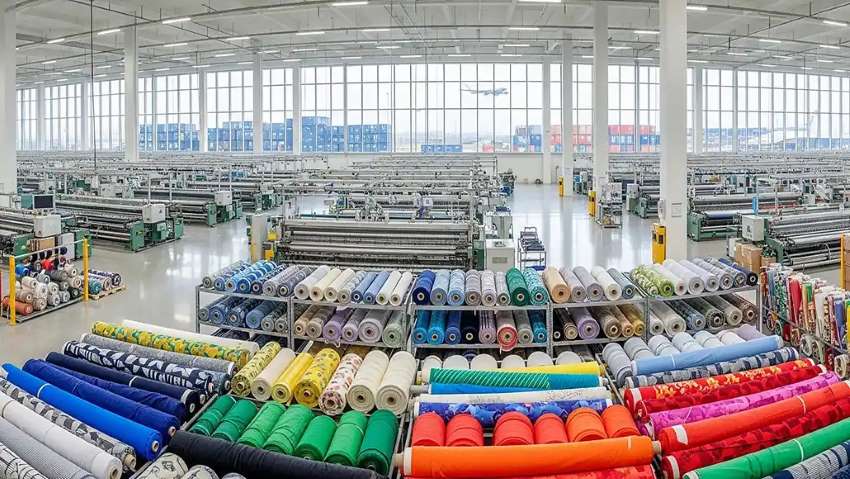
The Indian textile sector has recorded a historic 158 per cent Y-o-Y growth in cotton imports during the December 2025 quarter, reaching 3.1 million bales. This volume spike was catalyzed by New Delhi’s strategic suspension of the 11 per cent import duty, which successfully corrected a severe price disconnect between domestic and global markets. At the peak of the quarter, ginned cotton based on India’s Minimum Support Price (MSP) was valued at approximately Rs 63,000 per candy, significantly exceeding landed Brazilian fiber, which entered ports at roughly Rs 50,000 per candy. While the duty-free window expired on December 31, 2025, the Cotton Association of India (CAI) anticipates total imports for MY 2025–26 will hit a record 5 million bales as mills continue to prioritize high-grade, contamination-free foreign fiber.
Export headwinds intensify competitive pressures
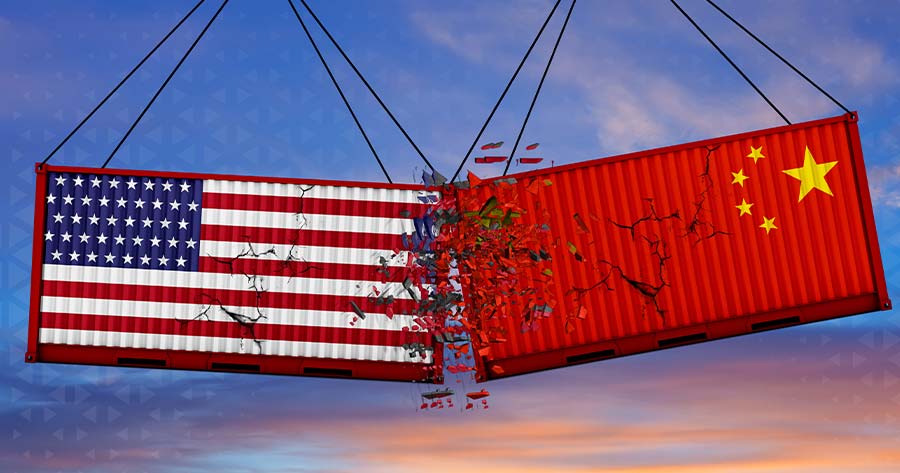
Despite improved raw material availability, Indian apparel manufacturers are navigating a contraction in overseas demand. The United States, which absorbs nearly 30 per cent of India’s $38 billion textile exports, implemented a 50 per cent tariff on Indian goods in August 2025, with further threats of an escalation to 500 per cent. The reinstatement of the 11 per cent duty on January 1, 2026, places us at a structural disadvantage against Bangladesh and Vietnam, who maintain permanent duty-free access, noted a delegation from the Confederation of Indian Textile Industry (CITI). With domestic consumption projected to decline by 2.9% this season due to these trade frictions, the industry is increasingly advocating for long-term fiscal stability to prevent production from shifting toward emerging textile hubs in East Africa.
The Indian textile industry is a major global player in yarn, fabric, and ready-made garment production. With core markets in the US and EU, the sector is currently expanding into technical textiles and high-value sustainable blends. Following the 2025 import surge, the industry anticipates a challenging 2026 as it balances rising MSP-linked costs against aggressive global tariff regimes.