Today’s urbanite seeks apparels that balances form and function with fabrics that absorb moisture, provide year-round comfort, are light weight and packable, and have a sustainable profile. Textile mills and product developers are increasingly finding these characteristics in the 21st century polypropylene fiber, CoolVisions® dyeable polypropylene.
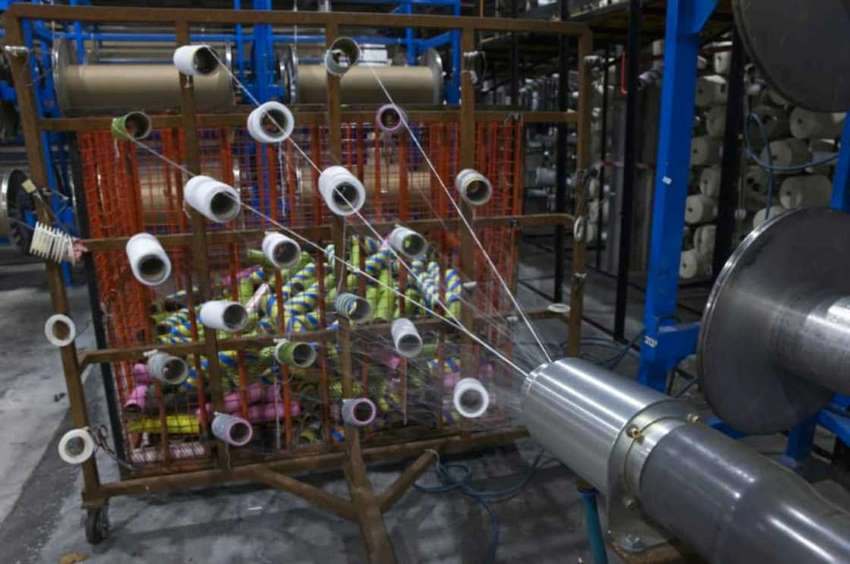
CoolVisions® works well with complementary fibers and dyes easily in fabric form, in the latest colors and patterns; unlike earlier versions of polypropylene fiber, which were limited by the necessity to solution dye at the spinning source.
The features of CoolVisions® dyeable polypropylene fibers are inherently soft, and among the lightest of all commercial fibers; yet provide excellent insulation. CoolVisions® outperforms all other fibers when it comes to moisture management, moving moisture and drying quickly, to keep the wearer dry and comfortable. In addition, CoolVisions® polypropylene is durable, abrasion resistant, and resists stains and bleach.
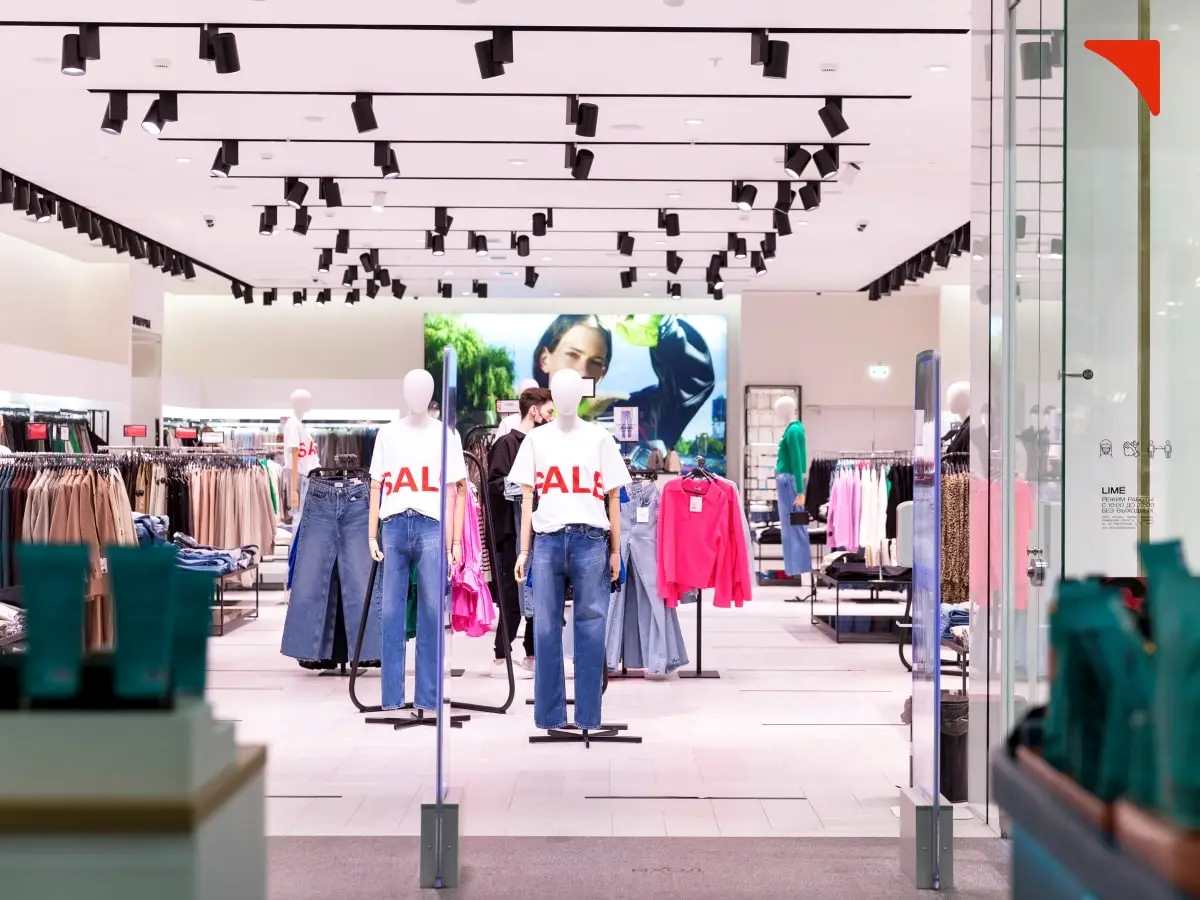
So, apparel made with CoolVisions® has the potential for a longer life, and an excellent sustainability profile. The cradle-to-factory gate carbon footprint of the CoolVisions® polymer is the lowest of all synthetic fibers. Leading the way in today’s urban apparel is performance denim; recent NPD data shows denim jeans with performance attributes winning back dollars that have been lost to athletic apparel. CoolVisions® dyeable polypropylene staple fiber has been chosen by Taiwan weaver Da Kong for its line of cotton-blend denims, including a Shanghai Innovation Award-winning 3.5 oz shirting weight.
According to explained Susan Lynn, CoolVisions® global marketing manager, most CoolVisions® denims use the polypropylene fiber in the fill, so while the denims look like regular denim, you get the same coverage at a lighter weight. Typically you end up with 30 to 35 per cent polypropylene, enough to add a lot of performance attributes such as moisture management, thermal regulation, and abrasion resistance.
- 1
- 2
- 3
- 4
- 5
- 6
- 7
- 8
- 9
- 10
The £7 Billion Question: Who pays for fashion’s ‘free rental’ habit?
The global fashion industry is facing an uncomfortable paradox: its most valuable customers may also be its most destructive. A... Read more
India, China Bangladesh face fresh headwinds as global apparel markets rebalance
Global apparel trade is entering a more uneven recovery phase, with demand growth persisting but losing uniform momentum across major... Read more
Global cotton enters a deficit year in 2026 as supply drop meets logistics risk
The global cotton economy has entered a fragile and sensitive phase. Early projections for the 2026-27 season suggest that world... Read more
India’s textile trade gets a Pacific push as New Zealand FTA removes tariff barr…
India and New Zealand have inked a ‘once-in-a-generation’ Free Trade Agreement (FTA), one that will have a profound impact on... Read more
Lululemon’s world-first nylon circularity push signals a new apparel arms race
The global apparel industry’s circularity narrative is entering a more technically demanding phase. Polyester recycling once the flagship of sustainable... Read more
Beyond the DTC Rush: Levi’s hybrid channel strategy sets a new retail benchmark
The global apparel sector is entering a phase where channel strategy is no longer a tactical lever but a core... Read more
The New Rules of Resale: EPR turning secondhand into fashion’s strategic growth …
The global fashion industry is facing a decisive regulatory and commercial reset. What began as a sustainability narrative around reuse... Read more
The 2027 Mandate: Why denim’s future hinges on verifiable data
For decades, the global denim industry has relied on a narrative of durability, heritage, and authenticity. That narrative is now... Read more
Europe’s textile core unravels as costs, imports and policy pressure bite
Europe’s textile and apparel sector, long seen as a benchmark for craftsmanship and industrial depth, is slipping into a prolonged... Read more
Automation, innovation, regulation are the forces shaping textiles in 2026
The global textile sector has entered a new era. Early 2026 saw the industry breach a $1.06 trillion valuation, reflecting... Read more