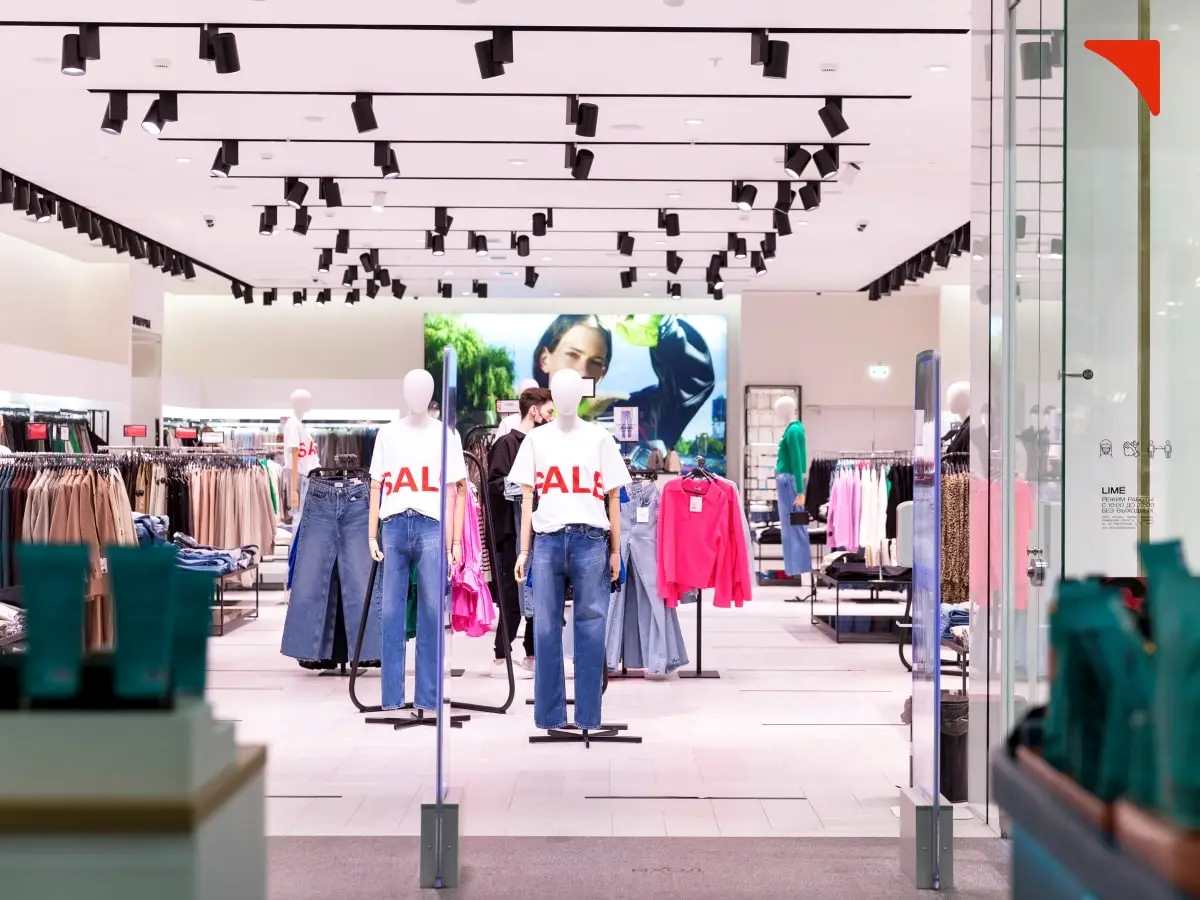
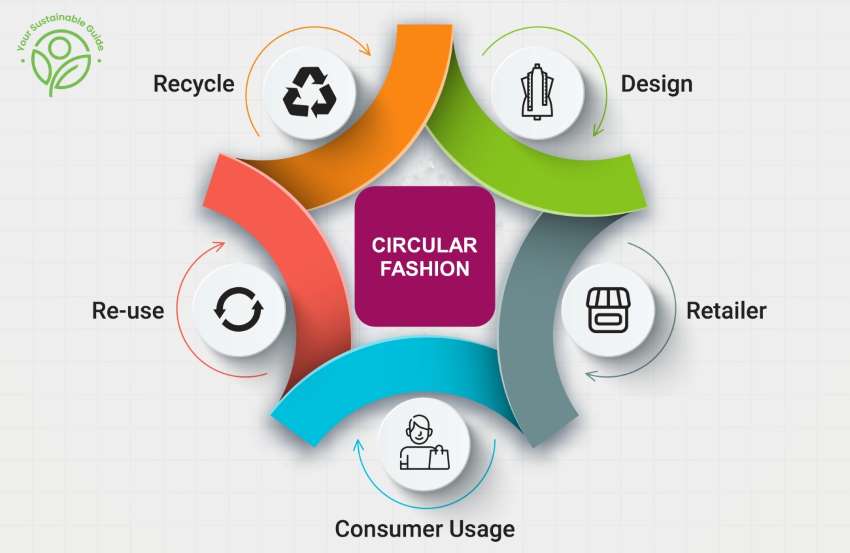
Concerned about the environment consumers are turning more and more to buying used clothes or renting new fashions. H&M, Banana Republic and Urban Outfitters are among those offering clothing rentals, while online startups offer subscriptions that enable customers to swap fashions on a monthly basis.
The move may help boost the fashion industry’s reputation as a major polluter, responsible for more CO2 emissions worldwide than the international aviation and shipping industry combined. Adding to the problem, only 13 per cent of the total material in the clothing industry is recycled.
Meanwhile the European Union has introduced a plan aimed at cutting municipal waste by half throughout the bloc by 2030 through such actions as making more packaging reusable or recyclable and promoting longer product lifetimes with a right to repair. The strategy is to encourage the clothing industry to boost the re-use and recycling of textiles through innovation and regulatory measures. These requirements are expected to make planet-friendly clothes the norm and are aimed at making textile products with the lowest environmental impact the default. Fast-fashion clothes are expected to be hit hard by the EU’s actions regarding the textile industry. While it seems unlikely that cheap, fast fashion will be banned the EU’s plans may increase costs for such clothing companies.
- 1
- 2
- 3
- 4
- 5
- 6
- 7
- 8
- 9
- 10
Cotton markets hold firm as tariffs, higher supply reshape global fiber economic…
In a year marked by tariff escalations, geopolitical brinkmanship and a recalibration of global trade flows, the international cotton market... Read more
Beyond Cotton How Kapok could redefine sustainable insulation in textiles
In the lush, humid heart of Southeast Asian rainforests stands a giant, a silent sentinel of the forest canopy. Growing... Read more
Bharat Tex 2026: Redefining the global textile value chain
Union Minister of Textiles, Giriraj Singh, has officially unveiled Bharat Tex 2026, signaling a significant leap in India’s influence over... Read more
Intertextile Shanghai Spring 2026: A hub for global textile innovation
The textile industry’s pulse is quickening as Intertextile Shanghai Apparel Fabrics – Spring Edition prepares to open its doors from... Read more
Moscow Fashion Week 2026: Blending sustainable innovation with timeless glamour
Scheduled to run from March 14-19, 2026 in Moscow, Russia, the Moscow Fashion Week (MFW) is cementing its status as... Read more
The Store as Stage: How fashion is crafting immersive consumer worlds
The North American fashion retail sector in 2026 is shedding its product-first identity and shifting towards a model that values... Read more
Turning the supply chain upside down, on-demand production reshapes apparel
The global fashion industry, long celebrated for its creativity and scale, is facing a structural reckoning. For decades, retailers and... Read more
Intertex Milano 2026 - A global nexus for textile innovation
Intertex Milano is set to return this summer, confirming its status as a premier international destination for the textile and... Read more
Primark at crossroads as AB Foods weighs spin-off amid digital and Lefties press…
The long-standing supremacy of Europe’s budget fashion champion, Primark, is facing a test. As of February 2026, Associated British Foods... Read more
Vietnam, Bangladesh, Cambodia drive US apparel imports in 2025
The 2025 year-end data for the US apparel sector reveals an industry in structural flux. Despite aggressive tariff measures and... Read more