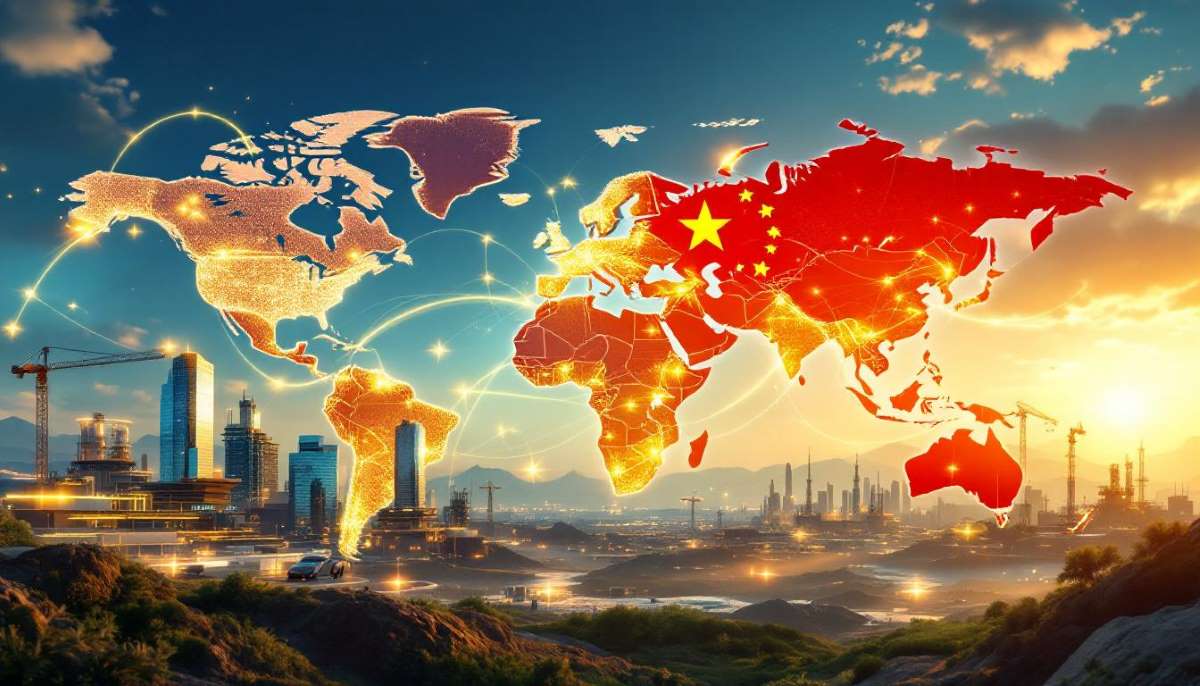
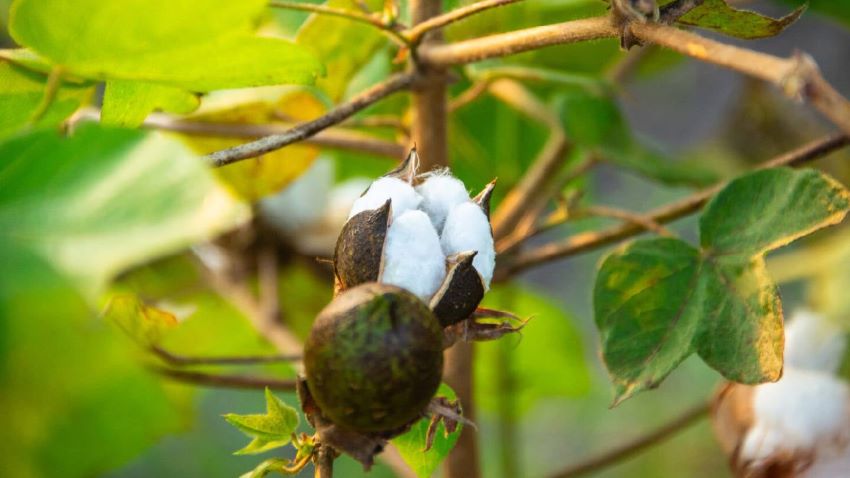
China is planning to boost the textile industry in the Xinjiang region. The idea is to transform Xinjiang into a major textile base in the next five years, with investment, financial aid and subsidies. Xinjiang is a major cotton base with low labor costs. Chinese apparel firms from outside Xinjiang have invested more than 30 billion yuan to establish plants and cooperate with local clothes makers.
Nurturing local companies and attracting capital from further afield, Xinjiang expects output of textile and garment sectors to reach 212.5 billion yuan by 2023, when it will be able to provide jobs for one million people. The northwestern region will soon have fresh opportunities with a bridge linking China to Russia and Central Asia, as the government coordinates a campaign to revive the ancient trade routes known as the Silk Road, to strengthen economic ties with neighboring countries.
Xinjiang borders eight countries, making it important to the Silk Road economic belt. The government has already started improving infrastructure and establishing special trade areas. A special zone has been constructed in the capital of Xinjiang to connect local producers with international markets and help internationalise Xinjiang’s enterprises. The zone, covering 2.4 square kilometers, is scheduled for operation by July 2016.
- 1
- 2
- 3
- 4
- 5
- 6
- 7
- 8
- 9
- 10
Beyond the DTC Rush: Levi’s hybrid channel strategy sets a new retail benchmark
The global apparel sector is entering a phase where channel strategy is no longer a tactical lever but a core... Read more
The New Rules of Resale: EPR turning secondhand into fashion’s strategic growth …
The global fashion industry is facing a decisive regulatory and commercial reset. What began as a sustainability narrative around reuse... Read more
The 2027 Mandate: Why denim’s future hinges on verifiable data
For decades, the global denim industry has relied on a narrative of durability, heritage, and authenticity. That narrative is now... Read more
Europe’s textile core unravels as costs, imports and policy pressure bite
Europe’s textile and apparel sector, long seen as a benchmark for craftsmanship and industrial depth, is slipping into a prolonged... Read more
Automation, innovation, regulation are the forces shaping textiles in 2026
The global textile sector has entered a new era. Early 2026 saw the industry breach a $1.06 trillion valuation, reflecting... Read more
The new Brussels rulebook, every EU apparel order is now a balance-sheet risk
The humble export order sheet is undergoing a transformation. What was once a straightforward commercial instrument: SKU, volume, FOB price,... Read more
Why 2026-27 could be a defining cotton year for India’s farm-to-fashion economy
The global cotton economy is entering a more constrained phase, and for India, the implications run far beyond the farm... Read more
Luxury resale’s next big battle is no longer digital, it is about who controls s…
For nearly a decade, the luxury resale story was written in the language of platforms. Market leadership was measured by... Read more
Digital Arms Race: Indian apparel giants deploy AI to neutralize tariff crisis
The Indian textile and apparel sector is in a digital survival phase in 2026, shifting from traditional labor-intensive models to... Read more
Europe’s Textile Endgame: Why Project FAE is becoming fashion’s most critical in…
Europe’s apparel majors are no longer treating circularity as a branding layer. With Project FAE or Feedstock Activation Europe, the... Read more