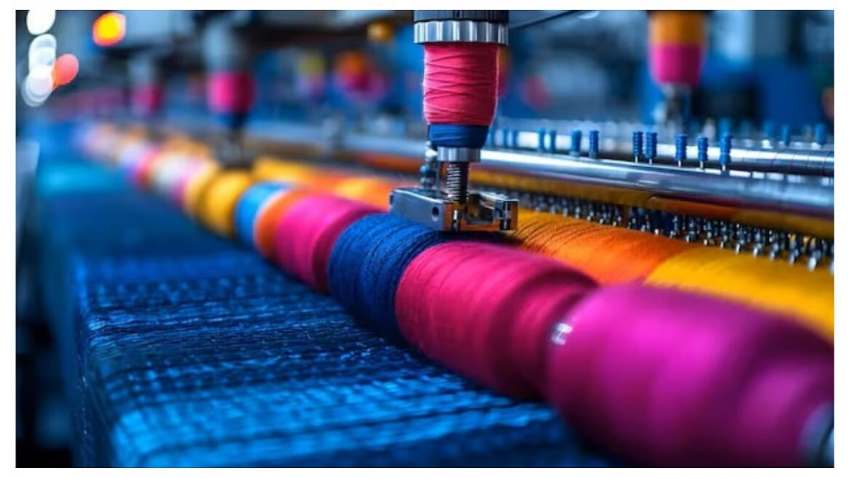
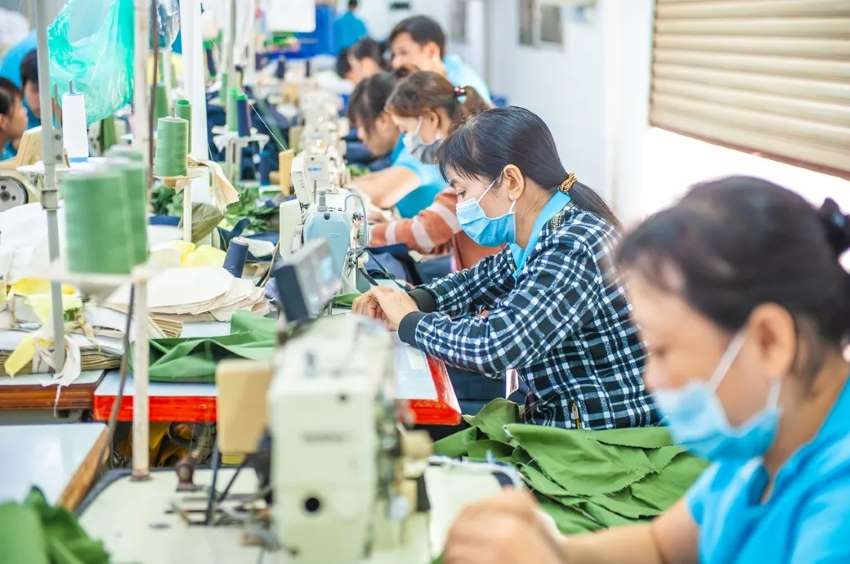
The Ministry of Economy and Finance of Cambodia hopes to set common development goals and develop sustainability and inclusiveness of the sector through the newly launched Cambodia Garment, Footwear and Travel Goods [GTF] Sector Development Strategy 2022-2027. Phan PhalIa, Secretary of State, Finance Ministry said, the strategy aims to make the GTF sector in Cambodia environmentally sustainable, resilient, focused on high-value products, unique and highly competitive, as well as a basis to support economic diversification in Cambodia by 2027.
The ministry will launch five strategic measures to achieve the vision, Phalia added. These include: further strengthening human resource capabilities to increase productivity and create viable career paths for workers, improving working conditions and worker welfare; improving domestic and foreign investment with a focus on being high value-added and on high-end products, and promoting market diversification in sector exports.
Pan Sonasak, Minister of Commerce adds, the strategy will contribute significantly to the economic recovery of the Kingdom and complement the new normal economic recovery strategy being implemented in the 2021-2023 period. Ith Sam Heng, Minister of Labour and Vocational Training added, this policy will be a roadmap in “defining a common vision, objectives, goals and strategic plans to manage and strengthen this sector in a ‘Cambodian context’.
Aun Pornmoniroth, Minister of Economy and Finance noted, the strategy will spur the growth of the garment sector both in the short and medium-to-long term. The garment sector will continue to be a potential economic mainstay by expanding and strengthening local industrial bases for exports, and improve on the regional and global value chain,
Kong Sang, Chairman, Garment Manufacturers Association in Cambodia (GMAC) called for improving trade facilitation through international trade channels and reducing logistics costs.” He added that energy prices and the lack of use of renewable energy remain major challenges, with rates still high compared to other countries in the region. In order to be successful, this strategy needs to be implemented by relevant ministries and institutions under the inter-institutional mechanism led by the Economic and Financial Policy Committee, Sang added.