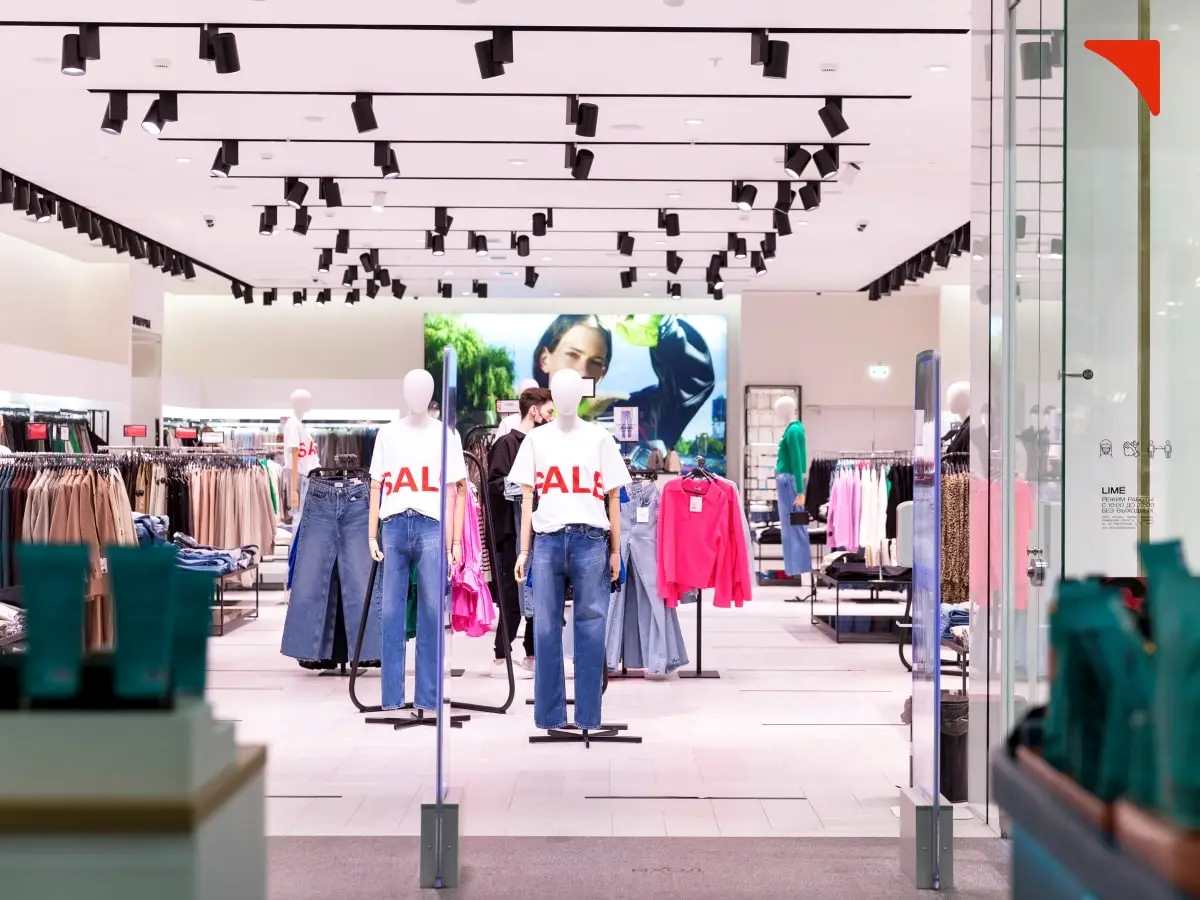
Turnover of British retailers fell by 4.5 per cent in May, ballasted by low temperatures. This is the biggest drop of clothing sales within the country since July 2015.
Retail sales fell 0.5 per cent in relation to the fall of 0.1 per cent in April. On the other hand, sales in British department stores between March and May suffered a drop of 0.9 per cent. The political and economic uncertainty the country is immersed in as a result of Brexit is affecting the confidence of consumers and companies.
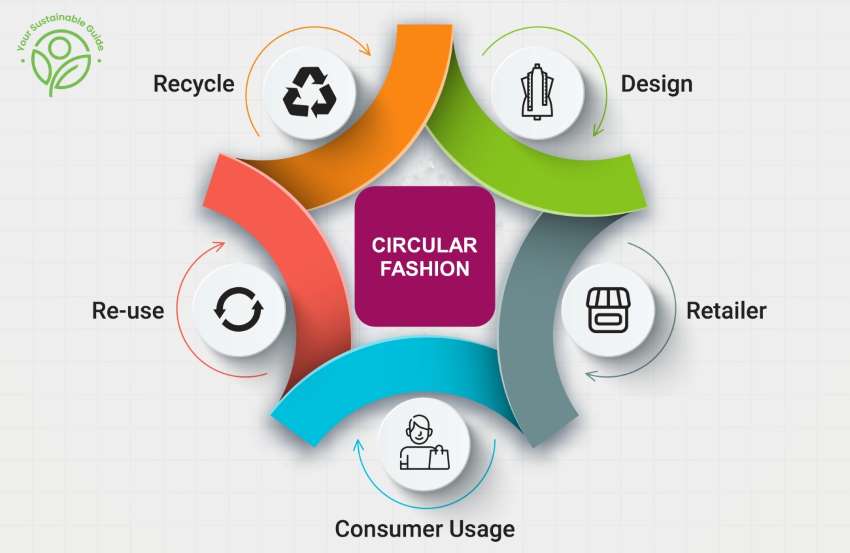
There are concerns over the sustainability of the UK fashion industry and the vast amount of associated waste that is channeled to landfills. In the UK some 235 million items of clothing are sent to landfills a year and 1.3 billion tons of carbon emissions are produced by the global fashion industry. As consumer awareness starts to increase, and this year has seen an unprecedented war on single-use plastic with most companies ditching plastic straws and plans announced by many to reduce waste, the fashion industry might have to change its tune of denial. Rock-bottom prices by UK fast fashion retailers are leading to a throwaway culture. Fast fashion retailer Primark is planning on launching a take-back scheme next year, where clothes can be returned once they are no longer wanted and used by overseas charities.

- 1
- 2
- 3
- 4
- 5
- 6
- 7
- 8
- 9
- 10
Trade pacts, integrated manufacturing power India’s textile export ambitions
Global apparel sourcing is entering a new phase in which resilience, compliance and manufacturing depth matter as much as cost... Read more
Next-gen digital Indigo systems redefine textile manufacturing economics
The global textile sector is experiencing a structural shift as industrial-scale digital dyeing technologies replace traditional indigo vats in major... Read more
Fashion retail’s physical comeback, stores become experience hubs
Online shopping has permanently altered fashion consumption, making convenience, algorithmic recommendations, endless assortment and doorstep delivery standard expectations. Yet the... Read more
India reworks apparel export strategy as US tariffs squeeze margins
As tariff volatility, shorter retail buying cycles and aggressive price negotiations in the US expose weaknesses in the country’s traditional... Read more
MIT’s recyclable yarn could disrupt spandex’s grip on fashion
Stretch has become essential to modern fashion. Activewear, denim, underwear and athleisure all depend heavily on elastic fibres such as... Read more
Speed, synthetics and trade pacts propel Vietnam past Bangladesh
Vietnam has overtaken Bangladesh to become the world's second-largest exporter of ready-made garments (RMG), marking more than a symbolic change... Read more
The €2,150 Question: Can Europe afford circular fashion at scale?
Europe's push to build a circular textile economy is facing an uncomfortable commercial truth. The technology capable of producing virgin-quality... Read more
From cotton peaks to polyester pressures, textile supply chains face a reset
The assumption that textile supply chains can absorb periodic swings in cotton prices has become untenable. During the first seven... Read more
Global sourcing reset exposes India’s apparel competitiveness gap
The assumption that global apparel sourcing would naturally shift from China to India is proving increasingly misplaced. Fresh trade data... Read more
The new fashion equation, quality, agility and value replace speed and discounts
The traditional order that once separated low-cost fast fashion from premium luxury is steadily breaking down as consumers become more... Read more