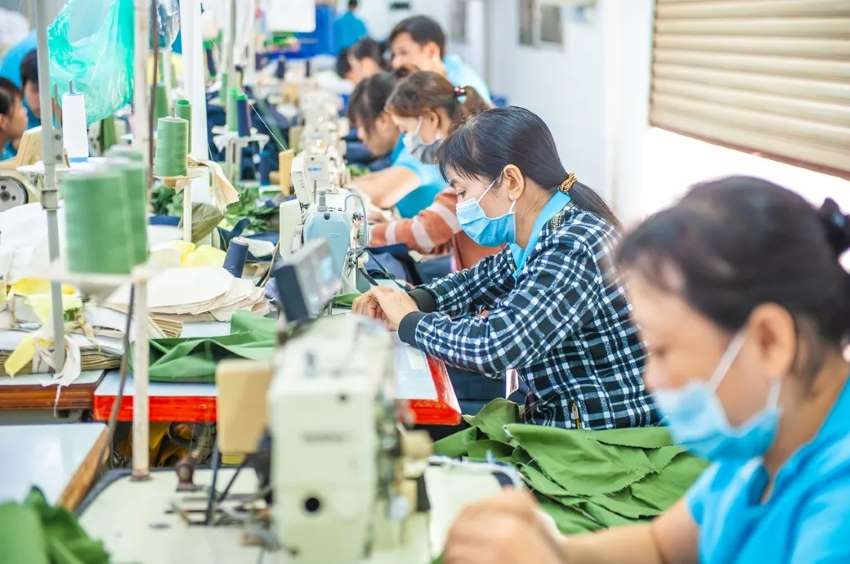
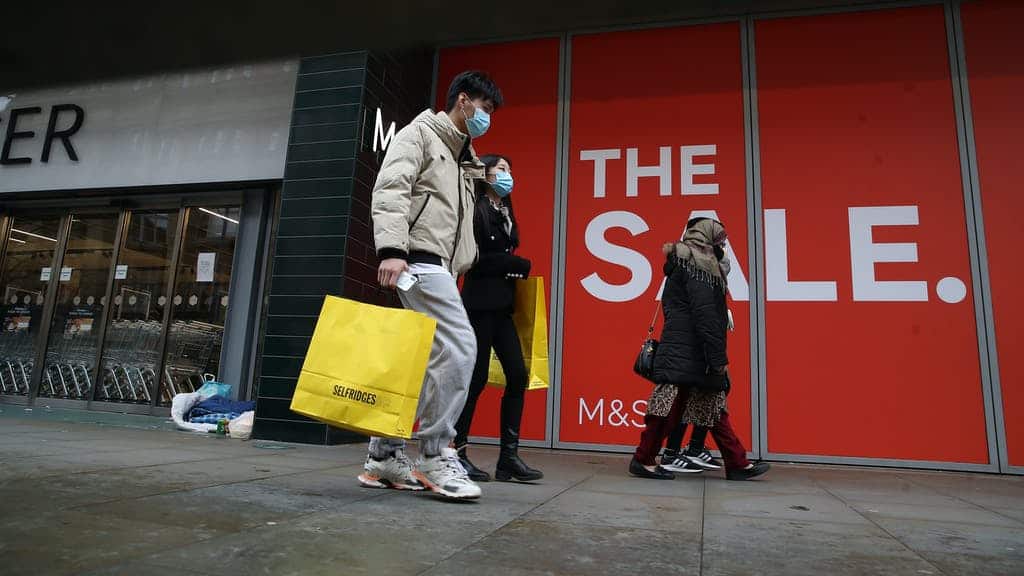
A report that highlighted leading luxury and fast-fashion brands for lack of visibility in their supply chains has been roundly criticised by companies themselves as well as other nongovernmental organizations involved with workers’ rights and supply chain issues. The report by the London-based group called Fashion Revolution and Ethical Consumer, which is a nonprofit magazine and Web site, created a Fashion Transparency Index that ranked more than 40 global retail companies based on their level of transparency and support of workers’ rights. Based on its own rankings, the group criticised luxury brands including Chanel, Hermès, Prada and Louis Vuitton for what it claimed was a lack of transparency, while praising Levi Strauss, Inditex, Nike, H&M and Adidas. The critical study was reported online by Vice and also picked up by Vogue.com.
Incidentally, the index was based on a methodology that immediately stirred criticism. WWD contacted a series of industry organizations that work on sustainability initiatives but they declined to comment. A spokesperson from one of the organizations said it is really hard to comment on research that is so poorly executed and tells us nothing.
The group said that in the report that it received 10 questionnaires from brands and retailers out of a total of 40 that were sent to companies. While 10 of the companies received scores based on their replies to the questionnaires and other publicly available information, the other 30 companies were scored based solely on publicly available information on Web sites and in annual reports, from which the group’s researchers drew their own conclusions.

- 1
- 2
- 3
- 4
- 5
- 6
- 7
- 8
- 9
- 10
China’s inward turn, domestic demand is rewriting the export model
China is undergoing one of its most consequential economic recalibrations in decades, driven by geopolitical instability, rising Western protectionism, and... Read more
Egypt bets on a $2 bn green textile city to become Europe’s next sourcing hub
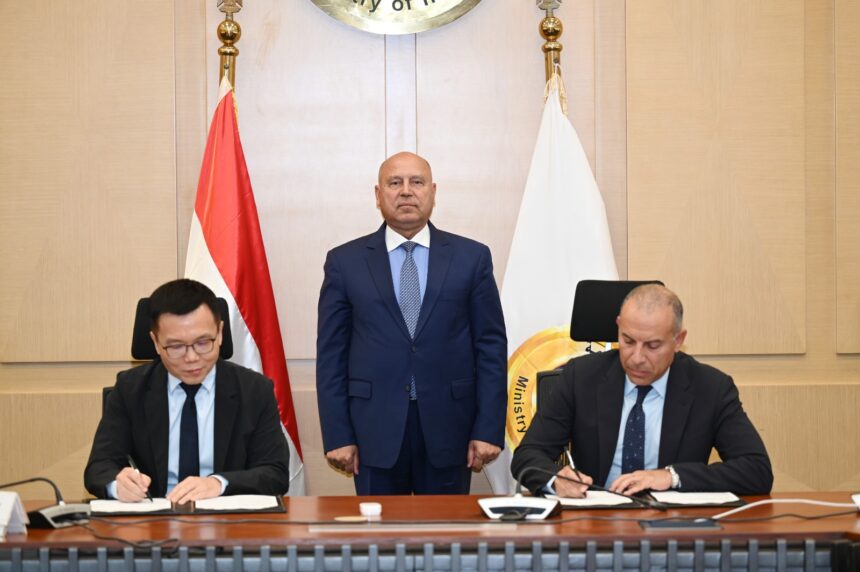
Egypt is making a decisive play to become one of the world's most important apparel manufacturing destinations after securing a... Read more
EU textile imports hit $295.66 bn as price wars mask manufacturing stress
The European Union’s textile and apparel imports grew to $295.66 billion in 2025, a 9.4 per cent year-on-year increase from... Read more
Landmark India-UK trade pact to supercharge textile export margins
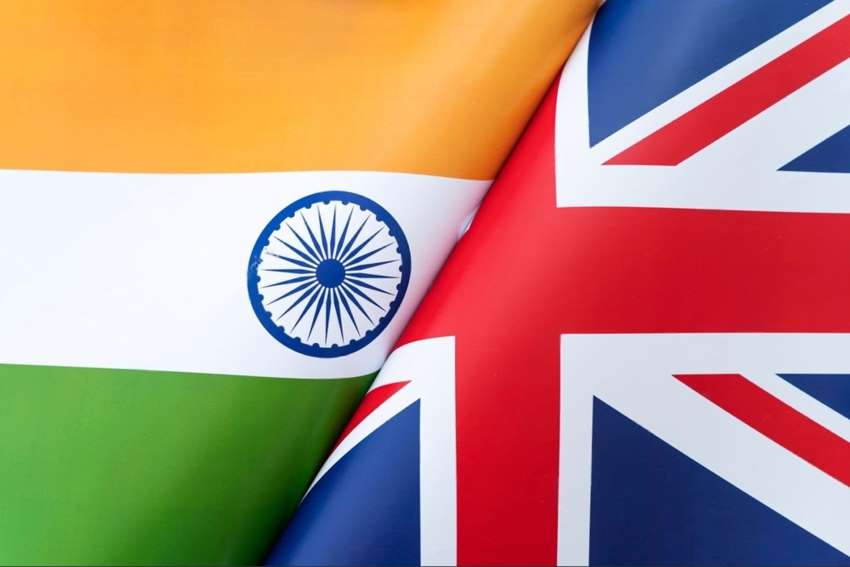
The long-awaited India-UK Comprehensive Economic and Trade Agreement (CETA) is officially scheduled to commence on July 15, 2026. This breakthrough... Read more
Is it the end of aspirational luxury? Asia’s consumers demand more than logos
While the global personal luxury goods market remains broadly stable at around €358 billion, the apparent resilience masks a deeper... Read more
Vietnam wins, India slips as US apparel sourcing undergoes massive reset
A trade realignment is transforming the global apparel market, yet India’s manufacturing has stalled at the starting line. Newly released... Read more
US clothing prices rise faster than inflation, reshaping fashion retail strategy
After nearly two years of heavy discounting, inventory liquidation, and margin decline, apparel prices in the US are now rising... Read more
From gym to boardroom performance fabrics are redefining apparel demand
The global apparel industry has entered a new phase of evolution as the distinction between sportswear and everyday fashion continues... Read more
Digital Dominance Redefined: Zara moves past H&M in $100 bn fast fashion bat…
The global fast-fashion sector has reached a inflection point in 2026 where the battleground is no longer only store shelves... Read more
Spykar accelerates offline expansion: plans 100 new stores across India
A titan of the Indian denim-first fashion scene, Spykar has officially unveiled an aggressive retail growth strategy. As consumer demand... Read more