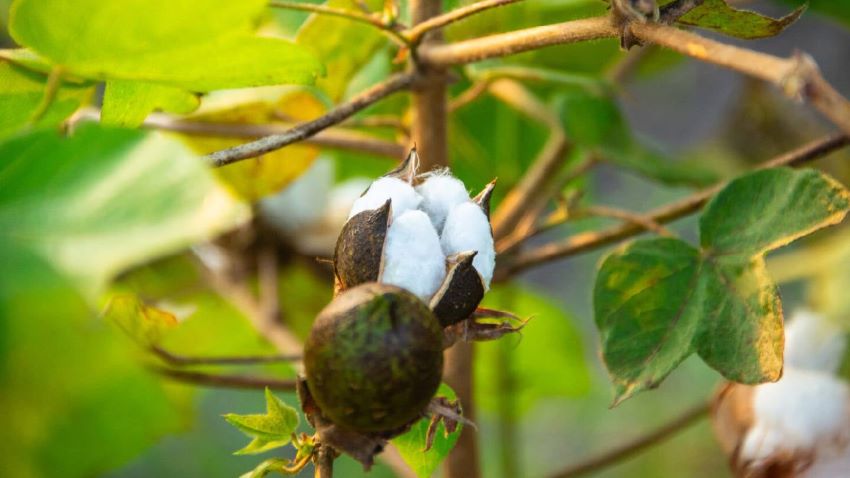
The Bangladesh apparel sector is targeting a US $5 billion increase in annual exports to the United States following the signing of the landmark Agreement on Reciprocal Tariff (ART) on February 9, 2026. This strategic framework introduces a pivotal ‘Zero-Tariff Clause,’ granting duty-free access to specific volumes of garments manufactured using US-origin cotton and man-made fibers. By transitioning from a general reciprocal tariff of 19 per cent to zero for US-linked shipments, industry leaders estimate total apparel exports to the US could increase from current levels to US $15 billion within the next three years.
Fiber-linked market entry
The agreement effectively establishes a bulk swap mechanism where market access is tethered to raw material procurement. Under this ‘yarn forward’ and ‘cotton forward’logic, Dhaka has committed to large-scale purchases of American agricultural products to unlock zero-duty corridors. This deal recalibrates our competitive equation, particularly against regional rivals," notes a senior representative from the Bangladesh Garment Manufacturers and Exporters Association (BGMEA).
While US cotton typically commands a premium of 3–4 cents per pound, the resulting 19 per cent tariff savings are expected to more than offset higher input costs, incentivizing local spinning mills to overhaul their supply chains toward American sourcing.
Operational hurdles and logistics
Despite the optimistic export targets, the sector faces significant structural challenges. Currently, less than one-third of Bangladeshi garments are produced from fiber-to-finished product domestically, with the majority relying on imported fabrics from China and India. Capturing the full benefit of the ART will require a massive surge in backward linkage investments.
Furthermore, the operational success of this deal hinges on the timely development of the Matarbari deep-sea port, which is essential for reducing the transit time and cost of bulk cotton imports from the US, currently estimated to be 30 per cent higher than regional alternatives.
Bangladesh is the world's second-largest garment exporter, with the RMG sector contributing 84 per cent of total export earnings and 10 per cent of national GDP. The industry aims for a $100 billion global export target by 2030, supported by over 200 LEED-certified green factories and a workforce of 4.4 million.