Bangladesh has become known as a hub of the garment manufacturing industry.
The United States is the second largest market for Bangladesh's readymade garment products.
Countries like Canada and Japan, from outside the EU bloc, also look to Bangladesh as a potential sourcing country for their readymade garment imports.
As a least developed country, Bangladesh enjoys many facilities offered by advanced economies.
One such facility is the GSP offered by the European Union. This scheme makes rooms for the export of Bangladeshi garment products with no or little tariff to EU countries.
Graduation to the group of developing countries is important, but what's more important is the consolidation of the position. Bangladesh made a mistake in depending too much on the WTO route for having market access. A country like Vietnam that liberalised its economy much later than Bangladesh has already negotiated more than a dozen free trade agreements, whereas Bangladesh has not signed a single one.
Unless it becomes a partner with other economies, Bangladesh will not receive the expected investment - be it from within or without.
Bangladesh can and should negotiate its own free trade agreements with trading partners and other interested countries.
Without a growth rate of 7.5 per cent or beyond, it cannot expect to consolidate its position as a developing country within the stipulated time.

- 1
- 2
- 3
- 4
- 5
- 6
- 7
- 8
- 9
- 10
The new fashion equation, quality, agility and value replace speed and discounts
The traditional order that once separated low-cost fast fashion from premium luxury is steadily breaking down as consumers become more... Read more
AI goes invisible as fashion brands rewire design studios
The fashion industry's digital transformation is entering a new phase. After investing heavily in sophisticated 3D computer-aided design (CAD) platforms... Read more
Natural fibers gain ground as global retail pushes back against polyester
A change is underway across the global textile industry as consumer preferences begin to alter sourcing decisions that have long... Read more
From exclusivity to engagement, luxury retail rewrites its growth strategy for 2…
The global luxury industry is entering a different growth cycle. After years of post-pandemic spending riding on affluent consumers and... Read more
Shaping the future of fashion at BRICS+ 2026
The upcoming BRICS+ Fashion Summit in Moscow promises to be a pivotal international gathering, offering a dedicated platform for fast-growing... Read more
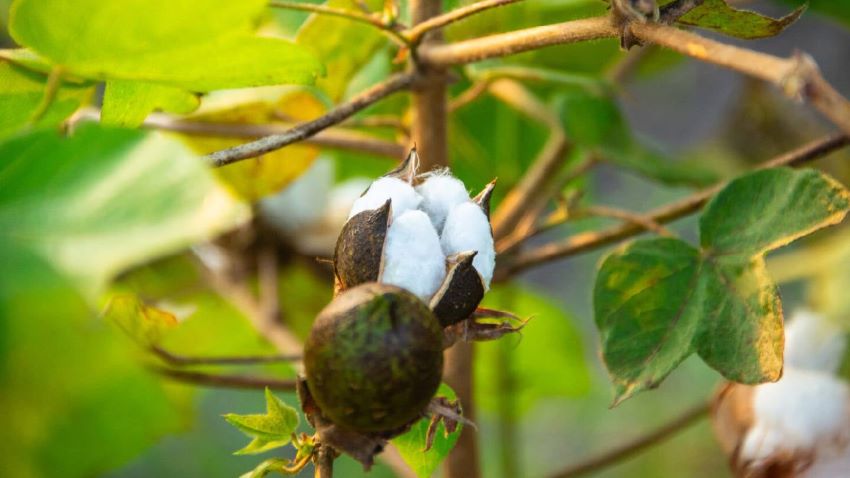
The 10.3 mn-tonne cotton trade boom will be driven by scarcity, not surplus
The global cotton trade is entering an unusual expansion phase. Trade volumes are expected to rise steadily over the next... Read more
From Volume to Value: How fashion supply chains are defending margins through 20…
For decades, the global textile and apparel industry measured success through factory utilisation. Full order books, high machine occupancy and... Read more
The new retail math, smaller footprint, faster returns, sharper focus
The US retail industry is passing through one of its most impactful change in decades. What appears on the surface... Read more
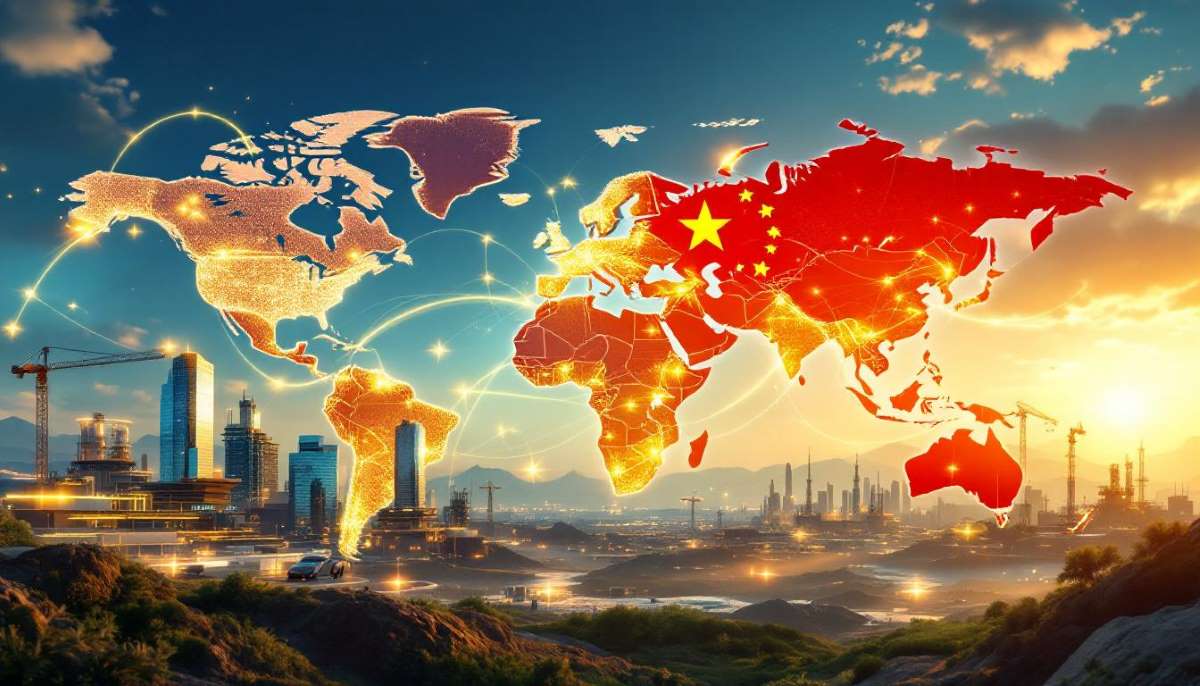
The Operator Economy: China is rewriting the rules of global brand ownership
For decades, Western brands relied on centralized control over design, distribution, merchandising, and retail expansion in China market. That model... Read more
US cotton blacklist reshapes global textile supply chains
The US’ latest expansion of the Uyghur Forced Labor Prevention Act (UFLPA) Entity List is more than another trade sanction.... Read more