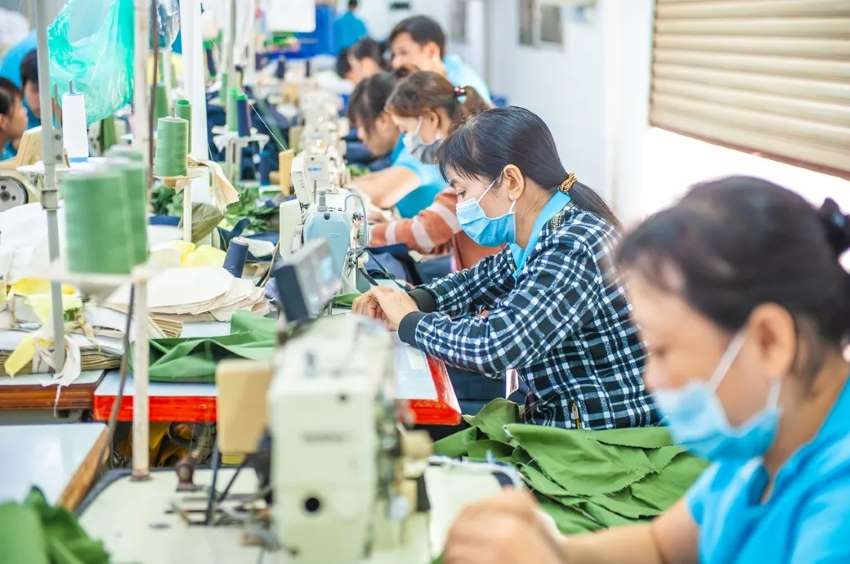
Bangladesh wants zero tariffs on exports of finished apparel products — made with American cotton — to the US. This means Bangladesh is hoping for preferential market access of its readymade garment exports to the US. Compared to other countries, Bangladesh now pays the highest tariff on its apparel products exported to the US, which seriously reduces Bangladesh’s competitiveness in the US market.
Bangladesh will also request the US Food and Drug Administration to facilitate the registration process for Bangladeshi drug products and for US technical assistance in building quality certification infrastructure. On the other hand, the US wants to discuss the provisions of the SEED Act to reduce import duties on tree nuts (walnuts, almonds) in Bangladesh, opportunities for the export of agricultural biotechnology and seeds to Bangladesh, draft data protection law, draft regulations on digital, social media, OTT platforms and other digital systems and intellectual property rights. Other issues, the US wants to discuss relate to labor rights, such as freedom of association and collective bargaining, safe and healthy working environment, labor rights in EPZs, child labor and forced labor.
Bangladesh cannot access US Development Finance Corporation (DFC) funding for private sector energy, healthcare, critical infrastructure and technology projects after the suspension of GSP (Generalized System of Preferences) benefits in the US market since June 2013.