Bangladesh’s yarn and fabrics sales are rising. Consumption has grown 50 per cent since the financial year of 2016-17.
Among the reasons are rising per capita income, stricter anti-smuggling measures and the production of value-added apparel items. The buying capacity of the people of the country has increased, so a lot of consumers can afford more apparel items and are paying additional prices for value-added items.
Bangladesh's per capita income has more than quadrupled since 2009. This has driven up the overall consumption of fabrics in the local market. On an average, a woman consumes 40 meters and her male counterpart consumes 25 meters of fabrics. Currently, 250 spinning mills and 600 weaving mills produce seven billion meters of fabrics a year to meet the domestic demand.
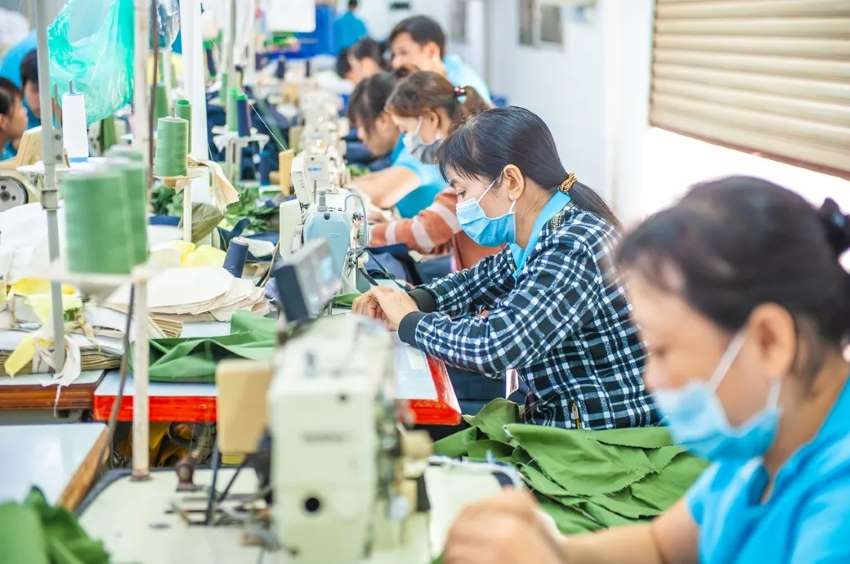
Investment has been made to set up mills to produce yarn and fabrics. There are many other small and medium-sized spinning and weaving mills in various parts of Bangladesh. They make a few million meters of fabrics a year. Mainly salwar kameezes, lungis, saris and shirts are supplied by local millers.
At the peak of the coronavirus pandemic in 2020, fabric production slowed owing to a fall in demand and there was a lot of stockpiling of unsold fabrics and yarns at the factory level.Following the receding of the outbreak, the demand for textile items made a comeback and millers almost ran out of stock.