FW
Mango to focus on climate change and ocean protection
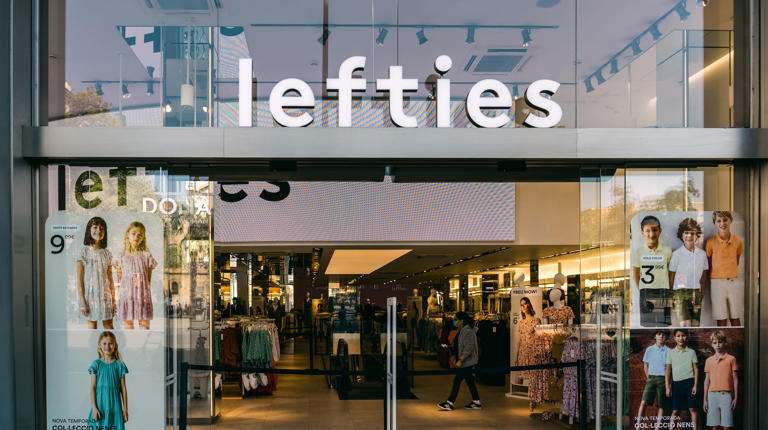
To mark the completion of one year of Fashion Pact, fast fashion brand Mango aims to focus on protecting the industry against climate change and also protecting the oceans. Mango had signed the United Nations Fashion Industry Charter in October. The charter lays down 16 principles to reduce industry’s impact on climate change. These principles aim to reduce greenhouse gases in the industry by 30 per cent by 2030. For this, Mango is conducting a detailed study of its carbon footprint, which will allow it to establish certain Science-Based Targets (SBTs) throughout 2021 and draft the corresponding plan to reduce its emissions.
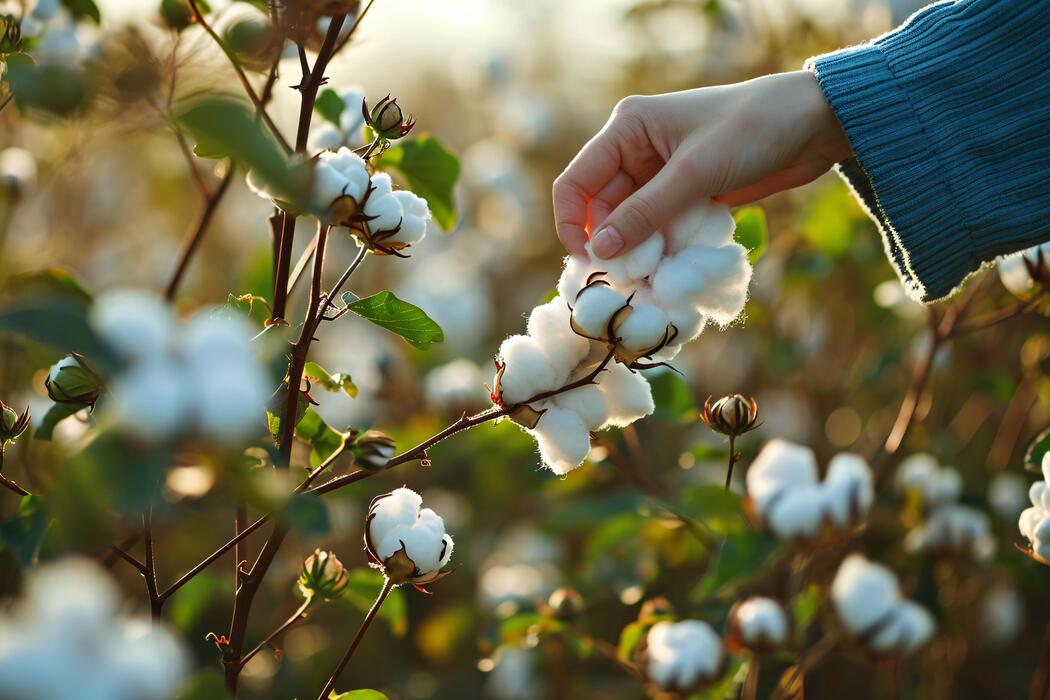
Mango also aims to increase the proportion of sustainable fibers in its collections. The brand aims to use 100 per cent sustainable cotton in its garments by 2025. The company also plans to increase the use of recycled polyester to 50 per cent and that of cellulose fibers to 100 per cent by 2030.
To protect its Oceans, Mango has recently initiated a project to replace the plastic bags in its packaging with paper bags. The project involves eliminating approximately 160 million plastic bags per year.
Better Cotton Initiative unveils digital series on cotton sustainabiliy
Better Cotton Initiative has unveiled the ‘Cotton Sustainability Digital Series for 2021’ that includes an online conference on global cotton sustainability, reports Textile Focus. It will also include a debate on ‘What will 2030 look like and how do we respond as brands, manufacturers, NGOs and citizens?’ on January 19, 2021. The debate would discuss the developments in sustainability that are transforming the world around us and the apparel and garment industry. Participants in this debate will look at how companies that implement sustainability have proved to be more resilient in 2020 and better build back, being the businesses that our future needs.
The month-long series will feature business executives and practitioners. It will investigate the whole supply chain of cotton. Workshops at the series will concentrate on issues like climate action, today’s creativity and social sustainability.
India’s textile sales drop 51% in Q1 as COVID-19 mutes demand: Wazir study
 India’s textiles sales dropped 51 per cent from 130.9 to 56.4 per cent in the first quarter of the current financial year, compared to the corresponding quarter of the last fiscal, reveals Wazir Textile Index done by Wazir Advisors. Arvind, Vardhman Textiles, Welspun India, Trident, Raymond, KPR Mill, Filatex, RSWM, Sutlej Textiles, Nahar Spinners emerged the top 10 players during the quarter.
Among these, Arvind’s sales declined 72 per cent from Rs 1,742 in Q1 FY20 to Rs 493 crore in Q1 FY21; Vardhman Textiles’ declined 51 per cent from Rs 1, 558 crore to Rs 771 crore while those of Welspun India dropped 16 per cent from Rs 1,435 crore in Q1 FY 20 to Rs 1,202 crore in Q1 FY21.
Declining EBITDA margins
EBITDA margins of the top 10 players declined almost 88 per cent from 96.6 to 11.9 during the quarter. Arvind’ s EBITDA margins dropped from 9 per cent in Q1 FY20 to -6 per cent in Q1 FY 21; Vardhaman’s dropped from 15 per cent to -1 per cent while that of Welspun India from 24 per cent in Q1 FY 20 to the corresponding quarter of current fiscal.
Raw material and manpower costs of all top 10 players increased 60 per cent and 31 per cent respectively. Of these, Arvind’s percentage of raw material costs to total sales declined 46 per cent in FY 21. Similarly, the percentage of raw materials costs to sales for Vardhaman Textiles increased from 53 per cent to 55 per cent while Welspun India saw a drop from 48 to 39 per cent. Average raw material costs of all top 10 companies decreased 4.3 percentage points in the first quarter of the current financial year as compared to that in corresponding quarter last fiscal.
Rising employee costs
The average employee cost of all 10 players increased 6.6 percentage point during the quarter compared to same quarter last fiscal. Arvind’s employee cost jumped from 12 per cent to 25 per cent. For Vardhman Textiles’ cost increased from 9 to 16 per cent while for Welspun India saw an increase from 9 per cent to 12 per cent.
Other expenses increased by 7.2 percentage points during on an average for all 10 companies in the quarter. The Average Industrial Production (IIP) Index for apparels decreased by 51 per cent in Q1 FY21 as compared to Q1 FY20 while the IIP Index for textiles declined 75 per cent. The Wholesale Price Index (WPI) Index for apparels remained constant during the first quarter of FY21 while that of textiles declined by 3 per cent.
Exports register a drop
The economic slowdown induced by COVID-19 outbreak led to a 56 per cent decline in textile and apparel exports in Q1FY 21 compared to Q1 FY20. Filament witnessed the biggest decline of 67 per cent in textile exports while apparel exports dropped 65 per cent. US had the highest 31 per cent share in textile and apparel exports. However, its share declined 3 per cent from 34 per cent in Q1 FY20. It was followed by EU-28 and UAE with 26 per cent and 23 per cent shares respectively. Combined together these three regions had 56 per cent share in India’s textile and apparel exports during the quarter.
Van Heusen, Color Threads launch new masks and athleisure range
India’s leading power dressing brand from Aditya Birla Fashion and Retail, Van Heusen has collaborated with Color Threads Inc to launch inStem’s ‘G-Fab’ Technology in India. Through this collaboration Van Heusen aims to launch a premium quality Made-in-India mask and athleisure clothing powered by G99+ antiviral™ to meet the current demands of the new-age consumer. The mask and athleisure products are manufactured using the ‘G-Fab Technology’ licensed from inStem; an autonomous institute of the Department of Biotechnology and further developed by Color Threads Inc. The technology has been developed at Dr Praveen Kumar Vemula’s lab at inStem.
inStem is the Institute for Stem Cell Science and Regenerative Medicine, an autonomous institute of the Department of Biotechnology, Government of India. The current situation augers the need to emphasize on ‘Make in India’, and supporting the Aatmanirbhar Bharat initiative of Government of India.
Color Threads is an incubatee at the Centre for Cellular and Molecular Platforms (C-CAMP). C-CAMP an initiative supported by the Department of Biotechnology, Govt. of India is an enabler or catalyst of cutting-edge research and innovation in India
Van Heusen Mask powered by G99+ antiviral™ is manufactured using inStem’s Germicidal fabric technology which reduces >90% and 99.99% of **SARS-CoV-2 virus infectivity in 5 and 15 minutes, respectively. When the virus comes in contact with the fabric, the treatment reduces the viral load of SARS-CoV-2, which is tested under lab conditions as per modified ISO 18184 protocol at an independent biotechnology research laboratory, an autonomous institute of the Department of Biotechnology, Government of India. The mask is washable and reusable up to 30 washes subject to wash care instructions being followed.
Leading Bangladesh apparel manufacturers register on ASW Marketplace
Leading Bangladesh apparel companies including Mahmud Group. Laila Group, Intimate Apparels, Utah Group and Pakiza Knit Composite have registered themselves on the ASW Marketplace. Organized under the umbrella of Apparel Sourcing Week, the marketplace allows buyers and sellers to interact, exchange ideas and share concerns.
One of the most successful textile manufacturers in the Bangladesh, the Mahmud Group has a versatile production chain to cater to flexible orders in shorter lead-time. Mahmud Jeans (MJL) - a sister concern of Mahmud Group - is one of the leading garments manufacturer and exporter of readymade garments. It’s designed and installed with state-of-the-art equipment and is a 100 per cent compliant well-equipped garments manufacturer of Bangladesh.
Having two production facilities, the Laila Group initially started as a readymade garment manufacturer with eight lines in 2005, and now has 21 production lines. This progressive and product development-oriented company has a monthly production capacity of 0.8 million. Laila firmly stands on an annual turnover of US $48 million based on an annual output of 12 million pieces.
Utah Group is a vertically integrated manufacturer offering 2.7 million fine knit apparels, and 1.5 million woven tops and bottoms in a month. Started in 1984, the group has since grown and expanded into an enterprise employing 14,000 individuals and providing high quality garments to multiple countries around the globe. It aims to make a difference in the community, the environment and the industry by creating a sustainable model which can take Bangladesh to the next level.
One of the major players in knit manufacturing, Pakiza Knit Composite s product categories include T-shirts, tank tops, polo T-shirts, pyjamas, leggings and knitted kidswear. In less than five years of its establishment, the Pakiza Group is today synonymous with quality and timely production, working with clients like NKD, Otto, Pep&Co, OVS, Peacocks, NewYorker and LC Waikiki, etc.
China’s share in personal luxury goods expenditure skyrockets: Jefferies Research
According to estimates by Jefferies Global Research, China’s share of global personal luxury goods expenditure has skyrocketed this year, right after the end of the pandemic’s first wave.
The share grew from 38-39 per cent of the global market in 2019 to 80-85 per cent in 2020. The figures are explained by China’s rapid recovery once the lockdown was lifted - the country hasn’t been hit by a second epidemic wave, unlike the rest of the world - and by the travel restrictions that forced Chinese consumers to spend domestically rather than abroad.
In the next five years, China expects a slight decrease in this 80 per cent share, but it is evident that it won’t return to the 38 per cent share of 2019. Luxury expenditure in China will continue to account for 55 to 60 per cent of the global market, said Flavio Cereda-Parini, Managing Director, Jefferies.
These forecasts diverge slightly from those recently published in the 2020 annual luxury market report by consulting firm Bain & Co., which predicted that Chinese domestic consumption in 2025 will account for 26-28 per cent of the global luxury market, compared to 11% in 2019 and 20 per cent in 2020.
Pakistan abolishes duty on yarn imports
Pakistan government recently abolished five percent regulatory duty on yarn import after paying heeds to the demand of textile exporters who anticipate shortage of the industrial input on falling cotton output in the country.
The Economic Coordination Committee (ECC) of the cabinet decided to remove the regulatory duty on import of cotton yarn till 30 June next year during a meeting presided over by Adviser to the Prime Minister on Finance and Revenue Hafeez Shaikh. All ministers and advisers joined the meeting through a video link.
ECC recommended a summary for release of funds to Pakistan Steel Mills for payment in lieu of gas supply to Sui Southern Gas Supply Company (SSGC) through a technical supplementary grant.
Allocation of up to 9.5 million metric cubic feet/day (mmcfd) gas from Pakistan Petroleum s Benari X-I discovery to SSGC was approved. Similarly, allocation of 10 mmcfd gas from Hadaf X-I to SSGCL was also approved during the meeting. After Minister for Maritime Affairs Ali Zaidi raised the issue, the ECC directed the logistics committee to ensure berthing of wheat and sugar vessels on priority basis, keeping in view other imports are not affected.
The ministry of commerce submitted a summary to reconsider the earlier decision taken by ECC in October regarding procedure for registration under concessionary regime of electricity, re-gasified natural gas and gas in export-oriented sectors, erstwhile zero-rated sectors. After due deliberation, the ECC directed the officials to maintain status quo with a condition that the Federal Board of Revenue might register new manufacturers or exporters in the regime in coordination with the ministry.
ECC also accorded approval for allocation of additional funds for maintenance of Islamabad High Court Building and Judges Residences through technical supplementary grant as requested by the ministry of housing and works.
Ocean Lanka partners with Cotton made in Africa
Ocean Lanka has partnered cotton made in Africa (CmiA) to increase its share of sustainable cotton. The partnership will allow Ocean Lanka to increase its proportion of sustainable cotton to 75 per cent by 2025. It will also allow the company to expand its responsible fabrics portfolio, which includes; organic cotton, GOTS certified organic cotton fibers, and BCI cotton.
Established in 1996, Ocean Lanka supplies knitted fabrics to renowned international brands including Victoria’s Secret, PVH (Tommy Hilfiger/Calvin Klein), Nike, Uniqlo, GAP, Amazon, Michael Kors, Marks and Spencer, Lacoste, Puma, Intimissimi, and Hanes. The company is a joint venture between Hong Kong-based Fountain Set Holdings and local apparel giants Hirdaramani Group and Brandix Lanka.
Cotton made in Africa is an initiative of the Aid by Trade Foundation, which operates on the principle that partnering retailers and brands pay a license fee for every product bearing the CmiA label. CmiA then reinvests the licensing revenue towards training smallholder cotton farmers in sub-Saharan Africa, thereby improving their living conditions.
China’s Sunvim bags major towel order Tokyo Olympic Games
Chinese textile company Sunvim will export 10 million towels for the upcoming Olympic Games in Tokyo. The Chinese company’s towel exports to Japan have increased despite the pandemic and tariff rates being far above those of neighbor Vietnam. Since their first overseas order from Japan three decades ago, Sunvim has built a partnership with over 100 Japanese companies. The company has upgraded its equipment and R&D abilities to meet the middle and high-end market. Now, the company doesn’t wait for orders. It proposes customized ideas for potential orders, which have been a success.
The company has R&D facilities in Japan where it hopes to benefit from IP cooperation through joint programs, says Xiao Maochang, Chairman. It also hopes to benefit from the RCEP pact that China has signed with other 14 Asia Pacific countries including Japan. It has already received orders of towels for Tokyo Olympic village and the Games' commercials.
Skechers to open new store in Berlin
US sneaker brand Skechers, which opened a flagship store in Munich, plans to open another store in Berlin. As per a Sportswear International report, the store will spread over two floors and span 1,000 sq mt. It will have a digital screen in the entrance area to display Skechers collections to passers-by. The store’s interiors will have a mid-century modern inspired design with sustainable features such as LED lighting and energy efficient air conditioning.
Numerous graphic displays advertising collections of lifestyle and performance footwear and apparel will be flexibly customized to display seasonal campaign motifs. In total, Skechers has over 3,770 stores in 14 German locations besides its own online store . For the time being, Skechers will limit new openings to stores, which were in the planning stage prior to COVID-19. A North American lifestyle and performance footwear brand, Skechers was founded in 1992 and is now the third largest athletic footwear brand in the United States.