


FW
Chinese demand for luxury set to grow
The luxury market in China is expected to jump by 30 percent in 2023.
The luxury sector is looking to the reopening of China to deliver further expansion in 2023. Luxury groups are focusing on Chinese consumers at home.The gradual reopening of China -- which abandoned the last of the draconian travel restrictions of its zero-Covid policy on January 8 –is expected to help its economy expand by five percent in 2023.
With restrictions having restrained consumption, the reopening of the Chinese economy is being looked at as a growth opportunity for 2023. The pandemic restrictions pushed down the share of Chinese consumers in global luxury spending to 17 percent in 2022 compared with 33 percent before the pandemic.China needs growth and steps are likely to be taken to facilitate economic expansion as the country reopens. One aim is to boost domestic consumption.
So China is often described as a volcano ready to explode. There is expected to be a huge amount of savings that has been built up, an incredible reserve in the hands of the well-off class which wants to purchase luxury goods. However Chinese tourists are not expected to return to Europe, where they traditionally spend heavily on luxury goods, before next year.
India’s PLI scheme attracts investments of 0.22 bn
The Indian textile sector has attracted investments worth Rs1,800 crores (0.22 bn) in response to the production-linked incentive (PLI) scheme.
In the last two months alone, the sector received around Rs 275 crores of investments. On September 24, 2021, the PLI scheme was notified for a few textile products, namely manmade fabric and apparels and products of technical textiles.
The objective was to enhance the country’s manufacturing capabilities and improve exports with an approved financial outlay of Rs10,683 crores over a five-year period. To further boost the growth of the sector, the import duty on cotton was removed. Seven PM Mega Integrated Textile Region and Apparel (PM MITRA) Parks will be developed with world-class infrastructure, including the plug-and-play facility, with an outlay of Rs4,445 crores by 2027-28. In response, proposals from 13 states have been received. The uniform goods and services tax at 12 per cent on manmade fabrics, yarns and apparel came into effect from January 1, 2022.
The Indian textile and apparel industry is expected to grow at ten per cent compound annual growth rate from 2019-20 to 2025-26.India has a four per cent share of the global trade in textiles and apparel.The overall Indian textile market is expected to be worth more than $209 billion by 2029.
Pakistan textile exports down eight per cent
Pakistan’s textile exports declined by around eight percent during the first seven months of the current fiscal year as compared to the same period of the last fiscal year.
Textile exports fell by 14 percent in January 2023 on a year on year basis as compared to January 2022. On a month on month basis, textile exports fell by two percent compared to December 2022.
Cotton yarn exports fell by 34 percent in the seven month period. On a year on year basis, cotton yarn exports fell by 12 percent while on a month on month basis, they fell by 27 percent. Rice exports declined by 15 percent during the first seven months of the fiscal compared to the same period of the last fiscal year.The country’s overall exports fell by six percent.
Exports in January 2023 fell by two per cent compared to December 2022 and by 14 percent compared to January 2022. The country’s main commodities of exports during January 2023 were knitwear, readymade garments, bed wear, cotton cloth, rice and others, towels, cotton yarn, made-up articles (excluding towels and bedwear), rice basmati and surgical goods and medical instruments.
India: Mumbai to host Technotex
Technotex organized by FICCI will be held in Mumbai, February 22 to 24, 2023.
The event aims at promoting technical textiles. The first edition of Technotex was organized in 2011. This mega event will be in the physical mode for the first time after Covid.
Technotex will host 150 exhibitors and 250 buyers from countries including Taiwan, Germany, Switzerland, South Korea, Russia, and Luxembourg, among others.
The event will see global and national industry leaders, CEOs, senior industry representatives, ministries and departments of the central and state governments, user industries and experts under one roof to deliberate over the future of the Indian technical textils industry.
Technotex 2023 will support in exemplifying the immense potential for trade and investment between India and foreign countries in the technical textile sector. Now that India has assumed the G-20 presidency, the event will offer an excellent opportunity to foster international connects in the global technical textile industry. Technical textiles includes textiles meant for specific purposes like medical, defence, industrial, agricultural, automotive, building, packaging etc.
Currently, the Indian technical textile market is the fifth largest in the world. The growth of technical textiles has gained significant momentum in India in the past five years, growing at nine per cent to ten per cent a year.
VF Corporation named one of the 2023 world's most ethical companies
VF Corporation, a leading global company in branded lifestyle apparel, footwear, and accessories, has been recognized by Ethisphere as one of the 2023 World's Most Ethical Companies.
The company has received this recognition for seven consecutive years and is the only honoree in the apparel industry this year. The 2023 list includes 135 honorees from 19 countries and 46 industries.
Jenn Sim, VF's Executive Vice President, General Counsel and Secretary, expressed gratitude for the recognition and emphasized the commitment of the company's associates around the world to living and leading with integrity every day. VF's culture of ethical behavior is a foundational element of its performance-driven culture, rooted in purpose.
VF Corporation, founded in 1899, is a family of iconic outdoor, active and workwear brands, including Vans, The North Face, Timberland, and Dickies. The company's purpose is to power movements of sustainable and active lifestyles for the betterment of people and our planet, using its company as a force for good.
The Ethisphere Institute is a global leader in defining and advancing ethical business practices , the organization measures and defines core ethics standards using data-driven insights, recognizing superior achievement through its World's Most Ethical Companies recognition program.
Global home textile market to be a $140 billion industry by 2027: Study
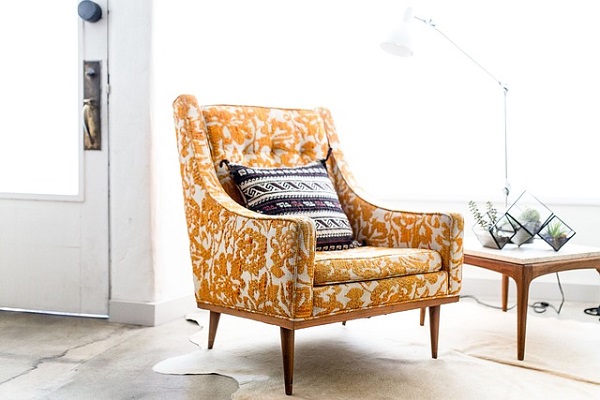
Canada-based Transparency Market Research has published a comprehensive analytical report on the global status of the home textile sector. The research covering 2019 to 2027 states, the market growing at a CAGR of 5 per cent will be worth $ 140 billion. In another report published by Markets & Research, the UK-based agency, the market is predicted to be worth $174.14 billion by 2028. The global home textile market in 2022 was valued at $125.58 billion.
Various advancements in technologies have transformed conventional textiles into high-performance textiles by adding various functionalities and improving the durability of products that have increased their demand among customers. Therefore, all such technological innovations are predicted to drive demand for home textiles in forthcoming years.
The textile industry is undergoing a revolution with the increased use of technical fabrics. From being anti-allergic to being quick-drying and ultra-soft to having high absorption, these advanced materials offer a range of benefits. The incorporation of these technical fabrics into clothing and textiles has made it possible to create products that not only look great but also promote health and comfort.
The use of sustainable fibers helps reduce the environmental footprint of textiles, as they are often grown and processed with fewer chemicals and pesticides. Additionally, many sustainable fibers have a low impact on water and energy resources, making them an attractive option for consumers looking to live a more sustainable lifestyle.
Diversifying portfolios
The top 12manufacturers are: Berkshire Hathaway, Welspun India, Springs Global S.A., Trident Group, Ralph Lauren Corporation, American Textile Company, Franco Manufacturing Company, Shenzhen Fuanna Bedding and Furnishing, LUOLAI Lifestyle Technology, Shanghai Shuixing Home Textile, Loftex and Sunvim Group Company. Due to the pandemic, many home textile manufacturing companies suffered losses and even shutdown. Major impact was seen on the supply chain of home textile market as lockdown lead to decline in exports and imports of home textile products.
While in 2021, the market rebounded because of the online retail in the market and the company's manufacturing innovative products for the changing needs of their customers. Players are diversifying services to maintain market share. Because of increasing demand for modern and well-furnished living spaces, all such market players are focusing on research and innovations for the production of advanced products.
Housing projects and home renovations driving growth
Rising real estate businesses across the world is resulting in increasing demand for home renovation and improving projects. All these factors have led to a surge in demand for home textiles as textiles are an easy and often sustainable way to create change. Thus an increase in consumer spending on home renovation and decoration has encouraged the growth of the global home textile market.
However, the market is confronted with some challenges specifically, high cost of logistics, threat from counterfeit products, etc. The market is projected to grow at a fast pace during the forecast period, due to reasons like a growth in e-commerce, demand for eco-friendly home furnishing, surging demand for non-woven fabric, technological innovations, etc. Manufacturers have stopped using chemical dyes and are instead using natural fibres because their customers prefer natural products.
Leading fashion brands commit to factory safety in Pakistan
More than 30 major fashion brands have committed to factory safety in Pakistan by signing the Pakistan Accord.Signatories include H&M, Inditex (Zara), Primark, Asos, C&A, Next, and PVH (Calvin Klein).
The aim is to ensure factory safety in Pakistan. Often workers in garment factories that produce for global brands and retailers have no access to proper exit stairwells in the case of a fire. Workplaces lack fire drills and workers are unaware of emergency escape routes and exits, assuming these exist.
Just a year ago, four people died in a supplier factory in Pakistan. Unions in Pakistan have worked for many years to get a safety agreement for the garment and textile sector in which workers’ grievances are heard and acted upon.
The Pakistan Accord will finally install a complaint mechanism so that workers can be assured the factories they work in are subjected to effective safety inspections. This means that garment and textile workers in Pakistan will no longer have to fear for their lives at work.
Pakistan Accord has been launched on the lines of the Bangladesh Accord. This model has proven successful in making garment and textile factories safe thanks to its enforceable character, its equal representation for unions, its transparency and the obligation upon brands to ensure that their supplier factories are able to carry out mandated renovations.
India progresses on FTA with UK
Discussions on the free trade agreement between India and the UK are on.
Out of the 26 chapters of the planned agreement, 13 chapters have already been concluded. The free trade agreement is designed to streamline trade between India and the UK and many Indian businesses are hoping it will enable them to increase exports to the UK.
India and the UK are targeting a deal to cut tariffs and open opportunities for UK services, such as financial and legal, making it easier for British businesses to sell to an economy set to be the world’s third largest by 2050.
India and the UK are the fifth and the sixth biggest economies in the world, have a long shared history and are in pole position to do a deal that will create jobs, encourage growth and boost their trading relationship. Strong growth in the Indian economy is expected to boost UK exports to India massively by the middle of the next decade and UK businesses are already taking advantage of the flourishing trading relationship.
Already India’s Tirupur’s exports of knitwear and garments to the United Kingdom are growing by 20 per cent year on year. And with the India-United Kingdom Free Trade Agreement in the offing, exports from Tirupur could see a ten per cent growth.
Huntsman sells textile effects to Archroma
Huntsman has sold its textile effects division to Archroma.
The division is called Huntsman Textile Effects and it will be combined with Archroma to create the world’s leading textile chemicals and dyes company.
Archroma is a global leader in sustainable specialty chemicals and solutions for industries such as textiles, packaging and paper, paints and coatings. Based in Switzerland, the company operates a highly integrated, customer-focused platform that delivers specialized performance and color solutions in more than 100 countries.
The company offers all kinds of after-chemical treatments that the textile industry has been demanding. So in athletic wear, for instance, the company has bacteria control for medical applications. And there are non-iron shirt chemical ranges for people who are starting going to the office again. With this acquisition both Archroma and Huntsman Textile Effects hope to bring together their expert teams and highly complementary product portfolios to offer customers and brand partners the high performance they expect while respecting natural resources and the planet.
Both companies are known for sustainability and innovation and complement each other. Archroma is stronger in chemicals than in dyes, whereas, for Huntsman, its textile effects business in dyes is stronger. The two can bring to the global customers the full i.e. end-to-end range of textile dyes and chemical products.
Ganni launches sportswear
Ganni has launched a new sportswear collection.
This consists of 30 high-performance athletic styles that are produced from recycled nylon and polyester. Several varieties feature a microfiber construction that aids the body’s natural cooling process.
Leggings, shorts, tees, and T-shirts are among the items, all of which have a distinct twist.This will mean, among other things, leopard bicycle shorts, cut-out dresses, and tracksuits with mesh logos.The collection will also feature a fresh version of the brand’s logo.
Ganni is a Danish women’s wear label which uses certified organic, lower-impact and recycled fibers. Founded in 2000, Ganni, a ready-to-wear fashion brand, has 27 stores across Europe and the US, and is available via 400 wholesalers worldwide.
Ganni’s bold and expressive styles exude optimism. The brand has gained a cult-status among fashion lovers with its cheerful designs full of color. The label has slowly claimed a position as a cult label that meets the sweet spot between high end and high street fashion. The brand stays true to a very specific fashion crowd that looks for effortless but expressive fashion. The brand expresses its own view of fashion as opposed to picking up common trends.
Besides fashion, Ganni creates accessories such as jewellery, headwear, scarves and bags as well as shoe collections.











