


FW
China's spandex exports decline in first two months of 2023
China's spandex exports have seen a decline in the first two months of 2023, according to data from China customs.
The total amount of spandex exported was 10.5kt, which is a decrease of 36.4% or 5993 tons compared to the same period last year. The export unit price was also down by $4.162/kg on an annual basis, standing at $5.182/kg in Jan-Feb. In Jan 2023, exports of spandex amounted to 4831 tons, an increase of 8.2% on a monthly basis but a decrease of 42.8% compared to the same month in the previous year.
The export unit price in Jan-Feb was $5.244/kg, up slightly by $0.006/kg on the month. In Feb, the total amount of spandex exports was 5645 tons, which was up by 16.9% compared to the previous month, but down 29.7% YoY. The export unit price was $5.128/kg in Feb, down by $0.116/kg on a monthly basis.
Despite spandex being exported to 85 nations or regions in Jan-Feb, which is an increase of 8 compared to the same period last year, the top four nations - Turkey, South Korea, Vietnam, and Egypt - still account for 47.3% of the total export. The exports to Pakistan, Taiwan of China, Mexico, Italy, and South Korea decreased, while exports to Uzbekistan, Malaysia, and the Netherlands increased by 100-200 tons.
The decline in spandex exports is due to the global economic slowdown and falling global trade, which has impacted the textile and apparel industry in emerging markets such as India and Vietnam. In early 2023, some large shoe factories in Vietnam downsized due to insufficient orders. The earthquake and falling demand from Europe and the US have also caused a decline in exports to Turkey by 66.3% or 4868 tons in Jan-Feb 2023, which is the second-lowest export rate in the last five years, only higher than Jan-Feb in 2020. The foreign exchange shortage in Pakistan has also affected spandex exports to the country.
Chinese exporters have turned their attention to neighboring Bangladesh due to payment problems in Pakistan, causing a rebound in exports to Bangladesh since Feb. Meanwhile, exports to India have also seen a medium-digit growth YoY.
India's apparel exports decline despite all-time high exports to UAE
India's exports of various products such as gems and jewellery, automobiles, coffee, tea, and articles of iron and steel have witnessed growth during the period of June 2022-February 2023 as compared to the same period in the previous year. However, India's apparel exports and iron and steel shipments to the UAE have declined during this period.
Despite these challenges, India's overall goods exports to the UAE have risen by 10.4% year-on-year to USD 23.03 billion, with imports increasing by 12.9% to USD 38.95 billion during the June 2022-February 2023 period. This positive growth can be attributed to the bilateral Comprehensive Economic Partnership Agreement (CEPA) between India and the UAE.
The CEPA, which came into force on May 1, 2022, has facilitated trade between the two nations. The integration of customs and logistics portals to track shipments in real-time has resulted in priority entry at ports. As a result, India is poised to achieve an all-time high of USD 32 billion in exports to the UAE by the end of this fiscal year, thanks to the benefits of the CEPA.
Currently, India's exports to the UAE stand at around USD 28.3 billion, and approximately USD 1.3 billion of India's exports go on zero duty on a monthly basis, compared to USD 2.72 billion of total outbound shipments.
It is noteworthy that the Indian government has removed export restrictions, which has also contributed to the increase in exports. Despite the challenges faced due to global headwinds, both countries will continue to build on the success of the CEPA in the years ahead.
Right merchandising can help fashion brands succeed in today’s uncertain environment: McKinsey
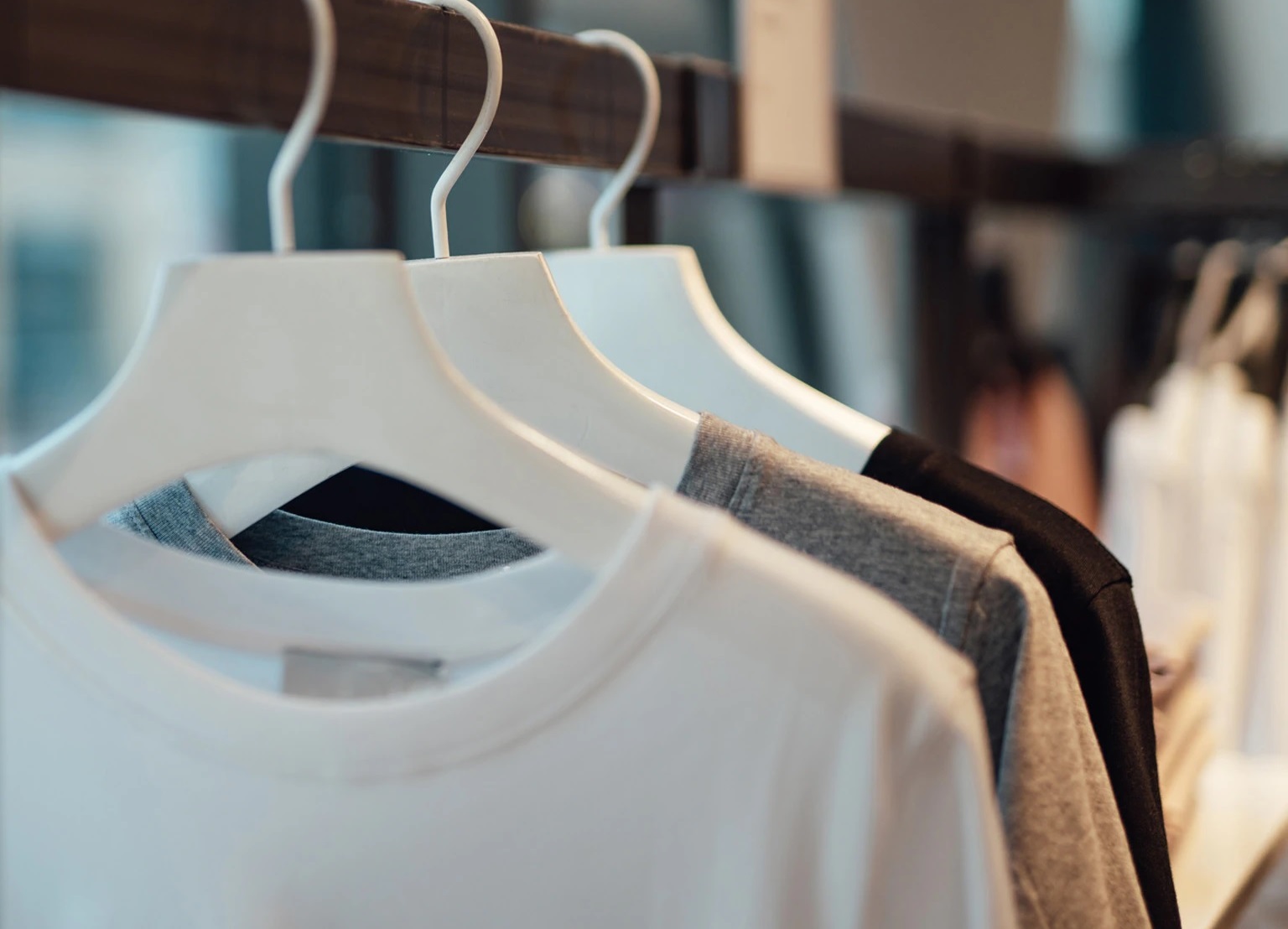
“Great merchandising, like great value, never goes out of fashion. In a dynamic and increasingly digital apparel, fashion, and luxury market, companies that get merchandising right tend to outperform their peers,” says McKinsey. In their article ‘Great merchandising never goes out of fashion’, authors David Barrelet, Matthew Chapman, Erik Eklöw, Julia Huang, Felix Rölkens and Hannah Yankelevich highlight in current economic environment and uncertainties there is an urgent need for companies to get merchandising right.
Shifting merchandising model
Merchandising is an umbrella term hence, is tough to optimize across its many facets. “About 97 per cent of fashion executives expect their cost of goods sold as well as selling, general, and administrative expenses to rise in 2023, spurring appetite across the industry to simplify assortments and manage costs.” For many executives, the trend echoes their longer-term thinking.
The authors argue, there six shifts in the industry’s merchandising model for decision makers and these are throwing up numerous opportunities. “If they can optimize their merchandising activities to react to these shifts, they are likely to create a playbook that can help them navigate a tough economic environment and set up their businesses for growth.”
The new models
The six shifts put forth by the authors are:
Less is more during economic uncertainty: Ongoing inflation has put pressures and hence the cost of running a fashion business has grown. Therefore, during uncertain economic situations, “there is an urgent need for brands to embrace leaner business models so that each dollar earned, and saved, goes further.” Margin pressures can be reduced by rethinking discounting and promotions. For example, Victoria’s Secret, PVH, and American Eagle, among others, announced pullbacks on promotional pricing.
Consumers demand newness and storytelling: With product life cycles reducing there is premium on newness. Consumers want brand to convey clear brand stories and have a positive impact on society. And brands need to ensure close and early cross-functional alignment in their go-to-market plans.
For example, fast fashion retailer Shein has grown 100 per cent year on year for the past eight years, becoming the second most popular shopping website among America’s Gen Z (after Amazon) and number one in the world for web traffic. What has worked for Shein is about seven days faster than leading fast-fashion players in moving products from concept to customers. Now, other brands are following the same pattern. For example, Nike, adidas and New Balance release new sneaker on a weekly basis.
Sustainability is climbing the agenda: With a more environmentally aware consumer and tougher regulatory policies, the industry is being forced to clean up its act. The authors say, merchandisers have a key role in promoting sustainability. “In response, companies need to reduce waste, prioritize sustainable materials, design for circularity, and ensure a sustainable, responsive supply chain.” They also need to unlock different ways of working, and forge closer collaboration between merchants and their design and supply counterparts through the product development cycle.
Channel dynamics are continuing to evolve: The pandemic saw e-commerce growth with many brands shifting direct-to-consumer (DTC) models. However, post-pandemic, brands need to diversify their channel mix, including wholesale and third-party marketplaces, alongside DTC. “Critical to this is having a clear distribution segmentation, allocating wholesalers and DTC to distinct value tiers and setting the guardrails on multiple dimensions, including the assortment that is offered and the level of investment that accounts receive.”
Data and insights have become a necessity: Data and analytics will remain a key focus area for merchandising with 61 per cent fashion executives saying end-to-end process management will be among the most important investments between 2021 and 2025. The author’s research show, applying integrated digital solutions to merchandising could lead to up to 50 per cent faster time to market, 8 per cent rise in full-price sell through, and 20 per cent decline in manufacturing costs. “It could support in-season pricing and promotions strategy, as well as feed data-driven range planning and optimization. In addition, through new and more granulated customer insights, companies can bring sharpness to their planning and design processes.”
Talent crunch puts pressure on the operating model: “The war for talent makes a well-oiled merchandising operating model a priority. From defining the merchant role as the exciting and business critical role it can be to finding the right balance between core merchandising skills and horizontal excellence functions, the need to act is clear.”
US apparel imports decline in value, volume in January 2023
After reaching a record-high apparel import value of US $99.93 billion in 2022, the United States has experienced a decline in its apparel imports, both in terms of value and volume, on a yearly basis.
According to data released by the Office of Textiles and Apparel (OTEXA), the country imported US $7.27 billion worth of apparel in the first month of this year, representing a 3.44% decline on a yearly basis. However, imports increased by 9.16% compared to December 2022 when the country imported US $6.66 billion worth of apparel.
All major apparel export destinations experienced a substantial decrease in their volume-wise shipment to the United States in January 2023 on a year-over-year basis. However, India, Bangladesh, Indonesia, and Sri Lanka increased their apparel shipments to the United States in value terms. India exporting US $485 million (up 9.77%) and Indonesia were valued at US $453.84 million (up 4.73%) worth of garments to the United States.
China's share of the apparel import value declined to 19.83%, possibly for the first time ever in the first month of a calendar year. Despite the decline, China secured its top rank with US $19.33 billion worth of garments entering the United States from the Asian giant, growing at a rate of 20.76%. However, the value-wise share has come down to 22.19% from 23.92% a year earlier.
Unavailability of cotton and LC restrictions plunge Pak ind into crisis, risking massive unemployment
The textile industry in Pakistan is facing severe challenges due to the unavailability of cotton and restrictions on opening Letters of Credit (LCs) for imports. As a result, the industry's exports have been badly impacted, leading to large-scale unemployment across the sector.
Local cotton production had remained less than 5 million bales in the current season due to last year's floods and heavy rains. Therefore, the textile industry would need to import at least one million bales of cotton to meet its requirements. However, banks were not opening LCs for importing the required quantity of cotton.
Textile mills are currently operating at less than 50% of their production capacity, and around seven million people associated with the sector have lost their jobs. If the industry remained closed under the current unfavorable conditions, more than 10 million people would be rendered jobless, and the country would lose annual export revenue of over $10 billion.
India's T&A exports decline in February 2023 due to anticipated global slowdown
India's exports of readymade garments (RMG) and raw textiles dropped by 12.1% and 17.5%, respectively, in February 2023. There was also a decline in handicrafts (down 28.3%) and leather (down 14.5%) exports during the same period.
The decrease in exports can be attributed to the anticipated slowdown in global growth, which is largely due to lower growth in advanced economies, such as the United States and the euro area, both of which are significant export markets for India. Additionally, a potential deceleration in domestic growth could lead to some softening in imports.
The shift in demand from goods to services, which is less import-intensive, is expected to continue, leading to a further slowdown in goods exports. The impact of monetary policy tightening could also intensify the decline in goods exports.
However, India's merchandise imports fell by a slightly lower 8.2% YoY to $51.3 billion in February, with core imports declining by only 2%, indicating the resilience of domestic economic activity.
New study finds way to recycle blended cotton and polyester fabrics using enzymes
Researchers at North Carolina State University have discovered a way to use enzymes to separate blended cotton and polyester fabrics, according to a new study.
The team hopes that this method will lead to a more efficient way of recycling these component materials, which will ultimately reduce textile waste. The study found that the process works well in separating cotton from polyester blends, which typically cannot be recycled. However, if the blended fabric is dyed or treated with chemicals that increase wrinkle resistance, additional steps are required.
The U.S. Environmental Protection Agency states that consumers discard around 11 million tons of textile waste in landfills each year, making this an important development. The researchers used a cocktail of enzymes in a mildly acidic solution to break down cotton's cellulose material. This then separates the cotton fragments from the polyester, which can be recycled.
While more work needs to be done, the researchers believe that this method has great promise, particularly as it is a mild process that uses enzymes that ignore the polyester. The researchers are also investigating the potential use of the slurry of cotton fragments and glucose as an additive for paper or composite materials, or for biofuel production.
True Religion plans to open 108 stores in China by 2028
True Religion, a denim brand, announced its partnership with Aurorae Group, the owner of Evisu Group, for its expansion into the Chinese market.
The brand plans to open 65 stores and shop-in-shops by 2026 and aims to have 108 stores by 2028. The Chinese market is expected to represent 10% of the brand's global volume by 2026. True Religion's e-commerce presence in China will also be expanded.
Aurorae Group will be the exclusive distributor in China for True Religion for mainland China, Hong Kong, and Macau, having the rights to sell the brand's full range of assortment, including core denim, heritage products, and collaborations. Aurorae Group will also develop licensed products specifically designed for the Chinese market, including apparel and accessories for men, women, and children.
In addition to the physical retail expansion, True Religion is taking strategic initiatives to transform into a digital-first direct-to-consumer brand. The brand aims to have a $250 million e-commerce business over the next four years.
B’desh emerges as hub for winter jackets amid shifting orders, increased export of value-added garments
Bangladesh is quickly becoming a hub for winter jacket manufacturing priced between $30 and $50 as orders shift away from China due to increased production costs and a shortage of skilled workers. Work orders for high-end winter jackets are shifting from countries such as Vietnam, India, Myanmar, Taiwan, South Korea, and Japan.
This new export sector is a result of local apparel makers diversifying their products in recent years with value-added garments. Despite global economic uncertainty, Bangladesh's apparel shipments have continued to grow due to the shift of work orders from China and increased export of value-added garments.
Local garment exporters in Bangladesh get almost half of what their Vietnamese counterparts make from garment exports due to various reasons, such as the production of basic items. However, the recent hike in the production of high-end value-added garments is reducing this gap as global buyers are willing to pay better prices for such products. Bangladesh's export earnings from apparel shipments have changed in recent times, with income now mainly value-driven rather than volume-based, leading to positive growth in garment exports even under difficult global economic circumstances.
In the January-February period of the ongoing fiscal, garment shipments grew 10.12% year-on-year to reach $8.36 billion, according to data from the Export Promotion Bureau. As Bangladesh continues to diversify its products and increase its production capacity, it is likely to remain a major player in the global garment industry.
Premium Group announces repositioning of flagship trade shows
Premium Group, the German fashion trade show organizer, has announced a complete repositioning of its flagship trade shows Premium and Seek.
The company is taking a bold step to meet the changing demands of the industry by introducing its new Trend and Event Platform. The first change will be to relocate the event to its iconic location, the Station Berlin. The event will be shortened to two days instead of three, with new opening hours from 10AM to 10PM including networking events and parties.
The new platform will focus on curated trends, lifestyle brands, and sophisticated fashion collections. The Conscious Club, one of Europe's most significant platforms for sustainability in fashion, will remain a part of the event.
Premium Group aims to provide more efficient business and networking opportunities for exhibitors and visitors while helping them maximize their time and investment. The company hopes to set an example for other trade show organizers to follow by introducing a new environmentally friendly concept.
The summer editions of Premium, Seek, and the Conscious Club will take place on 11 and 12 July 2023 in Berlin.











