


FW
Indian designers’ tie-ups with corporate houses work seamlessly
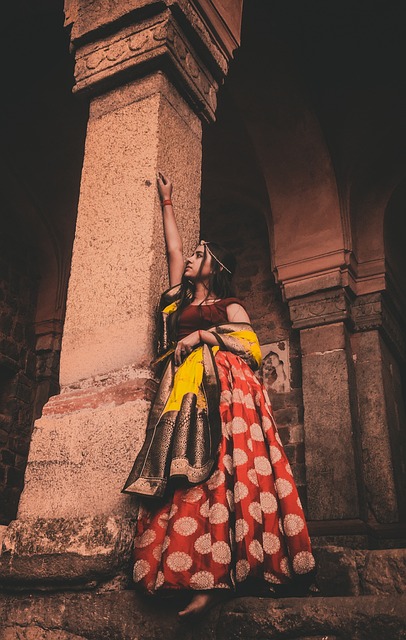
A unique mix of Indian culture with a twist of modernity designed with skilled craftmanship is the USP of most Indian fashion designers who are making a mark in the premium apparel segment with wearable everyday pieces to luxury bridal couture. While some are globally-renowned large fashion houses of talented and creative fashion and accessory designers, others are those quietly working behind the scene for the intricate embroidery, embellishments and fabrics from prestigious fashion houses like Versace, Hermès, Christian Louboutin, Gucci, Prada, Dior et al.
Although analysts opine Manish Malhotra is probably India's richest fashion designer at the number one position, other big names such as: Tarun Tahiliani, Ritu Kumar, Rohit Bal, Sabyasachi Mukherjee, Neeta Lulla, Rohit Bal, Masaba Gupta, Anamika Khanna, Anita Dongre and more promote their fashion houses with their own USP and customer loyalty across the globe.
Corporate tie-ups a win-win
There is a trend of designers are tying up with large corporate houses and companies with technical expertise for go-to-markets globally and for smaller towns within India. Indeed, these tie-ups are a win-win for both corporates and the designers as it helps them scale up faster rather than on their own.
In fact, Tahiliani was one of the first to get funding from a corporate house like Aditya Birla Fashion and Retail Group (ABFRL) with his long-standing relationship with the chairman Kumar Mangalam Birla, who had been a customer of Tahiliani’s Ensemble for decades. Similarly, ABFRL bought a 51 per cent stake in House of Masaba Lifestyle, which showcases apparel, personal care, and accessories under the Masaba brand, owned by designer Masaba Gupta. Meanwhile, Reliance Brands bought 52 per cent stake in Ritu Kumar, around 51 per cent in Abu Jani Sandeep Khosla and 40 per cent in Manish Malhotra and this is slowly changing the game for the luxury market. Back in 2008, the then-successful Kishore Biyani’s Future Group had a 23 per cent stake in Anita Dongre, which was later sold to private equity player General Atlantic for around Rs 150 crore.
As per a Statistica market survey, global luxury fashion market is worth around $1.53 billion in 2023 and it is expected to grow annually at 1.32 per cent CAGR from 2023-2028. The Indian luxury segment fashion houses have now expanded from just producing for the global markets and instead becoming one of the largest domestic consumer markets for apparel and accessories.
Many international brands are now investing in business relationships with Indian corporate houses and well-known designers are more focussed on the domestic rather than the global and NRI market.
Good for business
As per real estate consultancy Knight Frank’s Wealth Report 2023, India is set to see around 58.4 per cent increase in ultra-high-net-worth individuals along with those having a net worth over $30 million, from 12,069 in 2022 to 19,119 in five years by 2027.
Perhaps what works for designers through these tie ups is they can leverage the deep understanding of the affluent Indian customers and their heft across digital, retail operations, marketing, and supply chain platforms to grow their business. The corporate houses on their part are creating a platform for designers and domestic artistic subsidiaries and talent to merge with home owned and well established strength in fashion and luxury retail business worldwide.
However, for effective collaborations especially for global markets, Indian designers need to tick various boxes to be considered worthy at a global level. From greenwashing to sourcing right, fashion designers also need to be forward thinkers in today’s scenario. You have to check it all. Whoever wears the crown in the end, the ball seems to get rolling towards more mergers and innovative strategies to bring more business.
Pakistan's Textile Exports Decline, Raw Cotton and Tents Grow
Pakistan's textile exports for the first eleven months of fiscal year 2022-23 reached $15,029.845 million, marking a 14.72% decline compared to the same period last year, according to the Pakistan Bureau of Statistics (PBS).
However, certain sectors experienced contrasting trends. Raw cotton exports saw a remarkable growth of 104.13%, rising from $6.577 million to $13.425 million. Similarly, the export of tents, canvas, and tarpaulin increased by 26.52% from $99.463 million to $125.840 million. Conversely, cotton yarn exports witnessed a significant decline of 33.75% from $1,112.712 million to $737.186 million. Cotton cloth exports decreased by 16.87%, while cotton (carded or combed) saw a drop of 38.97%.
Other categories that experienced a decline include yarn (other than cotton yarn), knitwear, bedwear, towels, ready-made garments, art/silk/synthetic textiles, made-up articles (excluding towels and bedwear), and other textile materials.
In May 2023, textile exports showed a YoY decline of 19.57%, amounting to $1,320.558 million. However, on a MoM basis, exports increased by 7.12% in May compared to April 2023, as per PBS data.
Inditex Thrives, Introduces Anti-Shoplifting Tech
Spanish businessman Amancio Ortega's fashion empire, Inditex, continues to make waves as it revealed a net profit of 1.16 billion euros for the first quarter of its 2023-2024 fiscal year, marking a 54% increase. The group, which owns renowned brands like Zara, Massimo Dutti, and Bershka, attributed this growth to a strong operating performance.
In an effort to combat shoplifting, Inditex announced plans to introduce a new technology in July that eliminates physical alarms on its clothing. The multinational aims to test the system with garments from the upcoming autumn-winter collection and eventually implement it across all brands.
Additionally, Inditex plans to launch the Zara Pre-Owned platform before 2024. Initially introduced in the UK, this platform enables customers to prolong the lifespan of their garments through donation, repair, or peer-to-peer sales.
Users will have the option to request alterations to any of the brand's used garments from various seasons. These developments showcase Inditex's commitment to innovation and sustainability within the fashion industry.
U.S. Urges Mexico on Worker Rights, Suspends Settlement
The United States has called on Mexico to examine allegations of workers' rights violations at an Industrial Interior denim garment facility in Aguascalientes. The U.S. decision includes the suspension of final customs account settlements related to goods from this particular facility.
This action represents the tenth time the U.S. has formally invoked the Rapid Response Labor Mechanism under the U.S.-Mexico-Canada Agreement, but it marks the first instance in the garment sector. Prior invocations solely pertained to the automotive industry. According to the Office of the U.S. Trade Representative (USTR), a petition was filed with the Interagency Labor Committee for Monitoring and Enforcement, which consists of the USTR and the Department of Labor.
The petition alleged that the Mexican company coerced workers into accepting revised collective bargaining agreements, interfered with the union's internal affairs, and failed to engage in genuine negotiations.
The committee subsequently determined the existence of credible evidence supporting the claims of rights denial, thus warranting the use of enforcement measures in good faith. Mexico has been given ten days to agree to conduct a review, and if accepted, they will have 45 days to complete the investigation, as stated by the USTR.
Cambodia: Garment industry progresses, worker fainting decreases
During a gathering with approximately 20,000 workers and employees from six factories and enterprises at the Lecrown Shoes Industry Factory in Cheung Prey district, Kampong Cham province, The government appreciated for the notable progress achieved in the garment and textile factories.
The improvements in the work environment, wages, transportation, and food facilities, resulted in a significant reduction in the incidents of workers fainting on the job.
Presently, Cambodia boasts a total of 17,000 factories and enterprises, employing 1.5 million workers and employees. Of these, 1,326 are garment and textile factories, providing employment to over 840,000 individuals.
Reflecting on the past, in 1997, Cambodia had a mere 64 factories with around 80,000 workers, generating exports worth $270 million. During that time, workers received a meagre wage of only $40, while today the minimum wage stands at no less than $200.
Western wear riding high in India as its popularity grows across genders: Report

A dynamic growth indicator, predicted at CAGR 7.6 per cent until the projected period of 2032 will put India in the global top five consumers of western wear by then. US-based retail trade research specialist Allied Market Research recently released a report titled ‘India’s Western Wear Market’ that highlighted in 2021, the value of this category was approximately $2.6 billion and by 2032 it is forecasted to be worth $6.1 billion by 2032.
Changing fashion habits a catalyst
Indian consumers’ fashion choice, particularly among women, has traditionally been influenced by cultural habits. Since the 1980s, India has seen a gradual transition and from the 2000s it has begun to align itself in line with the latest global trends. Sanjay Kapoor, CEO, Genesis Luxury points out brands that are successful in India have understood how Indians consume, what colors they prefer, their choice of designs work, what touch-points and personalization work may be different from what works for a consumer living in New York or Hong Kong. Kapoor says, Indian women have kept a lot of their traditional sensibilities alive, and one can see a beautiful mix of both Indian and Western sensibilities across the spectrum. The rush of western luxury brands to India was the biggest marker that showcased Indian consumers who lead trends locally are more inclined towards western wear.
Brands reaping harvest
Major players operating in Indian western wear market are: Aditya Birla Fashion and Retail (ABFRL), Chemistry, H&M Hennes & Mauritz, Forever21, Inditex, Mango, Shoppers Stop, Benetton Group, Vero Moda and Westside. Revenue from the ABFRL’s key Madura Fashion and Lifestyle unit, that sells western wear and athleisure casual sports clothing, grew about 30 per cent to Rs 21.56 billion contributing 75 per cent of the quarterly topline Q4 2022-23.
Such is the attraction of India’s growing western wear market that China’s Shein App, banned by the Indian government has found another way to retail in India riding on Reliance Retail. Recently, the retail arm of Mukesh Ambani and Shein signed a partnership. Media reports say, Shein has partnered Reliance Retail and will operate through RIL's subsidiary to tap one of the fastest growing fashion markets globally.
Key insights from the report
The western wear market in India has witnessed significant growth in recent years, driven by a combination of factors like: changes in fashion trends, increase in urbanization, surge in disposable income, and rise in influence of Western culture on Indian society.
Western wear was initially a stronghold in men’s wear as it traditionally held the major share of the market. In this, western men’s apparel was mainly the traditional jeans, T-shirts and formal shirts and trousers. It has now diversified into jackets, various styles of jeans including ripped, skinny and recently on the lines of Gen Z fashion choice, baggy and flared jeans.
However, women’s western wear is on an unprecedented rise as preference among female consumers not only in metros but also other urban areas is growing at an incremental rate. More women are working and have the money to spend on their personal fashion choices as well as follow trends created through ever-growing ‘fashion influencers’. The women's western wear market is highly competitive with several local and international brands vying wardrobe space.
For long in the men’s category it’s the formal segment that held lion’s share in western wear. However, this is changing as informal western wear’s growth far outpaces formal wear in the forecast period. Post-pandemic trends indicate casual wear is the preferred style of dressing as it stresses on comfort and has the flexibility of mixing styles, something the more rigidly structured formal wear can’t compete in.
India’s fashion retail soars on e-commerce success

Online shopping a quintessential convenience for urban lives across India has penetrated territories physical retail brands couldn’t reach earlier. As per estimates by 2026, e-commerce in India will be worth over $200 billion and by 2027 India will have over 427 million e-commerce users. With such unprecedented growth, it is only natural for fashion retail to take on a head start and ride this ever-growing wave and become a substantial contributor to overall e-commerce sector.
Ecommerce fashion retailers ride on success
Numerous fashion e-commerce websites that have mushroomed over the years including Myntra, Ajio, Kanchan Fashion, Meesho, etc, are now household names. A Statista’s report highlights India’s fashion market will be around $14.4 billion by 2023 as fashion continues to grow since 2019 at a CAGR of 18.5 per cent. This incredible growth can be attributed to several factors, including the convenience of online shopping, attractive discounts, and a wide range of choices. Increased access and the reach of e-commerce have eliminated geographical barriers, allowing consumers from the most remote corners of India to access latest fashion trends.
While figures indicate e-commerce is still in its inchoate stage in India, contributing only 10 per cent of the nation’s retail, there is enormous scope compared to e-commerce’s global share in retail which stands at 19 per cent and is expected to become 25 per cent by 2026. In fact, a June 2022 retailer’s summit in Mumbai estimated fashion contributes around 12 per cent of all sales on e-commerce and this share is expected touch 30 per cent by 2027.
Advantages for fashion in e-commerce
Fashion retail sector experienced the taste of outreach through e-commerce wherein it had the largest swathe of the nation as its catchment area. Fashion retail no is longer limited to urban pockets where it found profitability through physical presence. Today, fashion products are being shipped to every nook and crannies of India, places that weren’t even on fashion’s radar.
Moreover, e-commerce has given a well-deserved platform for new fashion designers and fashion start-ups who earlier were unable to broaden their market due to operational and marketing costs involved in physical retailing. The popularity of social media that does the marketing for e-commerce has been a relatively inexpensive tool and a welcome opportunity for such designers and businesses. Technically, today a start-up fashion house can have similar reach as Ajio or Trends online.
Also, physical spaces that were a barrier for a fashion brand as it put forward its inventory as its portfolio or collection is now as big as its collection thanks to e-commerce. Fashion brand have the luxury of showcasing their complete inventory in the digital space. This highlights their style, sizes and niche creations to the best advantage. This can also be extended as a democratic platform where new brands can compete with established labels and domestic brands with international ones on an even playing field.
What’s more, the restrictive environment of physical space can be set aside to offer convenience and a board for creative inspiration. AI has developed sophisticated software that enables digital trials at the click of a tab over the tedious physical trial of a large number of outfits in a tight changing room. The Metaverse provides an extraordinary canvas of a world of fashion to experiment styles, outfits, accessories and create individual looks.
Overall, e-commerce’s transformative impact has created opportunities for job creation, economic growth, and investments, shaping the future of the Indian fashion industry.
Fashion industry tackles decarbonisation together
The Sustainable Apparel Coalition (SAC) and the Apparel Impact Institute (AII) have unveiled a strategic partnership aimed at intensifying and expanding decarbonisation initiatives in the apparel industry.
The urgency to tackle climate change, as underscored by the recent IPCC report, necessitates immediate action. To meet the crucial 1.5°C target, emissions must be reduced by a minimum of 43% by 2030 and 60% by 2035. Collaborating on research, finance, impact target setting, action plans, and industry engagement, the SAC and AII will work together to help achieve these ambitious reduction goals.
Their initial thrust will concentrate on advancing the Climate Solutions Portfolio and Fashion Climate Fund, which will effectively address carbon emissions across the apparel supply chain. By combining their efforts, the SAC and AII aspire to attain a noteworthy 45% reduction in greenhouse gas emissions by 2030.
This partnership reflects their commitment to a sustainable and responsible textile and apparel industry, relying on a comprehensive approach to create lasting change.
Fashion Retailers Thrive Amid Market Challenges
In a positive start to June, global fashion giant H&M, renowned fashion house Hugo Boss, and online retailer Asos showcased their resilience, alleviating concerns over a fashion sector grappling with weakened US demand.
Investors found solace in the signs of strength, as economic uncertainties prompted consumers in crucial markets like Europe, the US, and China to scale back on clothing purchases.
Nonetheless, consumers on tighter budgets have become more discerning, leading to a growing divergence among brands.
H&M's shares rose by 3.5% as analysts predicted a robust third quarter following stagnant sales from March to May. The company has been working to enhance its fashion appeal, bolstering its higher-priced brand Cos, aiming at customers less vulnerable to rising living costs, as fast-fashion leader Shein gains market share with affordable clothing.
Bank of America analysts anticipate a boost in H&M's half-year earnings, thanks to its successful collaboration with luxury brand Mugler, with results expected on June 29.
Asos, working to recover from a substantial increase in inventory and debt, relies heavily on price-conscious young shoppers seeking the latest trends. Despite a decline in sales, the company reported that its focus on profit per order is yielding positive results. Asos has reduced its stock since the beginning of the year and plans to eliminate unprofitable brands from its platform.
Highlighting the diverging trajectories of brands in this uncertain landscape, luxury fashion retailer Hugo Boss raised its sales and profit targets for 2025, affirming strong growth in the US while peers observed weakness among "aspirational" consumers in the market.
Analysts at Citi acknowledged Hugo Boss's immunity to cracks in the US consumer environment, along with minimal impact in Europe.
Indian T&A sector expects global demand rebound
After a challenging year marked by low demand, excessive inventory, limited supplies, and surging cotton prices, the textile sector is poised for a turnaround. Industry experts predict a revival in demand, particularly in the third quarter of FY24, as global retailers reduce their inventories and place orders for the upcoming Summer/Spring 2024 collections.
Analysts Optimistic About Textile Sector's Rebound in FY24
Favorable market conditions, including geopolitical uncertainties faced by competitor countries, are expected to inject vibrancy into the sector. Consequently, textile players are projected to experience consistent earnings growth and improved cash flows. With completed capital expenditure, the focus will shift toward strengthening balance sheets and enhancing return ratios. Additionally, falling cotton and crude prices are set to bolster margins and enhance India's competitiveness in export markets. The industry has already gained market share in key export markets for garments and home textiles.
The prospects of a UK free trade agreement and the China+1 strategy further enhance the sector's potential for recalibrating earnings and multiples.











