


FW
Sizekick's AI solution cuts E-commerce returns
Sizekick, a Munich-based startup, has introduced an innovative AI technology aimed at tackling size-related returns in the e-commerce sector. Backed by strategic partner and investor Hohenstein, renowned brands like Black Diamond, Marc Cain, and Rrrevolve have already embraced the tool. By harnessing Hohenstein's apparel expertise and Sizekick's AI capabilities, retailers can provide a more eco-friendly and tailored shopping experience, reducing CO2 emissions.
The system offers personalized sizing recommendations based on individual body measurements through two AI-driven options. BodyFinder presents realistic body shapes for selection, while BodyScanner employs smartphone video scans for precise measurements. Integrating the technology into e-commerce platforms is seamless and swift, granting brands immediate access.
Sizekick's collaboration with Hohenstein, a size and fit authority with 75 years of industry experience, has resulted in a highly accurate and user-friendly solution. Size-related returns and environmental concerns in e-commerce may find mitigation through this pioneering endeavor.
Archroma's sustainable Excellence impresses Swiss Foreign Minister
Archroma, a global leader in sustainable specialty chemicals, gained recognition from the Swiss Embassy in Pakistan for its pioneering sustainable initiatives. During an official state visit by Switzerland's Foreign Minister, Ignazio Cassis, to Pakistan on July 9, 2023, Archroma'sCenter of Excellence in Karachi was showcased as a hub of innovation. Mr. Cassis, accompanied by high-ranking officials and Swiss Parliament members, was welcomed by Archroma employees.
The visit encompassed the inauguration of Archroma's "Wall of Pride," a testament to the company's achievements since its inception in 2013. Cassis explored the multi-floor Research & Technology facilities, Analytical Laboratories, and Training Academy. He witnessed ongoing fabric printing and research analyses, underlining Archroma's commitment to advancement.
Central to the tour were Archroma's groundbreaking sustainable practices: the globally acclaimed 'Zero Liquid Discharge Sustainable Effluent Treatment Plant' and aniline-free* indigo production in Jamshoro. These exemplars of sustainable innovation were extensively discussed, emphasizing their potential for industry-wide impact.
Foreign Minister Ignazio Cassis praised Archroma's initiatives, hailing the water-saving and pollution-combatting efforts. CEO of Archroma Pakistan, Mujtaba Rahim, underscored the company's role as a vanguard for sustainable practices, influencing both the industry and local community positively.
India-UK free trade agreement nears realization
India and the United Kingdom are making gradual progress towards formalizing a free trade agreement (FTA), having wrapped up negotiations on the majority of chapters. While both sides have reached a consensus to exclude matters related to data and concessions in the dairy sector from the agreement, deliberations are ongoing regarding potential tariff reductions on automobiles and specific confectionery items.
Recent visits by Indian officials to London have injected momentum into the negotiations, as they engaged in discussions with senior British counterparts. Presently, the focus lies on resolving a handful of remaining disparities, notably pertaining to investment treaties, intellectual property rights (IPRs), and rules of origin.
In the context of FTAs, rules of origin carry significant importance, as they determine the eligibility of products for preferential tariff treatment. Within the framework of the proposed India-UK FTA, adherence to specific criteria concerning the processing and value augmentation of goods would establish their "origin" within the respective partner country.
This safeguard would hinder attempts by nations to merely reclassify goods produced in third countries as originating from India or the UK, with the intent of exploiting the tariff benefits afforded by the FTA. The bilateral trade between India and the UK has displayed consistent growth in recent years, culminating in a figure of $20.36 billion during 2022-23.
India's exports to the UK encompass a diverse array of goods, including ready-made garments, textiles, gems and jewelry, engineering products, petroleum derivatives, transportation machinery, spices, instruments, pharmaceuticals, and marine merchandise.
Notably, the UK's foreign direct investment in India surged from $1 billion in 2021-22 to $1.74 billion in 2022-23. Should the envisaged India-UK FTA come to fruition, it holds the potential to significantly amplify trade and investment activities between the two nations. A successful conclusion would mark the UK's first major FTA with an emerging market since the Brexit transition.
Peruvian fashion shines at CIFF
Peru's Commission for Promotion of Export and Tourism (PromPeru) is set to lead a delegation of ten prominent Peruvian clothing and decoration brands to make their mark at the esteemed Copenhagen International Fashion Fair (CIFF 2023) from August 9th to 11th.
This milestone marks the first time Peru, under PromPeru's Trade Office in Rotterdam, will have a presence at the event, boasting a substantial 125-square-meter stand. The showcased collections will boast a unique fusion of ancient Peruvian culture and modern sustainable practices.
Fashioned from locally sourced and biodegradable materials like cotton, alpaca fiber, toquilla straw, shiringa, and paiche (fish) leather, these exclusive creations pay homage to tradition while embracing innovation.
The lineup of Peruvian brands, including Sake, Fasce, Kero Design, Wisqa, Kuna from Arequipa, Tom Gutie, Kinua, Fringe, Amarena, and Pampa, proudly collaborate with communities in Cusco, Arequipa, Puno, and Amazonas regions, reinforcing the nation's commitment to sustainable fashion. PromPeru's primary objective is to spotlight Peru's distinctive offerings for Scandinavian fashion professionals, international buyers, press, influencers, and sustainable fashion advocates. CIFF, Europe's dynamic and innovative sales platform since 1993, attracts over 2,000 brands to its 60,000 square-meter exhibition space, making it a crucial event for the global fashion industry.
The participation of Peruvian brands in the Consumer Show runway event on August 7th will kickstart Copenhagen's Fashion Week activities, amplifying the nation's influence in the European fashion sphere.
Notably, Scandinavian countries dominate the European fashion industry, united under Copenhagen Fashion Week (CFW) and CIFF's umbrella, which harnesses the region's collective talent and creativity. PromPeru's unwavering efforts, coupled with institutional support and technical guidance, have positioned Peru as a sustainable fashion trailblazer in Europe.
This initiative serves as a decisive response to escalating environmental consciousness in both consumer and corporate spheres, solidifying Peru's role in shaping a greener fashion future.
Bangladesh surpasses China as top EU apparel exporter
In recent years, Bangladesh has experienced a remarkable surge in its apparel exports to the European Union (EU), securing a considerable 22.20% market share in 2022.
This marks a notable increase from 19.80% in the previous year, signifying a significant milestone as Bangladesh overtakes China to become the foremost EU apparel exporter. During the year 2022, Bangladesh accomplished apparel exports worth $22.89 billion to the EU, outpacing China whose exports amounted to $30.15 billion.
This showcases a remarkable year-on-year expansion of 35.69% for Bangladesh, juxtaposed with China's growth of 17.01%. Faruque Hassan, the president of BGMEA, attributes Bangladesh's robust growth in apparel exports to the EU to a variety of factors, including
Product Diversification: Bangladesh has made impressive strides in diversifying its product range, notably excelling in the creation of high-end and sophisticated items.
Market Expansion: The country has effectively broadened its market reach, witnessing substantial growth in imports from countries such as Hungary, Cyprus, Malta, Slovenia, Poland, and Denmark over the past five years.
Competitive Pricing: Bangladesh's apparel manufacturers have made substantial investments in their supply chains, resulting in reduced production costs and enhanced competitiveness in the global apparel industry.
With a strong sense of optimism, the BGMEA president foresees Bangladesh's continuous expansion in apparel exports to the EU in the years ahead. He envisions Bangladesh eventually becoming the premier sourcing destination for EU apparel, both in terms of value and significance.
The crucial role of mega textile hubs in establishing India’s global leadership
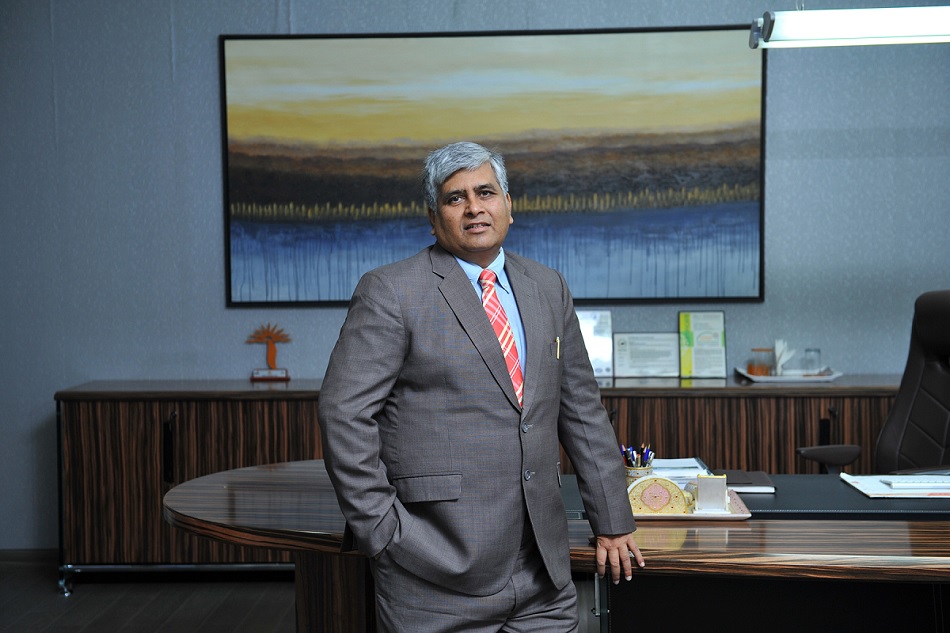
Dr S N Modani, Managing Director, CEO, Sangam India is also the Chairman of the Rajasthan Textile Mills Association. With 33 years of experience in the textile industry, he has led Sangam India Ltd. to become a vertically integrated textile conglomerate. He holds a PhD in "Strategic Management Practices for Sustainable Future" and his research benefits strategists, academics, and corporate executives.
Indian textile industry has long been recognized for its rich heritage and vast potential. With a history spanning centuries, textiles have been an integral part of India's economic and cultural fabric. The nation's textile sector has witnessed significant growth and modernization in recent years, positioning it as a prominent player in the global market. Establishing mega textile hubs is crucial to further elevate India's standing as a leading global textile hub. These hubs serve as catalysts for innovation, efficiency and sustainability, propelling India to the forefront of global textile industry.
Mega textile hubs fostering growth
Mega textile hubs concentrate resources, infrastructure, and expertise in a single location, fostering a highly conducive textile manufacturing and trade environment. By bringing together diverse elements of the textile value chain - from raw material suppliers to garment manufacturers and exporters - these hubs create economies of scale and enhance the industry's overall competitiveness. Centralization also reduces logistic complexities and streamlines processes, making India an attractive destination for investors and international buyers.
Innovation is the lifeblood of any thriving industry. Mega textile hubs act as innovation centers, encouraging collaboration among businesses, research institutions, and design studios. This collaborative ecosystem leads to exchanging ideas, technologies, and best practices, facilitating the development of cutting-edge products and processes. By fostering innovation, India's textile sector can diversify its product range, meet global demand, and stay ahead in an increasingly competitive market.
Employment and investment opportunities 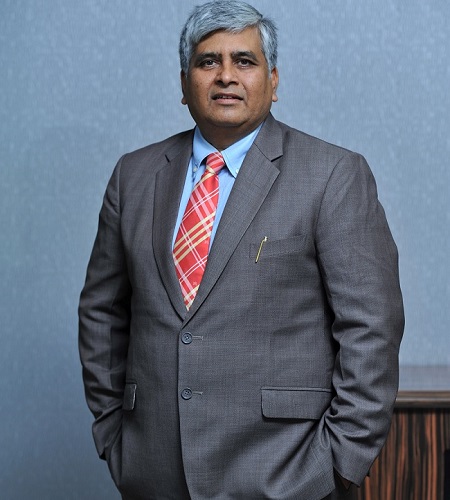
Establishing mega textile hubs generates significant employment opportunities, particularly in rural areas with higher unemployment rates. Skilled workers and artisans find employment in these hubs, and the influx of jobs helps alleviate poverty and promote inclusive growth. Additionally, the presence of training and skill development centers within these hubs ensures the continuous upskilling of the workforce, enhancing their efficiency and expertise.
A robust infrastructure and a favorable business environment attract foreign investors to India's textile sector. Mega textile hubs offer a one-stop destination for international buyers, reducing lead times and costs associated with sourcing. Increased FDI infuses capital into the economy and brings advanced technologies and best practices, further enhancing the industry's capabilities. With these improved production capabilities, India can significantly augment its textile exports and establish itself as a preferred global supplier.
As the world increasingly prioritizes sustainability, the textile industry must adopt eco-friendly practices. Mega textile hubs can lead the charge by implementing sustainable technologies, recycling initiatives, and promoting a circular economy. By adopting green manufacturing practices, reducing waste, and optimizing energy consumption, these hubs can positively impact the environment while attracting environmentally conscious consumers and businesses from around the globe.
Policy and government support way forward
The Indian government plays a pivotal role in developing mega textile hubs. Policymakers must create a supportive regulatory framework that fosters entrepreneurship, encourages private investments, and facilitates seamless operations. Additionally, the government should consider offering incentives and subsidies to promote the establishment of these hubs in underdeveloped regions, fostering balanced regional growth.
With mega textile hubs in place, India can leverage its abundant resources, skilled workforce, and rich textile heritage to emerge as a global textile leader. By offering various high-quality products at competitive prices, India can outperform its competitors and capture a more substantial share of the global textile market. The rise of India as a textile powerhouse will bolster its economic growth and solidify its position on the world stage.
India-Bangladesh trade in rupees to boost commerce
India and Bangladesh have agreed to exclusively employ the rupee for their bilateral trade, strategically aiming to amplify commercial activities while reducing reliance on the US dollar.
This announcement, made on Sunday, allows businesses to invoice and finalize trade transactions using rupees, promising streamlined processes, lower transaction costs, and smoother interactions between Indian and Bangladeshi enterprises.
Sanjay Budhia, Chair of the National Committee on Exports and Imports at the Confederation of Indian Industry (CII), noted that this move significantly bolsters economic cooperation between the two nations and promotes regional currency usage over the US dollar.
This development is expected to stimulate Indian exports to Bangladesh, addressing the existing trade imbalance where Indian imports into Bangladesh exceed Bangladeshi exports to India. By settling trade in rupees, Indian exporters can offer more competitive prices to their Bangladeshi counterparts, potentially boosting exports.
Moreover, the rupee-centric trade arrangement is anticipated to benefit small and medium-sized enterprises (SMEs) in both countries. SMEs often grapple with foreign exchange challenges, impeding international sourcing. Settling trade in rupees enables SMEs to bypass the need to convert funds, facilitating more cost-effective business transactions.
Jointly declared by the central banks of India and Bangladesh, this rupee settlement pact is a positive stride, fostering economic ties and diminishing dependence on the US dollar. The development is poised to enhance business interactions and potentially reshape trade dynamics between the two nations, ushering in mutually beneficial economic ties.
Intex Sri Lanka 2023 set to boost Sri Lankan garment industry
Intex Sri Lanka 2023 returns with grandeur and magnificence! The esteemed International Textile Sourcing Show is scheduled from August 9th to 11th, 2023, at the BMICH in Colombo.
With Sri Lanka's garment exports soaring to an impressive US$ 5.93 billion in 2022, Intex is poised to provide robust support to Sri Lanka's apparel sector across various dimensions.
This edition of Intex Sri Lanka will present a diverse array of exhibitors encompassing the entire spectrum of the textile value chain. From yarns, fabrics, and accessories to denims, dyes, and supplementary support systems, including certifications and design solutions, the showcase promises to be comprehensive and dynamic.
The India Pavilion at Intex Sri Lanka will shine a spotlight on over 70 Indian companies, including members of the Cotton Textiles Export Promotion Council (TEXPROCIL). Their presence aims to cater to the raw material demands of the Sri Lankan apparel industry.
Beyond the exhibition, Intex Sri Lanka will proudly host the distinguished Interactive Business Forum (IBF) Seminar Series, a paramount market intelligence event. The series will feature renowned entities such as WGSN, Cotton USA, and other industry leaders.
Exploring themes like market trends, sustainability, digital transformation, supply chain management, and traceability, the seminars will provide invaluable insights and expertise to navigate the dynamic landscape of the textile industry.
USA: Recycling association calls for updating textile labelling
The Secondary Materials and Recycled Textiles Association (SMART) at Batlimore, USA, alongside 130 other entities from the fashion and recycling domains, is an urging legislative body to modernize textile labelling regulations.
The current norms are outdated, inconsistent, and hinder the advancement of traceable materials and a circular economy. SMART and its partners advocate adopting digital solutions like QR code labels to replace traditional paper tags. This shift would not only reduce labeling waste but also cut down at least 343,000 metric tons of emissions from industry supply chains.
Additionally, digital labels would provide consumers with more comprehensive and accurate information about products, including material composition, origin, and care instructions. Moreover, digital labelling would facilitate consumers in reselling, repairing, renting, upcycling, and recycling garments, extending their lifespan and mitigating textile waste.
SMART and its collaborators urgently call upon legislative bodies to swiftly update textile labeling prerequisites. They firmly hold that digital labeling is the most effective approach to fostering a more sustainable and circular fashion industry.
Further key points include:
The existing labeling standards were established in the 1960s and have seen no revision since. Inconsistent outdated rules across nations pose compliance challenges for businesses. Current labeling norms inadequately educate consumers about product specifics like materials and origin.
Digital labeling would empower consumers to make informed purchasing decisions by offering detailed product insights.
Alpaca fibre to grow for utilisation across automotive industry
The alpaca fiber market is projected to reach US$ 4.7 Billion from 2022 to 2032. The growth of the alpaca fiber market is attributed to its global utilization across the automotive industry. The global alpaca fiber market demand is estimated to grow at an opulent CAGR of 3.2% with a valuation of US$ 3.4 Billion in 2022, according to FMI analysis
Alpaca fiber, a prized natural textile derived from alpaca fleece, is renowned for its exceptional warmth, luxurious softness, and eco-friendly attributes. Unlike sheep's wool, alpaca fiber boasts superior insulation and is hypoallergenic, rendering it a favored option for diverse clothing and accessories. What sets it apart is its sustainability, as alpacas graze on pastures, eliminating the need for harmful pesticides and herbicides.
Forecasts predict a remarkable surge in the alpaca fiber market over the forthcoming years, driven by several factors. Firstly, the escalating preference for sustainable and environmentally conscious attire fuels this expansion. Furthermore, the surging demand for opulent goods and the escalating use of alpaca fiber within the fashion realm bolster this growth.
Anticipated to dominate the alpaca fiber market, North America owes its prominence to the United States and Canada's fervent demand for this exquisite fiber. The Asian market also stands as a pivotal player, propelled by the burgeoning populace and increasing incomes across the region.
This market's potential for growth is evident, accentuated by the mounting desire for sustainable fashion, luxury commodities, and the surging allure of alpaca fiber in the style domain.











