


FW
Coalition launches campaign to close De Minimis loophole
Today marks the launch of the Coalition to Close the De Minimis Loophole, a diverse alliance spanning from families affected by fentanyl tragedies to labor unions and law enforcement agencies. The Coalition's primary aim is to address a significant gap in federal law known as Section 321, allowing tax-free and uninspected entry of packages valued under $800 into the United States. This loophole, exploited primarily by China, has dire consequences, including the proliferation of illicit drugs like fentanyl, exacerbating the ongoing public health crisis.
Representatives Earl Blumenauer (D-OR) and Neal Dunn (R-FL) spearhead efforts in Congress to rectify this issue, advocating for bipartisan legislation such as the Import Security and Fairness Act. This legislation seeks to prevent non-market economies, notably China, from abusing the de minimis threshold. Additionally, it mandates stricter information collection by U.S. Customs and Border Protection to tackle abuse effectively.
The Coalition emphasizes the urgent need for awareness and action, given that nearly three million uninspected packages enter the U.S. daily, with 60 per cent originating from China. This influx poses multifaceted risks, from counterfeit goods to the rampant spread of fentanyl, which claimed over 70,000 lives in the past year alone.
The consequences extend beyond public health to economic devastation, with ten textile plants shuttered and hundreds left unemployed due in part to the influx of low-priced imports containing cotton produced through forced labor.
Voices from impacted communities echo the urgency for reform. Andrea Thomas, founder of Voices for Awareness/Facing Fentanyl, recounts the tragic loss of her daughter to fentanyl poisoning, underscoring the loophole's role in facilitating this crisis. Law enforcement organizations like the National Association of Police Organizations (NAPO) also stress the importance of closing the loophole to stem the flow of illicit narcotics.
The Coalition's call for action is resounding and achievable, whether through legislative measures or executive authority. With lives at stake and industries under threat, swift closure of the de minimis loophole is imperative to safeguard American lives and livelihoods.
Rieter's big win: Strategic partnership with Shanghai's DIW
In a significant development for the textile industry, Rieter, a global leader in textile machinery manufacturing, clinches deal with Shanghai Digital Intelligence World Industrial Technology Group Co., Ltd. (DIW). The agreement, valued at approximately CHF 62 million, marks the initiation of a strategic partnership aimed at revolutionizing yarn manufacturing through digitization and automation.
The order encompasses cutting-edge technology from Rieter, including combers and draw frames, pivotal for transforming DIW’s spinning mills into state-of-the-art industrial textile operations. DIW, renowned for its expertise in intelligent manufacturing and industrial operations, selected Rieter following a rigorous competition where Rieter's machines demonstrated superior stability and production efficiency compared to competitors.
Yiming Liu, Chairman of DIW, hailed Rieter's technology as exemplary, citing its robust stability and heightened production efficiency. This partnership is envisioned to bolster the operational efficiency of DIW's mills by integrating highly efficient machines, automation, and digitization technology. Moreover, it aims to reduce conversion costs, foster sustainable growth for both entities, and contribute to the advancement of China's textile industry.
Michael Hubensteiner, Rieter China's Country Managing Director, expressed pride in Rieter's technology triumph and emphasized the significance of the partnership with DIW in consolidating Rieter's position in the Chinese market.
The collaboration between Rieter and DIW signifies not only a milestone in technological advancement but also a strategic alliance poised to reshape the landscape of the textile industry, propelling it towards greater efficiency and sustainability.
Berlin Fashion Week in July set to showcase innovation and talent
Berlin Fashion Week, scheduled for July 1-4, 2024, promises to be a showcase of innovation and talent in the fashion industry. Organized by the Berlin Senate Department for Economic Affairs, Energy and Public Enterprises in collaboration with the Fashion Council Germany, the event aims to promote German design talents with a focus on sustainability, inclusivity, and creativity.
The highlight of the event is the BFW concept competition, which seeks innovative presentation formats and event concepts. With prize money totaling up to €25,000, the competition aims to support diverse platforms that give end consumers access to Berlin Fashion Week. Additionally, the Berlin Senate and Fashion Council Germany aim to foster growth in the German fashion industry and support local designers by organizing this competition.
Two categories, Studio2retail and Berlin Contemporary, provide platforms for both established designers and emerging talents to showcase their work. The Berlin Contemporary category particularly emphasizes sustainable approaches and new ideas, aligning with the global trend towards environmentally conscious fashion.
In a show of solidarity with Ukraine, two Ukrainian labels will be honored alongside the German winners, reflecting the event's commitment to inclusivity and international collaboration.
Berlin Fashion Week has emerged as a significant player in the international fashion calendar, with the February 2024 edition receiving acclaim for its high-quality craftsmanship and creativity. As the fashion world eagerly anticipates the July edition, expectations are high for yet another successful showcase of innovation and talent on the Berlin stage.
Coats Digital nominated for five awards at UK Tech Awards 2024
Coats Digital's revolutionary GSDCost solution has been recognized as a frontrunner in innovation by securing nominations in five key categories at this year's esteemed National Technology Awards.
The solution, designed to transform the fashion industry, facilitates precise prediction of time and cost in apparel manufacturing, earning nominations for Innovation of the Year, Cloud Innovation of the Year, Cloud Product of the Year, Digital Transformation of the Year, and Retail Tech of the Year.
Kunal Kapur, Managing Director of Coats Digital, expressed his elation at the recognition, emphasizing GSDCost's role in revolutionizing the industry. The solution leverages cloud technology to foster collaboration, transparency, and sustainability within the supply chain, aligning with the ethos of the Awards Program, which celebrates pioneers in technology innovation.
GSDCost's methodology, hailed as an international standard in the sewn products industry, empowers brands and manufacturers to optimize their processes, ensuring accurate cost prediction and supporting CSR commitments. Its latest feature, the global Fair Wage Tool, facilitates fair wage negotiations worldwide, further solidifying its position as a game-changer in the industry.
The winners will be announced on May 23, marking a significant milestone in recognizing technological excellence in the UK.
Trutzschler and Zagis: A flourishing long-term alliance
Zagis S.A. de C.V. stands today as a fourth-generation powerhouse in the Latin American textile landscape. With a firm grip on the market, its spinning and knitting facilities boast unparalleled versatility in handling various fibers, with a primary focus on cotton and polyester/cotton blends. The company's yarn portfolio, ranging from ring and open end to airjet spinning, caters to diverse industry demands.
Operating 13 cutting-edge mills in Mexico, Zagis churns out an impressive 200 tons of yarn and 20 tons of fabric daily, meeting global standards. Collaborating closely with Trutzschler has been instrumental in achieving these milestones. Recently, Zagis augmented its capabilities with the incorporation of TCO 21 combers, further fueling its ambition for growth and ensuring top-notch combed yarn quality.
Rafael Zaga Saba, Zagis' CEO and President of the Mexican Textile Association (Canaintex), emphasizes the company's legacy of prioritizing product and service quality. This commitment is underpinned by state-of-the-art technologies, with Trutzschler being a trusted partner known for reliable machinery and technical support.
Environmental stewardship is a cornerstone of Zagis' ethos, evident in its shift to renewable energy since 2020, slashing carbon dioxide emissions by 11,000 tons annually. Moreover, as a member of the Cotton Leads program, Zagis actively champions sustainable cotton sourcing and production.
Fueled by a drive for excellence, Zagis leverages modern equipment to deliver premium quality while optimizing efficiency and minimizing waste. The partnership with Trutzschler, rooted in shared values of quality, efficiency, and sustainability, propels Zagis towards global expansion while safeguarding the environment for future generations.
Odisha seeks investments in textile, apparel and technical textiles sectors
Odisha is actively fostering an ecosystem to attract investments in the textiles, apparel, and technical textiles sectors, says Bhupendra Singh Poonia, Managing Director, Industrial Promotion and Investment Corporation of Odisha.
Poonia reveals, the Odisha government has either developed or plans to establish a technical textiles park at Bhadrak, a textiles park at Kalibeti in Khordha, and an apparel park at Aranga in Khordha. The state aims to attract investment worth Rs 10,974 crore from 26 companies in these projects, which are projected to generate employment opportunities for over one lakh individuals.
Having designated the textile and apparel sectors as thrust sectors in its industrial policy in 2022, Odisha is focusing on creating employment opportunities in these industries, especially for women. It has made significant investments in skilling over the past 10-15 years and aims to create a favorable environment to attract investments into existing clusters. Odisha also facilitates ease of doing business, makes it an ideal destination for investment, he adds.
Katie Bickerstaffe resigns from her position at Marks & Spencer
Katie Bickerstaffe, co-CEO, Marks & Spencer, a British clothing and food retailer has quit from her position in the company and is set to be succeeded by Stuart Machin
Leaving the company this year, Bickerstaffe will join as a non-executive director of European home improvement retailer Kingfisher. She was appointed as the co-CEO of Marks & Spencer in 2022 alongwith Machin after the stepping down of Steve Rowe.
Birkerstaffe was responsible for driving the company’s strategy of selling across multiple platforms while Machin looked into the day-to-day leadership of the business and the executive committee.
Bickerstaffe's resignation follows the better-than-expected rise in sales reported by the retailer over the Christmas trading period, as it reaped the rewards of investments to improve the value and quality of its clothing and food as well as the overhaul of its store estate.
Hologenix collaborates with Decathlon for new activewear collection
A pioneering force in textile technology, Hologenix has collaborated with renowned global sporting goods retailer Decathlon to unveil an activewear collection. The new innovative collection leverages the power of infrared technology to enhance athletic performance and aid in post-workout recovery. This collaboration marks the successful fusion of Hologenix’s Celliant® technology with Repreve® Recycled Polyester innovation.
The Celliant technology operates by converting the body’s heat into infrared energy, thereby promoting local blood circulation and boosting cellular oxygen levels. The fabric used in the training apparel is a unique blend of new polyester and recycled plastic bottles, made possible through the integration of Celliant into Repreve recycled Polyester fibers.
Seth Casden, Founder and CEO, Hologenix, says, the company remains committed to promote a healthier world through strategic collaborations like the one with Decathlon. Such partnerships exemplify the potential of technology and brand synergy in advancing individual well-being, he adds.
The newly introduced training set offers athletes an advanced activewear solution that empowers them to achieve new performance milestones. Through their combined technological expertise, both companies can not only enhance athletic performance but also reshape the landscape of the sports industry. Known for its inclusive sports philosophy catering to athletes of all levels, Decathlon is now delving into offering high-performance technical gear for expert users, capitalising on the Celliant infrared advantage.
Andy De Laender, Product Manager, Decathlon, highlights the strategic decision to collaborate with Celliant, recognising the growing demand among athletes for apparel that can elevate their training experiences across the United States and Europe.
De Minimis loophole threatens US textile industry revival: A looming crisis in age of ecommerce
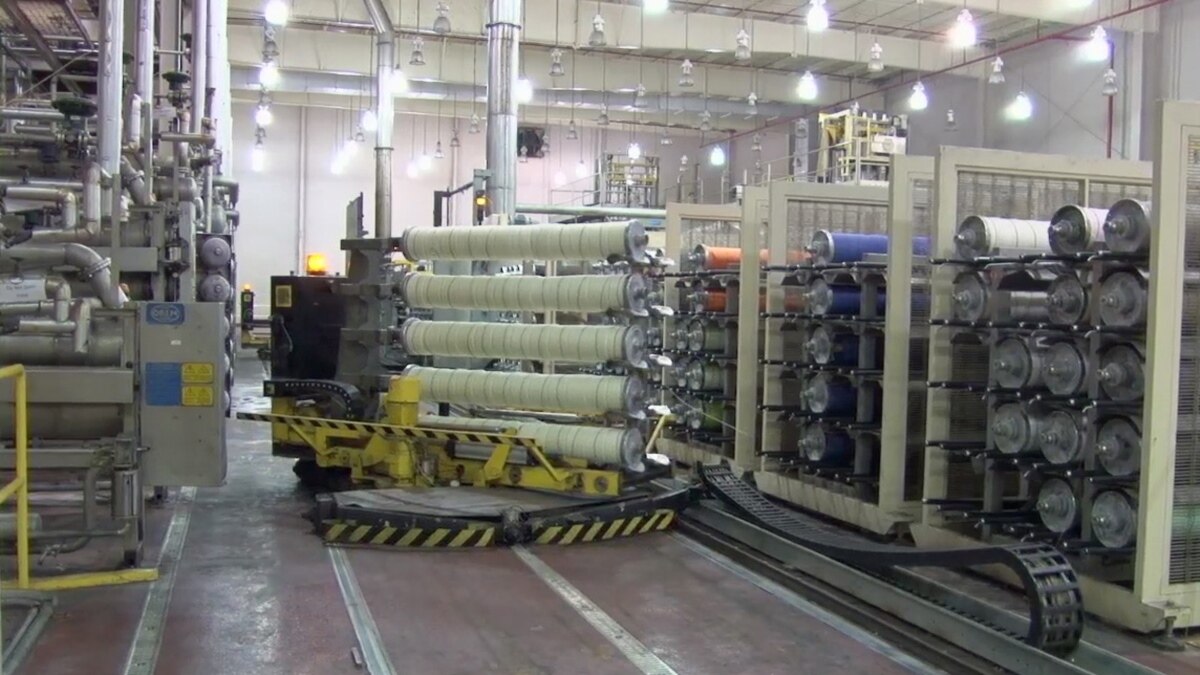
The American textile industry, once a titan of global manufacturing, has faced numerous challenges in recent decades. After enduring the blows of trade agreements like NAFTA, it appeared to be on the path to revival. However, a new threat has emerged, not in the form of sweeping trade deals, but rather a seemingly minor policy known as the "de minimis" loophole.
The De Minimis loophole
The De minimis policy allows the duty-free import of goods valued below a certain threshold, currently set at $800. This policy was originally intended to streamline the import process for low-value shipments, but the rise of e-commerce has transformed it into a major hurdle for domestic textile manufacturers.
The National Council of Textile Organizations (NCTO) paints a concerning picture. They argue that the De minimis loophole is being exploited by the booming e-commerce industry, allowing a surge of cheap imports to undercut domestic producers. This has resulted in the closure of several textile mills across the United States, impacting not only jobs but also the demand for US-grown cotton.
While acknowledging the influence of other factors like inflation, industry leaders like Andy Warlick, CEO of Parkdale Mills, emphasize the significant role de minimis plays in the current crisis. He reports, his company is operating at a mere 60 per cent capacity due to "devastating demand destruction," partially fuelled by the estimated 1 billion Dde minimis shipments annually. A staggering half of these shipments are comprised of textile and apparel goods, directly competing with American-made products.
Balancing trade and domestic needs
The NCTO urges Congress to take immediate action by closing the De minimis loophole. They fear that without intervention, the already struggling industry will face further decline. This situation exemplifies the complex challenges faced by US manufacturing in the 21st century. The industry is caught in a tug-of-war between the forces of globalization, which promotes free trade and international competition, and the growing domestic pressure for revitalization and job creation.
This issue extends beyond the boundaries of the textile industry, sparking a debate about the delicate balance between promoting economic growth through international trade and protecting domestic industries and jobs. Striking this balance effectively requires careful consideration of all stakeholders: Consumers who benefit from readily available and often cheaper imported goods; domestic manufacturers and their employees whose livelihoods depend on a healthy domestic industry. Also it has implications for the broader economic landscape of the nation as a strong manufacturing sector contributes significantly to the overall economic health.
A reminder of unintended consequences
The De minimis loophole issue serves as a stark reminder of the unintended consequences that seemingly minor policies can have on entire industries. As policymakers navigate the complexities of international trade and domestic economic development, addressing the De minimis loophole requires a nuanced approach. This approach should balance the needs of all stakeholders while ensuring a healthy and competitive future for the American textile industry.
It is important to note that this is a complex issue with no easy solutions. Further research and analysis are needed to fully understand the economic impact of the De minimis loophole and to develop effective policy solutions that consider the needs of all stakeholders.
American Eagle Outfitters eyes $6 billion revenues by fiscal 2026-end
Building upon its robust fourth-quarter results, American Eagle Outfitters Inc aims to reach $6 billion in revenue by the end of fiscal 2026. Termed ‘Powering Profitable Growth,’ the strategy aims to bolster the company's core brands while expanding its market presence.
Led by Jay Schottenstein, Executive Chairman and CEO, this strategic vision of the company focuses on amplifying American Eagle and Aerie's positions in the casual apparel market. It involves significant investments to augment the namesake banner and accelerate the growth of Aerie and its activewear brand, Offline. The company also intends to optimise operations and exercise financial discipline to sustain growth and profitability.
In the latest quarter, American Eagle reported earnings that surpassed analyst forecasts, buoyed by strong consumer demand and reduced markdowns. While net income dipped to $6.32 million compared to $54.6 million in the previous year, adjusted earnings exceeded estimates to reach $0.61 per share. The company attributed $131 million impairment and restructuring charge to realign its Quiet Platform logistics business with its long-term strategy.
Outpacing estimates, the company sales surged by 12 per cent to $1.68 billion, with store revenue increasing by 10 per cent and digital revenue surging by 19 per cent. Aerie experienced a 16 per cent growth in revenue to $538 million, while American Eagle’s revenue grew by 11 per cent to $1.1 billion. The company’s comparable sales also showed healthy growth for both brands.
Further, the company anticipates sales in the current quarter to surge by mid-single digit percentage while it expects them to rise by 4 per cent during the full year.
As of the fiscal year's end, American Eagle operated 1,182 stores, comprising 851 American Eagle outlets, 310 Aerie locations (including Offline), along with Todd Snyder and Unsubscribed stores.











