


FW
Intertextile Shanghai Apparel Fabrics to showcase latest developments
To be held from April 14-16, 2022, the Spring Edition of Intertextile Shanghai Apparel Fabrics will offer latest and most innovative products currently driving and thriving off the developments in the market. The fair will show sustainable and athleisure products that will continue to dominate new trends in the fashion and apparel industry.
With years of expertise, Messe Frankfurt has been a pioneer for promoting and developing sustainable initiatives through trade fairs in the textile sector. Green fabrics, fibres and solutions can be found not only in the All About Sustainability zone, but across all product group zones such as Beyond Denim, whilst high-performance fabrics for sports and outdoor wear will be on display at the Functional Lab, Messe Frankfurt said in a press release.
Long-term exhibitors at Intertextile apparel, BossaTicaretVeSanayiIsletmeleri TAS from Turkey, are among the suppliers constantly innovating to achieve a more green future. Since launching their eco-friendly RESET series in 2006, each season the collection evolves further, using organic cotton, natural chemicals & dyestuff whilst manufacturing 100 per cent recycled denim from recycled cotton / PET.
This spring, they will display their new S/S 22-23 products at the Beyond Denim zone, including their ‘Future Healing’ blend denim made from man made cellulosic and natural fibres. High-tech materials such as hemp, soybean, Repreve, Naia, Ciclo, and Smartcell are paired with clean indigo styles that make it the perfect choice for a seasonless style. The production process retains quality whilst using less water and energy consumption, demonstrating how innovation can meet luxury, without compromise.
Pandemic has made brands, consumers price sensitive: CMAI
Clothing Manufacturers Association of India (CMAI) believes, the pandemic has made both apparel brands and consumers more price conscious even though the badly hit sector is poised to clock 75-80 per cent of pre-pandemic revenues by FY22 on the back of a strong recovery.
Brands are looking at tweaking their design specifications to become more price competitive, says Rahul Mehta, Chief Mentor CMAI. They have also learnt to work with lesser inventory, finance and manpower than before the pandemic, the timelines have become shorter and there is greater pressure to avoid excess stocking, he adds.
Last week, CRISIL Ratings estimated that the brick-and-mortar apparel retail sector’s revenue will grow at an average of 20-25 per cent year-on-year in FY22, after declining 40 per cent year-on-year in FY21 because of Covid-19. This was an upward revision of their previous estimate of 15-20 per cent growth. The sector was badly hit during the pandemic. However, sharp recovery seen in the second and third quarters this fiscal, and the expected healthy performance in the fourth quarter, is expected to propel revenue to 75-80 per cent of the pre-pandemic level adds AnujSethi, Senior Director, CRISIL Ratings.
Prada returns to profitability in 2021
Prada SpA returned to profitability in 2021 due to a sharp acceleration in retail sales, including online, and a growth in all product categories, especially in the Americas and Asia-Pacific markets.
In the 12 months ended Dec. 31, Prada’s net profit climbed to €294 million compared with a net loss of €54 million in 2020. In 2019, net profit amounted to €256 million, but that figure was lifted by the Patent Box tax benefit.
In 2021, revenues totaled €3.36 billion euros, climbing 41 percent from €2.42 billion in 2020. Compared with 2019, sales rose 8 percent. In the second half of 2021, sales grew 16 percent compared with the same period in 2019.
In 2021, retail sales climbed 40 percent to €2.93 billion compared with 2020, and 15 percent compared to 2019. The growth last year was driven by full-price sales and local spending with a strong acceleration in the second half of 2021. The trend further accelerated in the year as the group’s retail sales the fourth quarter rose 24 percent compared with the same period in 2019.
Online sales accounted for 7 percent of retail sales, growing fivefold compared with 2019. Compared with 2020, they rose 61 percent.
Puma’s revenues outpace combined sales by rivals
German sportswear maker Puma recorded more revenues during FY21, than the combined sales of its rivals - Adidas, Nike, and Reebok - last fiscal year. With revenues of Rs 2,044 crore Puma surpassed footwear company Bata for the first time in sales. It also outsold sports retailer Decathlon and apparel brands Hennes&Mauritz (H&M) and Zara, according to the latest filings with the Registrar of Companies.
The demand for fitness wear and sports equipment for sporting disciplines other than cricket has expanded in India. Last year, Puma sold 1.2 lakh pairs of footwear and opened a new store every week on average to take the total outlet count to 411. The brand also generated robust online demand as it had invested in e-commerce a few years ago.
Despite restrictions, Puma continued to invest in retail expansion, local supply chain and new products at a time when most others were considering store closures and cutting down inventory size.
Perseverance, innovation help Bangladesh grow garment exports to India
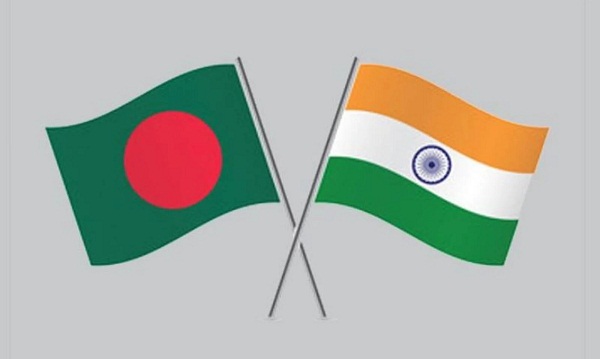
Bangladesh is fast emerging as a highly lucrative market for Indian consumers look to buy cheap ready-made garments. The country is home to several local and international brands and merchants setting up production units and increasing their sourcing from the country.
A robust supplier of formal shirts, tops, denim trousers, underwear, polo shirts, T-shirts, and bottoms to India’s middleclass, Bangladesh supplied garment products worth $365.94 to India's middle class from July to December this fiscal year. Garments worth $365.95 million were supplied during the period an increase of 58.07 per cent in exports from the same period last year.
Widening middle class fuels demand
Demand for Bangladesh garments in India is being driven by growing middle-income groups. Many Indian stores offer western clothing from Bangladesh. Garments are imported from Bangladesh and sold in the Indian markets. A few retailers also import clothing items from Dubai to make orders with Indian manufacturers, who then purchase items from Bangladesh.
As Md Shahidullah Azim, Managing Director, Classic Fashion Concept says, a large number of Indian manufacturers are making orders in Bangladesh and re-exporting them to other nations. Another leading Bangladeshi apparel manufacturer, Ananta Group sells garments worth $1 million in India each year, informs Sharif Zahir, Managing Director. India also permitted duty-free import of Bangladeshi garments under the SAFTA agreement in 2010. This has helped boost imports steadily.
Geographical proximity, cheap transportation drive export
RMG exports from Bangladesh are on the rise due to its geographical proximity to India. The country offers cheap transportation encouraging importers to acquire items for both local and global brands. Bangladesh now aims to boost garment exports with new government initiatives and improvement in bilateral connectivity between the two nations. For the first time, Bangladesh's exports to India are set to exceed $2 billion by the conclusion of this fiscal year, says Faruque Hassan, President, BGMEA. In June 2022, BGMEA will attend a clothing trade event in Bengaluru comprising exhibitors from Bangladesh, Myanmar, and Vietnam. The association will also send a business team to India to examine commercial and investment opportunities in Bangladesh.
Adapting to changing demands
The ability of Bangladesh's RMG exporters' to recover quickly from the pandemic is an indication of its perseverance, resilience, and innovation. These attributes are helping RMG exporters adapt and evolve with customers’ changing needs and bridge trade deficit with India.
Textile sales of select Indian companies grow 30% in 9MFY22: Wazir Advisors
The latest textile index of 10 companies done by Wazir Advisors show sales and EBITDA recorded a tremendous growth during the nine months in fiscal 22. The 10 reviewed companies were: Welspun India, Vardhaman Textile, Arvind Ltd, Trident Group, KPR Mills, Indo Count India, RSWM, Filatex India., Nahar Spinning Mills and Indorama Indi.
Sales grow by 30%
The Wazir Textile Index shows overall sales of the 10 companies under review grew 30 per cent compared to 9M FY20. Consolidated sales grew 14 per cent to Rs 38,094crore as against Rs 29,195 crore in 9MFY20. EBITDA margins improved almost 75 per cent during the fiscal year 2022 compared to the EBITDA in 9M FY20. Average EBIDTA margins of these companies grew 5 per cent, 17 per cent and 20 per cent CAGR respectively from 2020-2022.
Raw material and other costs decline
In terms of expenses, the average raw material costs of these companies decreased 4.0 percentage points to form 60 per cent of overall sales during the period. Their average employee costs decreased 1.0 sales percentage points during the nine-month period compared to 9MFY20. Other expenses decreased by 1.0 percentage points during the period compared to 9MFY20.
Apparel outpaces textile growth
The consolidated earnings of these companies have seen significant recovery since FY21. The Index of Industrial Production Index (IIP) recovered to pre-COVID levels. While IIP for he apparel category increased by 78 per cent during 9MFY22 as compared to the corresponding period in FY, the average Wholesale Price Index (WPI) for apparels increased 3.5 per cent compared to textiles which went up 12 per cent each in 9M FY22 as compared to 9MFY20.
11% growth in textile and apparel exports
Textile and apparel exports of grew at 11 per cent CAGR during 9M FY22 since 9M FY20. Export of fibers recorded highest growth of 58 per cent followed by 36 per cent growth in yarn exports. In Q3 FY22, fiber exports grew at 50 per cent CAGR as export of cotton increased due to US ban on cotton purchases from China. India’s textile exports to the EU declined from 23 per cent to 14 cent whereas exports to Bangladesh increased to 11 per cent from 7 per cent seen during the same period last year.
Imports decline 3%
Overall textile and apparel imports by these ten companies declined 3 per cent during 9M FY22 as compared to 9M FY20. Import of filament yarn grew 24 per cent CAGR since 9M FY20. However, import of fiber and home textiles declined during the period as compared to 9M FY20.
China dominates T&A imports from India
China continues to be the largest importer of textiles and apparels from India with a share of 41 per cent in 9M FY22. However, the country’s import share declined 4.0 percentage points from the corresponding period of 9M FY21.
EU’s import of share of textiles and apparels from India also declined 6 per cent in 9MFY22 compared to 9M FY20 in 9M FY22. Imports were hit by multiple nationwide lockdowns and restricted movements. However, in recent times EU-27 countries have been increasing imports from countries like China, Bangladesh, Turkey, India and Pakistan.
WRAP, BGMEA renew partnership
The Worldwide Responsible Accredited Production (WRAP) and the Bangladesh Garment Manufacturers and Exporters Association (BGMEA) have renewed their longstanding partnership for another year under a newly revitalised memorandum of understanding (MoU).
The MoU was signed by AvedisSeferian, President and CEO, WRAP, and Faruque Hassan, President , BGMEA,.
Under the agreement, WRAP will develop a series of training courses for BGMEA members which will be available at no charge and will be held either virtually or in-person, circumstances permitting.
Additionally, the association's affiliate program dedicated to the development of human resources in Bangladesh's readymade garment (RMG) and textiles sectors, BGMEA University of Fashion & Technology, will facilitate WRAP training for students, employees, and independent auditors. The agreement also covers additional commitments regarding events and sponsorships.
Next textile unicorn should come from ICT: PiyushGoyal, Commerce Minister
PiyushGoyal, Union Minister of Commerce & Industry, Consumer Affairs, Food & Public Distribution and Textiles, said the next Textile sector Unicorn should come from the ICT.
Addressing the e-Summit 2022 of the Institute of Chemical Technology, Mumbai on Atmanirbhar Renaissance, he called upon the ICT students to take the leadership in Tex-preneurship, the Textiles sector entrepreneurship.
Goyal said the ICT has played an important role in making India Aatmanirbhar, particularly in the Chemicals and Pharma sectors. The government is working as an enabler and has taken transformational initiatives to promote the textiles sector, including the PLI, setting up of 7 mega textile parks, launching the National Technical Textiles Mission (NTTM) to position India as global leader in Technical Textiles and 31 projects have been already approved.
Goyal said India is going through the Aatmanirbhar Renaissance. It has become a global leader in digital transactions within 5 yrs of UPI launch. IIt has the3rd largest Startup ecosystem today, over 65,000 Startups registered in five years, more than 90 Unicorns and lakhs of jobs created by these Startups.
Goyal added,the current decade is the ‘Tech-ade’ of India, a decade where technology and innovation will be the driving force of India and our economy.
Bangladesh targets tenfold rise in leather exports earnings
Bangladesh aims to increase export earnings from leather and leather goods by tenfold over the next nine years.
As per the Business Standard report, the commerce ministry is drawing up a ten-year perspective plan, which includes a target to increase the leather sector's export earnings from below $1 billion to $10-12 billion by 2030.
If Bangladesh can live up to the target, it will be among the top ten global exporters in the sector, says Shaheen Ahmed, President, Bangladesh Tanners Association.
Leather Working Group's certificates are important in attracting foreign buyers. If factories are not fully compliant, it is not possible to get this certificate. And to get foreign buyers and higher prices for products, it is a must, he adds
He called for the government's policy support and said foreigners are now buying leather goods at lower prices due to poor compliance. The price will go up once the factories get compliant. Export income will also increase.
Denim Deal lays groundwork to achieve sustainability goals by 2023
The Denim Deal, officially known as the Dutch C-233 Green Deal on Circular Denim, is laying the groundwork for its mission to promote the use of high-grade post-consumer recycled cotton (PCR) by 2023.
. Using data from seven of its 38 signatories, including recyclers, producers, brands, retailers and public authorities, the group published a report that will serve as a baseline for achieving the Denim Deal’s goals.
Established in October 2020 in Amsterdam with 28 parties, the Denim Deal signatories committed themselves to the joint approach of working as quickly as possible toward a new industry standard at 5 percent PCR cotton used in the production of all denim garments. A public-private initiative, the Denim Deal was established by the Dutch Government, following the EU Green Deal and Circular Action Plan.
With December 2023 as the common target, brand and retailer signatories aim to achieve a minimum of 5 percent PCR content in their own denim collections; set and achieve higher goals for PCR content; and commit to “individual ambitions” designed to meet the joint goal of using 20 percent PCR cotton in 3 million pairs of jeans.
Signatories include local companies like PVH Europe, Scotch & Soda and Kings of Indigo, as well as Calik Denim, Ereks and Recover from the supply chain.











