FW
AMSilk GmbH to display premium biofabricated yarns at PittiImmagineFilati
Leading innovator in advanced biomaterials made from spider-silk based proteins, AMSilk GmbH, will display its collection of premium biofabricated yarns at PittiImmagineFilati. The event is scheduled to be held from June 25-27, 2024 in Florence, Italy.
The only company to successfully produce filament yarns form spider silk proteins, AMSilk aims to connect with other players in the luxury textile market and explore new opportunities for commercial collaboration and co-creation at PittiImmagineFilati.
AMSilk provides disruptive material solutions to help the world's leading brands address their carbon footprint with superior biofabricated yarns, opening up new opportunities to reinvent fashion.
Produced through biofabrication, AMSilk's fibers and yarns offer significant potential as future material solutions. These range from super fine yarn for silk-like premium fabrics to technical yarns for automotive interiors. These protein formulations are free from animal-origin substances or fossil-based raw materials, leaving no microplastics behind. At the end of their lifecycle, they are verifiably biodegradable or recyclable. Being biofabricated, these materials can be customised at a molecular level to meet specific market or product requirements.
A premier event for innovative yarns, PittiFilati attracts the most prestigious and influential brands and designers from around the world, says Benoit Cugnet, Head - Fiber BU, AMSilk.
Mango Home expands with Nuria Font as the new Director
One of Europe's leading fashion groups, Mango is expanding its home textiles range with the appointment of Nuria Font as the new Director for Mango Home.
This strategic move will help solidify Mango's position as a major player in both the retail and fashion sectors across Europe and India.
Previously engaged as Director, Mango-Wholesale Department, Fontwill take on her new role in June. She holds a degree in Business Administration and Management from the University of Barcelona (UB), a PDD in Management from IESE Business School - University of Navarra, and a DIBEX (Digital Business Executive Program) from ISDI.
Over nearly two decades of her career at Mango, Font has held various key positions within the company including B2B Key Account Manager for the Asian and Middle Eastern markets, Head of the Wholesale Department, and Project Manager. Since 2017, she has been leading the wholesale franchise team.
Before joining Mango in 2006 as the Product Manager in Commercial Product Management (CPM), Font was engaged as an auditor at KPMG. Her appointment as the new director for Mango Home aligns with the brand’s new Strategic Plan for 2024-2026, which aims to enhance Mango Home's value proposition and reinforce its market position.
Nuria Font succeeds Laura Vila, who will be pursuing new professional opportunities after seventeen years with Mango. Vila led the launch of the Mango Home line.
IAF and ITMF unite for historic Fashion Convention in Samarkand, Uzbekistan
For the first time in history, the International Apparel Federation (IAF) and the International Textile Manufacturers Federation (ITMF) are joining forces to host the 39th IAF World Fashion Convention in Samarkand, Uzbekistan, from September 7-10. This landmark event, themed “Innovation, Cooperation & Regulation – Drivers of the Textile & Apparel Industry,” will gather the entire textile and apparel supply chain.
The joint convention underscores the critical role that apparel and textile manufacturers play in driving industry-wide solutions. From reducing the environmental footprint of garments to ensuring the seamless flow of information needed for initiatives like the European Product Passport and 3D digital design, collaboration between spinners, weavers, knitters, and sewing operations is essential.
IAF and ITMF, along with their mutual Uzbek member Uzbektekstil, will bring together raw material suppliers, spinners, weavers, machine suppliers, garment manufacturers, brands, retailers, solution providers, and educators. This event will not only foster innovation and cooperation but also introduce the Uzbek textile and garment industry to global stakeholders through an engaging conference program and factory visits.
Set against the stunning backdrop of the ancient Silk Road city of Samarkand, the convention promises a blend of insightful discussions, social events, and networking opportunities. The venue's rich historical context enhances the event’s appeal, offering attendees a unique experience in a country poised for a bright future in the industry.
IKEA launches new collection of pre-cut fabrics
IKEA has launched a new collection of twenty 3-m pre-cut fabrics designed to ignite creativity and foster connections through the power of textiles. Known as Tyg, the collection has been created by 13 designers from diverse backgrounds.
The 20 dynamic patterns and colors of the collection reflect Scandinavian modern design that invites everyone to explore endless possibilities for personalisation.
Offering endless possibilities for personalisation, the collection invites individuals to transform spaces and express their unique aesthetics. It encourages the care, repair, and recreation of textiles thus allowing individuals to refresh existing items rather than replacing them.
Besides inspiring individual creativity, Tyg celebrates the collective aspect of handcrafting—bringing people together to share skills and create lasting bonds. By highlighting the versatile medium of textiles, IKEA honors the rich traditions of sewing and quilting that unite diverse cultures, fostering memorable connections with family, friends, and communities.
The Tyg collection will be available in the US and globally beginning July 2024 for 24 months, with four additional patterns supporting seasonal drops in the second half of 2024.
Mayer & Cie presents circular knitting portfolio at ITM 2024
Mayer & Cie presented its circular knitting portfolio featuring two machines – the SF4 3.2 III and the Relanit 3.2 HS II at the ITM 2024 in Istanbul. The company also displayed certain smart solutions for increased knitting efficiency like the knithawk tool used to detect knitting defects optically and the company’s digital solutions hub, knitlink. Besides, the company showcased spare parts packages and conversion kits for used to maintain its machines at the exhibition.
Known for its high productivity in elastic plating, the Relanit 3.2 HS IIhandles a wide range of yarns reliably and consumes up to a third less energy than conventional circular knitting machines. It features an updated open-width take down, ensuring uniform pull-off tension and equipped with two separate drives for tensioning and rewinding. Another notable feature is a needle with a predetermined breaking point, developed with Groz-Beckert, which reduces downtime by preventing uncontrolled needle breaks. A new spring sinker, also a joint development with Groz-Beckert, enhances smooth operation and reduces noise and wear.
The SF4 3.2 III caters to the trend for lightweight, elastic three-thread knitted fabrics in both pure cotton and blends. It impressed with its excellent plating ability, saving time and costs in fabric finishing. Both machines were exhibited with the new Control 5.0 machine control system, which is essential for utilisingknitlink. This system allows more in-depth settings from a mobile device, enabling simultaneous operation of multiple machines. All machines built from 2001 onwards can be retrofitted with Control 5.0, and new machines from 2024 will come equipped with it.
The knithawk tool inspects knitted fabric in real-time, stopping the machine upon detecting significant errors and creating an error log. This feature helps conserve resources by preventing the production of defective fabric.
Mayer & Cie. also presented upgrade and conversion kits including the Performance Kit for Relanit 3.2 models and the Senso Blue RS lubrication system. Conversion kits for the MV4 3.2 II/MBF 3.2 and the S4-3.2 II/ SF4-3.2 III models were made available during the exhibtion.
Rieter to launch first full J 70 air-jet spinning system
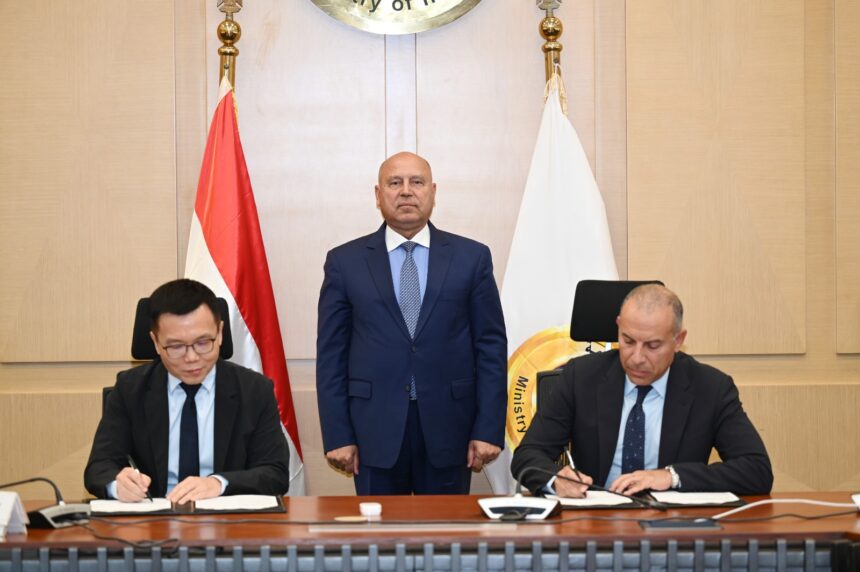
Guangxi Baisheng Textile Co., Ltd. has signed an agreement with Rieter to implement the world’s first complete spinning process using Rieter’s latest air-jet spinning technology, the J 70. This innovative project aims to elevate automation levels and reduce conversion costs, setting a new benchmark in air-jet spinning quality and productivity.
The expansion of Baisheng’s air-jet spinning capacity with the J 70 is driven by its exceptional productivity, which will help ensure a steady yarn supply for its knitting operations. The J 70 features 200 individually automated spinning units that efficiently manage quality cuts and natural ends, delivering speeds of up to 600 meters per minute and supporting up to four lots simultaneously. Additionally, the latest generation yarn clearer identifies weak yarn during production, ensuring top quality.
The existing Rieter cards, draw frames, and winding machines at Baisheng Textile, along with Rieter’s superior after-sales service, have established a strong foundation for this successful collaboration. This partnership aims to set a new industry benchmark by enhancing the quality and productivity of air-jet spinning.
Michael Hubensteiner, Country Managing Director of Rieter China, expressed pride in building the world’s first complete air-jet spinning system with J 70 technology in partnership with Baisheng Textile. This collaboration is expected to enable Baisheng Textile to achieve new levels of competitiveness and industry leadership.
Staubli presents new automatic drawing-in machine at ITM 2024
Staubli presented its new automatic drawing-in machine-the Safir PRO S67- at the ITM 2024 Exhibition held in Istanbul
Designed to meet the demands of today’s fast-paced and competitive fabric production environment, the Safir PRO S67 ensures the creation of perfect warp beams, optimising weaving processes and reducing warp-related machine stops. This leads to improved weaving efficiency, productivity, and the production of high-quality A-grade fabrics.
With its performance driven by novel and enhanced features, The Safir PRO S67 employs high-tech features for quick recognition of yarn colors, characteristics, and repeat patterns through Active Warp Control 2.0 (AWC 2.0). This system utilises advanced optics, sensors, and algorithms to streamline the weaving process.
Additionally, the SafirS67 can be equipped with Initial Condition Setting (ICS), which facilitates fast start-up by using predefined machine parameters. This feature significantly speeds up the drawing-in process, achieving rates of up to 200 ends per minute, thereby ensuring a high production rate. The machine's remote control capabilities allow it to be linked to a secure data cloud, offering Active Productivity & Drawing-in Control (APC).
The Safirautomatic drawing-in machines enable perfect monitoring of various parameters during the drawing-in process. Machine pre-settings can be easily adapted to different yarn types, with kits available for specific needs such as wool or fancy yarns. These hardware and software adaptations enable a quick start-up of the drawing-in process.
F abric quality cannot be monitored during the weaving process itself; instead, it is controlled beforehand through the automatic production of perfect warp beams on the SAFIR PRO S67. Stäubli’s AWC 2.0 technology ensures the quality of the final product by eliminating misaligned yarns that can lead to weaving machine stops and secondary quality woven fabric.
AWC 2.0 controls and monitors the drawing-in process based on continuously measured yarn properties and programmed draw-in repeat. Optical, non-contact recognition and measurement of yarn properties is the essential function of AWC 2.0, allowing the determination of titre, color, twist direction, and even hairiness, transparency, and monofilament or multifilament characteristics.
Based on the measured yarn titres, AWC 2.0 detects double ends, stopping the machine for inspection if a double end is indicated. This ensures accuracy even when warps with yarns of various titres are drawn in.
Staubli offers a dedicated clamping system for stationary drawing-in stations, ensuring efficient processing of double warp beams or two-layer beams. ICS optimises the overall drawing-in process according to specific application requirements, allowing weavers to expand their range of applications to include glass yarns as well as technical and fancy yarns.
EU’s new ecodesign regulations likely to impact smaller Indian exporters
Imposing stringent sustainability requirements on all products within the bloc, European Union's new ecodesign regulation is poised to impact Indian exporters, especially smaller businesses. Banning the destruction of unsold textiles, the regulation is likely to reduce the number of new orders.
Mandating, mandate product durability, reusability, and energy efficiency, the new guidelines align with other EU measures such as the carbon border adjustment mechanism (CBAM) and deforestation regulations. Considered a unilateral move, the CBAM may face challenges at the World Trade Organization (WTO). The ecodesign regulations will take effect 24 months after being published in the official journal.
According to the EU website, the ecodesign requirements aim to reduce the environmental impact throughout a product's lifecycle by ensuring energy efficiency and other sustainability measures.
Replacing the existing ecodesign directive, the new regulation broadens its scope to include all goods sold in the EU market, beyond just energy products. It encourages public procurement of green products by applying ecodesign criteria and aligns with the Digital Services Act for online sales.
The regulation covers a wide range of products, with exceptions for items like cars and defense-related goods. It introduces requirements for product durability, reusability, upgradability, reparability, and energy and resource efficiency. Additionally, it includes norms related to substances that restrict circularity, recycled content, remanufacturing, recycling, and environmental footprints.
Mithleshwar Thakur, Secretary General, AEPC, advises the government to address the issue before engaging in bilateral talks with the EU. Sudden changes like these might particularly affect small players, he says.
Describing the regulation as a non-tariff barrier, another industry representative urges the government to highlight the concern during free trade negotiations, as these norms could negate the benefits of any tariff cuts being negotiated.
Sourced Sri Lanka attracts visitors from 28 countries
Organised by the Sri Lankan High Commission, fashion textile trade show- Sourced Sri Lankaattracted ambassadors, high commissioners, and a high-level diplomatic community from around 28 countries. This helped create a vast international audience for the showcase.
Some of the noted dignitaries at the event included RohithaBogollagama, Sri Lankan High Commissioner to the United Kingdom, several lords, barons and top UK business leaders.
The country’s largest export sector - the Sri Lankan Textile & Apparel Industry -generated export revenues worth $4.5 billion in 2023. The sector accounted for 42 per cent of Sri Lanka’s total merchandise exports.
Most of the apparels from Sri Lanka were exported to western countries including the US, the UK and the EU.
Despite exports dropping by 19 per cent in 2023, the apparel sector remains a crucial contributor to Sri Lanka's economy, accounting for 7 per cent of the GDP.
Dolce & Gabbana, Ralph Lauren present menswear shows in Milan
Both Dolce & Gabbana and Ralph Lauren presented menswear shows inspired by the Riviera in Milan recently.
The Spring-Summer 2025 menswear collection by Dolce &Gabbana epitomised the Riviera playboy look. The collection featured black jerkins, cabans and mess jacks made from the traditional straw fabric, Raffia. Ideal for the hot Italian summers, collection wove the Raffia fabric strands into houndstooth patterns for cardigans and espadrilles.
Designed by Domenico Dolce and Stefano Gabbana, the lightweight collection, included crepe slacks, pants, and shirts embroidered with pink coral bugle beads. Set against a simple white proscenium, the show marked a shift towards optimism in fashion during challenging times.
On the other hand, presented in the carpeted courtyard of his villa in Central Milan, Ralph Lauren's Spring/Summer 2025 collection added a contemporary twist to the classic classicism. Dubbed ‘Ralph’s Riviera,’ the collection blended ideas from St Tropez to Saint-Jean-Cap-Ferrat with Lauren’s polished prep, worn by a handsome cast.
Featuring combinations like dark pants and a white-tie waistcoat paired with a blue linen safari jacket, the collection also offered sea blue paisley and a thick silk tie. Perfectly suited for a Mediterranean setting, the collection ushered in a new era of gentlemanly chic.