FW
New BrandZ reports reflects economic impact of COVID-19
The 2020 BrandZ Top 75 Most Valuable Indian Brands report released by WPP and Kantar reflects the impact of the economic slowdown caused by the COVID-19 pandemic. The top 75 brands together were valued at $216 billion, a decline of 6 per cent over the 2019 ranking value. The slowdown in valuation has been caused by a significant decline in the brand value of banking and auto sector brands.
HDFC Bank was India’s top brand worth $20.3 billion, claiming the top spot for the seventh consecutive year, and contributing to banking being the leading category in this year’s ranking worth a total of $42.1 billion in brand value. The bank was also ranked number 59 in the 2020 BrandZ Top 100 Most Valuable Global Brands report.
Flipkart and D-Mart saw their brand value increase significantly, while instant food brand Maggi had one of the highest brand value growth figures (46 per cent) this year. Reliance Retail was the fastest riser this year, up 30 places.
Airtel (no.4, +36 per cent, $13.9 billion) was the top telecom brand, while Jio saw its value increase 26 per cent. One of five new entrants, BSNL (no. 75, $583 million) also benefitted from the overall uplift in the telecom category, which contributed $25.5 billion to the ranking this year.
The banking sector which has 20 per cent share of the brand value of the top 75 brands saw a decline of 21 per cent. In case of banking too, the decline is the result of the issues the sector has been facing over the past couple of years, compounded by the crisis caused by the pandemic.
The outlook for the coming months is on the positive side since key sectors like FMCG and auto are already seeing some recovery. If this continues, the overall brand value recovery will be faster.
Messe Franfurt North America to introduce ‘Pop-up Sourcing Showcase’
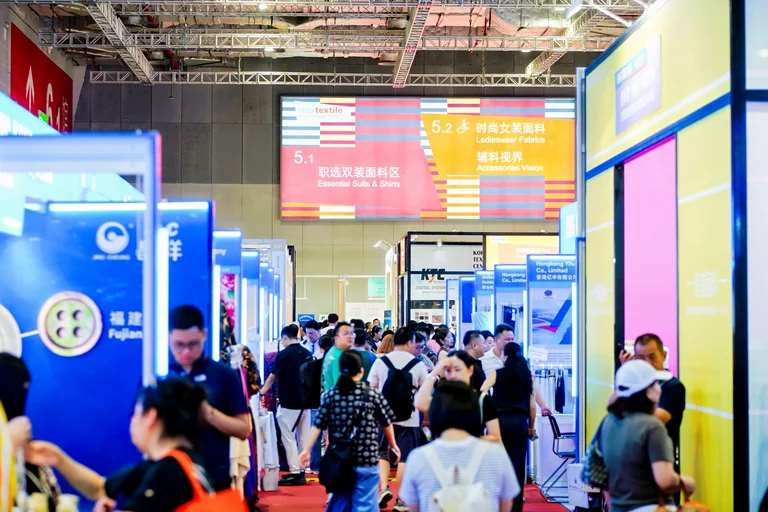
Messe Frankfurt North America, organizer of Texworld and Apparel Sourcing in the States, plans to introduce a ’Pop-up Sourcing Showcase’ at the upcoming edition of its New York textile shows.
The virtual platform will take place January 12-14, 2021; along with the Pop-Up Sourcing Showcase that will join the traditional trade show floor presentation at New York City’s Javits Center.
The ’Pop-up Sourcing Showcase’ is a dedicated area on the show floor that will feature a display of fabrics and garments provided by mills from around the globe who cannot be present at the event. Suppliers are asked to submit the best of their collections to be curated by New York-based trend agency, The Doneger Group.
The “Pop-up Sourcing Showcase” is also streamlined and integrated with the virtual platform giving visitors an interactive sourcing experience. Guided by textile and apparel experts on-site, visitors will be able to touch and feel the fabrics, receive detailed product information through the virtual platform and communicate with participating exhibitors virtually.
Curve-NPD Group team up for first Excellence Awards
The virtual trade show circuit Curve and the market research firm NPD Group teamed up to host the first Curve & NPD Excellence awards, honoring some of the most prominent names in the intimates apparel industry.
Curve, run by Eurovet Americas, produces lingerie and swimwear trade shows several times a year. Curve Connect, the digital version, was created earlier this year in response to the pandemic and also includes weekly webinars with leaders from the At the Curve Trade Show pre-pandemic. A number of lingerie and swimwear brands display products at the show each season while retailers from around the world come to see what’s new. Courtesy Photo Charles Roussel
Kicking off the evening will be Curve, with awards in five categories: the Philanthropic award, Lifetime Achievement award, Education Excellence award, Curve Congeniality award and the Comfort Project awards for charitable excellence, which honors 14 brands.
Larisa Olson, owner of Chantilly Lace, a lingerie shop in Wilmette, Ill., won the Philanthropic award for creating the Comfort Project, which filled gift bags with unmentionables, like bras and panties, and donated them to nurses working on the front lines of the COVID-19 crisis in the Chicago area.
72nd MBFWMadrid welcomes 6,000 visitors
The 72nd edition of MBFWMadrid welcomed around 6,000 visitors from September 10-13, 2020.
The greatest Spanish fashion show, organized by IFEMA, hosted its most special edition with rigorous safety measures which allowed the organization to host catwalks with an audience and to ensure the diffusion of the exclusive content to everyone via the new digital platform.
Sixteen prestigious designers and nine young talents presented their new collections in different formats. Andrés Sardá, Devota&Lomba, Hannibal Laguna, Ágatha Ruiz de la Prada, Marcos Luengo, Dolores Cortés, Dominnico, Ángel Schlesser, Pertegaz, Brain&Beast, Custo Barcelona, Isabel Sanchís – designer from Valencia participating in this event for the first time – and Maison Mesa -first time with a catwalk show in IFEMA exhibition hall No. 14.1 – chose the live show on the catwalk to showcase their new season collections. MALNE, Fernando Claro and Juan Carlos Pajares -who is also a new face in the IFEMA programme – chose to project Fashion films combined with liver performances.
Within the program, which aimed to promote fashion design talent, Samsung EGO, names which open the doors to Spanish fashion such as Paula Alegría (winner of the Samsung EGO Innovation Project), Paloma Suárez and Fátima Miñana, Marta Casal and Rubearth, Robber Rodríguez and Deyi, Accidental Cutting- Eva Iszoro and Peter Sposito Studio presented their work.
Ethics and sustainability will help retailers boost activewear sales post lockdown
 COVID-19 and its subsequent lockdowns have failed to dampen the spirits of fitness freaks. Even as gyms and fitness studios remained closed, people got their endorphin fix at home. Hence, sales of activewear remained strong, says a Drapers Online report. May sales figures of John Lewis indicate, during the lockdown, the retailer witnessed a massive surge in sale of gym kits and running shoes. Similarly, Marks & Spencer sold over 1,000 tops from its Good Move range on the first day its stores reopened post-lockdown.
New categories introduced
Retailers are gearing up to meet rising demand for activewear by introducing new fitness categories. London’s Selfridges set up a bike shop at its Oxford Street flagship. Besides cycling accessories and clothing, the shop also sells push bikes and electric bikes.
Leather accessories brand Vida Vida recorded a huge surge in demand for cycling related products like bike saddles and bike coffee cup holder. From April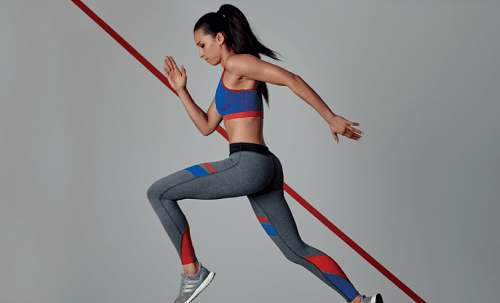 to June, the brand recorded 800 per cent increase in sale of saddle bags. The brand plans to extend all its leisure activities ranges in future.
Fitness brands and digital startups collaborate
Consumers are realizing the importance of exercise in boosting their immunity against the virus, says Nick Paulson, Founder, Ellis which saw a big surge in demand for home fitness products including yoga mats and resistance bands, at the start of lockdown. Sales at UK’s digital retailer The Sports Edit, which stocks brands like Nike, Adidas and Girlfriend Collective, rocketed by 200 per cent-300 per cent year on year during lockdown. Paulson believes, there will be greater collaboration between brands and digital fitness providers. Hence, his brand is looking to acquire home fitness start-up Mirror.
Brand Castore aims to invest in its European supply chain to ship products quickly. Thomas Beahon, Co-Founder noted a huge surge in sale of essential products such as training tops or running T-shirts since the lockdown
Quality and sustainability in focus
Consumers are looking for on-trend activewear that can easily be worn with their day-to-day wardrobe, points out Danielle King, Founder, Kiht Collective. Sustainability is also becoming a big focus as the pandemic and the subsequent lockdown made them politically and environmentally aware. Customers are also becoming more aware about their investments. They are investing in high quality pieces made by local and ethical brands. There is also growing focus on sustainable garments that express people’s values and ethics.
To benefit from the growing demand for fitness related apparels, brands and retailers need to add more cycling and home fitness products to their portfolio. Consumers expect activewear to reflect their personal style and help them make a fashion statement both in the gym and outside.
Artificial Intelligence, Internet of Things to be the future of fashion
 Artificial Intelligence has become an integral part of the fashion industry in the last few years. As per a TechParker report, designers and brands are embracing latest AI technologies like chatbots and touchscreens to push up production and marketing limits
Time and inventory with AI tools
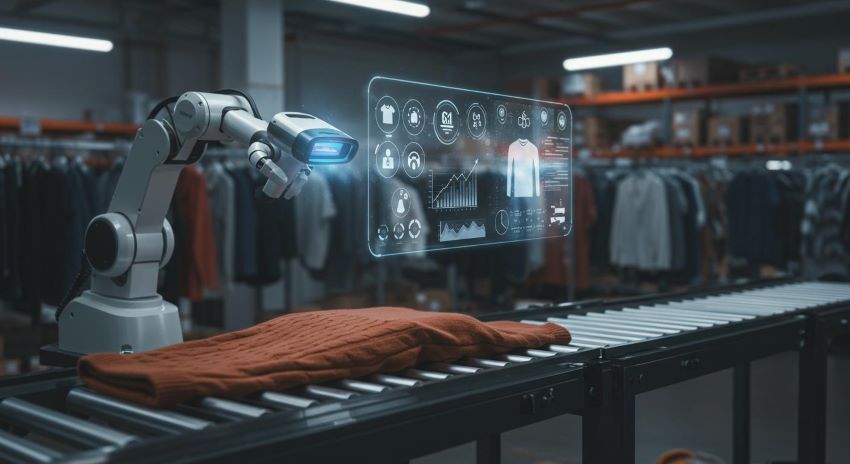
Some of the most profitable AI avenues for customers include trend forecasting and supply chain management tools. These tools help brands save time and manage their warehouses more efficiently. Combined with inventory tracking, these tools give a significant competitive advantage by providing instant access to data. The automated wardrobe planning tool launched by the British Fashion label Finery introduces women customers to a virtual wardrobe by using analytics. The platform also allows women to customize their wardrobes by choosing from over 10,000 shops.
Another brand Trufit, helps users find appropriate brands and styles through its online fit engine while Stylumia uses images, user behavior data, textual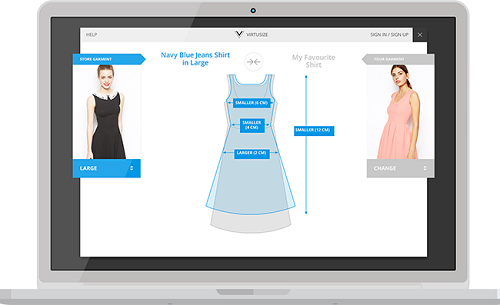 descriptions from social media and other sources to make its future decisions. Similarly, Intelligence Node allows users to track trends on a AI driven discovery platform where customers can track exact matches to products by entering specific keywords, user navigation patterns, price points, etc.
E-commerce platforms that connect with shoppers with sellers through live videos are leading the way in 2020. Videos can be livestreamed using new media formats on 5G that allow customers to try on their garments before purchasing them. New methodologies like Heuritech helps predict future trends by applying image recognition technology to social media pictures.
Smart clothing with IoT technologies
There has been significant development in smart clothing, wearable spaces, multi-functional designs and responsive sportswear in recent years. The rapid expansion of technologies like Internet of Things (IoT) has helped brands create apparels with digital capabilities including smart clothing, wearable spaces, multi-functional designs, responsive sportswear, etc. For instance, Nadix has developed a range of pants that have built-in sensors to correct users' posture by vibrating as they move through yoga poses. Similarly, Fuseprojects has launched power suits help the elderly suffering with muscle dystrophia to walk, stand and stay active for longer periods of time. San Francisco-based textile company Loomia creates soft flexible circuits that can be embedded into textiles for heating, lighting, sensing or data-tracking applications.
Monitoring data with new software tools
Internet and new software tools available help brands and factories receive real-time feedback and alerts from companies about defects or damaged goods. This not only saves their money but also help them eliminate waste and deliver adequate products at the right time. Enterprise resource planning (ERP) software IQMS can be used for monitoring and collecting the production data in real-time, as products are being made. Similarly, Cloud computing allows factories and companies to access relevant data, making for a faster and more effective way of communicating. Likewise, Techpacker’s cloud-based software allows its design teams and factories to learn about changes in tech packs in real time.
Mobile commerce to be next big opportunity
One of the fastest-growing sectors in ecommerce, mobile commerce or m-commerce is expected to reach $284 billion by 2020-end, predicts Insider Intelligence. Digital wallet options like Apple and Andriod Pay that constantly innovate with new technologies like fingerprint and facial recognition are poised to become the preferred payment for retail purchases.
A combination of ecommerce growth with mcommerce and social media can help brands remain in their customers' list of favorite channels and provide more opportunities for sale. Some of the companies that are combining their Augmented Reality with Virtual Reality include Obsess which allows brands and retailers to create to serve 3D 360 shopping experiences on their websites, mobile apps and social channels via a 3D Commerce Cloud; Avametric which enables brands to render real clothing virtually in 3D and also to customize them on digital body models for web, mobile, and AR which enables online fashion retailers to virtually illustrate the size to find the accurate fit for the products their customers choose.
Picanol launches new TerryPlus-i machine
Picanol has launched the new TerryPlus-i machine based on the OmniPlus-i which was introduced at ITMA Barcelona in 2019. This TerryPlus-i airjet machine was developed with four design principles in mind: smart performance, sustainability inside, driven by data, and intuitive control.
The unique pneumatical pile backrest ensures optimum loop formation regardless of fabric design. The rigid yet extremely light construction ensures a highly dynamic behavior, guaranteeing perfect loop formation for even the most complicated terry designs – be it very light towels or heavy bathmats. Put simply, this is by far the best pile compensation system ever!
Special attention was given to ease of use thanks to a completely new human-machine interface. The new display measures 15.6 inches and it is equipped with all of the functionalities you are familiar with from your smartphone: touch, swipe, and the latest connection possibilities: ethernet, USB, Wi-Fi, Bluetooth, and Near Field communication (NFC – this is the technology we use when making contactless payments).
The TerryPlus-i comes with two possible prewinders: the Blue 22 and the Blue 11 (the one with separate windings). Both are equipped with the easy set function which manages all settings electronically through the display. Consequently, there is no longer any need for tools or special keys to tune the prewinders. And all of this can be done without having to stop the machine, which enables you to optimize and reduce the waste length to an absolute minimum.
SAC, ZDHC, Textile Exchange, Apparel Impact Institute collaborate
Sustainable Apparel Coalition, ZDHC Foundation, Textile Exchange and the Apparel Impact Institute unveiled new partnerships to drive new efficiencies for the industry
This announcement came on the third day of the annual SAC global member meeting, which brings together brands, retailers, manufacturers and academia. Each organization declared its roles and commitments in letters of intent over four areas like program and tools, impact management and funding, global implementation and administration and infrastructure.
Regarding the first area, the organizations will specifically aim to connect complementary frameworks, like the Higg Facility Environmental Module and ZDHC’s Roadmap to Zero program and the Higg Brand and Retailer Module and TE’s Corporate Fiber and Materials Benchmark.
Although it is vague what exactly co-funding and resource sharing will look like, they are expected to be defined more concretely by year-end. As nonprofit search engine Guidestar showed, the SAC alone reported $3.7 million in net assets, a year prior to the Higg Co. technology business spin-off in 2019. Retailers like C&A are major contributors.
This latest alliance is one of many that aims to ward off naysayers. In August, all four organizations were revealed as part of “Fashion Conveners,” which is described as a global coalition “working individually and collectively to accelerate action through high-level partnerships, developing strategies and initiatives across the various sub-sectors of industry.
Rebound in garment orders revives Bangladesh economy: Report
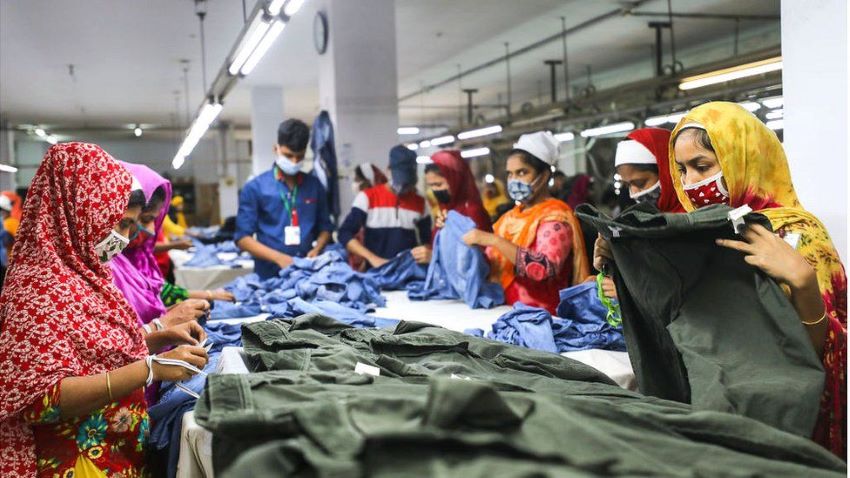
As per a Hindustan Times report, a rebound in garment orders after demand crashed during spring shutdowns is helping to revive the Bangladesh economy.
Remittances from Bangladeshi workers employed overseas have also recovered, helping to relieve pressures from a pandemic quasi-shutdown during the spring. The Asian Development Bank is forecasting the economy to grow at a robust 6.8 per cent annual pace in the fiscal year that ends in June if current conditions persist.
That’s a much brighter outlook than in April-May, when global clothing brands suspended or cancelled orders worth more than $3 billion, affecting about 4 million workers and thousands of factories.
According to BGMEA, Bangladesh’s garment exports rose by 0.6 per cent to $3.9 billion in July, after plummeting 83 per cent to $520 million in April. Imports, which are reported on a quarterly basis, began recovering earlier, rising 36 per cent in May-June.
In August, exports rose 4.3 per cent from a year earlier, to $2.96 billion, mostly driven by apparel shipments, according to the government’s Export Promotion Bureau. Garment shipments totaled $5.7 billion in July and August.
Wrangler launches new regenerative jean
Spearheaded by the Ellen McArthur Foundation, Wrangler has launched a new jean as a part of it’s the Jeans Redesign initiative. This initiative has established guidelines on the minimum requirements for durability, material health, recyclability, and traceability of denim jeans, with over 40 denim experts providing insight.
Wrangler has also committed to source 100 per cent sustainably grown cotton by 2025. The brand will achieve this joining the EMF’s Make Fashion Circular Initiative, which exists to drive collaboration between apparel industry leaders to ensure that clothes are made from safe, renewable materials, that new business models increase their use, and that old clothes are turned into new.
These new commitments will help Wrangler build a more resilient, regenerative cotton supply. Farmers planning to participate in Wrangler’s ‘Regenerative Jean’ collection have to submit evidence of improvements to soil health and the resulting environmental benefits of adopting regenerative agricultural systems. The submissions will be reviewed by the Soil Health Institute which will look for benchmarks like improvements in soil carbon, soil physical properties, biological properties and ancillary benefits to the environment.