FW
India Fashion Tex 2023: Reverse Buyer Seller meet attracts over 1000 international buyers
The India Fashion Tex 2023-Reverse Buyer Seller Meet (RBSM), jointly organized by the Wool & Woolens Export Promotion Council (WWEPC) and Powerloom Development & Export Promotion Council (PDEXCIL), concluded successfully at Hotel Ashok in New Delhi.
The three-day fashion exhibition was attended by over 1000 buyers from 30 countries, including the US, UK, EU, Japan, Vietnam, Middle East, and Sri Lanka. The event saw more than 100 exhibitors and buying houses from India, such as Lux Industries Ltd, Juba Sons, and Neeraj Arts & Crafts, alongside international brands like Puma, Ikea, and Adidas.
Compared to the previous two editions, this year's event saw an increase in footfall, with over 3500 visitors attending the exhibition over three days. Special attention was given to exhibitors from Jammu and Kashmir promoting Pashmina shawls and scarves. The highlight of the event was the fashion show, which featured various woolen Indian and Western apparel, including Pashmina shawls, stoles, scarves, mufflers, kurtis, blazers, and caps crafted by Indian weavers and artisans.
Established by the Central Government in 1964, the Wool & Woollens Export Promotion Council (WWEPC) supports, protects, maintains, increases, and promotes the export of Wool & Woollen Products and Acrylic Knitwear.
The Powerloom Development & Export Promotion Council (PDEXCIL) was set up by the Ministry of Textiles, Government of India in 1995. The Council promotes, supports, develops, advances, and increases power looms and the export of powerloom fabrics and made-ups thereof.
Despite decline in China, Nike reports increase in Q3 revenues, driven by North America and EMEA growth
Nike reported a 14 percent increase in revenues to $12.4 billion in the third quarter, compared to the previous year, with a 19 percent increase on a currency-neutral basis.
The Nike brand's revenues reached $11.8 billion, up 14 percent on a reported basis and up 19 percent on a currency-neutral basis, driven by double-digit growth in North America, EMEA, and APLA. Despite a challenging December following the shift in Covid-19 policies in China, revenue for the Nike brand in Greater China grew 1 percent on a currency-neutral basis. However, revenues for Greater China declined 8 percent on a reported basis.
Gross margin decreased 330 basis points to 43.3 percent, while net income was $1.2 billion, down 11 percent compared to the previous year, and diluted earnings per share were 79 cents, decreasing 9 percent.
Converse's revenues reached $612 million, up 8 percent on a reported basis and up 12 percent on a currency-neutral basis, led by double-digit growth across all channels in North America, partially offset by declines in Asia. Meanwhile, net profit for the quarter fell to $1.24 billion from $1.4 billion a year earlier.
Japan's Feb clothing, accessory imports rise, while yarn, fabric imports decline
Japan's imports of clothing and accessories increased by 4.2% in February 2023, reaching 221,056 million yen, accounting for 2.6% of the country's total imports. On the other hand, the imports of textile yarn and fabric decreased by 2.5% compared to the same period in 2022, reaching a value of 74,645 million yen, representing 0.9% of the total imports.
The imports of textile yarn and fabric from China also experienced a decline in February 2023, reaching 37,664 million yen, which was 9.1% lower than the same period in 2022, representing 2.5% of Japan's total imports from China.
Regarding exports, Japan's textile yarn and fabric exports in February 2023 increased by 3% compared to the previous year, reaching a value of 59,730 million yen. Additionally, the country's textile machinery exports in February 2023 were valued at 27,151 million yen, representing a 9.7% increase from the previous year's exports and contributing 0.4% to the total exports.
In 2022, Japan's clothing imports experienced a 23.2% increase from the previous year, reaching 3,494,110 million yen. Meanwhile, textile yarn and fabric imports increased by 25.7%, reaching a value of 1,261,222 million yen. Japan's textile yarn and fabric exports in 2022 also increased by 15.2%, reaching 772,688 million yen, while textile machinery exports increased by 26%, reaching 301,414 million yen.
India's cotton exports surge as Turkey and Europe increase imports
Turkey and Europe have been importing Indian cotton yarn at an unexpected rate since February, causing an increase in demand for cotton exports from India.
Experts attribute this rise to the textile spinning sector's devastation after the recent earthquake in Turkey, which resulted in Turkey importing cotton from India. Additionally, Europe has also been unable to import cotton from Turkey, which has led to a spike in demand for Indian cotton.
India's total cotton exports to Turkey and Europe had been 15%, but this figure has increased to 30% in the last two months.
India's cotton prices had been higher than international prices for the past year, but now prices have aligned. Good crop and significant demand from China, Turkey, and Europe have contributed to the recent boost in exports.
Industry experts have noted that India's cotton yarn exports fell by 59% from April 2022 to January 2023. However, exports have picked up in recent months, with January's figures being the highest since April 2022. The steady price of cotton will result in better demand for exports.
European Commission exposes industry's self-governed sustainability definitions, to publish proposal for regulations
More than half of the green claims made by clothing and textile web pages are unsubstantiated or simply untrue, according to a recent sweep by the European Commission.
The findings highlight the prevalence of greenwashing in the fashion industry, which is facilitated by self-governed definitions of sustainability. Consumers are eager to make a difference, but without regulation and harmonized sustainability language, their green purchasing decisions may not be effective.
A recent Forbes study shows that Generation X and Z consumers are willing to pay 10% more for green products. However, the industry must ensure that these claims are based on robust scientific data and represent the best industry standards.
The European Commission is due to publish its proposal on substantiating environmental claims soon. This proposal is crucial in turning the tide of textile pollution and saving valuable resources, but the methodology used to underpin the policy is essential.
The Product Environmental Footprint (PEF) is currently the most substantial method, but it is incomplete and does not account for the positive impacts of natural fibers. The PEF methodology must be updated to include indicators on microplastic release, plastic waste, and circularity.
Clothing is one of the biggest contributors to microplastic pollution, with synthetic fabrics accounting for 35% of the total primary floating microplastics in the world's oceans. A clearly defined plastic waste indicator should also be introduced to the PEF, given the significant contribution of synthetic clothing to fast fashion and plastic waste.
The inclusion of a circularity indicator is also essential to delivering the EU's circular economy goals. It is critical that the PEF is brought in line with the latest science and made fit for purpose to ensure it helps deliver the EU's sustainability and circularity ambitions.
The omission of indicators linked to synthetic clothing will result in misguiding well-meaning consumers and could lead to the duplication of the mess currently dealt with in the industry.
India’s fashion retail segment poised for good growth with return to normal
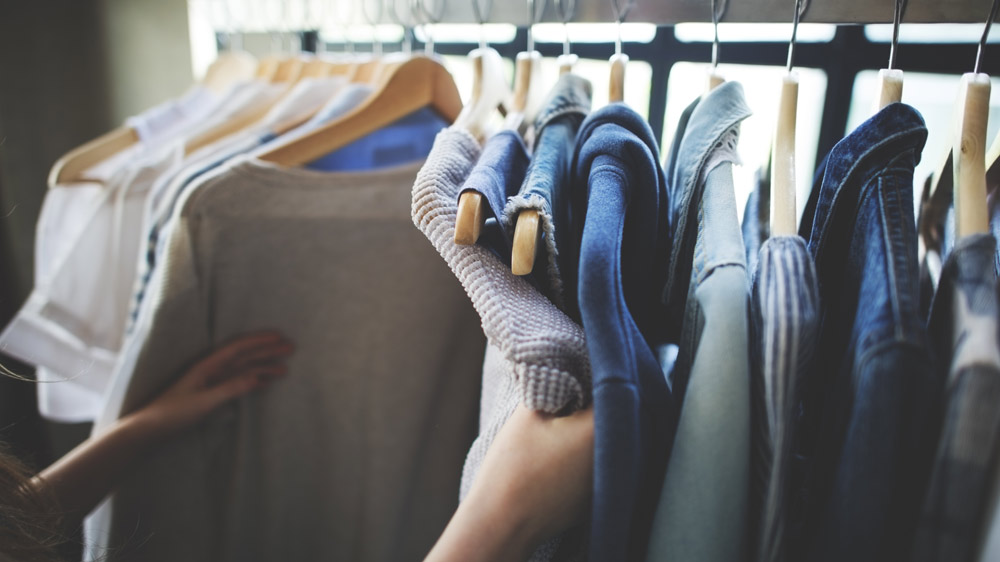
Finally India’s fashion retail can look ahead with more optimism as the sector is expected to see good double digit sales growth in FY23. As per a report by credit rating agency ICRA, rising discretionary spending and normalisation of store operations post pandemic, India’s fashion retail sector is expected to see a 45 per cent year-on-year (YoY) sales growth.
Operating profit margins to grow
With significant rise in advertisement and promotion spends so far this year, fashion retailers operating profit margins (OPMs) are expected to be around 7-7.3 per cent, the report predicts. In fact, India’s retail sector saw significant 55 per cent YoY revenue growth in first nine months of FY2023 led by improved economic activity and an uptick in discretionary spends. As Sakshi Suneja, VP and sector head of corporate ratings at ICRA, says, “While this was admittedly partly led by a low base, it also reflects a sharp 35 per cent growth over the pre-pandemic period of first nine months of FY2020.”
A similar stud more recently by Unicommerce too had said, the growing adoption of e-commerce in India has helped the accessories and footwear segments which reported a phenomenal 41.2 per cent and 41.7 per cent YoY growth this winter over last year. The growth was led by rising consumer interest in products such as perfumes, watches, belts, hats, jewellery, and hair accessories among others.
The Unicommerce analysis had also stated, boots and sneakers were shoppers’ most popular choices in footwear. Innerwear was the other emerging segment with both men and women shopping online as numbers report a 29.3 per cent YoY growth in winter 2022. Bags and wallets, although a small segment of fashion, also reported a strong 24.3 per cent YoY growth during the same period. The report goes on to state, apparel segment accounts for the majority of e-commerce orders and has seen strong growth of 11.5 per cent YoY in this winter.
As per the latest ICRA report, retail sector’s good show was also aided by nearly 5 million sq. ft. of additional store space in FY20-FY22. Segment-wise, revenue growth is led by premium brands in the metros or Tier-I cities. After a lull in FY21 retail expansion plans were taken up with new vigour in FY22, and continues in FY23. This was enabled by the large equity raisings in FY2021, coupled with improved cash flows during FY22 and YTD FY23. As Suneja points out, “Entities in our sample set increased their capital spending to Rs 14 billion in FY2023, implying a YoY expansion of 55 per cent.”
The ICRA report says, retailer’s gross margins in 9M of FY2023 remained largely in line with the FY2022 levels, as they passed on the increase in raw material costs (led by the increase in cotton prices) to consumers. The other major cost heads for a retailer are: rental, employee costs, and selling/promotional expenses, which together account for about 30 per cent of the total cost.
Value segment still to recover
The ICRA report however states, the value-fashion segment, has been facing inflationary headwinds and reported a negative same-store-sales growth compared to pre-covid days of the first nine months (9M) of FY2020.
While value-fashion segment players continue with their capex plans in FY2023, ICRA expects some curtailment/re-calibration in capex spending by them in FY2024, till inflationary pressures ease.
Meanwhile, online retail continues to grow. The ICRA report suggests, online sales will continue to grow, albeit at a slower pace, as the pandemic slows down. The share of online sales is expected to grow to 12-14 per cent of revenues by FY25 as against 8 per cent in FY22. This is, however, unlikely to replace the brick-and-mortar sales model any time soon.
Online retail continues to remain popular
On similar lines as per a Technavio study, online fashion retail market In India is predicted to grow by $22.97 billion from 2021 to 2026. The report says, the market is estimated to grow at a CAGR of 18.83 per cent during the forecast period. One of the key trends influencing the growth in India’s online fashion retail market is the rise of social commerce. With major players like Facebook, Instagram, YouTube, Pinterest, and Snapchat, the social commerce platforms facilitate transaction-based social interaction and user experiences through their platforms.
Wellness megatrend offers major opportunities for sportswear companies, reports suggest
Wellness is expected to be one of the megatrends shaping consumer behaviour until 2030.And sportswear brands have a significant opportunity to tap into this trend, understanding how wellness impacts consumers' lifestyles and health will be key to recognising opportunities and innovating for the long term.
A significant percentage of consumers who embrace wellness from a holistic point of view engage in physical activity as one component of their lifestyles. Sportswear brands must recognise that wellness is how consumers engage with the world around them, guided by a sense of community and a desire to care for the planet. To tap into the growing trend, sportswear brands must consider adopting proactive strategies, embracing digital tools to help consumers achieve their wellness goals and building an omnichannel presence.
Although physical activity is closely linked to wellness, a significant percentage of consumers do not exercise regularly. Sportswear brands have a crucial role to play in promoting exercise and creating a real impact in the communities they serve. Brands should adapt their messages to appeal to consumers interested in overall wellness beyond performance and competition.
Sri Lanka's garment industry faces crisis as 50,000 workers lose jobs, wages cut
Sri Lanka's garment industry, responsible for over 50% of the country's export earnings, is in crisis as about 50,000 workers have lost their jobs due to the economic downturn.
Sri Lanka has 300 manufacturing companies that employ 350,000 workers, producing garments for international brands such as Victoria's Secret, Marks & Spencer, GAP, Tommy Hilfiger, and Van Heusen.
Trade unions report that several garment factory owners in Sri Lanka have cut jobs and wages and closed entire facilities without paying the government-recommended compensation. Unions are concerned about expected labor reforms, including increasing the number of overtime hours and night shifts for women, which could exploit the existing workforce.
Most of the workers in the garment industry are women who migrated to support their families and have suffered from crises, including the COVID-19 pandemic. During the pandemic, the government deemed the industry too important to shut down, causing mass outbreaks in factories and workers' homes.
The government is not interested in dialogue between social partners, according to a factory operations manager.
Texhibition Istanbul showcases latest textile trends with a focus on sustainability
Texhibition Istanbul Fabric, Yarn and Textile Accessories Fair has successfully concluded its third edition, which ran from March 8-10, 2023.
The event was organized by the Istanbul Textile Exporters' Association (ITHIB) with the support of the Istanbul Chamber of Commerce (ICOC) and brought together 437 exhibitors and 18,525 visitors from 104 countries. The fair showcased the latest trends for spring/summer 2024 in textiles (wovens, knits), accessories, prints, yarns, artificial leather, and fibers across a total area of 30,000 sqm.
Sustainability was a particular focus with the Circular Economy Action Plan of the European Green Deal providing an important starting point for the Turkish industry to meet the requirements of European customers. The industry is making great efforts towards the sustainable use of natural resources, including reducing water consumption, increasing the energy efficiency of renewable energy sources, promoting organic cotton cultivation, sustainable organization of supply chains, zero waste in production and export, circular economy, and the introduction of tools for measuring the carbon footprint.
The Turkish textile industry is the second-largest producer for the EU and the fifth largest globally. It is also the world's fourth-largest supplier of home textiles, fabrics, and denim fabrics, and the fifth-largest producer of yarns. The country's ambitious goals for 2023 and the near future include increasing the export volume to USD 15 billion and serving 20% of textile imports to the EU and 5% to the USA.
Texhibition Istanbul is an important international hub for efficient upstream sourcing and is rapidly increasing its exhibitors and visitors since its launch in January 2022.
The focus for the next edition in September 2023 is on healthy growth, with carefully selected participants to maintain the high quality standard of the show. The Turkish textile industry continues to stand together to strengthen its position as a global leader and generate added value.
Amsterdam-based fashion brand Scotch & Soda files for bankruptcy
Scotch & Soda, the Amsterdam-based men's and women's lifestyle brand, has filed for bankruptcy in the Netherlands due to "severe cash flow issues" brought on by a combination of factors, including the COVID-19 pandemic, war in Ukraine, and inflation.
Despite recording record sales of €342.5 million for the 2022 fiscal year, Scotch & Soda cited a "structural cash flow deficit" as the reason for its failure to absorb the negative effects of the pandemic and high inflation.
The bankruptcy will not affect entities outside of the Netherlands, and the brand's 32 stores in the country will remain open while the company searches for a buyer. In December 2021 and January 2022, store closures in the Netherlands caused a direct loss of €20 million, which was particularly damaging to the company.
Scotch & Soda operates 252 stores worldwide and is carried in 7,000 retailers globally.