FW
Brazilian Textile Firms Thrive at Emitex Trade Fair in Argentina
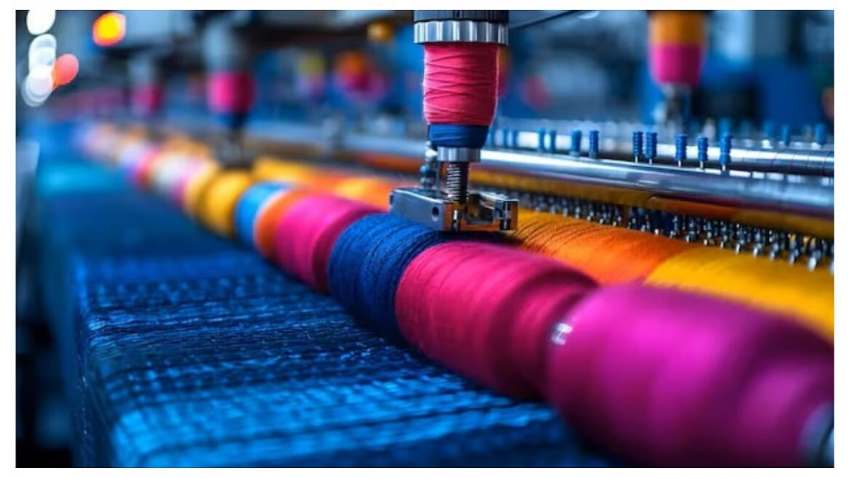
The annual Emitex trade fair, held from April 25th to 27th, brought together over 100 textile manufacturers, including thread, flat weave, and knitwear producers, as well as suppliers of materials, tools, accessories, and software machines. Brazilian companies Audaces, Santaconstancia, and Cardenas participated in the event with the support of Texbrasil, a program established through a partnership between Abit and ApexBrasil.
Emitex is an ideal platform for establishing contacts and gathering information for future productions. Brazilian companies exceeded expectations, generating 980 contacts and achieving revenue of over US$3 million in just three days.
Argentina's textile imports in 2022 grew by 29.8%, reaching approximately US$1.4 billion, indicating a resurgence in purchases and consumption in the country. Emitex, serving Latin America for nearly two decades, plays a vital role as a business generator for the sector.
Emitex showcased the latest advancements in design, products, and services with a focus on sustainability and technological innovation. The Denim Station, a popular attraction, provided insights into the Jeanswear segment. The event also offered an online catalog for companies to update their information for up to a year and a half after the exhibition.
Apparel import slight upward trend Q1 2023: Wazir Report
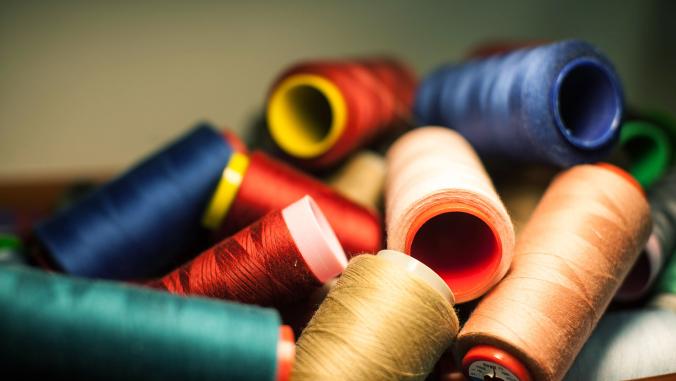
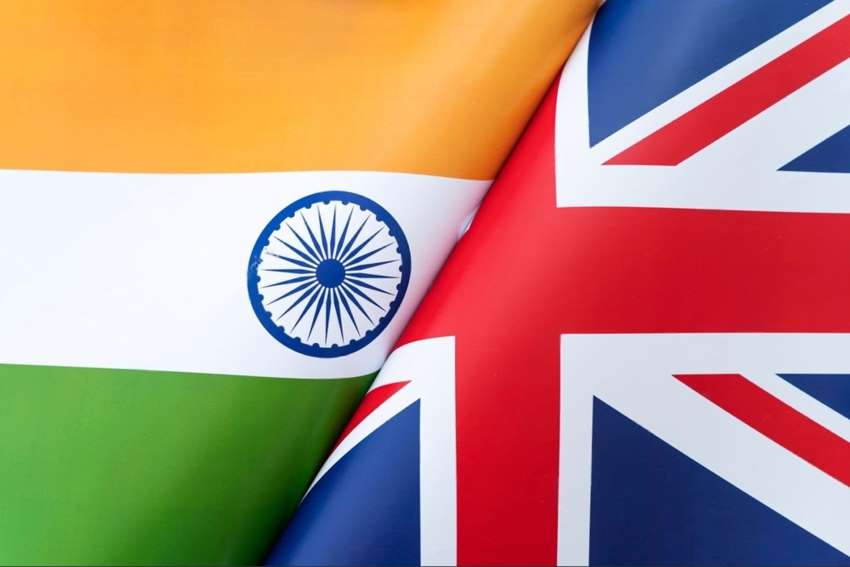
The reputed India-based consultants Wazir Advisors released their report on the first quarter of 2023, analyzing apparel imports and retail sales by four major economies, namely the US, the EU, the UK and Japan. The report also includes the analysis of India’s performance as an exporter of readymade garments.
The report indicates that in the US and the UK, imports of readymade garments were down whereas up in the EU and Japan (marginally so). This indicates a challenge for readymade garment manufacturing hubs globally, particularly in South and South East Asia as well as China. This is evident from the report that states that in April 2023, Indian readymade garments experienced 25 per cent fall compared to April 2022.
Declining imports of apparel in the US and UK
In the US, the first three months of 2023 experienced a down of 19 per cent whereas in the UK the figures were slightly less at 14 per cent. March 2023 was the month which experienced the sharpest decline, 32 per cent in the US and 18 per cent in the UK. However, it was the opposite in the EU and Japan as the first quarter of 2023 registered a rise in readymade garment imports by 10 per cent and 3 per cent respectively. Japan only registered a 6 per cent decline in February 2023 as opposed to March in the US and the UK.
In terms of imports, the ongoing US-Sino disputes indicate why the Chinese market share continues to slide downwards, with the first quarter of 2023 seeing China fall to 18 per cent, whereas Bangladesh and India gained 1 per cent each. Indonesia remained at 6 per cent and all the other countries from where the US imports readymade garments improved by 5 per cent, bringing their collective market share to 41 per cent. In the UK, it was the same story with China losing grounds and dropping to 17 per cent, losing 8 per cent from 2022. Bangladesh lost 2 per cent in the UK, which Italy gained and India remained steady at 6 per cent. It is insightful that the UK has indeed diversified its sourcing options as all other countries combined improved by 10 per cent, totaling 47 per cent.
Japan imported 5 per cent less from China in the first quarter of 2023 and the EU 1 per cent less. Bangladesh gained 1 per cent in both, the EU and Japan. In the EU, Turkey, Vietnam and India remained the same at 12 per cent, 4 per cent and 5 per cent respectively. In Japan, Vietnam and Cambodia remained the same at 16 per cent and 5 per cent respectively whereas the collective of all other countries Japan imports readymade garments from increased by 4 per cent.
Indian apparel export takes huge hits
In Apr 2023, India’s apparel exports are estimated to fall further down to US$ 1.2 Bn., which is 25% lower than in Apr 2022 exports. On YTD basis, the exports were 13% lower than in 2022. In India’s apparel export basket, UAE’s share has decreased by 6 per cent whereas France’s and UK’s share has increased by 1 per cent each, since 2021.
Store and e-commerce performance on track
In Q1 2023, online sales of clothing and accessories registered a growth of 2% over Q1 2022 and were 32% lower than Q4 2022 sales in the US. In the UK, in Q1 2023, online sales of clothing registered a growth of 13% over Q1 2022. In the US, physical store sales are estimated to be $ 18.6 billion in April 2023. which is 4% more than in April 2022. In Mar 2023, UK’s monthly apparel store sales were £ 4.2 billion. which is 11 per cent higher than in March 2022.
Target Faces $10B Valuation Drop Amid Pride Clothing Backlash
In the past 10 days, retail giant Target has experienced a $10 billion loss in market valuation due to the ongoing backlash surrounding its Pride-themed clothing line for children.
The company's stock value, which stood at $160.96 per share a week ago Wednesday, dropped to $138.93 per share on Friday, representing a nearly 14% decline. This plunge in value brings Target's market valuation down to $64.2 billion, its lowest in nearly three years.
The retailer's current predicament echoes a similar situation in 2022 when the company's stocks experienced a significant drop after an exceptional surge during the COVID-19 pandemic. Target has been caught in the crossfire of America's culture wars over gender, with recent protests leading to the relocation of the Pride section in some Southern stores and the removal of certain items from the collection.
While comparisons have been drawn to conservative boycotts against brands like Bud Light, Texas Senator Ted Cruz suggests that the impact on Target may be more substantial since viable alternatives are scarce. Cruz draws a parallel with Disney, which faced backlash in the past but remained a financial powerhouse due to its unique offerings.
Target's stock value decline of more than 22% in the last 10 days reflects the significant challenges the company currently faces.
Sri Lanka Apparel Exporters Struggle Amid Western Economic Slowdown
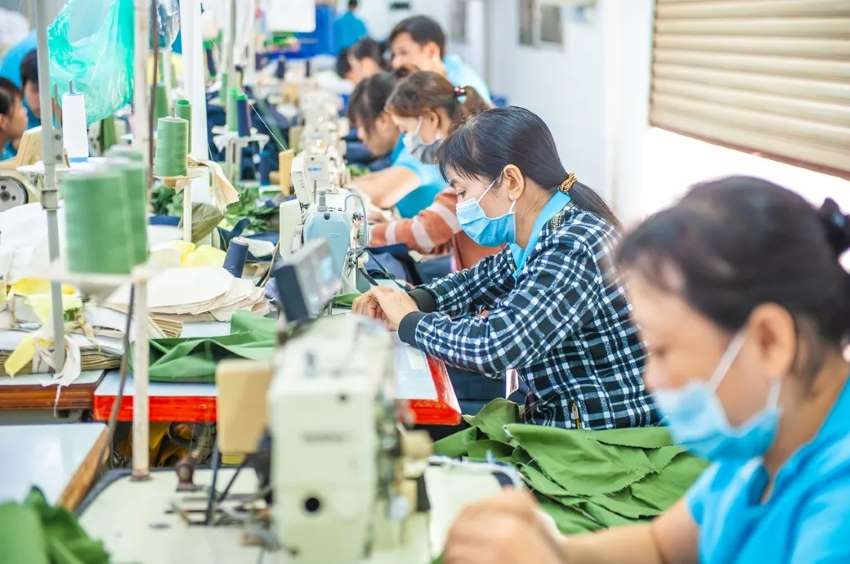
Sri Lanka's apparel exporters are facing a challenging period as they witness a significant drop in orders due to an economic slowdown in the West. The orders have decreased by approximately 18 to 20 percent, leading factories to operate below capacity and make necessary adjustments. This decline in orders is not unique to Sri Lanka, as other exporting countries are also experiencing a fall in demand.
The recent closure of a factory by Sri Lanka's Hirdramani group, which was attributed to issues with the leased building, highlights the impact of these challenging market conditions. However, it's important to note that investors have not been closing factories and leaving Sri Lanka en masse.
The current situation can be traced back to the monetary accommodation measures implemented by the US Federal Reserve and the European Central Bank during the Coronavirus crisis. The surge in demand resulted in supply chain bottlenecks and inflationary pressures, reminiscent of the 1980s. As a response, Western central bankers are now increasing interest rates and withdrawing excess liquidity, leading to further economic slowdowns and recessions.
Sri Lanka's apparel exports, which amounted to approximately $5.6 billion in the previous year, have declined by 23 percent to $343 million up until April. Yohan Lawrence, the Secretary General of Sri Lanka's Joint Apparel Association Forum, attributes this decline to the global fall in demand that has impacted apparel manufacturing countries worldwide.
While some adjustments in headcount and temporary struggles for a few factories may occur, the industry as a whole is expected to continue. There are hopes for demand to recover in the second half of the year, and the recent efforts of Sri Lanka to strike Free Trade Agreements are seen as positive steps that can benefit all exports.
H&M Shutters Beijing Flagship Store Amid Changing Fashion Trends
Swedish fashion giant H&M recently announced its decision to close its flagship store in Beijing's Sanlitun area when its lease contract expires on June 11. However, the brand intends to identify new locations in Beijing and other Chinese cities. With an expansive area of over 1,200 square meters, the store holds significant importance as H&M's 200th store in China.
The fast fashion industry is witnessing notable changes due to evolving fashion trends and shifting customer preferences. H&M is not alone in adjusting its marketing strategies in China. Other major fast fashion brands, like Zara, have closed stores in various Chinese cities, while Gap sold its Chinese business and its sub-brand, Old Navy, officially withdrew from the Chinese market in 2020.
China's economic development and improving residents' purchasing power have contributed to fierce competition within the Chinese market. Fast fashion brands often find themselves in an awkward positioning between high-end brands and more cost-effective online brands.
As the fast fashion landscape in China continues to evolve, brands must navigate these complexities to effectively cater to the Chinese market's preferences and demands.
Indian textile and apparel not guaranteed good times ahead
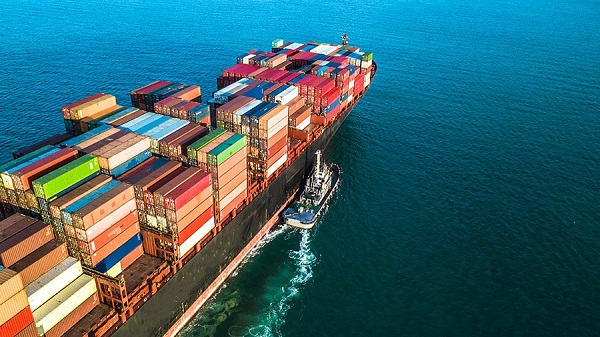
The dreaded trending word that haunted the global economy in 2022, recession continues trending in 2023, claiming its latest victim, the world’s fourth largest economy, Germany. As the third largest economy, Japan’s recovery is painfully slow and the USA is continually teetering at the edge of a recession. In this scenario, the Indian textile and apparel sector has felt the heat from the export side of the business and 2022 was rife with textile plants and readymade garment manufacturing factories either running at lower capacity or completely shutting down, especially the ones who were exclusively export-orientated. As an example of the true grim situation that the Indian textile sector is going through could be summed up by the statement made by president of Andhra Pradesh Textile Mills Association, Lanka Raghurami Reddy – he stated that due to the sudden drop in demand, coupled with disruption of supply of raw material and higher energy prices that was being caused by the Ukraine-Russian war, many mills had to operate at 50 per cent capacity for most of 2022 and then finally stop production all together. This was not just the situation in Andhra Pradesh but also across other textile production and readymade garment manufacturing hubs across India.
German recession highlights India’s situation today
Germany has now joined the ranks of some fellow European Union nations in the pits of recession as its GDP continued falling quarter after quarter. As Europe’s growth engine, Germany’s recession has a far wider impact well beyond its borders, exposing the other strong economy, France, to greater risks. What does this mean for India? Experts say that the Indian footwear, readymade garments and leather sectors will feel the impact of Germany’s recession directly. In the last financial year India had exported to Germany apparel worth $ 990 million, footwear worth $ 332 million and leather goods worth $ 305 million. Adidas, Puma, Marc O’ Polo, Tom Tailor, S.Oliver, Escada, MCM, Hugo Boss are some of the leading brands from Germany and a few of them have good sourcing from India. The prediction by Indian experts is that exports to Germany might decline by 10 percent and Sharad Kumar Saraf, Chairman of Technocraft Industries, Mumbai says that this is going to affect Indian exports not only to Germany but also Europe as a whole since other countries are also already in recession. Of course, India is not the only one finding its exports declining – Bangladesh, Vietnam, Cambodia, Indonesia are among the many in the same boat. The other big drag on the global economy is that the US debt crisis, which was expected but not of this magnitude, is impacting export-based economies in a negative way as they seek alternatives in a world that is already financially weak.
Domestic market is India’s trump card
An economy growing in leaps and bounds and ranked fifth worldwide, across the board, India’s domestic market has grown by 15 per cent according to Arun Roongta, Managing Director HGH India. Roongta goes on to say that local exporters can expect the low demand stagnation to continue until the next half of 2023 but then he also cautions that hopes shouldn’t be too high for now at least. Political stability and a confident government that envisions global leadership in the next few years has been the driving factor for a thrumming with vibrancy economy. The domestic market has not only been a safety net but also a driver of innovation, growth and diversification.
Levi’s chairman lauds India’s stability
As global financial experts predict India playing the role model of growth as the world grapples with recession, Chip Bergh, the Global CEO at Levi Strauss & Co lauded the politically stable environment for ensuring a vibrant domestic economy fuelled by a confident consumer who is at ease knowing the country and economy are doing well, which is not like his home base, the US, where consumers are tightening purse strings in fear of entering a recession. Talking to a leading Indian trade site, Bergh said that he not only sees India’s stability attracting FDIs but also India playing a lead role in the global supply chain.
Ethical fashion awareness promotes a greener environment

The Ethical fashion market has catapulted into the limelight in post-Covid times with rising awareness among consumers through social media campaigns and government initiatives of the environmental impact of fast fashion, and the growth of e-commerce is currently bringing about this change. The brand manufacturers of the ethical fashion segment are focused on reducing harm to both people and the planet in the whole supply value chain system across garment design, production, and distribution, and consumption.
The ethical fashion market apparels has many segments such as organic, man-made or regenerated, recycled and natural. The man-made or regenerated was the largest segment of the ethical fashion market by product type, accounting for around 50.9% of the total garments, footwear and accessories last year. Although the cheap and cheerful fast fashion clothing segment is the preferred choice of most global fashion consumers, a niche 15% of evolved consumers who make consistent and conscious purchasing decisions based on promoting sustainability and a greener environment are pushing this segment forward.
BRC report highlights an expected 8.6% CAGR growth by 2032
A recent report on the Ethical Fashion Global Market Opportunities And Strategies To 2032 from The Business Research Company(BRC) has given a comprehensive global perspective to industry leaders on this niche market covering 12 geographies while creating regional and country strategies based on local data and analysis. The report has pointed out that the manufacturers of the ethical fashion market have been having a field day. The ethical fashion market reached a value of nearly $7,548.2 million in 2022, having grown at a Compound Annual Growth Rate (CAGR) of 6.5% since 2017 and this growth is still continuing.
The global ethical fashion market is currently expected to grow from $7,548.2 million in 2022 to $11,122.2 million in 2027 at a rate of 8.1% after which it accelerates further to grow at a CAGR of 8.6% and reach $16,819.0 million by 2032. The BRC report has now better-identified growth segments for investment and also understood customer profiling better based on the latest market research findings which will help companies outperform competitors using forecast data and market trends.
Ethical fashion market segmentation
The ethical fashion market is segmented by product into organic, man-made/regenerated, recycled, and natural. The market is secondly further categorized by Type which includes Fair Trade, Animal Cruelty-Free, Eco-Friendly, and Charitable brands where the animal cruelty-free segment is the accounting for 43.3% of the total last year. However, the eco-friendly segment will be the fastest-growing segment in the ethical fashion market growing at a CAGR of 10.6% during 2022-2027. The third category is the end-user which is classified into men, women and children, where the women segment is the largest as in most fashion segments and accounts for almost 52.4% of the total garment production last year. The men’s segment is currently growing rapidly in the material segment of ethical fashion market at a CAGR of 8.3%during 2022-2027.
The Asia Pacific has always been the largest region in the ethical fashion market, accounting for 33% of total sales last year followed by Western Europe. However, in times to come, Eastern Europe and South America will be growing the fastest at CAGRs of 12.5% and 10.3% respectively.
The main brand players in this market are Eileen Fisher as the largest competitor with 2.98% of the market, followed by LVMH Moet Hennessy Louis Vuitton with 2.63%, Levi Strauss & Co. with 1.66%, H&M Conscious (H&M Group) with 1.65%, Reformation with 1.34%, Everlane with 0.89% and Tentree, Patagonia, Inc, Wear PACT, and United By Blue, all with below 1%.
Many trade fairs such as the Fashion Revolution Indonesia with its second edition in 2022 in Jakarta, are all highlighting the need for ethical and sustainable decisions in the clothes we wear, from yarn to the finished garments. Just like Rome was not built in a day, environment-conscious brands are banking on a minuscule segment of the global consumers who understand the environmental ethics of fast fashion pollution, to bring about a change over the next decade.
Ralph Lauren beats expectations with strong Q4 results and China rebound
Ralph Lauren Corp has reported better-than-expected profits and a surprising increase in fourth-quarter revenue, driven by the success of its new seasonal collections that resonate with affluent shoppers. Despite a cooling luxury spending climate in the United States, the company's focus on outdoor wear and women's clothing has attracted more customers.
The demand for its cable-knit sweaters and Polos have been particularly strong, allowing Ralph Lauren to minimize promotions. In China, the key luxury market, the company saw a remarkable sales jump of over 30%. While other luxury brands have faced softer demand in the US, Ralph Lauren's core higher-income customer base has remained resilient.
The company's performance, even during volatile times, has impressed analysts, and its Asia segment revenue also experienced a significant increase. Ralph Lauren's net revenue for the fourth quarter exceeded expectations, and the company foresees continued growth in fiscal 2024, primarily driven by constant currency revenue expansion in the low-single-digit range.
BGMEA Requests Incentives for Non-Cotton Apparel Exports
Bangladesh's readymade garments (RMG) sector is facing increasing competition from emerging powerhouses like Vietnam, necessitating the urgent diversification of its apparel product line. While Bangladesh holds a significant position in the global market for cotton-based apparel, it falls behind in the non-cotton sub-sector.
The shift in global demand from cotton to non-cotton garments poses a challenge for the country's RMG industry, particularly as it holds a minority stake in non-cotton apparel exports to major destinations such as the US and the European Union.
This transition is crucial not only for foreign exchange earnings but also as the sector is a vital source of employment and investment in the country. Additionally, consumer preferences are evolving, with increased demand for clothes made from sustainable and environmentally-friendly materials. Policymakers need to address these challenges by providing incentives, investing in skilled labor, promoting product development, and ensuring cost-effective financing and energy supply.
By seizing this opportunity and embracing material diversification, Bangladesh's RMG sector can secure its long-term growth and compete successfully on the global stage.
India: Gokaldas Exports' Profits Q4 Decline, Grow for Full FY23
Gokaldas Exports, a textile manufacturer, experienced a 22.5% decline in net profit for the fourth quarter of FY23, totaling ₹47.2 crore compared to ₹60.9 crore in the same quarter of the previous year. However, the company achieved significant full-year net profit growth, rising by 47% to ₹173 crore from ₹117.1 crore in FY22.
Net revenue decreases in the reporting period
While net revenue decreased by 9.8% during the reporting period to ₹530 crore, down from ₹588 crore in Q4 FY22, Gokaldas Exports saw a 24.8% increase in net revenue for the entire fiscal year, reaching ₹2,247.2 crore compared to ₹1,801 crore in FY22.
Gokaldas Exports emphasizes resource utilization optimization and operational excellence for future quarters
The company attributes its performance to the dedicated efforts of its team in a challenging global market. Moving forward, Gokaldas Exports aims to optimize resource utilization and drive operational excellence in the coming quarters. The company also believes that government initiatives, including budget allocation and trade agreements, will play a crucial role in advancing the industry.