FW
Global Fashion Agenda launches 2023 Fashion CEO Agenda at Boston Summit
Today, during the Global Fashion Summit: Boston Edition 2023, the Global Fashion Agenda (GFA) unveiled the 2023 edition of the Fashion CEO Agenda. This concise report is designed to empower fashion industry leaders with strategies to create a net-positive impact on society, the environment, and the global economy. It marks a significant shift by introducing actionable guidelines for brands, retailers, and producers.
With less than seven years to fulfill the UN's Sustainable Development Goals, the fashion industry must urgently incorporate sustainability into its core strategies.
The Fashion CEO Sustainability Agenda prioritizes a respectful and secure work environment, better wage systems, resource stewardship, smart material choices, and circular systems for the fashion industry.
These priorities have been established through extensive stakeholder engagement, including a global Fashion Industry Target Consultation in partnership with the United Nations Environment Programme (UNEP).
Key action areas identified in the report encompass worker grievance mechanisms, fair compensation, water stewardship, and curbing overproduction. The report also emphasizes adopting industry-aligned targets, such as UNFCCC's decarbonization goals.
To complement the agenda, GFA introduced the 2030 Fashion Sector Vision, calling for sector-wide collaboration to achieve sustainability goals by 2030. Federica Marchionni, CEO of Global Fashion Agenda, urged fashion leaders to align their strategies with the Fashion CEO Agenda and work together to transform the industry into a net-positive force by 2050.
CHIC Autumn 2023: Setting new fashion fair standards
The CHIC, China International Fashion Fair's autumn event, held from August 28 to 30 at the National Exhibition & Convention Center in Shanghai, made waves in the global fashion industry. With a staggering 424 exhibitors and a record-breaking attendance of 53,137 visitors, the fair was buzzing with activity, firmly establishing itself as a pivotal player in the fashion business.
CHIC Autumn, renowned for its role as a supply chain solutions platform, caters to the entire fashion industry, serving as a crucial international business hub. This edition sought to create an innovative and inclusive platform for the fashion supply chain, drawing top companies from China and fostering dialogue, networking, and business connections.
Chen Dapeng, president of CHIC and China National Garment Association, emphasized the fair's significance, stating, "CHIC acts as a service agency for the entire fashion industry and trade," underlining its role in promoting global interconnectedness.
The event showcased the latest developments in the Chinese apparel market across various categories, from suits and down jackets to denim and emerging talents. Additionally, CHIC organized highly successful matchmaking events that facilitated productive interactions between exhibitors and visitors.
CHIC also hosted numerous seminars and fashion shows, further solidifying its status as a center of excellence in the fashion world. The WeChat Mini Programme played a pivotal role in streamlining the fair's operations.
Looking ahead, the spring edition of CHIC from March 6 to 8, 2024, promises to be even more spectacular, with over 1,600 exhibitors and brands, 170,000 visitors, and international participation already on the horizon. It will focus on brand presentations and retail, reaffirming its position as Asia's largest and most influential fashion fair.
Wave of innovation emerges to recycle textile waste in response to EU Textile Strategy
A wave of innovative solutions for recycling post-consumer textile waste is surfacing in response to the European Union's latest Textile Strategy, a vital component of the broader Green Deal initiative.
Starting in 2025, the EU will institute a bold plan to separately collect over seven million tons of waste textiles each year. The responsibility for this collection will fall upon the brands that introduced these textiles to the market, thanks to a novel Extended Producer Responsibility (EPR) program. This paradigm shift means that such textiles will no longer be permitted to languish in landfills, go up in smoke through incineration, or be exported to other nations.
This move is necessary to address the colossal waste mountain that is expected to exceed 30 million tons by 2030 if prompt and resolute measures are not taken.
In response, companies across the textile value chain are developing new technologies and solutions to recycle textile waste effectively and efficiently. Some of the most promising innovations include:
Chemical recycling: This process breaks down textile fibers into their molecular components, which can then be repolymerized to create new fibers. Chemical recycling can be used to recycle a wider range of textile waste than mechanical recycling, including blended fabrics and synthetic fibers.
Mechanical recycling: This process shreds and cleans textile waste to produce recycled fibers that can be used to make new textiles. Mechanical recycling is a more established technology, but it is not as effective at recycling blended fabrics or synthetic fibers.
Design for recycling: This approach involves designing textiles and garments with recycling in mind. For example, using pure fiber blends and avoiding harmful dyes and finishes can make it easier to recycle textiles at the end of their life.
These innovations offer the potential to transform the textile industry into a more circular and sustainable system. By recycling textile waste, companies can reduce their environmental impact and conserve resources. Additionally, recycled textiles can be used to create new and innovative products, such as sustainable insulation and packaging materials.
The wave of innovation in textile recycling is a positive sign for the industry and the environment. With continued investment and research, these technologies could help to create a more sustainable future for textiles.
EU Apparel Imports Decline in First Seven Months of 2023
The latest apparel import data from the European Union (EU27) for the period of January-July 2023 shows a decline of 7.44% in value and 12.80% in quantity compared to the same period of 2022. This decline is seen across all of the top ten apparel supplying countries to the EU, including Bangladesh, China, Turkey, India, and Vietnam.
Bangladesh:
EU's import from Bangladesh dropped by 11.73% in dollar value and 14.50% in quantity during the January-July 2023 period. This decline is relatively higher than other top sourcing countries, such as China and India.
China:
EU's import from China, the top sourcing country, declined by 10.88% in dollar value and 10.59% in quantity during the January-July 2023 period.
India:
EU's import from India dipped by 5.79% in dollar value and 11.49% in quantity during the January-July 2023 period.
Vietnam:
EU's import from Vietnam dipped by 1.84% in dollar value and 8.99% in quantity during the January-July 2023 period.
Other top sourcing countries:
EU's import from other top sourcing countries such as Cambodia, Pakistan, Morocco, Sri Lanka, and Indonesia also declined in value terms during the January-July 2023 period.
Insight Textiles invests in infrastructure and workforce
Insight Textiles, a leading producer of specialty industrial fabrics in the USA, has announced significant investments in its infrastructure since its establishment in January 2023. These capital infusions into advanced production machinery and upgraded facilities are poised to boost production efficiency, reduce delivery times, and create immediate job opportunities for the surrounding community.
Located in Woolwine, Virginia, Insight Textiles is actively recruiting, inviting enthusiastic candidates to join their expanding team. Interested individuals can explore a wide range of job opportunities and submit their applications by visiting the careers section at Recruitment (adp.com). The company offers attractive compensation packages, comprehensive benefits, and a supportive work environment. They are currently focused on hiring for several roles in their Finishing Department.
Insight Textiles, latest machinery acquisitions, designed for maximum efficiency, will require less manual intervention, be cost-effective, and are set to be fully operational by the end of this month. It is enthusiastic about welcoming new members to our fabric finishing division. These new hires will play a crucial role in supporting the third shift of the Finishing operations, expected to increase customer deliveries by a significant 30%.
The company has also invested in facility maintenance, communication technology upgrades, and IT systems.
Apex Mills recent investments, combined with the recruitment of skilled professionals, are poised to propel its organization to unprecedented heights of success.
Bangladesh Bank's Financing Schemes for Green Transformation and Technology Development
The Bangladesh Bank has launched two important financing schemes to encourage and accelerate the sustainable growth and green manufacturing industry in the country: the Green Transformation Fund and the Technology Development Fund.
Green Transformation Fund
The Green Transformation Fund is a BDT5,000 crore refinancing scheme that provides long-term loans with a maximum interest rate of 5%. Factories can avail 70% of the costs of letters of credit against their required (machinery) imports as loans. A factory can take a maximum BDT200 crore loan from this fund.
Factories can use the loan for water efficiency in wet processing, water conservation and management, waste management, resource efficiency and recycling, renewable energy, energy efficiency, heat and temperature management, ventilation and wind flow efficiency, working environment improvement initiatives, and other areas.
Technology Development Fund
The Technology Development Fund is a BDT1,000 crore scheme that provides cheap loans to 100% export-oriented industries to upgrade the technologies they currently use. The tenure ranges from 3 years to 10 years, and the interest rate depends on the tenure, e.g. 5% for less than five years, 5.5% for between 5 years and less than 8 years, and 6% for more than 8 years to 10 years. Borrowers can also enjoy a maximum of 1 year grace period.
Under this scheme, exporters can get the loan for replacing outdated machinery, adopting technology for renewable energy, and upgrading of machinery used in business operations and waste management.
MAS Fabric Park: A Beacon of Sustainability in the Apparel Industry
Nestled in the tranquil environs of Thulhiriya, Sri Lanka, MAS Fabric Park (MFP) stands out as a revolutionary force in the apparel industry, pioneering sustainable practices that redefine the global benchmark.
Embracing a vision of positive change, MFP's unwavering commitment to sustainability is evident throughout its operations, from water management and waste reduction to energy generation and biodiversity restoration.
Comprehensive Water Management
MFP's centralized water management system, operating at a capacity of 9000 cubic meters per day, eliminates the need for redundant in-house treatment plants, optimizing resources and curbing environmental impact. Strict adherence to global-level ZDHC standards ensures fully treated discharges, safeguarding aquatic ecosystems.
Waste Reduction
MFP has pioneered sustainable management of textile sludge, a globally concerning area related to the industry. Through solar and thermal drying-based reductions, dried sludge co-processing for energy recovery, and eco-brick production, MFP has significantly reduced its waste footprint and achieved circularity.
Even the ultimate byproduct of textile wastewater treatment sludge finds purpose in products like the Eco Brick, used in constructing the chalets at MAS Athena and also across other construction needs of the entity, whilst biological waste is being diverted for composting for nurturing plants, aligning seamlessly with the concept of waste-to-energy and waste-to-value.
Solar Revolution
MFP's 24 MW solar capacity is a groundbreaking achievement, decreasing its carbon footprint by 20 tons annually. This milestone solidifies its status as the largest multi-site rooftop solar project in Sri Lanka under a single business entity.
Analog Forest and Biodiversity Restoration
MFP's 9.7-acre "Thuruwadula" analog forest serves multiple roles as a sanctuary for preserving biodiversity, a model for adapting to climate change, and a valuable educational resource. Endangered endemic plant species, Ayurvedic and medicinal plants, and numerous animal species have found a home in Thuruwadula.
Long-Term Commitment and Future Prospects
MFP's commitment to sustainability is unwavering, with ambitious goals to reduce Greenhouse Gas Emissions by 25% by 2025. The Park plans to expand its solar capacity and continue its role as a leader in sustainable practices, setting new benchmarks for a brighter future.
MAS Fabric Park: A Beacon of Hope
In an industry often criticized for its environmental impact, MAS Fabric Park is a beacon of hope. It is a testament to the fact that businesses can be forces for good, harmonizing with the environment to create a more sustainable future.
Severe heat, floods can lead to $65 bn losses by 2030 in Asian garment hubs: Study

The impact of climate change is here and how. Random flooding is commonplace and summer heat waves are the new normal. Analysis by Cornell University’s Global Labor Institute and Schroders, which has studied four important readymade garment manufacturing countries, namely, Bangladesh, Pakistan, Cambodia and Vietnam, has pointed out some disturbing facts about the global apparel manufacturing sector. The four countries as a collective could lose up to $65 billion which is 22 per cent of lost exports and 950,000 lesser jobs by 2030.
With factories closing due to flood damages and insufficient insurance back up to reconstruct them as well as intolerable heat creating a slump in labour productivity, by 2050, these four countries are going to find themselves at the edge of a complete wipeout with job losses of 8.6 million and a loss of exports amounting to nearly 69 per cent. For these four economies which rely heavily on the apparel manufacturing and export sector for foreign exchange reserves and employment, it spells a socio-economic disaster of huge proportions, forcing parts of their population to seek illegal immigration.
The writing is on the wall
Researchers looked at the climate vulnerable apparel industries in Bangladesh, Cambodia, Pakistan and Vietnam, which collectively represent 18 per cent of global apparel exports, house approximately 10,000 apparel and footwear factories and employ 10.6 million workers. The Schroder’s study in association with Cornell University mapped out the supply chains of six unidentified global apparel brands operating in the four countries studied, and found all six would be hit materially. The impact would be severe as one of the six brands studied would stand to lose around 5 per cent of its operating profits. This report may have provided a jarring reality check to the global apparel manufacturing, export and import sector but they may have not been able to impress either buying brands an, investors or manufacturers.
What experts say
In a communiqué, Angus Bauer, Head of Sustainable Investment Research at Schroders commented: “This research highlights the urgent need for action. Investors must begin to engage with apparel companies and their stakeholders to ensure they start to measure and address the significant challenges of physical climate impacts on workers and business models. Furthermore, apparel companies must look to partner with suppliers, and work with peers, worker organisations and policy makers to design suitable adaptation strategies that consider the impact on workers. Adaptation planning could have positive returns on investment for the industry and is a critical addition to mitigation efforts.”
Cornell University’s Global Labor Institute’s executive director Jason Judd opined, “The apparel industry and regulators have mostly framed their climate responses around mitigation issues—emissions, water usage, and recycled fabrics. They are ignoring the climate issues that are dramatically and directly affecting suppliers and their workers now. The Global North’s climate nightmares are already in evidence in Bangladesh, Pakistan, Cambodia and elsewhere. Life, let alone work, will become very difficult in these and many other hotspots that apparel brands and retailers depend on for production.”
Schroders initiative to arrest losses
Schroders, which manages over $874 billion in assets, are keen to increase engagement with companies over their disclosures and they have called on firms to work with suppliers and policymakers to build adaptation strategies that consider the impact on workers. Using projections, researchers analyzed future heat and flooding levels to estimate what would happen under a "climate adaptive" scenario and a "high heat and flooding" scenario.
Under the second, workers would suffer more "heat stress", with worker output declining as the wet-bulb globe temperature, which measures heat and humidity, rises. According to Bauer, all stakeholders need to be transparent and report the correct figures and incidences to enable a robust correctional model as the way forward.
Better Cotton launches strategic partnership in Spain to boost cotton sustainability
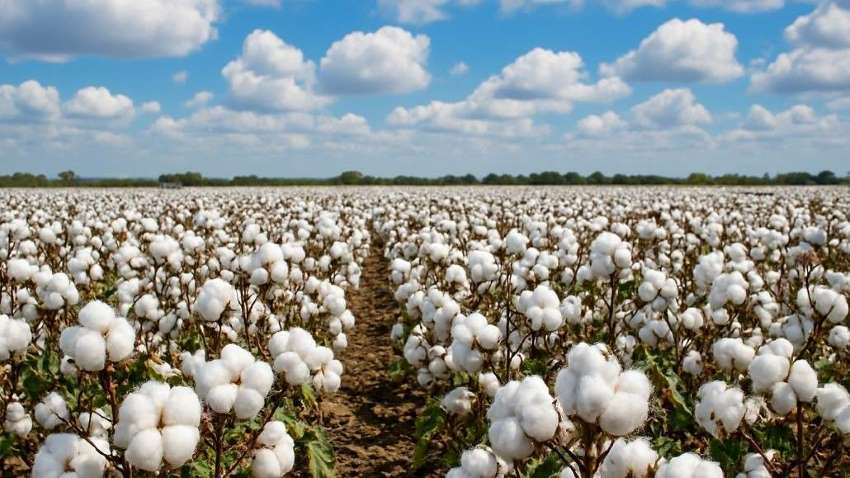
Better Cotton, the world's largest cotton sustainability initiative, is set to launch a strategic partnership in Spain with a high-profile event in Seville. This initiative will bring together key stakeholders, including the Inter professional Cotton Association (Espalgodon) and the Regional Government of Andalucia, who have played a pivotal role in aligning the regional government's Integrated Production System (IPS) with the Better Cotton Standard System (BCSS). These efforts aim to enhance the sustainability of cotton production in Spain.
Espalgodon, representing all cotton farmers in Spain, expressed interest in collaborating on sustainable cotton production in 2021. Subsequently, Better Cotton worked closely with the Regional Government of Andalucia, Spain's primary cotton-growing region, to recognize IPS as equivalent to BCSS. This recognition will enable cotton from IPS-licensed farms to be labeled as 'Better Cotton,' offering assurances of sustainability to consumers.
The strategic partnership seeks to address challenges posed by climate change, with a projected 48% decrease in cotton production for the 2023/24 season due to drought-related crop issues. Through collaboration, Better Cotton aims to leverage local expertise and networks while ensuring compliance with global sustainability standards.
Alan McClay, CEO of Better Cotton, highlighted the significance of this partnership in enhancing the resilience of Spanish cotton farming against climate change impacts. The agreement signing marks the start of this promising collaboration.
India's Technical Textiles Exports Poised for Significant Growth
India's technical textiles exports are poised for significant growth in the upcoming years, as the country is only just beginning to tap into this sector, according to Badresh Dodhia, Chairman of the Synthetic and Rayon Textiles Export Promotion Council (SRTEPC).
Within the realm of man-made fibers (MMF), technical textiles currently constitute 30 percent of total exports, signaling the early stages of India's foray into this field. Technical textiles are essential components in various industries, including sportswear, fire-resistant materials, geo-textiles, construction, agro-tech, industrial technology, and home furnishings.
Germany currently holds the lion's share, accounting for 60 percent of the global technical textiles market. These textiles are renowned for their exceptional strength, surpassing even that of steel, and find applications in industries like rocket manufacturing.
Dodhia emphasized that technical textiles could serve as the driving force behind MMF exports. In contrast, India's textile exports have traditionally been dominated by cotton, comprising 60-65 percent of the total. This contrasts with the global market, where MMF makes up 70 percent of total textile demand. India's lower share in the textile export market presents an opportunity, and the country could become a preferred supplier of MMF.
Over the past five years, there has been a consistent 10 percent Compound Annual Growth Rate (CAGR) in MMF demand, following a period of stagnation from 2014 to 2018. Dodhia attributed this growth to increasing awareness among Indian consumers, which has reduced the need for export incentives.
The Indian government is also playing a role in promoting the growth of the MMF sector. The Ministry of Textiles has urged the association to develop a brand that represents MMF in the global market, similar to the Kasturi brand for cotton. Additionally, the government has launched the Productivity-Linked Incentive (PLI) scheme in the MMF sector, which has been successful in promoting growth.
Unlike cotton, MMF prices are less volatile and are influenced by crude oil prices. This stability, coupled with the sustainability factor of MMF, makes it an attractive option for the textile industry. MMF is recyclable, and Prime Minister Narendra Modi's endorsement of a jacket made from waste plastic bottles has given a significant boost to the sector. Furthermore, MMF is being utilized in the uniforms for legislative staff in the new Parliament building.
Overall, the outlook for India's technical textiles exports is positive. The country has the potential to become a major player in this sector, given its strong MMF foundation and government support.