


FW
Intertextile Shenzhen Apparel Fabrics 2024: Showcasing fashion innovations
Less than a fortnight remains until the commencement of Intertextile Shenzhen Apparel Fabrics 2024, poised to unfold in the heart of Shenzhen’s bustling CBD from June 5th to 7th. With anticipation running high, stakeholders across the textile value chain are primed to unveil innovations, illuminate prevailing global fashion trajectories, and furnish timely insights into industry dynamics. The event, slated to span across Halls 1, 2, and 9 at the Shenzhen Convention & Exhibition Center (Futian), is poised to host a diverse array of exhibitors hailing from 11 distinct countries and regions.
A diverse tapestry of fabrics and accessories awaits attendees, encompassing an extensive spectrum ranging from ladieswear and casualwear to denim, suiting, functional wear, and sportswear, alongside swimwear and lingerie. Suppliers hailing from China, the Asia-Pacific region, and beyond are set to converge, showcasing offerings spanning organic and man-made fibers to finished apparel, promising a comprehensive sourcing experience for buyers.
Central to the fair's allure is its pivotal role in facilitating market access for Asian suppliers into South China's vibrant textile landscape. This year, the Japan Zone, Korea Pavilion, and Taiwan Pavilion are anticipated to draw substantial foot traffic, complemented by a myriad of domestic pavilions representing key textile hubs including Changshu, Haining, Huzhou, Shaoxing, and Shengze.
Innovation emerges as a focal point for prominent exhibitors, with a notable emphasis on sustainability and functionality. Idole Trading, for instance, champions eco-conscious practices through its innovative blend of Australian wool and Japanese tri-acetate yarn, yielding fabrics characterized by breathability, glossiness, anti-static properties, and wrinkle resistance. Similarly, Kurabo Industries from Japan harnesses advanced technologies to craft sustainable fabrics from natural fibers, underscoring a commitment to comfort and environmental stewardship.
Augmenting the fabric showcase, a multifaceted lineup of fringe events promises to offer attendees a deeper understanding of prevailing market trends, innovation pathways, and sustainability imperatives. From a discourse on bioinspired super fibers by the Nano and Advanced Materials Institute (NAMI) to insights into textile AI exploration and prospects by HKRITA, the seminar agenda reflects a convergence of diverse perspectives shaping the textile industry's trajectory.
As Intertextile Shenzhen Apparel Fabrics 2024 unfolds concurrently with Yarn Expo Shenzhen and PH Value, the event stands as a collaborative endeavor orchestrated by Messe Frankfurt (HK) Ltd, Messe Frankfurt (Shenzhen) Co Ltd, the Sub-Council of Textile Industry, CCPIT, and the China Textile Information Center. With the stage set for a confluence of innovation, style, and industry foresight, the event is poised to catalyze transformative dialogues and propel the textile domain into new frontiers of excellence.
Stoll unveils knitting innovations at ITM 2024
Stoll, a leading name in the flat knitting industry and a division of the Karl Mayer Group, is set to unveil its latest advancements at the ITM 2024 trade fair, running from June 4-8 at Istanbul's Tuyap Fair and Congress Center. Turkey, a market with immense potential for Stoll, will witness the debut of revolutionary machinery, software solutions, and the new Nocturno Trend Collection.
Located in Hall 3, Stand 303A, Stoll will showcase four machines designed to meet the diverse needs of Turkish knitters. Highlighting the lineup are two machines from the CMS series, tailored for high-volume, trend-driven production under cost constraints. The CMS 530 ki BcW E7.2, known for its versatility, will display its prowess in technical textiles by producing a baby seat cover using sustainable, zero-waste methods. Meanwhile, the latest ADF 530-32 ki Flex E7.2 machine promises unparalleled flexibility and creativity with advanced features like automatic needle bed adjustments, plating, intarsia, and weave-in technology.
In addition to hardware, Stoll will present its innovative software suite, knitelligence. This includes the Create Plus programming system and the PPS production planning tool, both designed to enhance efficiency and transparency across the production chain. Create Plus offers a user-friendly interface for sophisticated pattern programming and integrates seamlessly into digital workflows, significantly reducing time to market. The web-based Stoll PPS tool ensures optimized production planning, faster response times, and improved on-time delivery.
A special highlight of Stoll's presence at ITM will be the debut of the Nocturno Trend Collection, inspired by the allure of nightlife. Created by Stoll's Fashion & Technology department, the collection features intimate apparel crafted from shiny, transparent materials in dark shades, showcasing innovative knitting techniques and sophisticated designs.
With these cutting-edge machines and digital tools, Stoll is poised to empower Turkish knitters, driving innovation and efficiency in the flat knitting industry.
Textile imports from India to Bangladesh on a downward trend
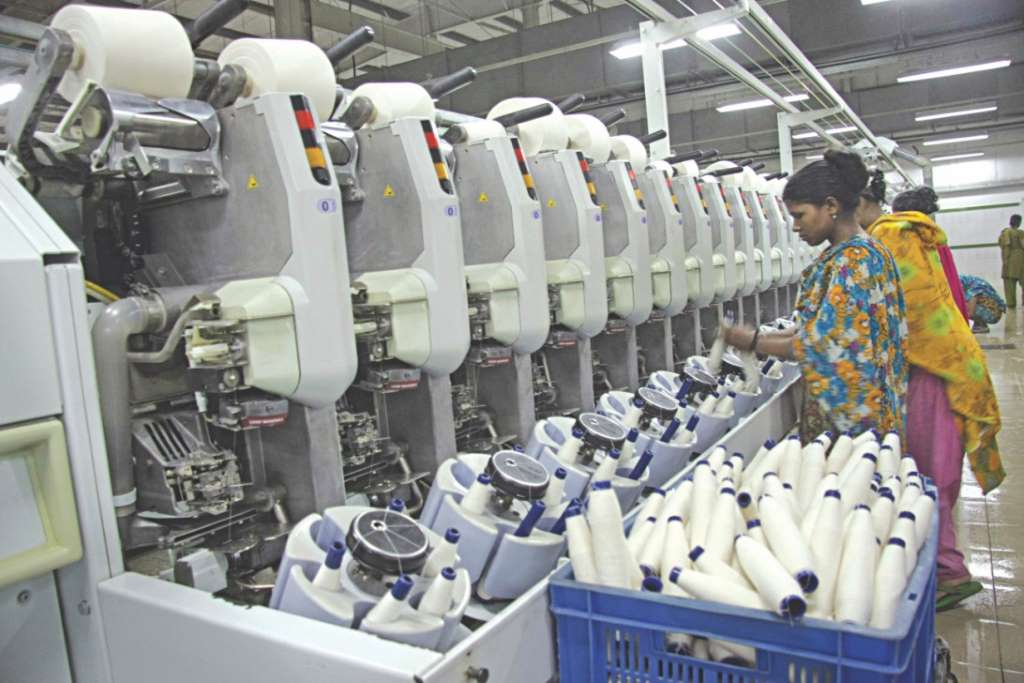
Bangladesh, a global leader in apparel exports, has traditionally relied heavily on textile imports, particularly from India. However, recent data suggests there has been a significant decline in textile imports like fibres, yarns, and fabrics, particularly from India, in recent years. This trend raises concerns for India's textile industry, which has traditionally been a key supplier to Bangladesh.
Table: India's textile exports to Bangladesh compared to China (figures in $ bn)
|
Product category |
FY23 (India) |
FY23 (China) |
Change (India) FY22-23 |
Change (China) FY22-23 |
|
Cotton fabrics |
1.2 |
2.5 |
-15% |
+5% |
|
MMF fabrics |
0.8 |
3.2 |
-10% |
+8% |
|
Yarns (cotton & MMF) |
0.4 |
1.8 |
-8% |
+3% |
Why is India losing market share?
There are several reasons why India is losing ground in Bangladesh texto;es market.
Global economic headwinds: The ongoing global economic slowdown is impacting demand for Bangladeshi garments, leading to a decrease in raw material imports, including textiles.
Shifting focus: Bangladesh is aiming to move towards manufacturing higher-value garments, which may require different types of fabrics not readily available from India.
Competition: China remains a major competitor, offering competitive prices and a wider variety of textile options.
China's growing presence in Bangladesh's textile imports is due to several reasons. It has economies of scale as China's massive textile production capacity allows them to offer competitive pricing on bulk orders. Also, product diversification is their forte. China offers a wider variety of textile products, including high-tech fabrics, catering to Bangladesh's evolving garment industry. And they have established supply chains and efficient logistics infrastructure to ensure faster delivery times.
Meanwhile Indian exporters too face numerous challenges and payment delay is a major one. Delays in banking and finance transfers from Bangladesh can hamper smooth business transactions. Then there are logistics bottlenecks. Complexities in cross-border movement of goods can add to lead times and costs.
Initiatives from both ends
Both India and Bangladesh need to address these challenges. India needs to streamline customs procedures, offering competitive pricing strategies, and exploring faster financing options like buyer's credit can be beneficial. Bangladesh on its part needs to diversify import sources beyond China to reduce dependence and explore options for pre-payment or faster transfer mechanisms can help. Both governments are exploring trade facilitation measures and potential Free Trade Agreements (FTAs) to ease import processes. Textile industry bodies from both countries are in talks to address logistical bottlenecks and explore financing solutions.
They are looking at alternative payment mechanisms like Letters of Credit or exploring collaborations with financial institutions to expedite transfers can be helpful. And both governments could explore initiatives like pre-shipment financing or export insurance schemes to mitigate risk for Indian exporters.
Regaining its market share in Bangladesh requires India to address competitiveness, streamline processes, and collaborate with Bangladesh to find mutually beneficial solutions. Both countries stand to gain from a more efficient and vibrant bilateral textile trade.
Duty-free deals on thin ice, Shein and Temu face scrutiny
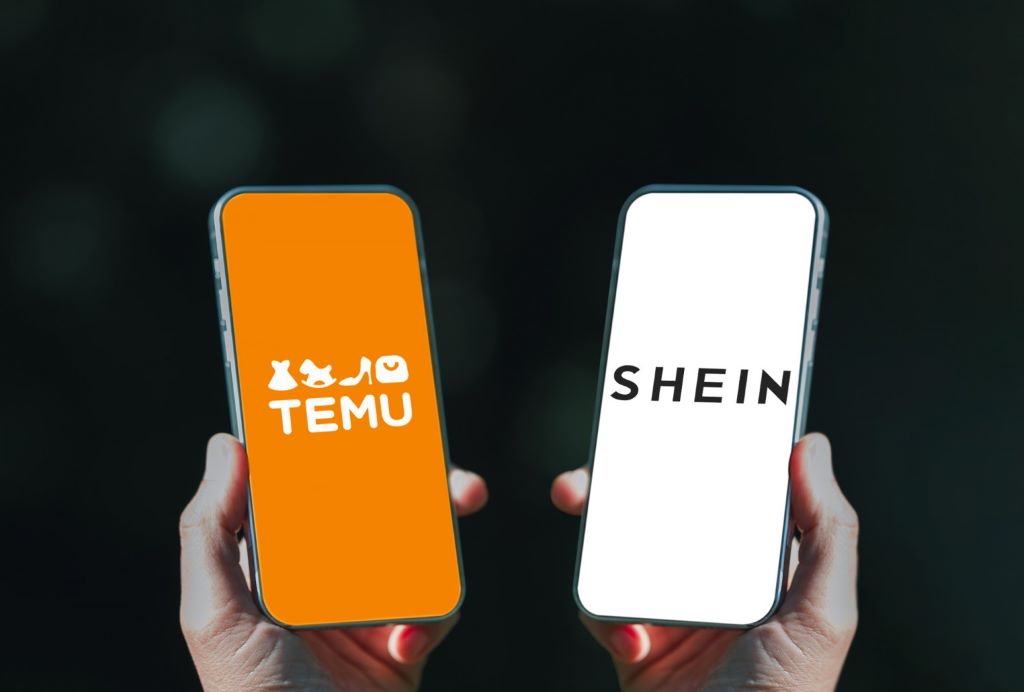
Shein and Temu, the online retail giants, have taken the world by storm. Their business model revolves around ultra-trendy clothing and accessories at rock-bottom prices. But their success story is facing head winds with potential tax hikes. Both companies have come under fire in the EU and US for allegedly exploiting a loophole that allows duty-free import on individual shipments below a certain value threshold.
Shein boasts of over 10 million active users and a staggering $10 billion in revenue (2022). Their average order value falls comfortably under the US's de minimis value of $800, allowing them to bypass import tariffs. Temu a brainchild of Chinese tech giant Pinduoduo, Temu is a rising star, mirroring Shein's strategy. Even though data on their revenue is limited, their aggressive marketing and low prices suggest a similar approach to customs duties. Their success hinges on ultra-low prices. The average Shein item costs around $11, while Temu boasts smartwatches as low as $25. This affordability is partly due to loophole in import duty regulations.
The de minimis loophole
The US and EU both have de minimis thresholds, which exempt low-value shipments from import duties and customs inspections. This speeds up delivery and reduces costs for both retailers and consumers. However, critics argue that Shein and Temu are exploiting this system.
|
De minimis thresholds |
region |
|
European Union |
€150 (around $163) |
|
United States |
$800 |
Lawmakers and established retailers are crying foul, arguing that the de minimis policy is being exploited. Here's why:
Lost revenue: Governments lose out on import duties, a significant source of income.
Uneven playing field: Brick-and-mortar stores and traditional online retailers have to pay duties, putting them at a price disadvantage.
Human rights concerns: There are allegations of forced labor in some Chinese factories supplying these companies, and the de minimis loophole allows shipments to bypass proper inspections under the Uyghur Forced Labor Prevention Act (UFLPA) in the USA.
Policy pushback
Now the tide is turning both in the US and Europe. In the US a House report accused Shein and Temu of violating tariff laws and evading human rights reviews. Proposed legislation aims to close the de minimis loophole for certain categories of goods. Congressman Earl Blumenauer (D., Ore.) says this loophole allows them to undercut American businesses and potentially import goods made with forced labor.
Similarly in the EU, Germany, a major retail hub, is pushing for an EU-wide reform to eliminate the tax break for low-value parcels. Their argument is the current €150 duty-free threshold creates an uneven playing field, favoring Shein and Temu over brick-and-mortar stores that pay full customs dues. “The current system encourages a flood of small, untraceable packages, making it difficult to ensure product safety and fair competition,” opines Hans Peter Sattler, Head, German Retail Association.
However, Shein and Temu giants aren't going down without a fight. Shein argues their business model benefits consumers and they comply with all relevant laws. They also say, lowering the de minimis threshold would harm consumers by raising prices. They've also expressed willingness to work with policymakers to find a solution. Temu on the other hand hasn't issued a public statement yet, but similar arguments about consumer benefit and legal compliance are likely.
A shaky fashion future
Meanwhile if the proposed policy changes take effect, Shein and Temu could face significant challenges.
Higher costs: Increased duties and customs processing fees would translate to higher prices for consumers, potentially dampening their appeal.
Slower delivery times: More thorough customs checks could slow down the delivery process, impacting their fast-fashion model.
Compliance scrutiny: They might face stricter scrutiny regarding labor practices and potential violations of the Uyghur Forced Labor Prevention Act (UFLPA) in the US.
Shifting strategies: The companies might explore alternative shipping methods or raise minimum order values to qualify for bulk discounts and lower per-item duty rates.
While the outcome of this policy tug-of-war remains to be seen, but one thing is certain the days of frictionless duty-free imports for Shein and Temu might be numbered.
Heimtextil Columbia highlights the region’s potential in home textiles
The recently-concluded maiden edition of Heimtextil Colombia highlighted the region's potential in the home textiles, interior design, and hospitality sectors, with business opportunities expected to materialise in the short to medium term.
Organised under the auspices of Messe Frankfurt, the event attracted over 4,500 specialised visitors, including 1,200 national and international buyers, and 118 exhibitors. It successfully connected key players from Colombia's textile and interior design industries with leading companies from Latin America, Europe, and Asia. This first edition showcased the synergy between Colombian brands and the production expertise of manufacturers and suppliers from over 15 strategic markets. As Sebastian Diez, CEO, Inexmoda states, Heimtextil Colombia demonstrated the region’s distinct value proposition and its ability to engage with a global market.
The exhibition featured innovative and sustainable solutions for home textiles, furniture, decor products, space concepts, and sensory experiences. It featured notable contributions from countries such as Argentina, Brazil, China, India, Italy, Pakistan, Singapore, Spain, and Turkey. Colombian brands from Bogotá, Medellín, Cali, and Barranquilla also made a significant impact with their distinctive designs.
Heimtextil Colombia facilitated cultural exchange, networking, and knowledge-sharing among 1,200 buyers from the Americas, Europe, and Asia. The event highlighted the national industry's potential to enhance its global competitiveness through its unique DNA, biodiversity, material diversity, quality, creativity, and strategic location.
Licensed to host Heimtextil Colombia, Inexmoda infused the event with a Latin-American flavor through initiatives like ‘Creative Colombia’ and ‘Kitchen by Heimtextil’. ‘Creative Colombia’ featured proposals from 10 Colombian brands, presenting various household spaces such as bedrooms, living rooms, dining rooms, kids' rooms, and backyards. The tradeshow also highlighted the kitchen as a crucial family space, blending cooking experiences with home textiles, etiquette, and Colombian culture.
The ‘Knowledge Set’ offered 14 conferences, talks, and stands focusing on hospitality, the future of habitat and environment, sustainable business strategies, and consumer-centric product creation. Additionally, the ‘Trends Forum’ unveiled three trends for the 2024/2025 season, inspired by nature, technology, and biotechnology.
With Heimtextil Colombia, Inexmoda advances its goal of internationalising national brands and companies, exploring new categories where the Colombian identity and DNA shine.
Louis Vuitton’s Cruise 2025 collection pays homage to Spain’s rich cultural heritage
Showcased at a show in Barcelona, Louis Vuitton’s Cruise 2025 collection pays homage to Spain’s rich cultural heritage. The collection blends these influences with 1980s camp, equestrian elements, and striking accessories like wide-brimmed hats, fringed leather boots reminiscent of horse hooves, and futuristic, reflective Oakley-inspired sunglasses.
In contrast to the vibrant colors and prints of the brand’s pre-fall collection, the Cruise collection exuded a chic sophistication. The palette featured blacks, whites, creams, neutrals, and grays, accentuated by metallic textures, architectural volumes, and voluminous ‘80s satin skirts. The show began with looks that seemed to nod to ‘80s Armani power suits, maintaining the vintage theme throughout.
The collection offered flamenco frills, a matador jacket, sheer polka-dot dresses, sporty equestrian attire, and thigh-high leather boots. The collection blends the signature silhouettes of Nicolas Ghesquièr, Artistic Director-Women’s Collection with the vibrant style of Louis Vuitton to create dynamic contrasts that made sartorial sense.
Celebrating his 10th anniversary with Louis Vuitton, Ghesquier preceded the Cruise 2025 collection with a pre-fall 2024 collection at Shanghai’s Long Museum.
Since assuming his position at Louis Vuitton in 2013, Ghesquière has infused the brand with relentless innovation and creativity. His tenure is distinguished by a masterful blend of the Maison’s heritage with avant-garde design, featuring bold silhouettes, material innovation, and futuristic elements.
Tejin Frontier launches innovative polyester fabric akin to Japanese ‘Sudare’ blinds
Tokyo-based company, Teijin Frontier has launched an innovative polyester fabric that has a structure similar to that of traditional Japanese 'Sudare' blinds. Combining high breathability and UV protection, this fabric allows breezes to pass through while effectively blocking sunlight.
Historically, achieving both breathability and UV protection in apparel fabrics was considered impossible. However, the new fabric by Teijin features slit-shaped, highly breathable areas in either the warp or weft direction, enabling excellent air flow alongside an impressive 85 per cent UV blocking performance.
Incorporating a blend of recycled polyester and elastane, the fabric features added stretch with its uneven structure preventing stickiness. The fabric was developed using advanced high-shrinkage dyeing and finishing techniques. The company plans to market this fabric for the 2025 Spring and Summer fashion and casual clothing lines in Japan. They aim to achieve sales of 250,000 m in fiscal 2024 and 750,000 m by fiscal 2027.
Mafatlal Industries Q4FY24 revenues rise by 81%
Showcasing a remarkable performance, Mafatlal Industries registered 81 per cent quarter-on-quarter rise in revenues, from Rs 420 crore in Q3FY24 to Rs 764 crore in Q4FY24. On a Y-o-Y basis, the company’s revenue escalated by 126 per cent from Rs 338 crore in Q4FY23 to Rs 764 crore in Q4FY24.
Mafatlal Industries net profit surged by 94 per cent Q-o-Q from Rs. 17 crore in Q3FY24 to Rs. 33 crore in Q4FY24. On a Y-o-Y basis, the company’s net profit increased by a staggering 175 per cent from Rs. 12 crore in Q4FY23 to Rs. 33 crore in Q4FY24.
Examining the company's profitability measures, there has been an improvement in return on equity (RoE), which increased from 4.19 per cent in FY21-22 to 6.05 per cent in FY22-23. Similarly, the return on capital employed (RoCE) rose from 8.02 per cent to 8.78 per cent during the same period. However, the net profit margin (NPM) stood at 2.70 per cent for FY22-23.
Mafatlal Industries is involved in the manufacture and trading of textiles and technology-related products. Their product range includes clothing, school uniforms, traditional textiles, health and hygiene products, and educational technologies. The company caters primarily to the textile and allied product market as well as the digital infrastructure industry.
Welspun Living to set up jacquard towel manufacturing plant in Anjar
Textile manufacturer Welspun Living is expanding its jacquard towel capacity with a 6,400 mtpa plant in Anjar. To be set up with an investment of Rs 400 crore, the plant will be operational by November 2024. It will facilitate Welspun’s market penetration in the beach and fashion category besides expanding its offerings in the kitchen and bath robes segment.
Welspun is also setting up a Greenfield plant to manufacture pillows in Ohio, US with an initial capacity of 6.7 million pillows. The company will invest $50 million in this new facility, which is expected to be operational by September 2024.
Pillows are the second most sold category after bath towels in the home textile sector. In 2022, nearly 250 million units were sold, with the US market valued at approximately $2.8 billion, projected to grow to $3.6 billion by 2026. This new plant taps into nearshoring opportunities by increasing production capacity closer to the US market.
The brand ‘Welspun’ continues to strengthen its leadership position as the most widely distributed home textile brand in India, with a presence in over 600 towns and 20,282 outlets, an increase of 9,112 in FY24. The flooring business recorded its highest ever yearly revenue of Rs. 9,269 million at an EBITDA of 8.3 per cent, reflecting a growth of 31.4 per cent in FY24. Emerging businesses, including domestic consumer, branded, advanced textiles, and flooring, grew by 16 per cent in FY24, contributing 33 per cennt to the total consolidated sales.
Globe Textiles India reports robust performance in Q4 and FY24
Renowned exporter of fabrics and garments catering to both global and domestic markets for the past decade, Globe Textiles India reported robust performance during Q4 and the full year of FY 2023-24. The company’s performance was driven by a strong demand, operational efficiencies, and strategic market expansion.
In Q4 FY24, Globe Textiles India exhibited strong operational and financial performance. The company acquired a 70 per cent stake in Globe Denwash featuring an environmentally friendly facility with a Zero Liquid Discharge system and partial solar power generation in April 2024. This acquisition led to a 30 per cent increase in consolidated revenue. Additionally, product mix optimisation and a transition to a customer-centric business model have begun to yield tangible results.
The company further enhanced its production capabilities by adding a garment processing capacity of 20,000 units per day and 600,000 units per month.
During Q4 FY24, Globe Textiles India delivered a strong performance despite challenges in global geopolitics and the macroeconomic environment. This volume growth contributed to a healthy revenue increase in Q4. For the full year, revenue stood at Rs 43,100.39 lakhs, a 107.25 per cent rise from Rs 40,183.18 lakhs in Q4 FY23.
The increased volume and operational efficiency of Globe Textiles led its EBITDA increasing by 145.61 per cent Y-o-Y to Rs 823.97 lakhs for the year. The company’s margins in the the textile and yarn segments also improved due to lower input costs and enhanced efficiencies in the garments division. Its full-year profit after tax rose to Rs 575.11 lakhs.
Overall, Globe Textiles India reported strong financial results for FY 2023-24, driven by strategic acquisitions, operational efficiencies, and market expansion, positioning the company well for continued growth.











