


FW
RMG exports from Egypt rise to $856 million during Jan-Apr’24
Exports of readymade garments from Egypt rose by 23 per cent to $856 million during Jan-Apr’24 as against $697 million during the same period in 2023.
As per Marie Louis Bishara, President, Readymade Garment Export Council, exports to the United States grew by 14 per cent to $347 million from $304 million in 2023. The second largest importer of readymade garments was European Union with a 33 per cent rise in imports totaling $200 million in the first four months of 2024 from $150 million in 2023.
Egypt’s exports to Spain rose by 45 per cent to $49 million from Jan-Apr’24, compared to $34 million during the same period in 2023.
Exports to Arab countries grew by 34 per cent to $173 million from the previous year. The Kingdom of Saudi Arabia emerged as the biggest importer with an 85 per cent surge in imports during the first four months of 2024. Egypt’s exports to the Kingdom rose from $28 million during the first four months 2023 to to $52 million in 4M 2024.
Libya also demonstrated robust growth, recording an impressive 82 per cent growth in exports from $33 million in 4M 2023 to $60 million in 4M 2024.
Exports to African countries (excluding Arab states) soared by 189 per cent to $2.5 million.
Chinese designers make Pitti Uomo debut at China Wave

From June 11 to 14, 2024, Florence will be the stage for an unprecedented showcase of contemporary Chinese fashion. Eight elite designer brands from China will debut at Pitti Immagine Uomo, the leading menswear and lifestyle event, held at Fortezza da Basso. This notable appearance is orchestrated under the banner of CHIC, China International Fashion Fair, on a sprawling 264 square meters.
The exhibition, aptly named China Wave, stems from an exclusive partnership between Pitti Uomo and the China National Garment Association. Curated by CHIC, the event at Costruzioni Lorenesi will present high-end Chinese brands that epitomize exquisite craftsmanship, quality, and aesthetic appeal.
The Designers: Innovators of style and tradition
Valleyouth, a young menswear brand, draws inspiration from natural elements. Founders Li Wenjie and Geng Hualiang merge their backgrounds in fashion and landscape design to create handmade pieces that express independence and freedom, mirroring the ethos of today's younger generation.
Shanghai-based Blackhead stands out with its daring and unconventional designs. The brand's accessories defy traditional norms, encouraging self-expression and authenticity, resonating with a spirit of rebellion.
KB Hong by K-Boxing, a leader in high-quality business casual menswear, will showcase its top-tier collection that marries oriental aesthetics with Italian sophistication. With over 40 years of craftsmanship and a history of showcasing at Milan Fashion Week, this brand is a testament to enduring quality and style.
Raxxy and More: Defining luxury and innovation
Known for its luxurious downwear, Raxxy captivated the fashion world with a show on the Great Wall. The brand's latest collection, shot at the iconic site, blends cross-border fashion design with mathematical precision, offering a futuristic aesthetic.
Keyone, a headwear brand with an online international presence, integrates street style with individual flair. The label, which also runs China's unique hat museum and organizes the China Hat Festival, embodies playful and personal style.
JDV - J Different View, promotes "Passion for Life" through its menswear jackets made from natural materials. The brand emphasizes that fashion is more than clothing—it's a lifestyle.
Contemporary sportswear and street styles
Founded by Ge Feng in 2019, Fenggy caters to modern women with minimalist and versatile designs. Recognized as one of China's top designers, Feng combines comfort, functionality, and contemporary trends in her luxury sportswear line.
Typetail translates social community themes into vibrant street styles. Since its inception in 2018, it has become a leading name in Chinese womenswear, reflecting the dynamic and diverse interests of young fashionistas.
Event highlights and future prospects
To celebrate China Wave's premiere, a cocktail reception is scheduled on June 11. Esteemed guests, including Chen Dapeng (President of the China National Garment Association and CHIC), Raffaello Napoleone (CEO Pitti Immagine), and Antonio Cristaudo (CCDO Pitti Immagine), will inaugurate the event.
Looking ahead, the next CHIC event is slated for August 27-29 in Shanghai, where around 500 exhibitors from Europe and Asia will convene. Organized by the China National Garment Association in cooperation with China World Exhibition, CHIC continues to be a pivotal platform for international fashion exchange.
Conclusion: A milestone for Chinese fashion
China Wave at Pitti Immagine Uomo marks a significant milestone for Chinese designer brands on the global stage. This event not only highlights the exceptional talent and creativity emerging from China but also fosters deeper cultural and commercial ties within the international fashion community.
American Eagle Outfitters grapples with subdued demand as living expenses rise
With shoppers adjusting their spending to manage higher living costs, American Eagle Outfitters continues to grapple with subdued demand. This year, the company registered a 9 per cent rise in inventory to $681 million as the stock for end-of-season merchandise increased.
Cautious spending by consumers due to rising economic pressures, especially in the apparel category, led to the company missing its revenue targets this year, says Rachel Wolff, Analyst, Emarketer.
The company’s performance lagged behind competitors Abercrombie & Fitch and Dick's Sporting Goods, both of which raised their annual sales forecasts earlier in the day due to strong demand for trendy clothing and footwear.
Maintaining its targets for the fiscal 2024, American Eagle expects revenues to rise by 2 per cent -4 per cent from last year. The increase in shopping during the spring season has boosted the store’s revenues by 4 per cent with digital revenue growing by 12 per cent.
Data from LSEG shows, the company’s net revenues for the quarter ended May 4 rose by 6 per cent to $1.14 billion, slightly below analysts' average estimate of a 6.4 per cent increase to $1.15 billion, according to LSEG data. First-quarter profit per share was 34 cents, exceeding analysts' expectations of 28 cents.
Burberry’s new Hangzhou store displays brand’s new Rocking Horse Bag
Burberry’s new store in Hangzhou, Zhejiang Province, Mainland China offers the brand’s new Rocking Horse Bag, inspired by Burberry’s spirit of innovation, creativity and equestrian heritage.
Launched as a part of the Winter 2023 collection, the Rocking Horse bag’s design is based on new house motifs through interlocking hardware in the shape of a lowercase 'b' and straps which attach to the bag using stitching in the shape of an uppercase B.
The selected styles inside the store include classic house motifs such as the iconic Burberry Check, a pattern introduced in the 1920s, while the back of the back has the Equestrian Knight Design embossed on it.
Featuring the latest Burberry Classics and Summer 2024 collections by Daniel Lee, Chief Creative Officer, the store offers a collection of menswear, womenswear, shoes and accessories, including the Rocking Horse bag.
Crafted by local stonemasons, the store’s staircase and façade are inspired by classic London architecture, and reflecting Burberry’s British heritage.
The interiors of the store display unique wooden sculptural tables designed by artist Casey McCafferty, alongside rugs from British textile artist Tom Atton Moore, reflecting the brand's commitment to support independent artists.
Australians surpass Americas with purchase of 56 clothing items annually: Research
As per a recent research by the Australia Institute, Australians purchase more clothes per person than any other nation and spend significantly less on each item. Australia has surpassed the United States as the leading consumer of textiles per capita, the study reveals. Australians buy an average of 56 clothing items annually compared to 53 in the US.
Co-authored by Nina Gbor and Olivia Chollet, the report urges the Federal Government to implement new policies and taxes to curb fast fashion and regulate the industry. It indicates, the average value of clothing items purchased by Australians notably lower at is $13 than the averages in the United Kingdom ($40), the United States ($24), Japan ($30), and Brazil ($16).
Highlighting the detrimental effects of Australia’s clothing consumption habits on both health and environment, Nina Gbor, Director-Circular Economy and Waste Program, Australia Institute, emphasises on the need to reduce waste at its source by penalising brands that mass-produce low-quality, inexpensive clothing, often worn just a few times or discarded unsold.
Praising the upcoming national clothing product stewardship scheme, Scheme, Gbor argues that the 4 per cent tax to fund domestic recycling initiatives and reduce clothing waste is insufficient to alter brand behavior, and should be increased to at least 50 cents per item. She also calls for additional measures, such as a fast fashion tax, to hold the industry accountable.
With Shein and Temu projected to generate over $2 billion in sales this year, the Federal Government could redirect some of these profits to combat clothing waste and support domestic recycling and a circular textiles industry, adds Gbor.
The report also recommends introducing a tax on fast fashion, similar to France's legislation, and increasing supply chain transparency, akin to New York state’s Fashion and Social Accountability Act. Additionally, the authors advocate for establishing textile labeling standards, subsidising textile repairs, and banning the export of textile waste from Australia.
As per the polls by the Australia Institute, around 63 per cent of the Australians are concerned about the environmental impact of textile waste. Furthermore, 71 per cent believe businesses should be held responsible for eliminating it, followed by 57 per cent who consider it to be the responsibility of consumers and 54 per cent who hold the government accountable for eliminating the textile waste.
The research also highlights a lack of awareness, with 46 per cent recognising petroleum as the source of polyester and only 27 per cent knowing that over half of the clothes sold in Australia are made from plastic.
Apparel industry reimagines sourcing, McKinsey survey indicates a shift

A new McKinsey report, based on a global survey of apparel Chief Procurement Officers (CPOs), suggests a significant shift in the way fashion brands approach their supply chains. The study, ‘Reimagining the apparel value chain amid volatility’, highlights a growing emphasis on efficiency, resilience, and sustainability. These factors are prompting a potential paradigm change in sourcing strategies, particularly for brands in the US and EU.
The survey, encompassing CPOs from companies with a combined annual sourcing spend of $110 billion, sheds light on five key themes reshaping apparel sourcing:
Prioritizing agility: The traditional model of apparel sourcing, characterized by long lead times, mass production, and a focus on low costs, seems to be nearing its end. Consumers demand faster turnaround and more responsive designs. Survey results highlight a growing urgency among brands to address volatility in the market. This translates to a heightened need for agility and responsiveness to consumer demands.
Building resilience: Supply chain disruptions have underscored the need for diversified sourcing strategies to mitigate risk.
Sustainability as a focus: Environmental and ethical concerns are a growing priority for both brands and consumers. CPOs are seeking suppliers with strong sustainability practices.
Collaboration over competition: The survey indicates a move away from a purely transactional relationship with suppliers. The survey underscores the growing importance of supplier relationships. CPOs are prioritizing closer collaboration with suppliers to achieve greater transparency, resilience, and ultimately, a competitive edge. This could mean a move away from a purely transactional approach towards a more strategic partnership model.
Digital transformation: Embracing digital tools for supply chain management is crucial for improved transparency, efficiency, and responsiveness.
Impact on traditional sourcing hubs
These shifting priorities have implications for traditional sourcing powerhouses like China, Mexico, Bangladesh, and Turkey.
China: While China will likely remain a major player, its dominance may wane. Brands may look to diversify their sourcing base to mitigate geopolitical risks and ensure compliance with stricter labor and environmental regulations.
Nearshoring: The report suggests a potential rise in nearshoring, particularly for the US and EU brands. Sourcing from geographically closer locations can improve agility and reduce transportation costs. Countries like Mexico, Turkey, and those in North Africa could benefit.
Focus on sustainability: Countries with strong sustainability credentials will be better positioned. Bangladesh and Vietnam, for instance, are investing in cleaner production processes.
The survey also highlights a crucial gap in digital adoption within the apparel supply chain. Most CPOs rated their organizations' and suppliers' digital maturity as low. Investing in digital tools for better visibility, data-driven decision making, and real-time communication will be essential for building a more efficient and resilient supply chain.
The McKinsey survey paints a picture of an apparel industry in flux. While the full impact on sourcing locations remains to be seen, the focus on agility, resilience, and sustainability will undoubtedly reshape global supply chains. The ability to adapt and embrace these new priorities will be key for both brands and sourcing countries in the years to come.
Financial performance of Chinese apparel companies reveal slow recovery
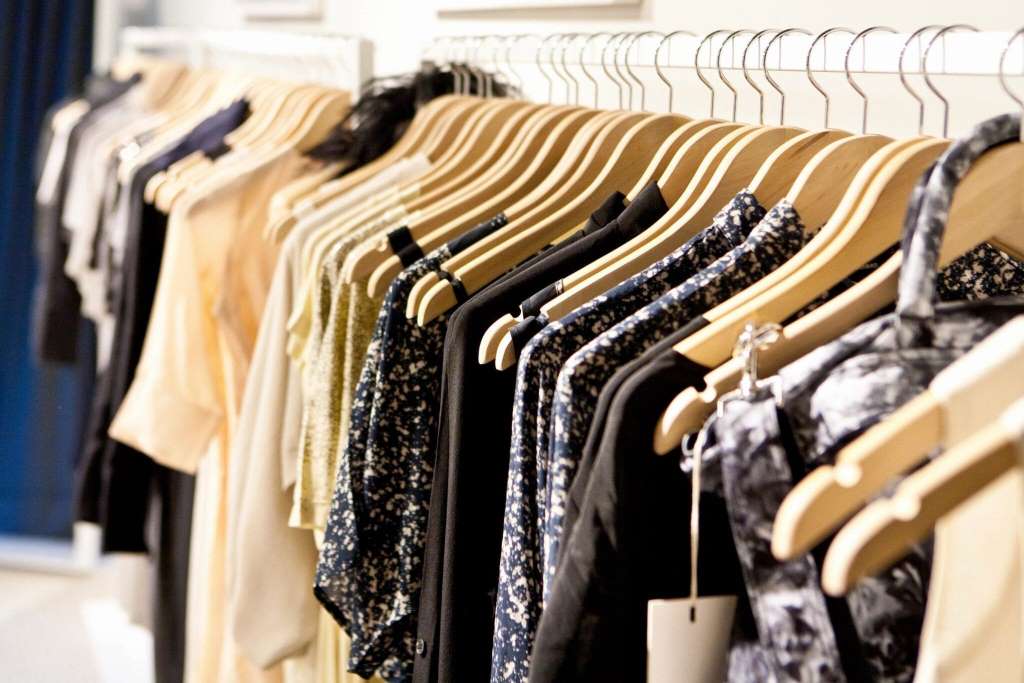
This report analyzes the financial performance of 12 listed Chinese apparel companies in 2023 and the first quarter of 2024. Some of the companies in the list are: HLA, Youngor, Semir, Meters/bonwe, Peacebird, Septwolves, Hodo, Lancy Share, Ellassay, JOEONE, Busen, and GRN.
Market situation
The apparel companies are showing signs of recovery with an increase in total revenue and net profit compared to previous years. However, the growth rate is weaker compared to 2021, indicating a slow recovery. There is significant differentiation among brands. Some companies like HLA and Semir are experiencing strong growth, while others like Meters/bonwe and GRN are struggling. The significant difference in profit margins between companies suggests fierce competition in the market. While gross profit margins remain high, net profit margins have decreased significantly, indicating rising costs and intense competition. The decrease in net profit margin compared to gross profit margin indicates a need for companies to adapt to changing consumer demands and business models. To cope up, companies need to adapt to changing consumer demands and personalize their offerings to stay competitive.
Table: Key financial metrics for 2023 and Q1 2024
|
Metric |
Year 2023 |
Q1 2024 |
|
|
Total Revenue |
81.474 bn yuan (4.59% YoY growth) |
20.733 bn yuan (4.17% YoY growth) |
|
|
Net Profit |
8.891 bn yuan (14% YoY growth) |
2.996 bn yuan (6.13% YoY growth) |
|
|
Non-recurring Net Profit |
7.475 bn yuan (6.2% YoY growth) |
2.876 bn yuan (10.25% YoY growth) |
|
|
Inventory Turnover Days (Average) |
255.4 days (7.4% decrease YoY) |
238.53 days (11.27% decrease YoY) |
|
|
Asset-Liability Ratio (Average) |
45.48% (3.3% decrease YoY) |
43.9% (2.46% decrease YoY) |
Overall, the Chinese apparel market seems to be in a stage of weak recovery. While companies are regaining profitability, adapting to a changing market landscape remains a key challenge.
The curious case of Vietnam's trade surplus with US and a delicate balance with China
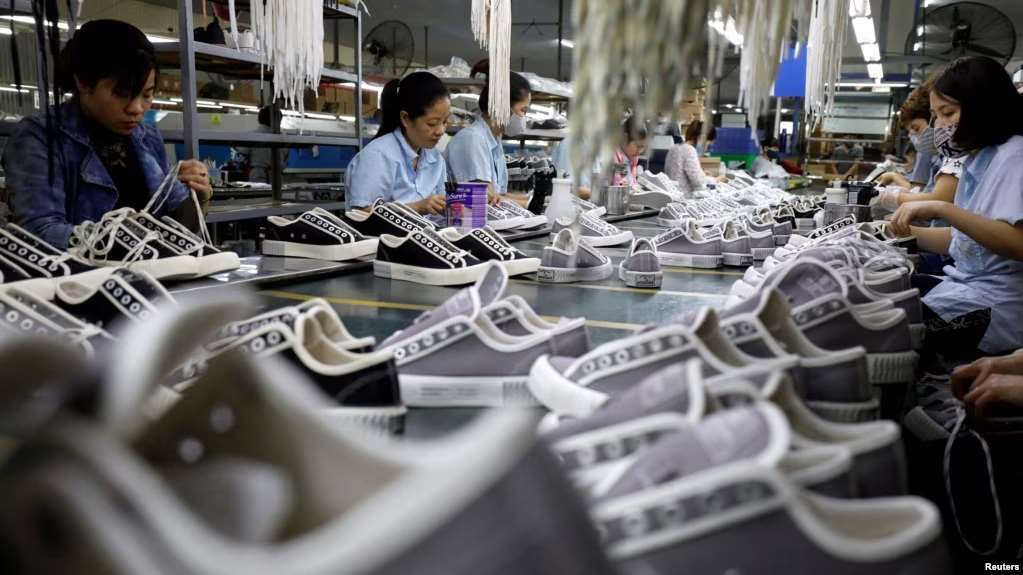
Over the years, Vietnam has emerged as a major trading partner for the United States, but a closer look reveals a fascinating twist. The Southeast Asian nation's impressive trade surplus with the US is intricately linked to its import-heavy relationship with China.
US surplus backed by China
World Bank statistics and Reuters’ analysis reveal a fascinating trend. The increase in Vietnamese exports to the US coincides almost perfectly with a rise in Vietnamese imports from China. In 2022, the US imported goods worth over $114 billion from Vietnam, more than double the amount in 2018. This rise tracks closely with the increase in Chinese imports to Vietnam. In the first three months of 2024, US imports from Vietnam totalled $29 billion, while Vietnam's imports from China amounted to $30.5 billion.
Table: Vietnam’s export/import to US and China
|
Country |
Vietnam exports ($bn) |
Vietnam imports ($bn) |
Trade surplus (deficit) ($bn) |
|
USA |
90.7 |
43.4 |
47.3 |
|
China |
74.1 |
132.8 |
-58.7 |
Experts see this as a potential case of trade deflection. Darren Tay, Lead Economist at BMI, a research firm, believes Chinese firms might be routing goods through Vietnam to bypass additional tariffs imposed by the US on Chinese import. This strategy allows them to remain competitive in the US market while Vietnam enjoys a growing trade surplus. Tay feels Chinese firms could be using Vietnam to circumvent the additional tariffs imposed on their goods. This could potentially lead to future trade actions by the US against Vietnam.
Textiles and apparel lead growth
Vietnam's booming textile and apparel industry is a key driver of this surplus. The Vietnam Textile and Apparel Association estimates garments and textiles make up almost 65 per cent of Vietnam's exports to the US. This translates to a significant portion of the surplus - estimated at around $58.8 billion in 2022 based on US Census Bureau data.
This industry thrives due to several factors:
Low labor costs: Vietnam boasts competitive wages compared to developed nations, making it an attractive destination for apparel manufacturing.
Free trade agreements: Trade deals like the Trans-Pacific Partnership (TPP) have granted Vietnamese apparel duty-free access to the US market, further boosting exports.
The China connection
Interestingly while Vietnam ships finished garments to the US, a closer look reveals many of these products began their journey in China. China acts as a crucial supplier of raw materials (like fabric) and intermediate goods (like zippers and buttons) that are then assembled in Vietnam for export. This dependence on China creates a unique situation.
Balancing act: Vietnam's trade deficit with China helps it to offset surplus with the US. In essence, Vietnam acts as a middleman, importing parts from China and then exporting finished products to the US.
Potential scrutiny: The US may view this situation with suspicion. There's a concern that some Chinese companies might be routing their goods through Vietnam to avoid tariffs imposed on Chinese imports. This could lead to future trade actions by the US against Vietnam.
The relationship between Vietnam, China, and the US is a delicate dance. While Vietnam benefits from increased exports to the US, it relies on China to keep its factories running. This dependence leaves Vietnam vulnerable to potential changes in US-China trade relations. If the US were to impose tariffs on Vietnamese goods to counter perceived trade deflection, Vietnam's economic house of cards could come tumbling down. Therefore, Vietnam needs to diversify its supply chain and focus on innovation to ensure sustainable long-term growth.
July 2024 edition of Premiere Vision Paris to showcase A/W 25-26 collections by 920 exhibitors
A premier international event for the textile, leather, and apparel industry, Première Vision Paris will showcase the Autumn/Winter (A/W) 25-26 collections from over 920 international exhibitors at its upcoming edition in July 2024.
The upcoming edition of the exhibition will feature 434 exhibitors of fabrics, 202 manufacturers, 50 designers, 66 exhibitors of leather products, 115 accessories exhibitors, 25 yarns exhibitors, and 33 Smart Creation exhibitors.
The exhibitors to be featured in the exhibition include spinners, knitters, weavers, tanners, textile designers, accessories makers, and garment manufacturers from around 40 countries such as Italy, France, Spain, Portugal, Japan, the UK, Belgium, South Korea, Turkey, China, and more.
Having met with a resounding success in its February 2024 edition, the Hosted Guest program will be reorganised in July 2024 with an €1 million investment from the GL events Group. This program will help strengthen industry links and develop strategic partnerships.
The Hosted Guest program will be complemented by the new Export program run by Business France, the National Agency for internationalising French companies. This government-subsidised program helps finance visits of key foreign decision-makers to France besides organising export business meetings between buyers and French companies.
Introduced in early 2024, the Matchmaking program has also been renewed. The program facilitates collaborative opportunities, having arranged 587 meetings between exhibitors and brands in its initial run.
The PVCube will provide visitors from luxury brands an opportunity to interact with a fashion expert for a more personalised and confidential sourcing process. This tailored experience provides access to 300 fabric samples and 50 new leathers among the season’s most iconic materials.
As a leading organiser of international events for the fashion industry, Première Vision supports the entire industry through its extensive programs and solutions. These initiatives aim to foster business discussions, promote sustainability, encourage digitalisation, and support the development of innovative collections.
Montforts installs MonexCoat coating unit in Bangladesh
Montforts has installed the MontexCoat coating unit at the DBL Group plant in Bangladesh. This versatile unit supports various applications, including full PVC coatings, pigment dyeing, minimal surface treatments, and solvent coatings. It accommodates knife coating, roller coating, and screen printing, providing flexibility and efficiency in energy and raw material use.
Monforts has also introduced the Coattex for single-sided applications with paste or foam.
Dedicated to air knife and knife-over-roller coating, Coattex can either be integrated into existing finishing ranges or installed with new Monforts lines, such as the Montex stenter systems.
With the support from Bengal Technology and Engineering, Monforts has realised over 100 fully integrated line installations in Bangladesh over the last 30 years of its operations.
Founded in 1884 in Mönchengladbach, Germany, Monforts specialises in providing advanced fabric finishing technology. The company manufactures its machines in Europe, with a primary plant in Austria. Specialists in drying, stretching, heat-setting, and coating, Montex stenters are celebrated for their energy efficiency and robust performance. They have set new standards in the denim and home textiles industry.
Committed to saving energy, Monforts strives to reduce its CO2 footprints, especially in the energy-intensive finishing part of the textile production chain. The company has launched various innovations like the VarioMatex padder, which mechanically squeezes out water, and the EcoApplicator, ideal for functional sportswear, for this purpose.
Monforts has also developed heat recovery and energy optimisation options for Thermex hotflue and Montex stenter solutions to save upto 40 per cent energy. An air/air heat exchanger, The Universal Energy Tower saves upto 25 per cent energy while integrated into the Montex stenter chamber, the ECO Booster heat recovery system saves upo 35 per cent energy.
Monforts' Thermex hotflue dyeing systems are widely used in denim production with around 150 systems employing the Econtrol® processes for efficient dyeing. The latest CYD yarn dyeing system integrates new functions to enhance quality and productivity.
Monforts' Qualitex 800 visualisation software allows operators to store and recall settings for thousands of treatment processes, ensuring efficiency and customisation.











