FW
Global apparel and footwear market to reach $2,736.86 bn by 2026: Study
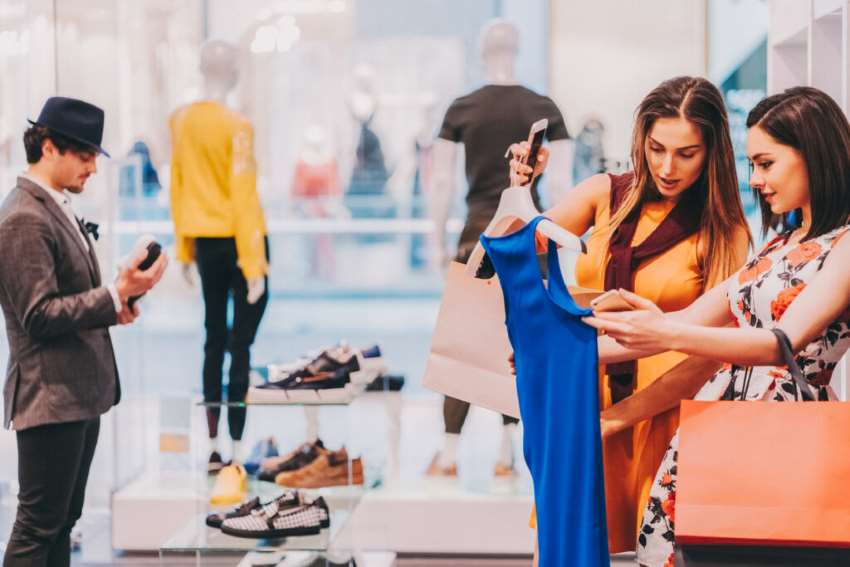
Award-winning market research solution, Reportlinker.com, predicts the global apparel and footwear market to grow at a 6.65 per cent CAGR to reach $ 2736.86 billion by 2026. In its latest report Global Apparel and Footwear Market, Reportlinker.com says, apparel and footwear businesses are attracting investments from several large multinational companies. This has resulted in the gradual transformation of a commodity market into a branded products market, being dominated by multinational companies, adds the report.
The report segregates the global apparel and footwear market on the basis of type, product type, end-user, distribution channels and region. As per analysis, the apparel market dominates on account of factors such as rapidly changing fashion, increasing influence of western culture, growing internet penetration, as well as the continuous launch of altering fashion at lower prices supported by aggressive branding.
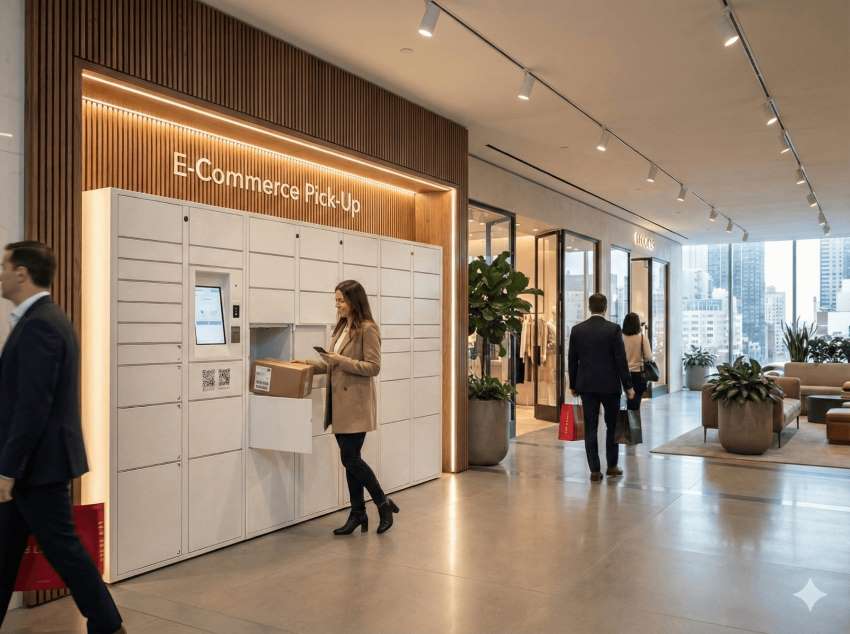
In 2026, specialty stores are anticipated to account for a majority share in the global apparel and footwear market; however, the online channels are expected to increase during the forecast period.
APTMA rejects government proposal to close factories for 10 days
Pakistan’s Gohar Ejaz, Patron in Chief, APTMA, has rejected the government’s decision to close factories for Eid ul Fitr holidays from May 10-16, 2021. He said, shutting down the entire country for 10 days will create a lot of glitches for the economy, industries, particularly the exporters who will not be able to dispatch their shipments abroad due to the complete closure of banks, ports, customs, and all other departments during excessive holidays. It will badly affect and deprive the daily wage earners of the country of their desperately needed earnings for continuous 10 days, he added.
He particularly highlighted, despite the issues and hardship the textile Industry remains committed to double the exports. Textile manufacturers have orders in hand and are working day and night to dispatch shipments according to the agreed schedule. This decision will end up in the cancellation of orders which will not only result in losses to manufacturers but also to the country.
Ejaz requested the government to limit holidays to four days from May 13-16, 2021. He also requested the government to abstain from shutting down production and transportation as the country would not be able sustain this loss.
ScoopX Pure to be co-located with Pure Origin
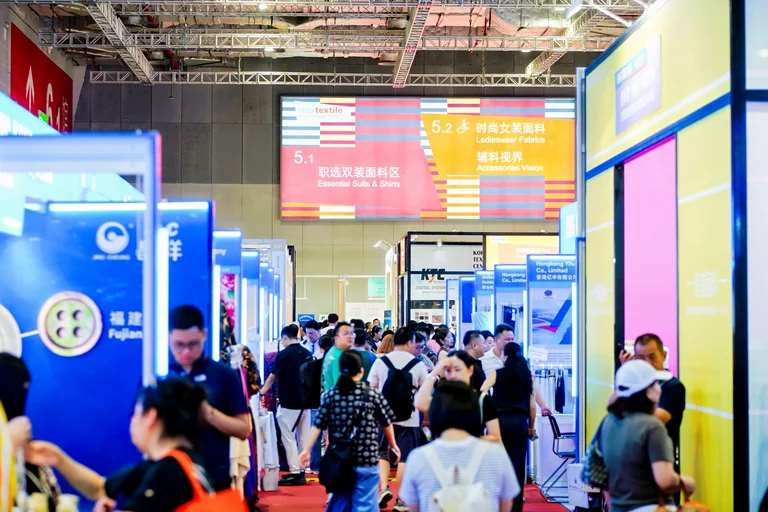
Leading textile shows, Scoop and Pure London, will be co-located alongside UK’s leading international fashion sourcing show Pure Origin at the Old Truman Brewery in East London, from September 07-09, 2021.
Organizer Hyve Group has decided to move to show to a mid-week dateline to tie in with retailers’ visits to Shoreditch based showrooms, allowing them to return to their shops in time for busy weekend peak periods.
The change in date will also allowexhibitors who exhibit at international trade shows, including Who’s Next in Paris, to join the Scoop X Pure line-up. Curated by Scoop founder and MD, Karen Radley, Scoop X Pure will showcase the ‘best in show’, highlighting the most exciting collections and labels across the Scoop and Pure London rosters. Designed to offer a ‘department store’ atmosphere, the show will not only showcase both emerging and established UK and international fashion designers across men’s and womenswear but will also feature a selected edit of home and lifestyle products.
Myanmar military takeover leads to surge in garment orders for Philippines
The military takeover in Myanmar has led to global brands shifting their orders to Philippines. As per the Foreign Buyers Association of the Philippines (FOBAP), the country has received orders worth $500 million from international buyers, especially from the US.
It has received orders from American fashion brands for basic babies’ playwear, women’s dresses, intimate apparel and men’s athletic and sportswear, said Robert M Young, President, FOBAP and Trustee, Philippine Exporters Confederation Inc. These orders will translate into additional foreign revenue earnings, employment opportunities and livelihood which will snowball to related industries.
The country’s garment exports had declined by close to 40 per cent due to COVID-19, as per an October 2020 report by the International Labor Organization (ILO).
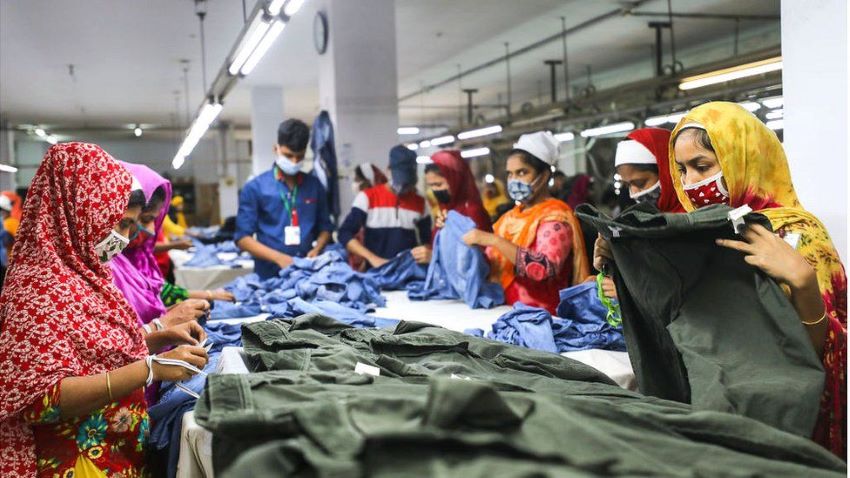
Accord signatories publish report on safety hazards at Bangladesh factories
Witness signatories to the Bangladesh Accord have published a report showing that deadly safety hazards remain at factories producing for major apparel brands and retailers.
The report ‘Unfinished Business: Outstanding safety hazards at garment factories, which shows that the Accord must be extended and expanded’, is based on a review of the Accord’s publicly available data on safety progress, and enumerates uncorrected safety hazards at factories producing for 12 leading brands covered by the Accord, including H&M, C&A and PVH (Tommy Hilfiger).
The data shows that a lot of progress has been made to make factories safer, with a majority of safety hazards being corrected. But the report also shows that weakening the legal accountability of the Accord agreement would risk the lives of innumerable workers as many important safety fixes have yet to be completed or verified. Many of the safety hazards still present in factories are the most costly ones to remediate. Brands and retailers must ensure that the factories they are sourcing from have the financial means to complete these renovations.
The witness signatories to the Accord -- Clean Clothes Campaign, International Labor Rights Forum/Global Labor Justice, Maquila Solidarity Network, and Worker Rights Consortium -- demonstrate that if the Accord agreement is not extended and expandedcircumstances of factories with unresolved safety problems will get worse, in absence of the same legally binding requirements and incentives;voluntary initiatives will replace the Accord’s safety program, leaving companies accountable to no one but themselves, which has been a recipe for failure in the past and improvements to safety in other garment producing countries will be delayed or not carried out at all.
Heimtextil establishes trend forecast for coming season
Together with the Heimtextil Trend Council, the management of Heimtextil has established a trend forecast for the coming season. Trend Council members Anja Bisgaard Gaede from Spot trends & business, Anne Marie Commandeur from still instituut amsterdam and Kate Franklin and Caroline Till from London studio Franklin Till created a vision for the trend theme “Nothing New, Everything New”.
In the textile industry, digitalisation and sustainability are currently omnipresent innovation topics. The coronavirus pandemic ensures that both topics are becoming even more important in the home textile industry. Heimtextil Trends 21/22 provide an overview of the status quo of those developments. In addition, visitors of the Trend Space can look forward to a presentation of the new colours, materials and designs. Four areas showcase the collective trends: “Repurpose”, “Rewild”, “Reinforce” and “Revive”.
The Repurpose trend is a way of changing the product development narrative within the textiles industry, shifting from creating original textiles to curating existing textiles to form new visual expressions. Rewilding is the act of returning nature back to its original wild state, yet the trend Rewild goes beyond returning to nature. The trend Reinforce is about visual and compositional longevity within textiles and materials. It draws inspiration from how Scandinavian design merges design durability with pared back functionality. Reflecting youthful activism within our present perspective, attitude and behaviour toward our world of “stuff”, Revive is an exploration of creativity. With a focus on achieving greater emotional satisfaction through the process of creating rather than on the result, no rules apply to the mending, processing, learning and experimenting in Revive.
Hanesbrands appoints Michael Dastugue
HanesBrands, a global marketer of branded everyday apparel, has appointed Michael Dastugueas its new chief financial officer, effective May 1, 2021.
As per Textile World, Dastugue will bring more than 30 years of financial leadership and transformation experience at large organizations to the company. He has an extensive background in financial planning and analysis, corporate strategy, accounting, tax and external reporting.
Most recently, Dastugue was executive vice president and chief financial officer at Walmart U.S., where he led financial activities at the company’s $370 billion U.S. segment. Dastugue played a key role in Walmart’s transformation, helping drive improved profitability and productivity across the organization. Prior to that, Dastugue served as executive vice president and chief financial officer at Sam’s Club, Walmart’s $57 billion club division. Before joining Walmart in 2013, Dastugue was chief financial officer at J.C. Penney, where he held a number of financial and real estate leadership roles during 20 years.
Dastugue holds a bachelor’s degree from Texas A&M University and an MBA from the University of Texas.
Bangladesh, Indonesia urge for early signing of PTA
At their first Foreign Office Consultations, Bangladesh and Indonesia emphasized on accelerating the signing of a Preferential Trade Agreement (PTA) within the ambit of which potential export items from both countries would be allowed to enter duty-free.
The two countries agreed to complete the signing of pending agreements on a fast-track basis, pursue sector specific agenda and do the needful to expand the volume of bilateral trade and investment.
Bangladesh has requested Indonesia to offer its readymade garments duty free benefits and not to impose safeguard measures on its textile products
The consultations were attended by Masud Bin Momen, Bangladesh Foreign Secretary and Abdul KadirJailani, Director General for Asia Pacific and Africa, Ministry of Foreign Affairs, Republic of Indonesia.
The two sides comprehensively reviewed the present status of bilateral relation between the two countries. The two countries also agreed to exchange business delegations and organize frequent single country and single product trade fairs.
Bangladesh sought market access to Indonesia’s Halal trade and investment from Indonesia in the agro processing.
Both sides agreed to promote cooperation on matters such as combating corruption, counter-terrorism, science and technology, export promotion, defense cooperation, climate change adaptation and mitigation, ethical migration, parliamentary exchange and pursuing sustainable development goals.
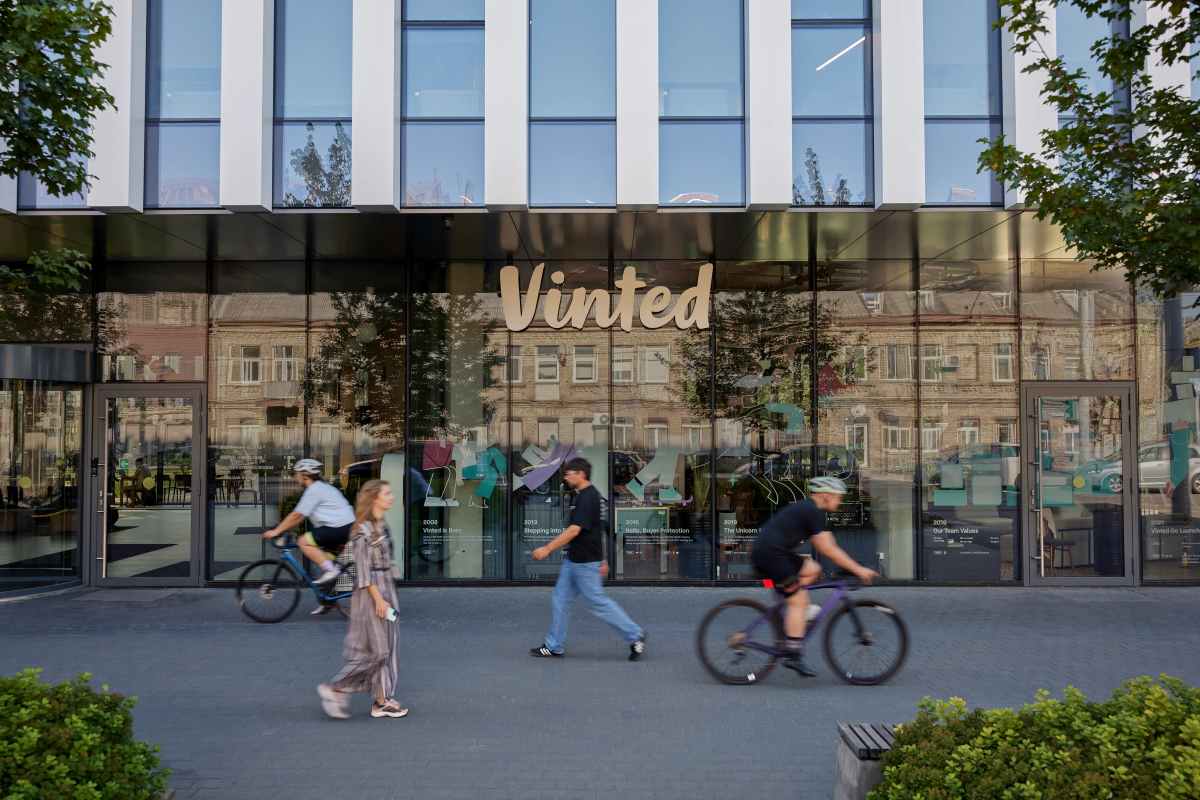
COVID-19 sparks consumers’ interest in vintage fashion
 Amongst other disruptions COVID-19 has also sparked consumers’ interest in pre-owned or vintage clothing. More people are opting for secondhand clothes now, says Sarah Willersdorf, Managing Director and Partner, Boston Consulting Group. She expects the percentage of secondhand clothes in a person’s wardrobe to reach 27 per cent by 2023. In the last one year, secondhand fashion business has almost doubled, observes Elizabeth Gross, who has been selling vintage clothing for the last 20 years. She recently closed her brick-and-mortar store to focus on Instagram.
Changing perceptions helps sale
A major reason for the rising popularity of vintage fashion is change in consumers’ perception towards pre-owned clothes, says Gross. Pre-owned clothes were earlier considered to be dirty and most people shied away from them. However now, vintage clothes are considered to be not just fashionable but also affordable and durable.
Sustainability is another factor that is driving consumers towards secondhand or vintage fashion. The trend also offers brands an opportunity to increase their sustainability quotient. Brands are launching their pre-owned collections on emerging social media platforms like Little Black Door. The platform helps consumers track and share their wardrobes with other consumers and connect to other resale platforms.
New schemes to boost sales
Along with sustainability, consumers are also getting attracted to vintage styles, adds Willersdorf. The customer base for secondhand clothing market is growing rapidly and retailers can no longer afford to ignore this opportunity. Many retailers are incorporating circular practices into their business to make them more responsible.
Brands are offering buy-back schemes where they collect returns to repair, recycle and resell them to increase their longevity, adds Kayla Marci, Market Analyst, Edited. This helps them to encourage shoppers to preserve their clothes longer and pass them on to future generations.
The secondhand clothing market is currently quite fragmented with players like TheRealReal and Vestiaire Collective claiming a larger share of the market. Over the next five years, several new players are expected to enter this burgeoning market.
Immense opportunity for Taiwanese textile machinery in India, say experts
Experts at a webinar organized by Taiwan External Trade Development Council (TAITRA) opined, India offers immense opportunities for Taiwanese textile machinery manufacturers. Held on April 29, the webinar was co-housed by the Bureau of Foreign Trade (BOFT) and MOEA, Taiwan. It was attended by representatives from four leading Taiwanese textile machinery companies, namely: Logic Art Automation, Pailung Machinery Mill, Acme Machinery Industr, And Hsing Cheng Machinery, who presented their latest solutions and technologies. These representatives emphasized the possible association between Indian and Taiwan companies. The event attracted over 275 viewers.
The webinar offered ways of various smart manufacturing solutions of textile industry which will lead to the advancement in manufacturing capabilities, cross-industry collaboration. Also the speakers explained the issues and solutions in areas such as weaving, spinning, dyeing and finishing and among others.