FW
Virudhunagar PM MITRA Park attracts Rs 2,192 crore investments
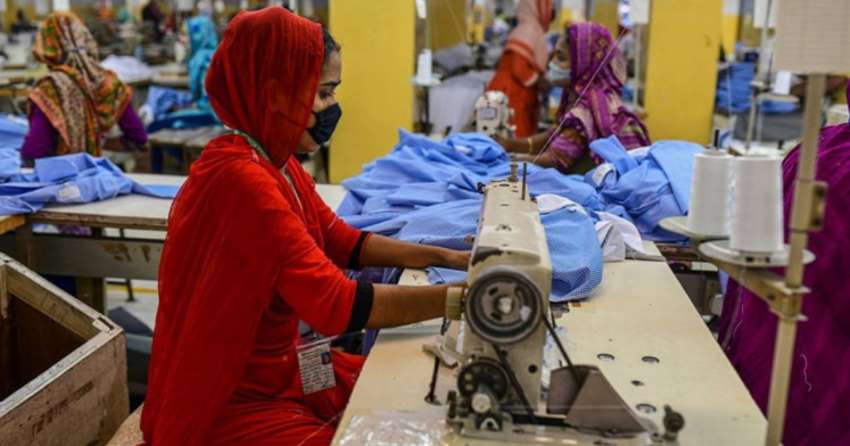
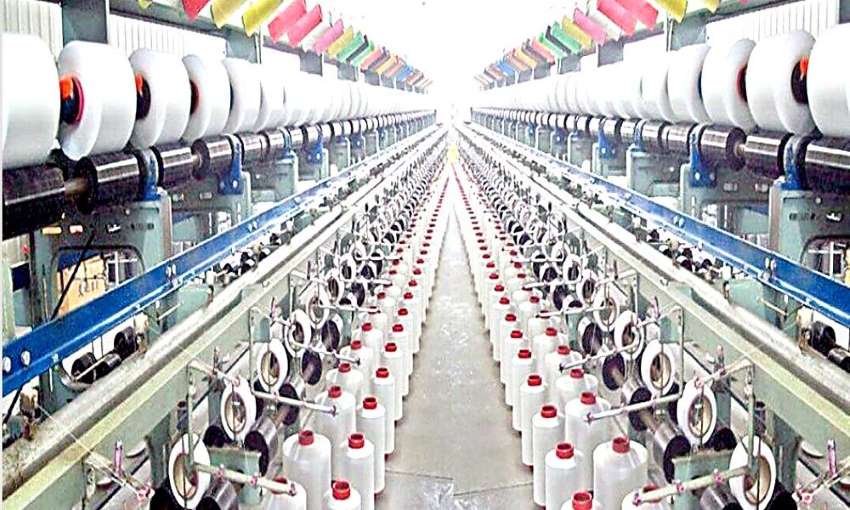
The PM MITRA Mega Textile Park in Virudhunagar, Tamil Nadu, has reached a significant operational milestone, securing committed investments of Rs 2,192 crore from 23 anchor investors ahead of its projected 2027 completion. Finalized through the Special Purpose Vehicle (SPV) board, this early capital influx signals a robust institutional confidence in the park's ‘plug-and-play’ infrastructure model. By consolidating the entire textile value chain - from spinning and weaving to high-end processing and garment manufacturing - the facility is engineered to mitigate the logistical inefficiencies that have traditionally hampered domestic export competitiveness.
Infrastructure as a competitive lever
Beyond land allotment, the project is rapidly advancing its utility framework to meet international sustainability standards. With nearly Rs 550 crore in infrastructure works currently under execution, the site is being equipped with a 15 MLD Zero Liquid Discharge (ZLD) common effluent treatment plant and a 20 MW solar power facility. This focus on sustainable processing is a strategic move to attract global brands that demand verified environmental compliance. The park’s design creates a frictionless environment for both MSMEs and large-scale integrated units to scale operations, notes a senior ministry official, highlighting how the proximity to the Tuticorin port will further reduce lead times for export-oriented apparel shipments.
Driving regional exports
The Virudhunagar PM MITRA Park is a flagship 1,052-acre integrated facility in Tamil Nadu designed to centralize spinning, weaving, processing, and garment production. It aims to drive regional exports, attract large-scale textile FDI, and generate 15,000 jobs. Currently under construction, it represents a key pillar of India’s 2030 textile manufacturing roadmap.
Tiruppur to boost performance with $11.5 billion knitwear exports by 2030
India’s preeminent knitwear manufacturing cluster, Tiruppur, has raised its performance trajectory by establishing an ambitious export baseline, targeting an expansion to $11.5 billion by 2030. To mitigate the historical vulnerability associated with cotton price volatility and shifting global buyer preferences, the cluster is executing a structural transition toward a balanced manufacturing mix. The updated strategy mandates that man-made fibers (MMF) and blended fabrics comprise 50 per cent of total regional garment production. This material diversification allows local manufacturers to capture higher-margin segments in the technical textile and global athleisure markets, which currently dominate international consumer demand.
Policy synchronization and supply chain interventions
The realization of this multi-billion-dollar export mandate is heavily contingent upon large-scale infrastructure deployment and central policy support. During recent bilateral stakeholder consultations, the Union Ministry of Textiles committed to accelerating the development of the 1,052-acre PM MITRA Mega Textile Park at Virudhunagar, which serves as a vital processing hub for the regional supply chain. The integration of integrated spinning, green processing, and advanced machinery modernization schemes will fundamentally enhance our cost competitiveness, noted KM Subramanian, President, Tiruppur Exporters’ Association. Key challenges, such as logistics costs and tariff uncertainties in Western markets, are being offset by the imminent implementation of new Free Trade Agreements (FTAs) alongside a dedicated state allocation of Rs 1,250 crore for industrial worker housing.
Prioritizing technical textile innovation
The Tiruppur industrial cluster is India's premier knitwear manufacturing hub, commanding nearly 60 per cent of the nation’s total knitwear export volume. Operating for over five decades, the cluster generates direct employment for more than one million personnel. Its modern operational roadmap prioritizes large-scale sustainable processing and technical textile innovation to achieve its long-term financial targets.
Scoop international re-imagines luxury retail as artisanal movement gains momentum
As Scoop International prepares to return to London’s Olympia National from July 19–21, 2026, the exhibition is reinforcing its position as a vanguard for the slow-fashion movement. Under the direction of Karen Radley, Founder and Creative Director, this edition moves decisively away from the high-volume procurement cycles that have historically dominated the trade show landscape. By curating a select cohort of international designers, Scoop is responding to a structural shift in the retail sector where buyers are increasingly prioritizing craftsmanship, ethical transparency, and narrative-driven collections over mass-market replenishment.
Strategic alignment with global consumer values
The industry-wide move toward ‘purpose-driven’ inventory reflects a significant recalibration of the consumer trade-off between price and value. Market data indicates, luxury and premium retailers are successfully mitigating the recent global slowdown in discretionary spending by de-emphasizing aggressive promotions in favor of high-value, small-batch offerings. Buyers today are not merely sourcing inventory; they are scouting for distinct stories that resonate with a more discerning, conscious clientele, notes Radley. This sentiment is supported by broader industry trends in 2026, where brands integrating traceability and sustainable material innovation are experiencing higher engagement from top-tier department stores such as Harrods and Galeries Lafayette.
Elevating material intelligence
The upcoming showcase highlights how independent brands are successfully navigating supply chain volatility. For instance, designers entering the UK market are increasingly adopting circular production models - such as utilizing bio-based textiles and artisanal heritage techniques - to ensure long-term viability. By fostering a professional environment focused on ‘real conversation’ rather than purely transactional volume, Scoop facilitates the necessary high-level connections between emerging labels and established global retailers. This approach ensures that exhibitors move beyond the risk of commoditization, securing a premium competitive advantage that aligns with the evolving demands of the 2026 retail ecosystem.
Supporting market expansion for emerging labels
Scoop International is a premier London-based fashion trade show founded in 2011. It specializes in premium womenswear, accessories, and lifestyle goods for department stores and independent retailers. The show supports market expansion for emerging labels, maintaining a robust profile as an exclusive hub for seasonal retail trends and innovation.
Click-and-Collect: Why retailers are turning pickup counters into sales machines
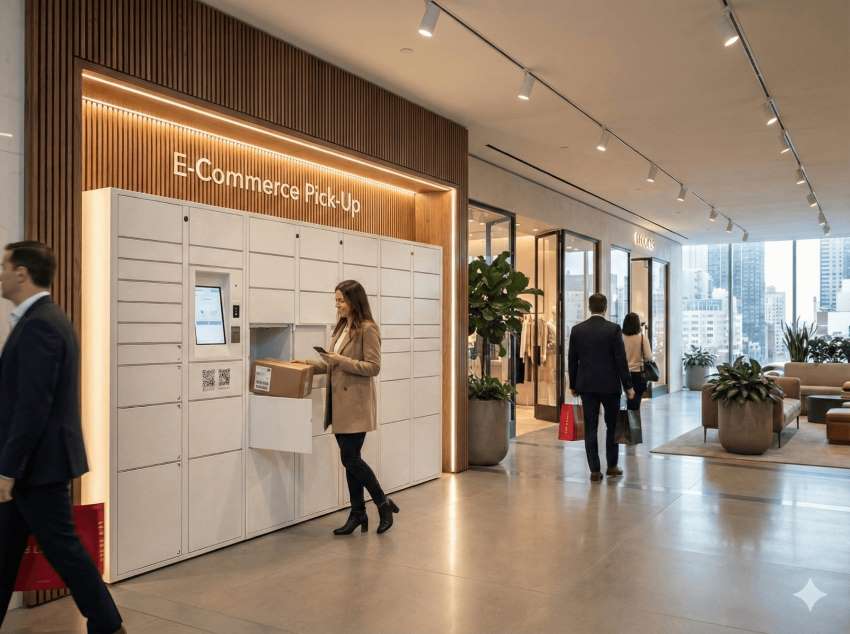
Modern retail has changed the role of the physical store. Once viewed primarily as a point of sale or inventory distribution hub, the storefront is now being redesigned as a sophisticated behavioural engine aimed at influencing purchasing decisions and maximizing profitability.
As e-commerce matures and consumers move seamlessly between online and offline channels, leading retailers are discovering that physical stores remain among their most valuable commercial assets, not because of what they sell directly, but because of how they shape consumer behaviour. What has led to this evolution is the rapid rise of click-and-collect services that are being transformed from simple fulfilment tools into strategic mechanisms for driving additional spending.
Few companies exemplify this shift better than Inditex, the parent company of Zara. The retailer continues to outperform many global apparel competitors through a combination of digital integration, supply-chain agility and carefully engineered store environments. In the first quarter of fiscal 2026, Inditex reported sales growth of 5.8 per cent to €8.7 billion while maintaining a gross margin above 61 per cent. Early second-quarter trading showed sales growth exceeding 11 per cent in constant currency, underscoring the effectiveness of its integrated online-to-offline retail strategy.
Designing the journey
The click-and-collect experience begins online, but its commercial value depends on what happens inside the store. So far, pickup counters were positioned near entrances to allow customers to retrieve purchases and leave quickly. Today's leading retailers are taking a different approach. Collection points are frequently located deeper within stores, requiring customers to navigate through key merchandise zones before reaching their order. This design philosophy reflects a change in retail thinking.
|
Feature |
Traditional model |
Behavioural commerce model |
|
Pickup Location |
Near entrance for quick exit |
Deep inside store |
|
Customer Objective |
Fast fulfilment |
Extended engagement |
|
Dominant Decision Mode |
Rational and task-oriented |
Emotional and impulse-driven |
|
Commercial Outcome |
Reduced visit time |
Increased basket size |
The objective is straightforward: increase exposure to new products and stimulate unplanned purchases. By extending the customer's path through the store, retailers create additional opportunities for visual engagement, product discovery and impulse buying. Behavioural economists often describe consumer decision-making through two systems of thinking. One is deliberate, analytical and rational; the other is fast, emotional and instinctive. Store layouts increasingly aim to shift customers from the former to the latter by surrounding them with sensory cues before they complete their intended task.
A shopper who enters solely to collect a prepaid order frequently encounters new arrivals, seasonal collections or premium merchandise during the journey. What begins as a logistical transaction can evolve into a significantly larger purchase.
The power of minimalism
Modern flagship stores are also becoming noticeably quieter and more restrained. Many retailers have removed aggressive promotional signage, discount banners and visual clutter from their premium locations. Instead, they rely on minimalist interiors, neutral colour palettes and gallery-inspired lighting to create an environment that elevates product perception. This approach serves an important commercial purpose.
In an environment filled with promotional messaging, consumers tend to enter comparison mode, actively evaluating value and searching for deals. Minimalist store design seeks to reduce those distractions and focus attention directly on the merchandise.
The result is a shopping environment where products become the primary visual stimulus. Retailers benefit from stronger full-price sell-through rates because customers spend less time evaluating competing price signals and more time engaging with the product itself. For fashion retailers in particular, where margins depend heavily on minimizing markdowns, the strategy can have a significant impact on profitability.
Stores that learn
Behind the sleek aesthetics lies an increasingly sophisticated layer of technology. Many global retailers now use RFID-enabled inventory systems that track merchandise movement throughout the store in real time. Unlike traditional inventory management tools that only capture transactions at checkout, RFID systems generate continuous data about how products move through the retail environment.
This information gives insights into customer behaviour at a granular level. Retailers can identify which product categories attract attention, which areas generate the highest engagement and which items reach fitting rooms but fail to convert into sales. The implications extend beyond inventory management.
Store layouts can be adjusted based on real-world behavioural data. Product displays, fixtures and merchandise placement can be modified rapidly to improve conversion rates, much like digital retailers optimize website layouts through continuous testing. Physical retail spaces are increasingly behaving like dynamic digital platforms, evolving in response to live consumer interaction.
Scarcity as a sales driver
Another critical element of the model is the use of scarcity. Zara's operating system is built around rapid product turnover and limited production runs. The company introduces thousands of new designs annually and replenishes stores at a pace few competitors can match.
This speed creates a sense of urgency among shoppers. Consumers understand that a product available today may not be available tomorrow. The psychological impact is significant. Traditional retail often allows customers to postpone purchases while waiting for promotions or comparing alternatives. Scarcity lessens that decision window and encourages immediate action.
For retailers, faster purchasing decisions translate into fewer markdowns, healthier inventory turnover and stronger margins.
One size does not fit all
While behavioural retail strategies have proven effective in fast-fashion environments, industry experts caution against applying them universally. Different retail categories require different customer mindsets.
Premium brands such as Massimo Dutti emphasize personalization and slower-paced customer engagement. Grocery chains often prioritize discovery, convenience and human interaction. Meanwhile, sectors such as luxury watches, consumer electronics and healthcare products depend heavily on trust, comparison and informed decision-making.
In these categories, reducing information or accelerating decisions may undermine customer confidence rather than increase sales. The lesson for retailers is not to replicate Zara's model directly but to align store design with the psychology of their target customer.
Closing the loyalty loop
The next phase of this strategy extends beyond purchasing altogether. Across several European markets, Zara has introduced circularity initiatives that encourage customers to return to stores for garment repair, donation and resale-related services. These programmes create additional reasons for shoppers to visit physical locations beyond making purchases.
By positioning these services alongside Click-and-Collect hubs, the retailer effectively creates a recurring traffic loop. Customers returning old garments are immediately exposed to new collections, increasing opportunities for future purchases.
The evolution reflects a broader retail reality. In the omnichannel era, the store is no longer merely a place where transactions occur. It is a behavioural platform designed to influence decisions, deepen engagement and extend customer lifetime value. As digital and physical commerce continue to converge, retailers that master the psychology of space may gain an advantage that extends far beyond traditional merchandising. The future of retail may depend less on what is being sold and more on how the journey to the checkout is engineered.
Why fashion e-commerce returns persist despite smarter sizing technology
For over a decade, the fashion sector has invested heavily in virtual fitting rooms, AI-powered size recommendations, and 3D body scanning technologies in an attempt to reduce e-commerce returns. Yet return volumes remain stubbornly high, exposing a deeper structural problem within online fashion retail. A new white paper by IDNTFY.ME highlights the industry’s long-standing assumption that consumers mainly return products because they do not fit is fundamentally incomplete. While size and fit remain contributing factors, the report concludes that behavioral patterns and platform-driven shopping habits have become the dominant forces sustaining reverse logistics at scale.
The numbers reflect how deeply embedded these habits have become. Between 2014 and 2024, the global apparel market expanded from roughly $1.3 trillion to $1.8 trillion, growing at an annually at around 3 per cent. Online apparel sales, however, nearly doubled from $350 billion to close to $700 billion over the same period, pushing e-commerce’s share of total apparel sales from 15 to 30 per cent.
But as digital apparel spending grew, return rates widened sharply. Online fashion returns now average between 20 per cent and 40 per cent, compared to just 8 to 10 per cent in physical retail. What was initially treated as a technological problem it appears to be a behavioral byproduct of frictionless commerce systems engineered to maximize order volume.
Returns become consumption
The strongest evidence emerges from regional and generational shopping behavior. In parts of Western Europe, returns have effectively become embedded into the online purchase journey itself.
Table: Country wise return rates
|
Country |
Return rate (%) |
|
Switzerland |
45 |
|
Germany |
44 |
|
Austria |
36 |
These figures indicate that returns are no longer exceptional outcomes but normalized components of digital apparel consumption. Consumers increasingly buy with the expectation that a meaningful portion of orders will be sent back. This trend is particularly visible among younger shoppers.
|
Returns by generation |
Estimated return volume (%) |
|
Generation Z |
50 |
|
Millennials |
40 |
|
Older Cohorts |
Lower |
Generation Z shoppers now reportedly return nearly half of everything they purchase online. The behavior is closely associated with ‘bracketing’, where consumers intentionally order multiple sizes, colors, or styles with the pre-planned intention of returning most of the items. The white paper notes that 69 per cent of Gen Z consumers deliberately over-order, effectively turning bedrooms into temporary fitting rooms. Social commerce has further normalized this cycle. Haul videos, ‘get ready with me’ content, and unboxing formats increasingly portray keep or return decisions as part of the entertainment experience surrounding consumption.
Flexible logistics policies reinforce these habits. Over 90 per cent of European shoppers now consider free delivery and free returns to be baseline expectations rather than premium services. As a result, purchasing and returning have merged into one continuous decision-making process.
A different intervention
To test whether behavioral alignment could reduce returns more effectively than technical sizing fixes, IDNTFY conducted a long-term consumer insights programme involving roughly 1,000 women. The company identified a recurring paradox among participants: despite owning full wardrobes, consumers consistently felt they had ‘nothing to wear’. Instead of immediately focusing on measurements or fit algorithms, the programme prioritized broader issues such as wardrobe management, personal style alignment, and deliberate purchasing behavior over a one- to two-year period.
The outcome was striking. Average online return rates within the cohort reportedly fell to just 5 per cent, even though participants still retained access to free or highly flexible return policies. The findings challenge one of fashion e-commerce’s most entrenched assumptions. Returns did not decline because sizing technology became more precise; they declined because consumers made fewer impulsive and mismatched purchases in the first place.
Growth vs efficiency
Despite the enormous operational costs associated with reverse logistics, the industry has struggled to address the issue because returns remain commercially beneficial in the short term. Lenient return policies continue to drive customer acquisition, basket expansion, and conversion rates. In many cases, the additional revenue generated through higher order volumes offsets the immediate costs of handling returned inventory.
This dynamic is gets a boost from investor expectations. Public markets continue to prioritize top-line growth as the dominant measure of performance, encouraging digital retailers to tolerate inefficient return structures as part of broader revenue growth strategies. Internally, the problem is further complicated by fragmented accountability. Return management is often dispersed across logistics, merchandising, customer service, sustainability, and marketing departments, leaving no single function fully responsible for controlling the issue.
At the same time, inconsistent sizing systems and incomplete SKU-level technical data continue to limit the effectiveness of machine learning tools designed to predict return behavior.
The sustainability reckoning
The environmental implications of this model are becoming increasingly difficult for the industry to externalize. The report notes that emissions associated with produced-but-unused garments can exceed the impact of reverse logistics itself, particularly when returned products are never resold and ultimately become waste.
|
Environmental impact metrics |
Data |
Reference |
|
Global Annual Waste from Returns |
25 bn kg |
BBC, 2023; The Interline, 2023 |
|
Annual Europe Return Transport Emissions |
10 mn tonnes CO2 |
Statista, |
|
Multiplier Effect of Multiple Delivery Cycles |
×3 Footprint |
Statista, 2024; Niinimäki, 2020 |
Regulatory changes in Europe are now forcing retailers to internalize these costs. The European Union’s Ecodesign for Sustainable Products Regulation (ESPR), which bans the destruction of unsold and returned apparel, effectively converts excessive returns from an operational inconvenience into a compliance liability.
As a result, brands are beginning to explore prevention-focused strategies rather than relying exclusively on post-purchase logistics optimization. These strategies include cross-functional internal task forces, behavioral checkout prompts, customer segmentation based on return history, and pilot programmes that encourage more intentional purchasing decisions before transactions are completed.
Rebuilding the digital wardrobe
The broader implication of the research is that fashion e-commerce may need to rethink the architecture of digital shopping itself. For years, the industry approached returns as a technical mismatch between garments and body measurements. But the persistence of high return rates despite sophisticated sizing tools suggests the real challenge lies elsewhere in consumer psychology, platform incentives, and the normalization of disposable decision-making.
Companies like IDNTFY.ME are now positioning wardrobe intelligence, behavioral alignment, and long-term purchasing discipline as the next frontier of fashion technology. If regulatory pressure intensifies and logistics costs continue to climb, the future competitive advantage in online apparel retail may no longer come from helping shoppers buy more, but from helping them buy better.
Adidas collaborates with Brawl Stars to merge operations in the virtual world
Adidas is reinforcing its ‘Own the Game’ strategy by embedding its brand identity deep within the digital architecture of Supercell’s Brawl Stars. This multi-phase partnership, which commenced on June 18, 2026, extends beyond standard product placement, integrating Adidas directly into the mobile gaming experience. A centerpiece of this initiative is the ‘adidas Starr Cup,’ a two-week in-game tournament where players compete in an updated ‘Super Brawl Ball’ mode. By introducing functional, Adidas-branded assets - such as exclusive skins for Brawlers -the brand is successfully turning virtual engagement into a driver for its broader ecosystem, including its adiClub loyalty program.
Apparel as a cultural bridge
The partnership culminates in the August 1 launch of the ‘Starr Drop Unlocked’ apparel and footwear collection. Targeted at junior consumers, the line reimagines iconic Adidas silhouettes like the Samba and Superstar, infused with character-inspired graphics and subtle ‘easter eggs’ from the Brawl Stars universe. This launch follows a high-visibility live activation at the Adidas Home of Soccer event in Brooklyn, where fans engaged with interactive zones and Robo Keeper challenges. According to industry analysts, this convergence of sports heritage and digital gaming culture is a calculated effort to capture Gen Z mindshare. By blending physical streetwear with gaming milestones, Adidas is effectively diversifying its revenue streams while deepening the emotional connection between its performance-driven heritage and the chaotic, fast-paced world of mobile esports.
Adidas is a global leader in the sporting goods industry, designing and manufacturing high-performance footwear, apparel, and accessories. Focused on digital transformation and community engagement, the brand serves athletes and lifestyle consumers worldwide. Its growth strategy centers on elite collaborations, sustainability, and blending physical sport with digital entertainment experiences.
Coach redefines luxury marketing with new digital platform
Coach has officially debuted ‘&Coach,’ a sophisticated digital platform designed to shift luxury storytelling from prescriptive marketing to participatory shared authorship. This new initiative serves as an always-on content ecosystem, departing from the traditional, top-down campaign models that have historically defined the luxury sector. By integrating Gen Z creators, cultural icons, and grassroots communities into the creative process, the brand is positioning itself as a companion to personal identity rather than a static status symbol. According to Joon Silverstein, Chief Marketing Officer, the platform recognizes that younger demographics prefer to actively build their sense of self rather than inherit an aspirational persona prescribed by heritage labels.
Operationalizing cultural relevance
The &Coach platform features a high-profile roster, including Charli xcx, Malala Yousafzai, and Paige Bueckers, who appear in unvarnished, authentic moments that prioritize emotional relatability over high-gloss polish. This strategic direction follows the success of the brand’s ‘Explore Your Story’ campaign earlier this year, which leveraged deep consumer immersions to drive a 25 per cent revenue increase in Q2, FY26. By utilizing social-first storytelling and maintaining a non-fixed narrative, the brand ensures its content remains fluid and responsive to cultural shifts. This disciplined commitment to co-creation enables Coach to reconcile its long-standing legacy with the rapid, participatory digital habits of modern consumers, effectively securing brand desire through genuine community engagement.
Focusing on long-term sustainable growth
Coach is a premier New York-based global fashion house known for leather goods, apparel, and accessories. A cornerstone of Tapestry, Inc, the brand focuses on sustainable long-term growth through digital innovation and community-led marketing. Its current strategy emphasizes inventory precision, experiential retail, and fostering deep consumer loyalty through inclusive branding.
AEG, WSG Brands acquire Allbirds to revitalize brand operations
The landscape for the once-buzzy lifestyle footwear brand Allbirds has shifted decisively following the formal completion of its acquisition by a partnership between the American Exchange Group (AEG) and WSG Brands. Following a tumultuous period that saw the firm’s valuation collapse from a $4.2 billion peak in 2021 to a final asset sale price of $39 million, the new owners are now setting the stage for a comprehensive brand revival. This transaction represents a total transition of the intellectual property, inventory, and brand identity, allowing the legacy entity to finalize its dissolution while the new co-owners launch an aggressive expansion roadmap.
Licensing and expansion under the new mandate
The strategy moving forward centers on a lean, asset-light model designed to restore Allbirds' market relevance. Under the current operating structure, AEG will leverage its extensive infrastructure in footwear design and manufacturing, while WSG Brands will spearhead brand management and market development. This division of labor mirrors the successful revitalization of the Von Dutch label, which recently saw significant distribution growth through similar licensing-led initiatives. Alen Mamrout, CEO, American Exchange Group, stated that the group is focused on preserving the brand's core identity while thoughtfully extending its reach into new product categories and international retail channels. By streamlining operations and utilizing strategic partnerships, the coalition aims to convert Allbirds’ established consumer affinity into sustainable commercial performance, shifting focus away from the capital-intensive direct-to-consumer model that previously challenged the brand’s profitability.
Wider distribution and product expansion to fuel growth
Founded in 2016, Allbirds gained global recognition for its sustainable, wool-based footwear. Originally a direct-to-consumer pioneer, it struggled to maintain momentum after its 2021 IPO. Post-acquisition, the brand is now managed by American Exchange Group and WSG Brands, focusing on licensing, wider retail distribution, and expanded product categories.
H&M sharpens retail focus with strategic portfolio realignment
H&M Group is undergoing a fundamental transformation of its physical retail estate as it navigates a volatile global market. While headlines often emphasize the shuttering of hundreds of stores, the group’s 2026 performance data reveals a deliberate strategy of ‘portfolio optimization’ rather than a mere retrenchment. By the end of May 2026, the retail giant had reduced its global footprint to approximately 4,036 stores, reflecting a net reduction of 128 locations over the previous 12 months. This systematic contraction is part of a broader mandate to prioritize high-performing assets, ensuring that capital investment is directed toward locations that offer superior connectivity between physical browsing and digital fulfillment.
Leveraging data to reclaim competitive edge
The transition is not strictly about downsizing; it is about enhancing operational density. H&M’s latest financial reports indicate, this disciplined approach is successfully boosting margins. Despite a 1per cent decline in net sales in local currencies during Q2, FY26 the group achieved an operating margin of 12.0 per cent, a marked improvement from 10.4 per cent in the same period last year. Daniel Ervér, CEO emphasizes, the strategy involves shorter decision-making paths and a rigorous audit of every retail space. By integrating advanced digital infrastructure and AI-driven inventory management, H&M is working to rectify supply gaps that have previously hampered growth. The brand is not satisfied with their top-line sales, but operational discipline is creating the necessary foundations for sustainable profitability, notes Ervér, highlighting that the company is simultaneously debuting in new markets like Paraguay to balance its global presence.
Aiming for long-term profitability with inventory precision
Founded in 1947, H&M is a leading global fashion retailer operating brands including H&M, COS, Monki, and ARKET. With a massive international presence, the group offers apparel, home goods, and beauty products. Its current growth strategy focuses on digital integration, store modernization, and achieving long-term, resilient profitability through inventory precision.
Stahl consolidates sustainability leadership with fifth Platinum rating
Specialty chemicals leader Stahl has secured the EcoVadis Platinum medal for the fifth consecutive year, a milestone that reaffirms its position within the top 1 per cent of over 175,000 global companies evaluated. This recognition serves as a testament to the company’s rigorous commitment to environmental, social, and governance (ESG) standards, which have become central to its operational strategy. By consistently meeting these stringent benchmarks, Stahl provides apparel and textile manufacturers with the transparency required to navigate complex global supply chains. As regulatory environments - such as the Corporate Sustasinability Reporting Directive (CSRD) - increase the demand for verifiable ESG data, this Platinum status acts as a critical assurance for downstream brands seeking to minimize their environmental footprint.
Integrating sustainability into value chains
The company’s sustainability framework, anchored by its ‘ESG Roadmap to 2030,’ prioritizes decarbonization and circular innovation across its portfolio of coatings and treatments. Laura Willemsen, Director - Sustainability and Marketing, notes, the achievement is not merely a reporting milestone but a reflection of the company’s focus on creating measurable value for customers. By aligning its developments with frameworks like the ZDHC (Zero Discharge of Hazardous Chemicals) guidelines, Stahl enables its partners to reconcile aesthetic quality with environmental responsibility. This focus is particularly vital as the textile industry faces intensified pressure to reduce virgin material reliance and eliminate harmful chemicals, positioning Stahl’s certified solutions as a key driver for long-term brand equity and regulatory compliance.
Stahl is a world-leading developer of specialty coatings and treatments for flexible materials, including leather, textiles, and synthetic apparel. The company serves global fashion and footwear brands by providing innovative chemical solutions that enhance performance and sustainability. It is currently focused on decarbonization, circularity, and advancing responsible supply chain practices.