


FW
Indian textile and apparel not guaranteed good times ahead
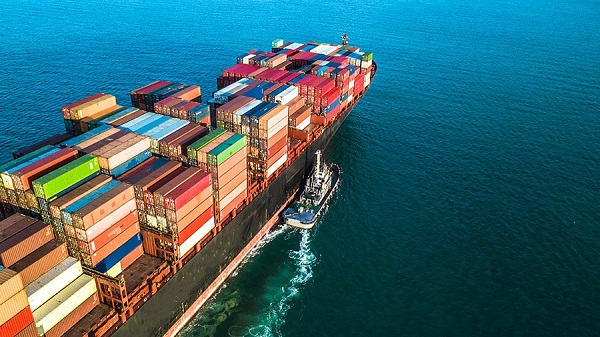
The dreaded trending word that haunted the global economy in 2022, recession continues trending in 2023, claiming its latest victim, the world’s fourth largest economy, Germany. As the third largest economy, Japan’s recovery is painfully slow and the USA is continually teetering at the edge of a recession. In this scenario, the Indian textile and apparel sector has felt the heat from the export side of the business and 2022 was rife with textile plants and readymade garment manufacturing factories either running at lower capacity or completely shutting down, especially the ones who were exclusively export-orientated. As an example of the true grim situation that the Indian textile sector is going through could be summed up by the statement made by president of Andhra Pradesh Textile Mills Association, Lanka Raghurami Reddy – he stated that due to the sudden drop in demand, coupled with disruption of supply of raw material and higher energy prices that was being caused by the Ukraine-Russian war, many mills had to operate at 50 per cent capacity for most of 2022 and then finally stop production all together. This was not just the situation in Andhra Pradesh but also across other textile production and readymade garment manufacturing hubs across India.
German recession highlights India’s situation today
Germany has now joined the ranks of some fellow European Union nations in the pits of recession as its GDP continued falling quarter after quarter. As Europe’s growth engine, Germany’s recession has a far wider impact well beyond its borders, exposing the other strong economy, France, to greater risks. What does this mean for India? Experts say that the Indian footwear, readymade garments and leather sectors will feel the impact of Germany’s recession directly. In the last financial year India had exported to Germany apparel worth $ 990 million, footwear worth $ 332 million and leather goods worth $ 305 million. Adidas, Puma, Marc O’ Polo, Tom Tailor, S.Oliver, Escada, MCM, Hugo Boss are some of the leading brands from Germany and a few of them have good sourcing from India. The prediction by Indian experts is that exports to Germany might decline by 10 percent and Sharad Kumar Saraf, Chairman of Technocraft Industries, Mumbai says that this is going to affect Indian exports not only to Germany but also Europe as a whole since other countries are also already in recession. Of course, India is not the only one finding its exports declining – Bangladesh, Vietnam, Cambodia, Indonesia are among the many in the same boat. The other big drag on the global economy is that the US debt crisis, which was expected but not of this magnitude, is impacting export-based economies in a negative way as they seek alternatives in a world that is already financially weak.
Domestic market is India’s trump card
An economy growing in leaps and bounds and ranked fifth worldwide, across the board, India’s domestic market has grown by 15 per cent according to Arun Roongta, Managing Director HGH India. Roongta goes on to say that local exporters can expect the low demand stagnation to continue until the next half of 2023 but then he also cautions that hopes shouldn’t be too high for now at least. Political stability and a confident government that envisions global leadership in the next few years has been the driving factor for a thrumming with vibrancy economy. The domestic market has not only been a safety net but also a driver of innovation, growth and diversification.
Levi’s chairman lauds India’s stability
As global financial experts predict India playing the role model of growth as the world grapples with recession, Chip Bergh, the Global CEO at Levi Strauss & Co lauded the politically stable environment for ensuring a vibrant domestic economy fuelled by a confident consumer who is at ease knowing the country and economy are doing well, which is not like his home base, the US, where consumers are tightening purse strings in fear of entering a recession. Talking to a leading Indian trade site, Bergh said that he not only sees India’s stability attracting FDIs but also India playing a lead role in the global supply chain.
Ethical fashion awareness promotes a greener environment

The Ethical fashion market has catapulted into the limelight in post-Covid times with rising awareness among consumers through social media campaigns and government initiatives of the environmental impact of fast fashion, and the growth of e-commerce is currently bringing about this change. The brand manufacturers of the ethical fashion segment are focused on reducing harm to both people and the planet in the whole supply value chain system across garment design, production, and distribution, and consumption.
The ethical fashion market apparels has many segments such as organic, man-made or regenerated, recycled and natural. The man-made or regenerated was the largest segment of the ethical fashion market by product type, accounting for around 50.9% of the total garments, footwear and accessories last year. Although the cheap and cheerful fast fashion clothing segment is the preferred choice of most global fashion consumers, a niche 15% of evolved consumers who make consistent and conscious purchasing decisions based on promoting sustainability and a greener environment are pushing this segment forward.
BRC report highlights an expected 8.6% CAGR growth by 2032
A recent report on the Ethical Fashion Global Market Opportunities And Strategies To 2032 from The Business Research Company(BRC) has given a comprehensive global perspective to industry leaders on this niche market covering 12 geographies while creating regional and country strategies based on local data and analysis. The report has pointed out that the manufacturers of the ethical fashion market have been having a field day. The ethical fashion market reached a value of nearly $7,548.2 million in 2022, having grown at a Compound Annual Growth Rate (CAGR) of 6.5% since 2017 and this growth is still continuing.
The global ethical fashion market is currently expected to grow from $7,548.2 million in 2022 to $11,122.2 million in 2027 at a rate of 8.1% after which it accelerates further to grow at a CAGR of 8.6% and reach $16,819.0 million by 2032. The BRC report has now better-identified growth segments for investment and also understood customer profiling better based on the latest market research findings which will help companies outperform competitors using forecast data and market trends.
Ethical fashion market segmentation
The ethical fashion market is segmented by product into organic, man-made/regenerated, recycled, and natural. The market is secondly further categorized by Type which includes Fair Trade, Animal Cruelty-Free, Eco-Friendly, and Charitable brands where the animal cruelty-free segment is the accounting for 43.3% of the total last year. However, the eco-friendly segment will be the fastest-growing segment in the ethical fashion market growing at a CAGR of 10.6% during 2022-2027. The third category is the end-user which is classified into men, women and children, where the women segment is the largest as in most fashion segments and accounts for almost 52.4% of the total garment production last year. The men’s segment is currently growing rapidly in the material segment of ethical fashion market at a CAGR of 8.3%during 2022-2027.
The Asia Pacific has always been the largest region in the ethical fashion market, accounting for 33% of total sales last year followed by Western Europe. However, in times to come, Eastern Europe and South America will be growing the fastest at CAGRs of 12.5% and 10.3% respectively.
The main brand players in this market are Eileen Fisher as the largest competitor with 2.98% of the market, followed by LVMH Moet Hennessy Louis Vuitton with 2.63%, Levi Strauss & Co. with 1.66%, H&M Conscious (H&M Group) with 1.65%, Reformation with 1.34%, Everlane with 0.89% and Tentree, Patagonia, Inc, Wear PACT, and United By Blue, all with below 1%.
Many trade fairs such as the Fashion Revolution Indonesia with its second edition in 2022 in Jakarta, are all highlighting the need for ethical and sustainable decisions in the clothes we wear, from yarn to the finished garments. Just like Rome was not built in a day, environment-conscious brands are banking on a minuscule segment of the global consumers who understand the environmental ethics of fast fashion pollution, to bring about a change over the next decade.
Ralph Lauren beats expectations with strong Q4 results and China rebound
Ralph Lauren Corp has reported better-than-expected profits and a surprising increase in fourth-quarter revenue, driven by the success of its new seasonal collections that resonate with affluent shoppers. Despite a cooling luxury spending climate in the United States, the company's focus on outdoor wear and women's clothing has attracted more customers.
The demand for its cable-knit sweaters and Polos have been particularly strong, allowing Ralph Lauren to minimize promotions. In China, the key luxury market, the company saw a remarkable sales jump of over 30%. While other luxury brands have faced softer demand in the US, Ralph Lauren's core higher-income customer base has remained resilient.
The company's performance, even during volatile times, has impressed analysts, and its Asia segment revenue also experienced a significant increase. Ralph Lauren's net revenue for the fourth quarter exceeded expectations, and the company foresees continued growth in fiscal 2024, primarily driven by constant currency revenue expansion in the low-single-digit range.
BGMEA Requests Incentives for Non-Cotton Apparel Exports
Bangladesh's readymade garments (RMG) sector is facing increasing competition from emerging powerhouses like Vietnam, necessitating the urgent diversification of its apparel product line. While Bangladesh holds a significant position in the global market for cotton-based apparel, it falls behind in the non-cotton sub-sector.
The shift in global demand from cotton to non-cotton garments poses a challenge for the country's RMG industry, particularly as it holds a minority stake in non-cotton apparel exports to major destinations such as the US and the European Union.
This transition is crucial not only for foreign exchange earnings but also as the sector is a vital source of employment and investment in the country. Additionally, consumer preferences are evolving, with increased demand for clothes made from sustainable and environmentally-friendly materials. Policymakers need to address these challenges by providing incentives, investing in skilled labor, promoting product development, and ensuring cost-effective financing and energy supply.
By seizing this opportunity and embracing material diversification, Bangladesh's RMG sector can secure its long-term growth and compete successfully on the global stage.
India: Gokaldas Exports' Profits Q4 Decline, Grow for Full FY23
Gokaldas Exports, a textile manufacturer, experienced a 22.5% decline in net profit for the fourth quarter of FY23, totaling ₹47.2 crore compared to ₹60.9 crore in the same quarter of the previous year. However, the company achieved significant full-year net profit growth, rising by 47% to ₹173 crore from ₹117.1 crore in FY22.
Net revenue decreases in the reporting period
While net revenue decreased by 9.8% during the reporting period to ₹530 crore, down from ₹588 crore in Q4 FY22, Gokaldas Exports saw a 24.8% increase in net revenue for the entire fiscal year, reaching ₹2,247.2 crore compared to ₹1,801 crore in FY22.
Gokaldas Exports emphasizes resource utilization optimization and operational excellence for future quarters
The company attributes its performance to the dedicated efforts of its team in a challenging global market. Moving forward, Gokaldas Exports aims to optimize resource utilization and drive operational excellence in the coming quarters. The company also believes that government initiatives, including budget allocation and trade agreements, will play a crucial role in advancing the industry.
European Textile Waste Exports Exacerbate Environmental Crisis
The EEA is urging the textile trade industry to take greater responsibility for sending clothing to lower-income countries and then returning it as second-hand goods, as the consequences are significant.
The European Union generates approximately 5.8 million tons of textile waste annually, with only a quarter being recycled due to limited capacities.
Most of this waste is sent as donations to Africa and Asia, with a high demand for second-hand clothing. The perception of these donations benefiting those in need is not entirely accurate, as used clothing has become an integral part of the global trade and commercial value chain.
The EEA report reveals that second-hand textile exports from the EU have tripled in the past two decades, reaching almost 1.7 million tons in 2019, with Africa being the primary recipient. Germany, Poland, and the Netherlands are the main exporters, and concerns are raised regarding the disposal of reusable clothing, which often ends up in landfills or unregulated waste streams.
The inadequate management of textile waste leads to greenhouse gas emissions, depletion of non-renewable resources, and the release of microplastics into the environment. It is essential for all stakeholders in the textile trade to collaborate and implement sustainable practices for responsible management of clothing waste.
Gap Inc Restructuring Efforts & Lower Supply Chain Costs Pay Off
Apparel retailer Gap Inc reported an unexpected profit in the first quarter, leading to a 16% surge in its shares during extended trading. The company credited its restructuring efforts and reduced supply chain costs for positive results. After years of supply chain challenges, U.S. companies are finally experiencing some relief from the soaring costs of freight and manufacturing.
Gap's adjusted quarterly merchandise margin saw a significant increase of 610 basis points, driven by lower air freight expenses and improved promotional activity. The company has been actively reducing inventory levels over the past two quarters, with a 27% decline compared to the previous year.
However, Gap, like many other retailers, faced the issue of unsold inventory due to accelerated ordering during the COVID-19 pandemic, which resulted in a mismatch with consumer demand. The company has implemented cost-cutting measures, including two rounds of layoffs eliminating approximately 2,300 corporate positions. These actions, along with efforts to reduce inventories and control operating costs, are expected to contribute to estimated annualized savings of nearly $550 million.
Although Gap's overall sales declined in the quarter, executives expressed a focus on profitability and improving margins. The company plans to close around 350 underperforming Gap and Banana Republic stores by the end of the year and intends to open fewer stores than initially projected. However, the retailer faces the challenge of revitalizing growth for its Athleta and Old Navy brands, which are considered key drivers for the future.
Analysts noted weaker demand from lower- and mid-income consumers, who are cutting back on non-essential purchases like apparel. While Gap reported a profit of 1 cent in the first quarter, exceeding expectations for a loss of 16 cents, its net sales declined by 6% to $3.28 billion.
Bluezone: Celebrating 20 Years of Denim Excellence at Munich Fabric Start
Bluezone, the renowned international denim trade show, celebrates its 20th anniversary on 18 and 19 July in Munich, Germany. This year, the event aligns with the new Munich Fabric Start edition, creating an exciting atmosphere in the Zenith Halle area.
Over 100 denim and sportswear specialists will gather, transforming Munich into a dynamic hub for denim expertise. The show will offer a comprehensive program of events, engaging the fashion community alongside Munich Fabric Start and The Source.
Sebastian Klinder, Managing Director of Munich Fabric Start Exhibitions GmbH, highlights Bluezone's success as a trusted platform for the denim industry. With its impressive staging and professional environment, Bluezone has become the ultimate destination for denim enthusiasts, attracting the right people at the right time in Munich. 2023 marks significant anniversaries, including the 150th anniversary of 501 Levi's jeans, Orta's 70th birthday, and the 50th anniversary of Ruedi Karrer's "The Jeans Museum" in Zurich.
Vicunha is also celebrating its 55th birthday. Bluezone aims to pay homage to the multifaceted world of denim through these milestones. Frank Junker, Creative Director & Partner of Munich Fabric Start Exhibitions GmbH, anticipates an exceptional lineup for the upcoming edition. Renowned exhibitors such as Calik, Denim Authority, Isko, Kurabo, Naveena Denim, NDL, Orta, Royo, Saitex, and Sharabati will be present. The fully booked Zenith Area will feature a comprehensive denim experience park, providing a 360° immersion.
Visitors can expect seminar sessions by the Transformers Foundation, engaging panels with Women in Denim, Mohsin Sajid, and The 5 Denim Senses by AMD Düsseldorf. Captivating installations, including the photo exhibition "The World's Best Denim Fades" by Bryan Szabo and a special presentation by "The Jeans Museum" Zurich, will enhance the experience. Breaking from tradition, this year's denim-focused show takes place in early July. Munich Fabric Start Exhibitions GmbH will occupy approximately 42,500 sq. meters at the MOC and nearby areas, showcasing various shows and sections. Engaging side events, covering topics from digitalization to sustainability, will enrich the overall experience. The celebration concludes with the Munich Fabric Night party on July 18, featuring DJ Crew Geschwister Schall.
German Recession to Impact Indian Exports
India's exports, especially in sectors like apparels, footwear, and leather goods, are expected to suffer due to the consecutive contraction of the German economy, according to exporters. The Federal Statistical Office reported a 0.3% decline in Germany's gross domestic product (GDP) from January to March, following a 0.5% drop in the previous quarter of 2022.
Germany's long-term recession will extend beyond the country itself, affecting India's exports to Europe as a whole. Sectors such as leather products, chemicals, and light engineering items are anticipated to face declines, potentially resulting in a decrease in India's exports to Germany, which amounted to USD 10.2 billion in 2022-23.
As per experts, the recession will adversely affect India's exports valued at USD 2 billion, including smartphones, apparel, footwear, and leather goods. During a recession, products used in daily life often experience a significant decline in demand.
Furthermore, the upcoming carbon border tax imposed by Germany will impact the export of iron and steel products.
However, it is currently too early to determine the full extent of the consequences on Indian exports, as German companies tend to explore cheaper alternatives during recessionary periods.
While a recession is defined as two consecutive quarters of contraction, economists on the euro area business cycle dating committee consider a broader range of data, including employment figures. Germany's role as one of the euro currency users is crucial for the overall growth of the European Union.
Yarn Expo Autumn 2023: Reconnecting Global Buyers and Suppliers
China Relaxes Travel Restrictions, Reviving Yarn and Fibre Industry
Yarn Expo Autumn, a prominent trade fair, has been slated to take place from August 28 to 30, 2023, at the National Exhibition and Convention Center in Shanghai.
Strong Growth Outlook for the Global Yarn Market
With a projected increase of USD 42.18 billion between 2022 and 2026. The market is expected to accelerate at a compound annual growth rate (CAGR) of 5.77%. Asia-Pacific (APAC) is predicted to be the dominant region, accounting for 74% of the anticipated market expansion.
A Crucial Platform for International Buyers and Suppliers
Yarn Expo Autumn has become a pivotal trade fair for international buyers and suppliers. The forthcoming 2023 edition will gather a diverse array of exhibitors showcasing innovative fancy yarn, luxurious cashmere, premium wool, stylish cotton, functional synthetics, and eco-friendly linen.
Enhanced International Participation and Business Opportunities
To further amplify international engagement, the fair will feature dedicated overseas zones. The recent relaxation of pandemic-related restrictions in January 2023 will bolster the fair's global platform, creating valuable opportunities for both domestic and international key players to engage in business exchanges, access information on end-user markets, discover new suppliers, and explore innovations and techniques.
Yarn Expo Autumn will be held concurrently with Intertextile Shanghai Apparel Fabrics - Autumn Edition, CHIC, and PH Value.
Organized by Messe Frankfurt (HK) Ltd and the Sub-Council of Textile Industry, CCPIT, Yarn Expo Autumn 2023 promises to facilitate valuable connections and drive growth in the yarn and fibre industry.











