


FW
China continues to lead global cotton yarns import market Study

Cotton and cotton blend yarns are globally the first choice when choosing comfortable regular garments for adults, baby clothes and household items from the bedroom to the dining room. This makes cotton one of the most significant raw material for the textile industry. India grows some excellent cotton in the Central zone, comprising states like Gujarat, Maharashtra, and Madhya Pradesh. Gujarat is the highest producer and Mumbai the largest centre for cotton textile industry.
The global cotton yarn market is a huge estimated at $62.50 billion in 2022 and expected to be worth $66.91 billion this year. It is projected to grow at a CAGR 7.19 per cent to reach $108.99 billion by 2030.
Five countries lead global yarn import
Latest stats from the AI-driven market intelligence platform in IndexBox reveals, China, traditionally the world’s largest import market for cotton yarn is still leading. In 2022, China had a staggering cotton yarn import of $7.241 billion as it has a vast and diverse market catering to both domestic and international markets. Advantages such as a large skilled labour, booming e-commerce sector, high-tech manufacturing technologies and an extensive distribution network have enabled it to be a leader in the global cotton yarn market.
Bangladesh currently holds second position in global trade as a quickly-rising import value market with imported yarn cotton yarn worth $1.176 billion. This highlights its reliance on imported yarn to meet domestic demand. Its USP lies in large population fuelling domestic demand for clothes and household items, low labor costs and a favorable investment climate which is helped by the government and textile industry leaders that has fuelled foreign investments.
Turkey is in third position with imported cotton yarn worth $1.057 billion in 2022 with the most high-tech textile industry in the European region dating back many centuries. With a well-established value chain from spinning to weaving and finishing, Turkey imports cotton yarn from countries like the US, India, and China which feeds its domestic consumption and international markets.
Central American country of Honduras ranks fourth globally with an import worth $673.065 million last year. The country has benefitted logistically due to its geographical proximity to the US as one of the largest world exporters of finished cotton apparel, accessories and household decorations. With preferential trade agreements, such as the Central America-Dominican Republic Free Trade Agreement (CAFTA-DR) for duty-free access to the US markets, foreign investments are making the Honduras textile industry boom, despite limited domestic production.
Italy as a leading European import market for cotton yarn is ranked fifth in the IndexBox survey having imported cotton yarn worth $526.369 million in 2022. Unlike others, Italy has an extremely high-end fashion and luxury goods market for cotton products, characterised by small to medium-sized companies that focus on niche markets and value-added products for affluent consumers.
Cotton blends, pure cotton yarns drive global trade
The various cotton yarn import markets depend on factors like demand for textile products, strength of the textile industry along with competitive advantage of the country in terms of production capacity and cost-effectiveness. The cotton yarn market is an extremely versatile with blends like cotton-polyester used to make regular apparel, sportswear and home textiles. Cotton-viscose combinations are used for manufacturing towels, shirting, denim, trousers, and knitwear among others.
The pure and more expensive 100 per cent cotton yarn is used for making light summer tank tops, T-shirts, baby items and household items such as coasters, curtains, and hand towels. With an underlying concept of beautiful and breathable fabric lasting forever, unlike synthetics, the cotton yarn trade is a good one now and in the near future.
Bangladesh Apparel Exports Defy Slowdown
Bangladesh's apparel exports experienced significant growth in the European markets during the fiscal year 2022-23, defying the economic slowdown caused by the Russia-Ukraine conflict. According to the Export Promotion Bureau (EPB), apparel exports to European Union countries increased by 9.93% year-on-year, reaching approximately $23.52 billion, compared to $21.40 billion in FY22.
Furthermore, the United Kingdom market witnessed a remarkable 11.78% year-on-year growth, exceeding $5 billion in FY23, compared to $4.50 billion in the previous fiscal year. Exporters attributed this growth to increased exports of high-value products, as well as rising costs of raw materials and freight.
While non-traditional markets also performed well in the wake of the Covid-19 pandemic, the overall volume of apparel exports remained low compared to the previous year. In FY23, Bangladesh's apparel exports to non-traditional markets surged by 31.38% to $8.37 billion, accounting for 17.82% of total apparel shipments.
However, the United States and Germany, two major markets, experienced declines of 6.81% and 5.51% respectively. Apparel shipments to the US reached $8.51 billion, while those to Germany amounted to $6.68 billion. On the other hand, exports to Canada increased by 16.55% to $1.54 billion. The EPB data also revealed notable growth in apparel exports to Japan (45.62%), Australia (42.48%), India (41.58%), South Korea (22.45%), and China (30.32%).
Faruque Hassan, president of the Bangladesh Garment Manufacturers and Exporters Association, emphasized the importance of diversifying apparel goods and sought government policy support in this regard.
Despite the positive growth, industry representatives, including Shahidullah Azim, vice president of a trade association, expressed concerns over potential declines in future months.
Factors such as low order volumes, factory capacity constraints, increased production costs due to utility price hikes, and order cancellations or discounts from buyers contribute to the uncertain outlook for Bangladesh's apparel exports. In FY23, Bangladesh's overall apparel export rose by 10.27% year-on-year to $46.99 billion, accounting for 84.59% of the country's total export earnings of $55.55 billion, according to EPB data.
SOURCE FASHION: Polyester Recycling Breakthrough
Europe's newest responsible sourcing exhibition, Source Fashion, will take place at Olympia London from July 16th to July 18th. The event will feature the UK debut of a groundbreaking advancement in polyester textile recycling.
Project Reclaim, a collaboration between Project Plan B and the Salvation Army Trading Company Ltd (SATCoL), will launch the world's first commercial-scale, post-consumer polyester recycling plant. Visitors can attend a live seminar on the revolutionary technology, where SATCoL representatives will discuss the impact of recycling polyester textiles into raw materials.
Throughout the three-day event, attendees can also engage with the SATCoL team at their stand SF-G60. SATCoL plans to install the exclusive polyester recycling system at their Processing Centre in Kettering, enhancing their textile sorting and processing capabilities.
The plant aims to recycle approximately 2,500 tonnes of polyester in its first year, scaling up to 5,000 tonnes in year 2. This innovation breathes new life into used polyester, transforming it into pellets for producing new yarns.
SATCoL envisions a future where damaged polyester garments can be redeemed through recycling, contributing to the fashion circular economy. Source Fashion is a must-attend event, scheduled for July 16th-18th, 2023.
EU mandates fashion firms fund textile recycling
The European Union (EU) has put forth a groundbreaking proposal on July 5, which will require fashion companies to finance the collection, sorting, and recycling of textile waste.
This move comes as part of the EU's strategy for sustainable and circular textiles, aimed at addressing the environmental impact of textile production and consumption. Under the proposal, EU member countries will introduce harmonized Extended Producer Responsibility (EPR) schemes at the national level.
Manufacturers will be obligated to cover the costs of textile waste management, with fees based on the level of pollution caused—a concept known as "eco-modulation." The intention is to incentivize waste reduction and promote the circularity of textile products.
While environmental groups appreciate the increased accountability for producers, they express concerns about potential loopholes and delays in the legislation.
They argue that the focus should extend beyond waste management to encompass waste prevention targets and improvements in product design. Although harmonized EPR schemes are seen as a step in the right direction, experts emphasize the need for a more comprehensive transformation towards circular product design and business models to address the root causes of textile waste.
Despite interventions UK’s textile strategy yet to take off

UK, the fourth largest producer of textile waste, has been losing its grip from being a nation that was leading in delivering key interventions through governmental policies for the fashion sector. On June 8, 2022, erstwhile Prime Minister Boris Johnson had expressed his support for the new 10-year Fashion Industry Sustainable Change Programme, aimed at creating a world-leading circular fashion and textiles eco-system in the UK.
Policy support for sustainability
The PM’s office collaborated with the British Fashion Council (BFC), unveiled the 10-year Fashion Industry Sustainable Change Programme, which Johnson said would bring opportunities across the UK to meet the government’s Climate Action Plan of environmental and societal change. UK Fashion & Textiles Association (UKFT) has been working closely with the British Fashion Council (BFC), Innovate UK and other stakeholders to attract wide-ranging government support for a new 10-year Fashion Industry Sustainable Change Programme, focused on creating a world-leading circular fashion and textiles eco-system in the UK.
Shortly after the event, Boris Johnson had pledged $97.5 million of government money for the scheme. Nigel Lugg OBE, chair of UKFT, said that this is a pivotal time for UK fashion and textiles. Lugg felt that In order to survive and grow, it was essential that the sector strengthens its sustainable competitiveness. It will mean a fundamental change and one that needs to be delivered at pace and will call for new skills and new jobs.
Ground reality in the UK
A report published by Hubbub claims the UK government has failed to tackle fast fashion. The research found there has been a ‘lack of progress’ made by UK governments, despite what Hubbub calls ‘growing concerns’ of the environmental and human rights damage caused by the fast fashion industry. According to Oxfam, 13 million items of clothing are sent to landfill in the UK every week which does not support the government’s waste reduction targets. The research looks at government progress in tackling fast fashion and found it has published only 19 policies in five, despite the fast fashion industry being the second largest user and polluter of water globally and one of the largest contributors to modern slavery.
The majority of the policies were proposed in a way that was ‘unlikely to lead to implementation’, the research concluded. For example, five per cent of policies (one policy) contained any details of a cost and/or budget, it says.32 per cent policies proposed actively sought to address the issue of fast fashion, rather than just increasing awareness. The policies were largely introduced in broad strategies aimed at tackling the waste issue rather than directly tackling fast fashion. Of the policies that sought to directly tackle fast fashion, they were aimed at providing voluntary guidance and standards or attempts to enable producers to make change, but no stronger incentives, regulations or legislation have been proposed to date.
Mishandling fast fashion as an issue
The Hubbub research also criticized the fact that that all policies have been proposed by the Department for Environment, Food and Rural Affairs (Defra) – a department that is not ‘technically responsible for fashion’. Fashion as a policy area technically falls under the remit of the Department for Culture, Media and Sport. The research says lack of cross-departmental work has resulted in the policies having a narrow focus on the relation between fast fashion and waste reduction, with little positive impact on waste reduction.
Circularity is a failure
UKFT has tried hard to impress on the implementation of policies regarding circularity and has met with limited success. It has managed to address the circularity of a mere 10 per cent of its annual fashion and textile waste of around two million tonnes. The main problem lies with the lack of direction in the Textile 2030 Roadmap.
Shein mired in another controversy around formalization trip for influencers
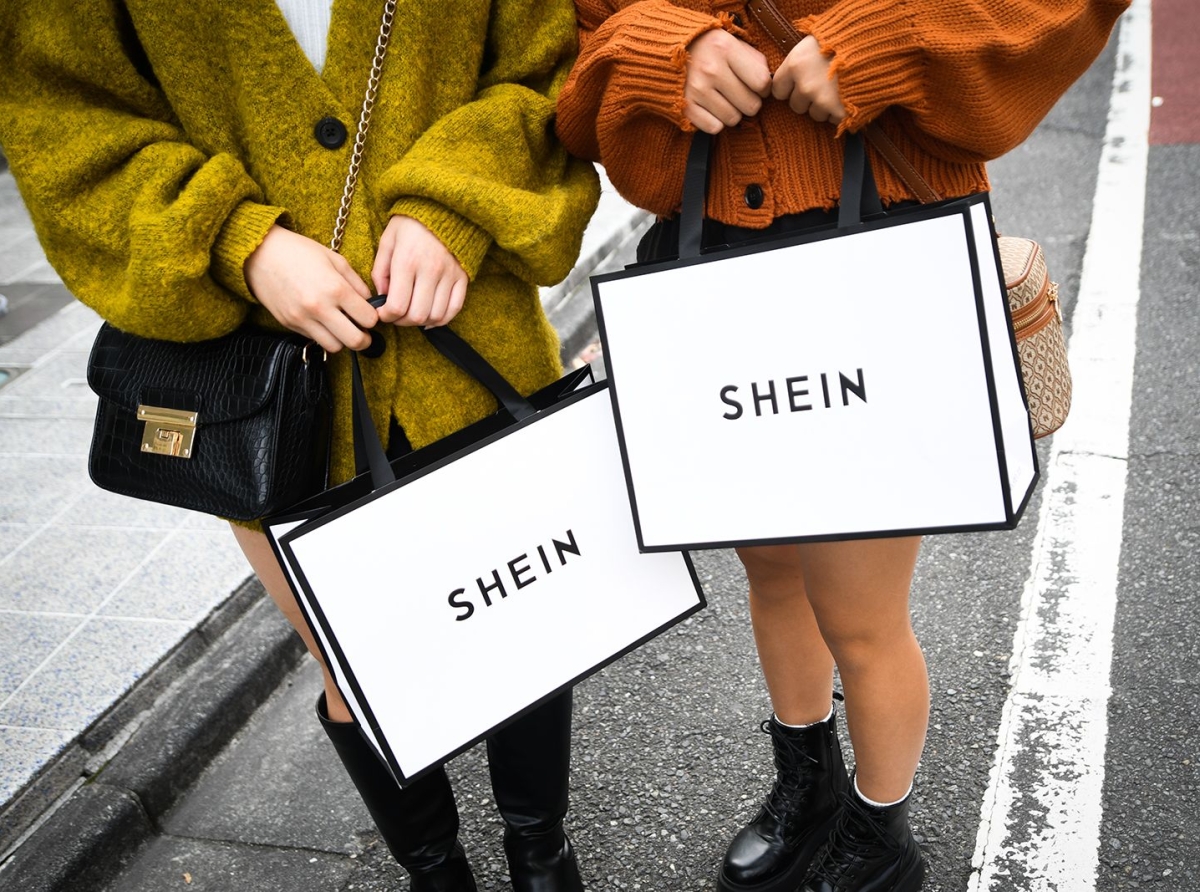
Founded in Nanjing, China in October 2008 as ZZKKO by entrepreneur Chris Xu, Shein grew to become the world's largest fashion retailer by 2022.
Global fashion & lifestyle e-retailer
Shein obviously is the envy of the fashion trade as it trailblazed its way into the wardrobes and hearts of women in a short time span, making it one of the biggest success stories.
With its super-cheap fast fashion that its fans couldn’t seem to have more of, Shein has particularly made a huge dent in a large market like the US.
Indeed this saw American policymakers go after Shein, all guns blazing. What shook the American lawmakers is that Shein was planning to sink itself into the heart of America by launching an IPO in the US.
Of course, that is still up for debate but clearly, the US and many parts of the Western world have regarded the Chinese brand as an interloper and a dodgy one at that.
Facts about the success story
From Global Triumph to Local Turmoil; Shein generated $30 billion in 2022, a 91 percent increase from the $15.7 billion it made in 2021. It has an estimated 74.7 million active shoppers of which, 13.7 million are based in the US.
Shein the app was downloaded 200 million times in 2022, making it the most downloaded shopping app of that year.
Recently it was valued at $68 billion ahead of a potential late 2023 IPO. Although Shein’s early growth came primarily from India and Saudi Arabia in the past two years, Brazil, Mexico, and the US have been its largest markets.
In a complete turnaround, India, the country that had contributed to Shein’s initial success banned the app in June 2020 as India and China faced off each other over land disputes in the Himalayan terrain that separates the two countries.
App
Shein was amongst the total 59 apps that were sent packing. However, a resilient Shein continued selling its items in India through Amazon and the latest news is Shein is partnering with the retail arm of Mukesh Ambani’s Reliance Industries for a return to India. A Shein spokesperson confirmed this in May 2023.
However, Reliance Retail and Shein are tightlipped about a major comeback to India but media reports suggest the two organizations had struck a licensing deal in which Shein will get a share of the profits and this license would allow its return.
The catch is, Shein plans to produce in India to cater to the domestic market.
Mired in controversy
Shein and controversy have been going hand in hand for some time. And the recent controversy erupted when a team of American social media influencers was taken on a familiarization trip to a manufacturing unit in China so Shein could first-hand give it's North American customers a genuine point of view of its much-maligned production process.
Unveiling the Truth Behind Shein
The well-executed familiarization trip was to help address the issues Shein keeps getting bombarded with in terms of its quick and cheap manufacturing, forced Uighur labour and child workers, dismal working conditions and paltry wages, and so on.
However, according to the five social media influencers, what they saw at the production hub belied the accusations Shein faces in the Western world. “I’m not going to lie, I really expected it to look like it does in the movies, like really dark and dingy, but I was really surprised to see each piece handled with care,” said Destene Sudduth, one of the five visitors, in her Instagram feed.
Surprising Glimpse
The perfectly executed PR campaign was ripped to shreds by many critics, particularly by authors Aja Barber and Cora Harrington who accused the five of being Shein’s spokesperson unwittingly.
Since the controversy started, the social media influencers have deleted some posts but continue upholding that what they heard about Shein in the US is far from what actually Shein is in China’s manufacturing hubs.
Also, Shein has been accused of exploiting trade loopholes to import goods into the US without paying duties or making shipments subject to human rights reviews, said a U.S. House committee report.
Women's activewear market reaches $216,868M by 2025
According to a report by Allied Market Research, the global women's activewear market is projected to reach $216,868 million by 2025, with a CAGR of 7.7% from 2018 to 2025. In 2017, the market was estimated to be $119,078 million, with North America accounting for 42.4% of the total revenue. Activewear, known for its utility and comfort during physical activities, is gaining popularity due to its benefits such as water resistance, bi-stretchable function, and anti-bacterial fabric. The rise in female participation in fitness activities and the adoption of athleisure wear for everyday use are major factors driving market growth.
Additionally, increased disposable income and fitness concerns contribute to market expansion. However, high costs of raw materials and counterfeit brands pose challenges to market growth. The dynamic fashion trends greatly influence consumers, leading to the purchase of the latest activewear designs, while counterfeit brands hinder the sales of genuine activewear brands. Expansion into plus-size activewear and innovative marketing strategies, such as motivational advertisements and sponsorship of athletes, are expected to drive market penetration.
Polyester fabric dominates the market due to its flexibility, quick-drying properties, and resistance to shrinkage and wrinkles. The active outerwear segment is projected to grow at a CAGR of 9.1% during the forecast period.
North America is expected to remain the dominant market, while Asia-Pacific is anticipated to exhibit exponential growth.
Bangladesh-India: Rupee trade added to dollars
According to reports, there is a new arrangement that allows the use of Indian Rupees to cover import costs that are in line with Rupee-denominated export earnings. The necessary preparations for this arrangement have been completed.
However, it should be noted that officials have made it clear that banks and businessmen are not allowed to purchase Indian Rupees using US dollars or any other foreign currencies for import payments.
In addition to the existing US dollar transactions, this initiative introduces the use of INR for trade purposes.
India Initiates Sustainable Textile Drive
India's government takes proactive steps to establish the nation as a global center for sustainable and circular textiles. The Ministry of Textiles aims to map India's textile waste value chain, creating recycling clusters and seeking consulting agencies through a request for proposal (RFP).
These efforts are crucial to secure India's future in textile exports as the country faces increasing demand for sustainable and recyclable products in major markets such as the EU.
Currently, less than 1% of textile waste is recycled, highlighting the need for circular textile strategies. By embracing circularity, India aims to meet future demands while targeting a substantial increase in textile exports, reaching $100 billion within 5-6 years.
Bangladesh apparel exports to US decline significantly in 2023
The apparel export industry in Bangladesh has seen a significant decline in the first five months of 2023 due to various factors such as a global economic slowdown, inflation, and US interest rate hikes. These factors have dampened demand for Bangladeshi garments, resulting in a decrease in both export value and volume.
Several reasons contribute to this decline, including the lingering effects of the Covid-19 pandemic, the ongoing Russia-Ukraine war, and unsold inventory in the US and Europe.
According to data from Otexa, Bangladesh's ready-made garment exports to the United States, its largest export destination, amounted to $3.30 billion from January to May, a notable 19.16% decrease compared to the previous year. The shipment volume also experienced a negative growth of 30.91% during the same period. In contrast, the overall apparel imports of the United States declined by 22.92% to $31.51 billion.
While Bangladesh faced a decline in exports, it fared relatively better than China and Vietnam, which experienced contraction rates of 30.44% and 28.07% respectively. This can be attributed to US buyers shifting from China and the implementation of the China-plus policy.
However, the ongoing Russia-Ukraine war has affected demand, resulting in high inventory levels among buyers and reduced work orders. Data also reveals changes in the US apparel market, with China's share declining and Bangladesh's share increasing. During the January-May period of 2023, the US imported $5.76 billion worth of apparel from China, a decrease from the previous year.
Vietnam and India also experienced declines in apparel exports to the US. Despite the challenges, Bangladesh has maintained a relatively favorable position compared to its competitors. It is crucial to assess the changing dynamics and implement effective strategies to mitigate the impact of global economic factors on Bangladesh's apparel exports to the United States.











