


FW
Better Cotton Supports EU's Green Claims Directive to Tackle Greenwashing
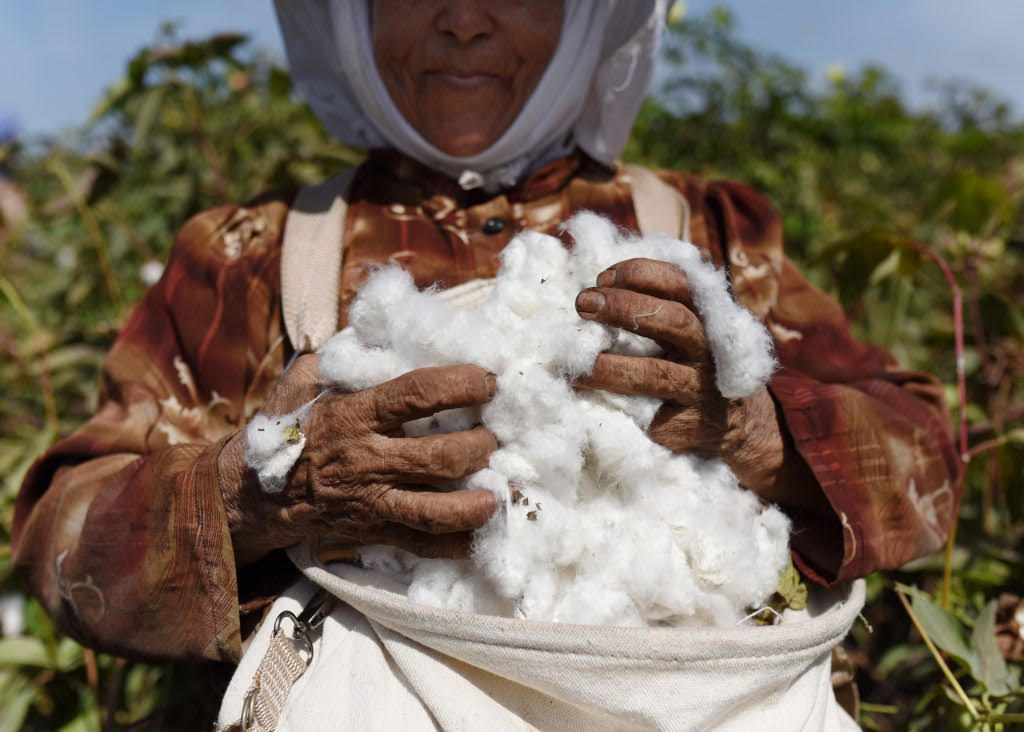
Better Cotton, the world's largest cotton sustainability initiative, has provided feedback on the European Union's proposed Directive on the Substantiation and Communication of Explicit Environmental Claims (Green Claims Directive). The initiative calls for greater clarity and alignment with existing laws to address greenwashing concerns and ensure accurate sustainability claims in the textile industry.
EU's Proposed Directive to Tackle Greenwashing
The EU's proposed directive, published in March, aims to establish common criteria for companies to substantiate their environmental claims, ensuring accuracy and verifiability of sustainability credentials for products and services. The legislative proposals seek to protect consumers and businesses from misleading practices commonly known as greenwashing, which have led to uncertainty among consumers about the authenticity of sustainability claims.
Better Cotton Welcomes the Directive for Clear Guidance
Better Cotton expresses support for the EU's proposed directive, emphasizing the need for clear guidance on communicating claims to standardize industry practices and combat greenwashing effectively. The initiative believes that a clear framework for claim substantiation will empower consumers to make informed purchasing decisions based on genuine sustainability commitments.
Claims Framework as a Pillar of Better Cotton Standard System
One of Better Cotton's key pillars is its Claims Framework, established through a multi-stakeholder consultation process and subject to annual review. The framework enables Better Cotton Members to communicate their commitment to sustainable cotton in an accurate and credible manner. By doing so, companies strengthen their dedication to achieving social, environmental, and economic improvements for cotton farmers and farming communities.
Advocating for Flexibility and Inclusivity
Better Cotton supports the EU's decision not to limit claim substantiation to a single standard methodology, such as the Product Environmental Footprint (PEF) or Life Cycle Assessment (LCA). The organization emphasizes that the multifaceted nature of cotton production requires flexibility in addressing various impact categories and practices across sectors and materials. A one-size-fits-all approach would risk undermining the ability of companies to make credible claims about their commitment to sustainable cotton.
Seeking Clarity and Alignment with Other Legislation
In its feedback, Better Cotton addresses the need for clarity and alignment between the Green Claims Directive and the Directive on Empowering Consumers for the Green Transition, another proposed legislation introduced in March. The initiative seeks to understand how sustainability labels, in addition to environmental labels, would be regulated under these directives, to ensure harmonization and avoid confusion.
Collaboration for Refined Legislation
Better Cotton welcomes the EU's leadership in standardizing sustainability communications and expresses openness to supporting authorities as they refine the proposed legislation based on stakeholder input. The initiative aims to contribute to a just transition towards sustainability, enhancing sustainable livelihoods and environmental responsibility in the textile industry.
Sluggish US textile imports persist
As of May, the United States continues to experience a sluggish market for textile and apparel imports, witnessing a cumulative year-on-year decline of 22.2% in the first five months. The situation remains challenging, with imports from China dropping by 27.2% compared to the same period last year, and no clear turning point in sight.
Several factors contribute to the weakened demand for textile and apparel imports in the US.
Firstly, wholesalers and retailers still hold high inventory levels and have not completed destocking, leading to reduced motivation for restocking. Secondly, inflation and interest rate hikes in the country have diminished domestic consumption capacity for textile and apparel.
Interestingly, a shift in import performances between cotton and chemical fiber categories can be observed. Over the years, the growth of chemical fiber products has outpaced cotton, particularly during 2021-2022, resulting in a gradual decline in cotton's market share in the US import market.
As of May this year, chemical fiber products accounted for 80% of textile and apparel imports, while cotton's share was only 17.4%, down from 40% in 2010. When considering the main sources of these imports, for cotton textile and apparel, the US relies heavily on China, ASEAN countries, Pakistan, India, and Bangladesh, accounting for over 80% of total imports.
China's market share has declined since 2010, with ASEAN countries and Bangladesh showing an increasing share, though they depend on raw material imports, promoting China's textile exports indirectly. For chemical fiber products, the major import sources include China, ASEAN countries, Mexico, EU27, Egypt, India, and Turkey, which make up 85% of total imports.
China's dominance has decreased significantly, while other markets like Egypt have experienced substantial growth. In conclusion, the subdued demand for textile and apparel imports in the United States has led to a shift in market shares between cotton and chemical fiber categories, presenting both challenges and opportunities for various exporting countries, including China.
Indian exporters thrive during Prime Day
Impressive 70% YoY
Indian exporters participating in Amazon's e-commerce exports program, 'Amazon Global Selling,' witnessed a remarkable 70% year-on-year surge in business during the highly anticipated Prime Day event, as stated by the company.
Prominent Rise in Tier-2 and Tier-3 Cities
Exporters from tier-2 and tier-3 cities demonstrated substantial growth, ranging from 40% to an impressive 75% YoY increase. Panipat led the pack with remarkable exporter growth, followed by Indore and Jaipur (55% YoY), and Erode (40% YoY).
Best-Selling Categories
The beauty category secured the highest sales, boasting an impressive 125% YoY growth, closely followed by apparel with a significant 122% on-year expansion. Strong Growth in Home and Furniture Categories Products in the "home" category showcased an impressive 81% YoY growth, while furniture and kitchen products saw notable progress with 75% and 52% YoY growth, respectively, during the two-day sale event on July 11 and 12, as reported by Amazon India. Emerging Export Market
Japan
Japan emerged as a new high-growth export destination, with buyers from North America, Europe, Middle East, and Japan showing increased interest in Indian export products. Prime Day Catalyst for Global Sales
With a global membership base of over 200 million Amazon Prime users, Prime Day has consistently served as a crucial growth period for Indian exporters on Amazon Global Selling.
This year witnessed thousands of exporters from across the country reaching millions of customers worldwide with their 'Made in India' productsat Amazon India.
EU balancing Myanmar trade, anti-junta
The European Union (EU) faces a dilemma regarding its trade relations with Myanmar amid the ongoing junta rule. Some argue that exporting to the EU is vital for the livelihoods of ordinary people in Myanmar, while others fear that importing products plays into the junta's narrative of business as usual.
Recently, the EU imposed its seventh round of sanctions on individuals and companies associated with the military regime, signaling opposition to human rights violations.
The EU's trade with Myanmar has increased significantly, raising concerns about indirectly supporting the junta. Justice for Myanmar calls for coordinated and stronger sanctions to limit the junta's access to funds and technology.
Myanmar's complex taxation system makes it challenging to ascertain the direct impact of trade revenue on the junta. Meanwhile, the situation in Myanmar remains dire, with ongoing violence and human rights violations against civilians.
International observers and UN rapporteurs urge the international community, including the EU, to take more decisive actions to support the people fighting against the military junta. Striking the right balance between protecting livelihoods and opposing the junta is a challenging task that requires careful consideration and collaboration.
Chinese fast-fashion conquering US market
Chinese online fast-fashion retailers are swiftly carving out a substantial presence in the US fashion industry, steadily increasing their market share. Shein and Temu, two prominent shopping platforms, have captured the attention of US consumers with their alluring offerings.
Boasting budget-friendly prices, complimentary shipping, regular discounts, and hassle-free return policies, Temu (a subsidiary of Pinduoduo Holdings) entered the US market last year, while Shein made its debut in 2017. These platforms have garnered a growing user base in the US by providing affordable and trendy fashion choices.
In 2022, Shein achieved a remarkable milestone, surpassing Amazon as the most downloaded app in both Apple and Google stores, with a staggering 200 million downloads. The platform's success has translated into significant financial gains, with annual revenue reaching $30 billion and attracting 13.7 million users annually.
Shein's astonishingly low prices include shoes for under $20, dresses for under $15, t-shirts for under $10, swimsuits for under $5, and earrings for under $2. Compared to renowned fashion brands like H&M, Zara, and Uniqlo, Shein offers visually similar products at even more competitive prices, often ranging from $20-$30 per item.
Moreover, Shein's app users enjoy daily discount coupons, ensuring better prices for their purchases. With apparel prices experiencing a 3.1 percent increase in the past year, the inflationary trend is putting strain on the budgets of many Americans, prompting them to seek more affordable alternatives.
Shein and Temu astutely entered the US market during a period of relatively high inflation, benefiting from the demand for cost-effective fashion choices. Apart from their attractive pricing, both Shein and Temu have won over millions of customers with their diverse styles and trendy products.
Outpacing traditional US brands, they rapidly introduce between 2,000 and 10,000 new individual styles (SKUs) to their apps daily, as reported by Rest of World. While Shein focuses primarily on branded apparel, Temu operates as a marketplace, offering a broader array of products, including home appliances, furniture, and accessories.
Bloomberg Second Measure data revealed that Temu's US spending in May surpassed the more established fast-fashion retailer Shein by 20 percent. Notwithstanding their success, Shein and Temu have become embroiled in legal disputes, engaging in lawsuits against each other over alleged antitrust violations and trademark infringements.
The allure of these Chinese online fast-fashion retailers has resonated with US consumers, as they find the products cheaper, more diverse, and appealing compared to mainstream platforms like Amazon.
The growing popularity of these platforms signifies a significant shift in the US fashion landscape, indicating that Chinese e-commerce retailers are poised to play a prominent role in the country's retail market.
Global Textile Industry Shows Signs of Recovery Amidst Challenges: ITMF

According to the latest Global Textile Industry Survey (GTIS) conducted by the International Textile Manufacturers Federation (ITMF) in July 2023, the global textile industry has shown signs of improvement despite the persisting negative conditions. The survey indicates that an increasing number of companies have successfully adapted to the challenging business environment, leading to reported improvements worldwide.
Regional Analysis: Asia Struggles While South America Bounces Back
The survey's regional analysis highlights Asia as the region facing the most significant struggles, while South America has made a remarkable comeback, returning to positive territory. Interestingly, global business expectations have remained unchanged since March 2023. However, optimism remains high across all regions for the situation to improve within the next six months, with the exception of East Asia, where concerns linger.
Segmental Trends: Weavers, Knitters, Dyers, and Finishers Report Negative Expectations
The GTIS identifies weavers/knitters and dyers/finishers/printers as two segments where expectations have turned negative. Despite a slight increase in order intake recorded in July 2023, the survey reports negative order intake across all regions and segments. While garment, home textile, and technical textile producers have experienced significant improvements, the overall balance remains negative. Notably, the order backlog has hit the lowest level ever recorded in the GTIS, with only South America and technical textiles showing any growth.
Capacity Utilization and Concerns: Industry Faces Challenges on Multiple Fronts
The capacity utilization rate has plummeted to its lowest level since the inception of the survey. Asia and Europe have witnessed a steady decrease since 2021, with home textile and technical textile producers experiencing recent drops. The major global concern in July 2023 is "Weakening demand," followed by "Inflation," "Higher raw material prices," "Geopolitics," and "Higher energy prices." However, some positive signs include falling costs for logistics, energy, and raw materials, and "Geopolitics" maintaining its position in the rankings without worsening.
Inventory Levels and Cancellations: A Ray of Hope Amidst Challenges
The number of canceled orders has remained relatively low on a global scale, attributed to most companies in the textile supply chain reporting average or low inventory levels, rendering cancellations obsolete. Surprisingly, 96% of garment manufacturers also report average or low inventory levels, while spinners, weavers/knitters, and fiber producers report the highest inventories.
In conclusion, the ITMF's GTIS showcases a global textile industry on the path to recovery, with companies adapting to the challenging environment and reporting improvements. However, challenges persist, particularly in certain regions and segments, while concerns over weakening demand and other external factors continue to impact the industry's trajectory. The ability to effectively manage these challenges and seize positive trends will be crucial for sustaining the industry's recovery.
GartexTexprocess India 2023: Showcasing Cutting-Edge Garment and Textile Machinery
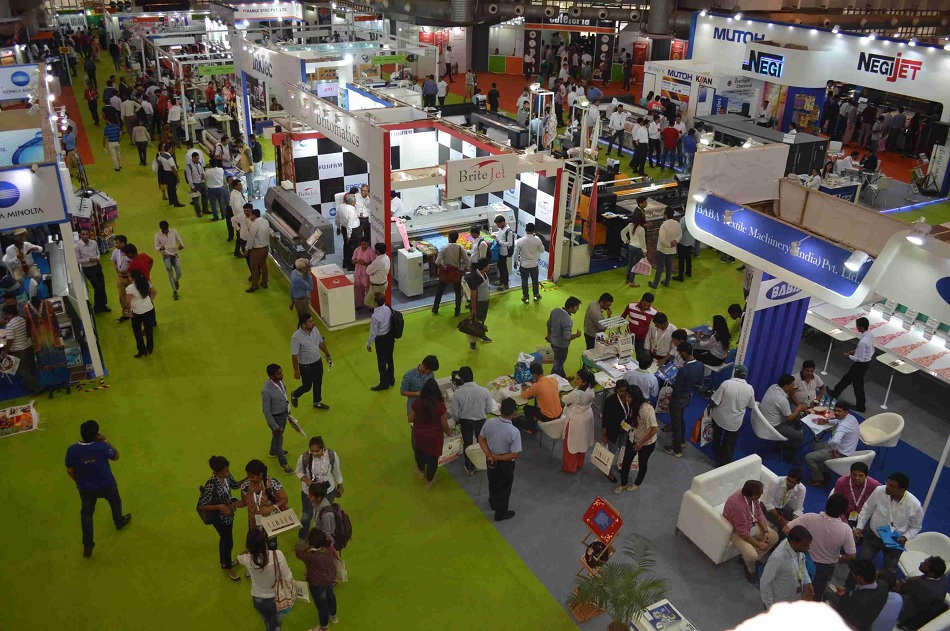
GartexTexprocess India, the highly anticipated tradeshow on garment and textile machinery, is gearing up to captivate industry professionals, exhibitors, and buyers at PragatiMaidan, New Delhi, from 3rd to 5th August 2023. Serving as a definitive gateway to India's thriving textile and garment industry, the exhibition provides a one-stop platform for showcasing and sourcing a diverse array of products, services, and technologies across the entire production value chain.
Cutting-Edge Technologies and Creative Possibilities
The exhibition will feature cutting-edge technologies facilitating efficient manufacturing and value-added machinery, along with software solutions that optimize supply chain management and streamline production processes. Attendees can also explore advancements in garment manufacturing, embroidery, fabrics, digital textile printing, knitting, washing, and processing industries, offering limitless creative possibilities and customization options.
Government Support Boosts Confidence
With consistent efforts to position India as a global textile manufacturing hub, the Indian government's trust and support have boosted the confidence of exhibitors and visitors in the platform. DarshanaJardosh, Hon'ble Minister of State for Railways and Textiles, Government of India, expressed her optimism for the exhibition, emphasizing its role in forging global partnerships and fostering inclusive growth in the sector across India.
Leading Brands and Innovations
Renowned brands such as Jaysynth, Mimaki, Epson, Morgan Technica, GrozBeckert, DuPont, Schmetz India, Juki, Brother, Kansai, Siruba, and Durkopp Adler, among many others, will showcase cutting-edge offerings, integrating automation and software solutions to enhance productivity and efficiency in garment manufacturing.
International Participation and Dedicated Pavilions
GartexTexprocess India has witnessed increased participation from international players, including Sri Lanka, China, Bangladesh, Italy, Japan, and Germany, reflecting the event's global significance. The show will also feature dedicated pavilions, including the Surat Pavilion, representing digital textile printing, textile weaving, and manufacturing sectors.
Power-Packed Conference and Exciting Platforms
The three-day power-packed conference during the exhibition will cover topics such as garment manufacturing, sustainability, denim trends, and fashion. Dynamic platforms like Denim Show, Screen Print India, and Fabrics & Trims Zone will further enhance the event's appeal and opportunities for industry professionals.
With a history of eight successful editions, GartexTexprocess India continues to be the premier platform for discovering and exploring the latest advancements in the garment and textile machinery industry. Don't miss out on this comprehensive trade show, showcasing the best in cutting-edge technology and innovation for the textile and garment sectors.
Indian Technical Textiles Target: $50B
Rachna Shah, the textiles secretary, made an encouraging announcement at an event organized jointly by FICCI, BIS, and the Ministry of Textiles, stating that the Indian technical textiles sector is on the brink of remarkable growth. With the current market value standing at $22 billion, the sector is expected to reach an astonishing $50 billion within the next five years.
Shah highlighted the significant progress witnessed both nationally and internationally in the technical textiles segment. The global technical textiles market, valued at around $260 billion, is projected to surge to $325 billion by 2025-26. To achieve this ambitious target, the government is employing a multifaceted approach, with a strong emphasis on research and development in the technical textile sector, spanning fibers and various applications.
Additionally, the government is dedicated to establishing a well-structured skilling ecosystem to foster a skilled workforce essential for the sector's expansion. Shah stressed the importance of collaboration between certification agencies, the industry, and various government ministries to enhance demand and penetration of technical textiles.
She highlighted the need for standards and regulations for these highly specialized products with stringent performance requirements. Furthermore, the Ministry of Textiles has already taken proactive steps by notifying two quality control orders (QCOs) for 31 technical textiles, effective 7 October.
Additionally, draft QCOs for 28 items, including Agro Textiles and Medical Textiles, have been published on the WTO's website to encourage feedback. With such comprehensive strategies and government support, the Indian technical textiles sector is poised for exponential growth, positioning itself as a significant player in the global market.
Viscose Fibre market: USD 6.89B by 2029
Exactitude Consultancy's Market Research reveals promising prospects for the Viscose Fibre market, projecting a strong 4.3% compound annual growth rate (CAGR) from 2023 to 2029.
The market is expected to surge from USD 4.7 billion in 2022 to an estimated USD 6.89 billion by 2029. The comprehensive study delves into current market dynamics, analyzing trends, drivers, and constraints shaping the industry's growth trajectory.
With a keen focus on major players and their strategies, the report offers insights into the market's projected revenue and key segments. Detailed statistical analysis ensures reliable information, making it an essential resource for understanding the Viscose Fibre market's demand and opportunities through 2023-2029.
Intertextile Shanghai Apparel Fabrics Fair Autumn 2023: Thriving Chinese market
The Autumn 2023 Intertextile Shanghai Apparel Fabrics Fair is gearing up to display an exquisite range of European-designed deluxe fabrics and bespoke services, meeting the surging demand from Chinese consumers with rising purchasing power.
Taking place at the prestigious National Exhibition and Convention Centre in Shanghai from August 28th to 30th, the event promises to be highly anticipated. Highlight zones like SalonEurope, Premium Wool Zone, and Verve for Design in Hall 5.1 are expected to attract a significant number of visitors.
A multitude of country and region pavilions, along with major groups like ECOCERT, Hyosung, Korean Textile Centre, Lenzing, LYCRA, Oeko-Tex, and Sorona, have confirmed their participation to capitalize on the fair's extensive buyer network. SalonEurope will showcase premium fabrics and accessories from Belgium, France, Italy, Switzerland, Türkiye, and the UK. AG Cilander from Switzerland, known for innovative high-quality shirting materials, will be a key exhibitor, presenting cutting-edge collections for everyday use.
In the sought-after Premium Wool Zone, 32 exhibitors will present top European wool fabrics to meet the soaring demands of Chinese buyers.
Local brands will have the chance to source superior wool fabrics for contemporary, globally-influenced garments. Linton Tweeds from the UK will be a prominent exhibitor, offering meticulously designed premium tweed fabrics. Verve for Design, located in Hall 5.1, will showcase visionary textile pattern designs from around the world, setting trends for the upcoming seasons.
Notably, one featured exhibitor will present an eco-friendly collection of hand-drawn, colorful patterned fabrics produced in France. The fair's International Zone at Halls 4.1 and 5.1 will host diverse country and region pavilions, providing unique offerings sought after by domestic and international brands.
Running concurrently with Yarn Expo Autumn, CHIC, and PH Value, the Autumn 2023 Intertextile Shanghai Apparel Fabrics Fair is a comprehensive event for fashion professionals and enthusiasts alike. Co-organized by Messe Frankfurt (HK) Ltd, the Sub-Council of Textile Industry, CCPIT, and the China Textile Information Centre, attendees can expect a seamless and enriching experience.











