


FW
Texworld bio-innovators weave a sustainable future for fashion
By 2030, the fashion industry's dependence on fossil fuels for garments will hit a staggering 75%. This alarming statistic puts pressure on bio-innovators to break the industry's addiction to polyester and other unsustainable materials.
At Texworld NYC, a panel titled "Next-Gen Materials and Fiber Innovation" explored how these pioneers are tackling this challenge. From squid protein to bacteria-grown textiles, the discussion showcased a range of fascinating biomaterials and the journeys they take from concept to market.
From Squid to Sustainable: Julie Willoughby, representing Tandem Repeat Technologies, explained their "Squitex" protein fiber, highlighting its versatility. By manipulating the protein sequence, they can control the material's properties, creating anything from soft, drape-y fabrics to sturdy, technical textiles.
Biodegradable Polyester: Kintra Fibers takes a different approach, focusing on biodegradable alternatives to traditional synthetics. Their "Kintra" polyester uses plant-based feedstocks instead of petroleum, making it a sustainable and eco-friendly choice.
Microbial Magic: Modern Synthesis taps into the power of microbes to create a new class of textile. Their bacteria-grown nanocellulose is strong, lightweight, and incredibly versatile, offering a potential replacement for even materials like leather.
Plant-Powered Fur: Inspired by the cruelty of the fur industry, BioFluff's co-founder Martin Stübler developed "Savian," a luxurious fur alternative made from 100% renewable plant fibers like nettle, flax, and hemp. This innovation caught the eye of Stella McCartney, who used it in her COP28 collection.
Brand Partnerships: While the science behind these materials is impressive, scaling them up for commercial use requires collaboration. Modern Synthesis partnered with Ganni to develop a bacteria-based version of their popular Bou Bag, while Kintra works with brands like Reformation and Bestseller to test and refine their materials.
Challenges and Opportunities: Scaling up and integrating these new technologies into existing supply chains present significant challenges. Patience and flexibility are key, as Gupta from Kintra emphasizes: "These are not six-month or one-year projects. There's multiple stages of testing, and it takes time."
Despite the hurdles, bio-innovators remain optimistic. Keane from Modern Synthesis sees existing infrastructure as an opportunity: "We've been looking at how we can use existing machinery to make really cool materials."
The future of fashion is woven with threads of innovation and sustainability. Bio-innovators are leading the charge, offering solutions that are not only good for the planet but also push the boundaries of what textiles can be. With continued collaboration and a commitment to overcoming challenges, these bio-based materials have the potential to revolutionize the fashion industry and create a more sustainable future for all.
Karl Mayer's TM 4 EL hits the tricot market running
Textile giant Karl Mayer has made waves with its latest innovation, the TM 4 EL. This versatile four-bar tricot machine caters to the mid-range market, churning out fabrics for everything from upholstery and car interiors to sportswear and home textiles. All this, while offering exceptional value and speed.
"We prioritized customer needs," says Kay Hilbert, Product Owner at Karl Mayer. "The TM 4 EL delivers top performance at an attractive price, tackling a wide range of fabrics with maximum efficiency."
This powerhouse machine boasts a 30% speed increase over its predecessor, thanks to Karl Mayer's proven CFRP technology. The launch at ITMA ASIA was a roaring success, with one machine even selling during the event!
Fashion houses are especially excited about the TM 4 EL's potential. Turkish manufacturers see it as a key to reaching international brands, while South American producers envision local collaborations. And for trend-conscious designers, the machine's ability to craft chic seersucker fabrics is a major draw.
The TM 4 EL's arrival marks a significant shift in the tricot market. Its combination of versatility, speed, and affordability is sure to make it a favorite among textile producers worldwide.
Lenzing & Advance denim transform denim with Matte TENCEL
In a creative move towards sustainable and stylish denim solutions, Lenzing Group, a global leader in wood-based specialty fibers, has partnered with China's esteemed denim mill, Advance Denim, for their latest Denim Collection. This collaboration, spanning over 15 years, marks a significant milestone in their shared commitment to eco-conscious fashion.
Advance Denim, established in 1987 and renowned as China's longest-standing denim mill, is celebrated for its inventive styles, blending cutting-edge technologies with timeless indigo dye techniques. The collaboration emphasizes the need for advanced fiber offerings in the denim sector, aligning with Advance Denim's core beliefs of sustainability and innovation.
The incorporation of matte TENCEL Lyocell fibers in the Denim Collection addresses the growing demand for responsible denim with a vintage aesthetic. Amy Wang, General Manager of Advance Denim, notes that these fibers not only offer a sustainability edge but also provide a soft touch and drapability, creating a perfect blend of performance and environmental responsibility.
The matte finish achieved by using TENCEL fibers aligns with current market trends, appealing to consumers seeking a sophisticated and contemporary look. Dennis Hui, Global Business Development Manager, Denim at Lenzing, highlights the company's commitment to fiber innovation, empowering brand partners to meet the needs of conscious consumers.
As the denim industry increasingly prioritizes sustainability, the "Denim Collection" aims to redefine the landscape by embodying style, functionality, and sustainability. Targeting key markets in China, the United States, and Europe, with a keen eye on Asia's burgeoning fashion industry, this collaboration heralds a new era for eco-conscious denim production. Stay tuned for updates on the imminent launch of the revolutionary "Denim Collection."
Birla Cellulose & Usha Yarn unveil "Puneh" recycled yarns
Birla Cellulose and Usha Yarn, two titans of the textile industry, have joined hands to launch "Puneh," a groundbreaking line of recycled yarn blends. This collaboration aims to revolutionize the sector by seamlessly weaving together recycled fashion yarns with sustainable cellulosic fibers.
"Puneh," meaning "again" in Sanskrit, signifies a fresh start for recycled fashion yarns, weaving a new narrative for the industry. It's more than just a trend; it's a conscious answer to the urgent need for sustainable practices in textiles. By tackling textile waste head-on, this partnership redefines our relationship with fashion.
Puneh's uniqueness lies in its blend: mechanically recycled textile waste intertwined with Birla's sustainable cellulosic fibers like Birla Spunshades and Liva Reviva. This eco-friendly blend not only prioritizes sustainability but is also recyclable, offering a tangible solution to the single-use material problem.
Birla Cellulose's commitment to sustainability shines through in Puneh's vibrant hues and eco-friendly elements. It proves that sustainability and style can co-exist beautifully. And what's even more commendable is Puneh's biodegradability, making it a true champion of environmental responsibility.
"Our collaboration with Usha Yarn is a testament to our commitment to a brighter, more eco-conscious future," says Mr. H.K. Agarwal, Managing Director of Grasim Industries Ltd. and Business Director of Birla Cellulose. "By seamlessly integrating style with purpose, we're crafting a sustainable legacy. Together, we're unraveling the knots of textile waste and stitching a narrative of responsible consumption."
Puneh's arrival marks a significant step towards a more sustainable and responsible textile industry. It speaks to the power of collaboration and innovation in tackling environmental challenges. By seamlessly integrating sustainability into daily lives, Puneh paves the way for a more harmonious relationship between style and sustainability in the fashion world.
This is a significant development, not just for the textile industry, but for the environment as a whole. Puneh's success holds the potential to inspire other brands and consumers to embrace a more sustainable future.
KARL MAYER unveils TM 4 EL
KARL MAYER revolutionized the mid-range segment with the introduction of the TM 4 EL, a versatile four-bar tricot machine designed for upholstery, automotive interiors, outerwear, sportswear, and home textiles.
The all-encompassing machine, known for its exceptional value for money, prioritizes customer needs by offering high efficiency and flexibility. Kay Hilbert, Product Owner for Global Tricot Machines at KARL MAYER, emphasized that the TM 4 EL allows customers to produce a wide range of common items at maximum speed and an attractive price point.
Equipped with KARL MAYER's CFRP technology, the TM 4 EL boasts a remarkable 30% increase in speed compared to its predecessor in the commodity sector. Launched at the ITMA ASIA exhibition in November 2023, the machine garnered significant attention and was promptly sold during the event.
Fashion industry representatives, especially from Turkey, were intrigued by the machine's potential to enhance collaborations with major international brands. Additionally, South American producers saw opportunities to expand partnerships with local brands, particularly in the production of chic seersucker items.
The TM 4 EL's competitive pricing and powerful capabilities are capturing the interest of trend-conscious fashion manufacturers worldwide, marking a successful foray into the market for KARL MAYER.
Munich Fabric Start launches Spring/Summer 2025 Sourcing round
The first day of Munich Fabric Start, a renowned international fabric trade show, marked the commencement of a dynamic three-day event uniting the European fashion industry under the theme "CLARITY." With over 1,000 exhibitors from across the globe showcasing collections, trends, and innovations for the Spring/Summer 2025 season, the event covers 42,500 square meters at the MOC.
The event, held in eight distinct areas – ADDITIONALS, FABRICS, ReSOURCE, BLUEZONE, DESIGN STUDIOS, KEYHOUSE, SUSTAINABLE INNOVATIONS, and THE SOURCE – positions itself as a unique one-stop sourcing solution for the European fashion industry.
Sebastian Klinder, Managing Director of Munich Fabric Start, emphasized the synergy among Munich Fabric Start, BLUEZONE, and KEYHOUSE, referring to them as a harmonious triad and the largest German platform for the fashion industry. Klinder expressed pride in the positive feedback from visitors and suppliers, reinforcing Munich Fabric Start's status as a must-attend event.
According to Frank Junker, Creative Director & Partner of Munich Fabric Start, the industry's current focus on clarity resonates with the event's theme. He highlighted the importance of orientation, structure, and tidiness, emphasizing the industry's need for clear goals and strategies.
Over the next three days, more than 1,000 suppliers, including prominent names like Assyst, Cadica Group, CNC Tessuti, Liberty, Lisa, Studio 9, Takisada Nagoya, WeNordic, and Yünsa, will showcase their creations and services for the Spring/Summer 2025 season. BLUEZONE, hosted in the Zenithhalle, will spotlight the latest denim, streetwear, and sportswear collections and innovations.
Munich Fabric Start's extensive exhibitor portfolio is complemented by a robust program featuring over 50 speakers delivering exclusive trend lectures and seminars, offering valuable insights into upcoming trends in the fashion industry. The event reaffirms its commitment to providing a platform that blends casual aesthetics with high professionalism, creating a space for industry professionals to find inspiration and forge new approaches.
Global hosiery market expected to touch $75.71 bn by 2029
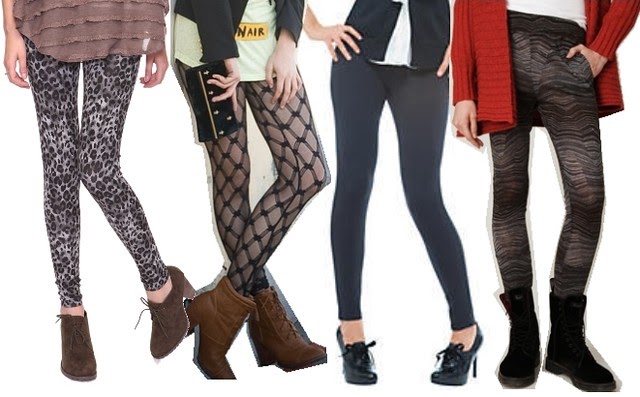
Global hosiery market, encompassing socks, stockings, tights, and leggings, is expected to reach $75.71 billion by 2029, thanks to a perfect blend of comfort, fashion, and function.
The rise of dance culture is fueling demand for specialized hosiery. Dancers, from professionals to enthusiasts, crave flexibility, breathability, and a touch of flair, driving innovation in this niche.
With eco-consciousness among consumers, the industry is moving towards green options. Biodegradable fibers, organic cotton blends, and recycled materials are replacing traditional fibers, while brands are adopting sustainable practices across the board.
Asia-Pacific leads the pack, with rising disposable incomes and a growing middle class fueling the demand for effective leg and foot wear. But the beat is global, with North America and Europe also showing strong steps.
While all segments are growing, socks are the undisputed leader, thanks to their practicality and versatility. Upright hosiery, used for efficient fabric care, is also gaining traction, especially in households and businesses.
Despite the e-commerce boom, physical stores remain the go-to destination for hosiery shoppers. Technology is adding a new spin, with interactive experiences and personalized recommendations keeping customers coming back for more.
Major players like Hanesbrands, Jockey International, and Spanx are strutting their stuff with strategic expansions, innovative products, and a focus on sustainability. The hosiery market is no longer just about keeping feet warm. It's a dynamic dance of comfort, style, and eco-consciousness, with each step propelling it towards a bright and fashionable future.
Eco fibers market to boom, reaching $108.6 billion by 2032
Eco fibers are taking the textile world by storm, with the market projected to reach a whopping $108.6 billion by 2032, driven by rising demand from the textile industry and a growing focus on sustainability. This 7.5% annual growth is fueled by the eco-conscious shift in consumer preferences and the industry's push for resource efficiency.
Textiles lead the charge, soaking up over 40% of the market share. Organic cotton, hemp, bamboo, and recycled polyester are finding their way into clothing, bedding, and furnishings, appealing to environmentally aware consumers. But the love for eco fibers isn't limited to wardrobes; household applications are also embracing these sustainable materials.
However, challenges remain. The high price of eco fibers compared to their synthetic counterparts can be a stumbling block. But innovation is stepping in, with advancements promising to bring down costs and unlock new opportunities.
The Russia-Ukraine war casts a shadow, disrupting the supply chain, particularly for natural fibers like hemp and flax. This could lead to price fluctuations and force manufacturers to rethink sourcing strategies.
Despite these hurdles, the future looks bright for eco fibers. The regenerated segment, made from recycled materials, is expected to maintain its dominance, driven by the focus on circular economy principles. And with Asia-Pacific leading the charge, with over half the market share and a projected 7.7% annual growth, the region is poised to remain the eco-fiber powerhouse.
Overall, the eco fibers market is on a sustainable growth trajectory, driven by consumer demand, industry innovation, and a global shift towards environmental responsibility. As the market matures and costs decrease, expect to see eco fibers woven into the fabric of our everyday lives.
BASF and Inditex unveil world's first recycled nylon jacket
In a major breakthrough for sustainable fashion, BASF and Inditex have teamed up to create the world's first jacket made entirely from recycled nylon waste. This revolutionary fabric, called loopamid, offers a closed-loop solution for nylon apparel, marking a significant step towards a more circular textile industry.
The 100% loopamid jacket, currently available at Zara stores worldwide, embodies a "design for recycling" approach. Every component, from the fabric and buttons to the zipper and filling, is crafted from this innovative recycled nylon.
BASF's cutting-edge technology behind loopamid allows textile-to-textile recycling of both post-industrial and post-consumer waste. It tolerates various fabric mixtures, including PA6 and elastane, and the recycled fibers retain the same quality as virgin polyamide. This opens doors for large-scale nylon recycling, a long-standing challenge in the industry.
"BASF has reached a milestone towards circularity in fashion," says Dr. Ramkumar Dhruva, President of BASF's Monomers division. "Loopamid has the potential to revolutionize the PA6 market, and we're scaling up production to meet demand."
Inditex played a crucial role in integrating loopamid into various garment components. They partnered with manufacturers like RadiciGroup, YKK, and Velcro to transform the polymer into yarns, zippers, and fasteners. ModaRe, a clothing take-back program, provided the recycled textile feedstock.
"Innovation is key to a more responsible fashion industry," says Javier Losada, Inditex's Chief Sustainability Officer. "This collaboration shows how we can turn waste into a resource. But to truly close the loop, we need improved collecting and recycling capacities for post-consumer waste."
Both BASF and Inditex have ambitious sustainability goals. BASF aims to double its circular economy solutions sales to €17 billion by 2030, while Inditex targets 100% of its products to be made from sustainable materials by the same year. Loopamid marks a significant step towards achieving these goals and paves the way for a more sustainable future for fashion.
Cotton candy prices bounce back despite consumption woes
Cotton candy prices saw a sweet gain of 0.76% today, settling at 55,660. This rebound comes after facing pressure from a dip in world consumption forecasts for the season. The expected 1.3 million bale drop is blamed on lower demand from India, Indonesia, and other key players.
However, a surprise surge in world-ending stocks, up by 2 million bales, provided much-needed support. This boost was driven by higher production and beginning stocks, partially offsetting the consumption slowdown.
India's cotton association held steady on its domestic consumption and pressing estimates for the season. Meanwhile, Brazil's historic cotton production in 2023 added to the global supply glut.
Despite this abundance, sluggish demand and economic woes kept a lid on prices. However, a decline in pink bollworm infestation in India's cotton crop offered some hope.
Technically, the market saw short covering, with open interest unchanged. Cotton candy is finding support at 55,300, with potential downside to 54,950. Resistance lies at 55,900, with a possible climb to 56,150.
In short, cotton candy prices enjoyed a temporary reprieve amidst a challenging global market. Whether this sweetness lasts depends on how demand plays out in the coming months.











