


FW
Fashion 2.0: AI injects creativity and innovation into textile design
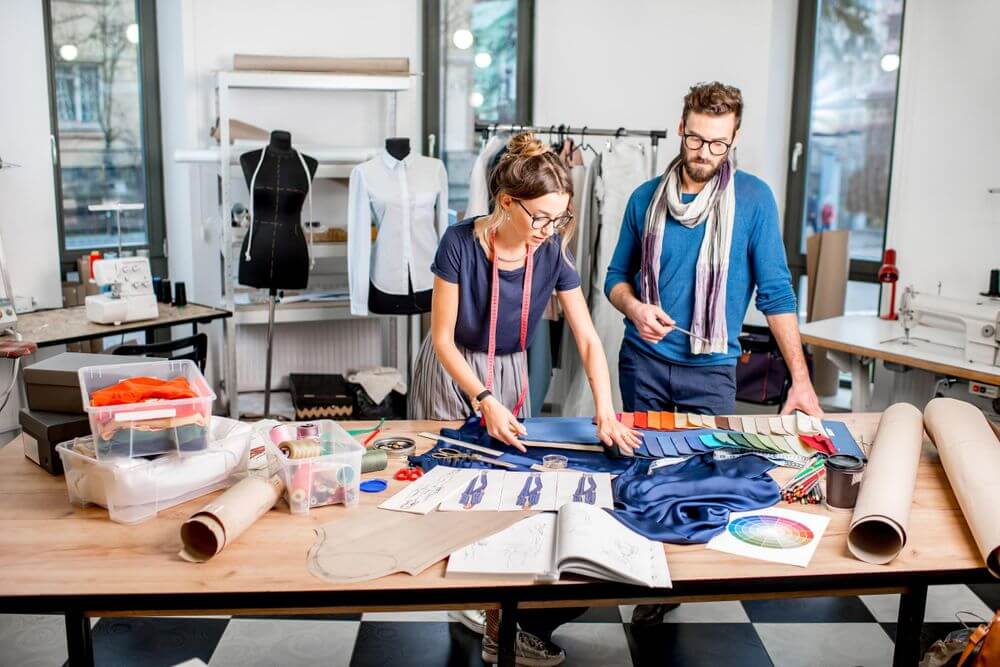
Fashion's ever-evolving landscape stuns constantly, from intricate silhouettes and opulent palettes to trend-setting colors. In 2024, fashionistas worldwide eagerly await the unveiling of this year's mood board. But in a revolutionary twist, 2024 promises to elevate the fashion ecosystem through the fusion of a disruptive force: Generative AI.
For decades, the textile industry, the very essence of fashion, has stagnated, leaving millions yearning for unique textile creations. With the tech revolution permeating various industries, the textile world is poised to embark on an AI-driven transformation in 2024, delivering fashion enthusiasts with "Textile Design 2.0," as Francesca Kerrey, CEO of AI Style, aptly puts it.
Game-changing design generation
Textile design, an intricate tapestry of art, requires years of practice to master. With AI integration, the fashion industry stands to create designs that explode with creativity, innovation, and distinctness. "AI is not here to replace designers; it's here to empower them," Kerrey emphasizes. By working with AI, designers can analyze customer preferences and trend data, crafting designs that not only stun but sell. Furthermore, Generative AI promises a rapid churn out of new designs at minimal cost, paving the way for brands to launch and gather customer feedback before physical production, as Minh Hua, Chief Technology Officer of the World Fashion Council, highlights.
Boosts retail sales
Generative AI isn't limited to design; it revolutionizes sales channels too. Brands can identify potential buyers through AI-powered sales tools and utilize this data to create designs that resonate with these customers' palettes. Automated marketing campaigns then promote these designs to both repeat and potential customers, creating a smooth sales funnel. With this feedback loop, brands can deliver exactly what fashion enthusiasts crave, as Carlota De La Vega, Founder of the Institute for Computational Fashion, emphasizes.
Fostering experimentation
Fashion thrives on experimentation, especially in an era where uniqueness reigns supreme. However, creative blocks plague everyone, from designers and artists to writers and dancers. By tapping into the creative prowess of Generative AI, designers can access innovative designs that often escape human sensibilities. This freedom to experiment pushes the boundaries of fashion, offering consumers an unprecedented array of choices, as De La Vega points out.
Quality control
Quality reigns supreme in all industries, but in fashion, it speaks volumes about a brand's identity and creative ethos. Traditionally, skilled workers physically inspect fabrics for quality control. With AI's entry, the textile design space will not only transform design and sales but also automate and expedite quality control. From ensuring uniform yarn manufacturing to testing raw cotton's color, strength, and length, Generative AI will redefine quality control.
Future-ready fashion space
While fashion has empowered us to embrace our identities and step into our own skin, it's time to elevate the industry to its true potential. In 2024, AI integration will propel the fashion world to its toes, creating trends that stay, delivering a breath of fresh air and innovation to fashion connoisseurs. As Hua aptly concludes, "AI is going to democratize fashion by making it more accessible and personalized for everyone." Indeed, the future of fashion is here.
SIMA optimistic: Interim budget maintains tax status
The interim Union Budget for 2024-25, unveiled today, retains existing tax rates while prioritizing ongoing projects and infrastructure development, aligning with the government's vision to achieve developed status by 2047. With a focus on inclusive growth and infrastructure, the budget sustains the momentum of previous years.
In response, S. K. Sundararaman, Chairman of The Southern India Mills’ Association (SIMA), voiced optimism, particularly with looming Lok Sabha elections. He expressed hope that the textile industry's demands regarding raw material issues and other concerns would find consideration in the forthcoming full-fledged budget.
Sundararaman welcomed the 27.60% increase in allocations for the Ministry of Textiles for 2024-25, compared to the previous year. Noteworthy allocations include funding for various schemes such as PM Mitra Park, NITTM, A-TUFS, ISDS, RoTDEP, and RoSCTL, along with provisions for the Cotton Corporation of India's MSP operations.
Moreover, he appreciated measures promoting green power, aiming to reduce carbon emissions, and applauded proactive initiatives towards sustainability goals. The budget's focus on strengthening logistics infrastructure to enhance manufacturing sector competitiveness was also commended.
However, Sundararaman highlighted unresolved industry concerns, including import duty on ELS cotton, technology missions for cotton production enhancement, and exemptions for imported man-made fibers. He expressed hope for their inclusion in the full-fledged budget, emphasizing their significance for farmers and industry growth.
As anticipation builds for the comprehensive budget, stakeholders await further clarity on policy directions and support measures for sectoral development.
By 2025, the Lycra Company to adopt bio-sourcing for 30% fibers
Under new leadership and ownership, The Lycra Company, is revamping its product range with a strong focus on sustainability.
By 2025, around 30 per cent of Lycra fibers will be bio-sourced, reducing CO2 emissions by half and aligning with clients' sustainability goals.
The company’s new fiber, Lycra Adaptiv offers better stretch and adaptability, potentially reducing the need for multiple sizes and minimizing waste. The fiber has already been adopted by Adidas for its All Me line.
Polyester Fiber, Lycra T400, enables recyclable stretch fabrics for jeans and sportswear while the new Fit400 fiber expands T400's use to recyclable sports apparel. These fibers will be rolled out gradually starting late 2024.
Last year, the company faced challenges due to inflation and pandemic disruptions, but expects a better outlook in 2024. It sees a growing interest in differentiation and sustainability narratives and aims to industrial-scale circularity.
Overall, The Lycra Company is making significant strides towards a more sustainable future by integrating eco-friendly innovations into its core product range. This strategic shift positions the company for growth while aligning with the evolving demands of the apparel industry and environmentally conscious consumers.
Indian government’s new MSME payment rule sparks outrage, stakeholders urge rethink
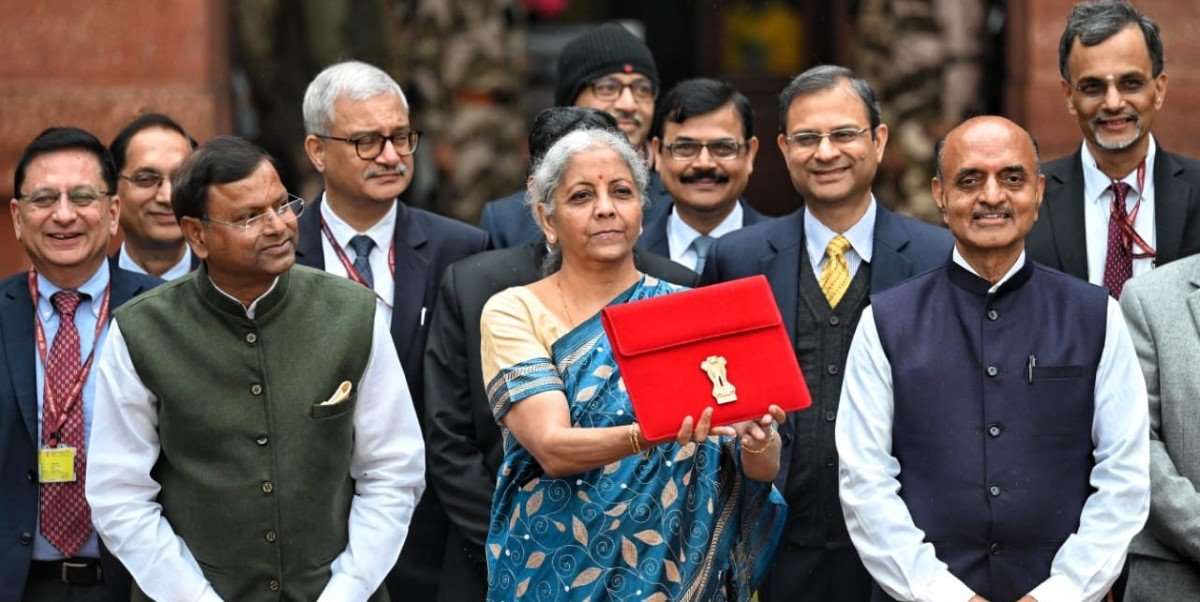
The South India Garment Association (SIGA) has raised alarm over the potential negative effect on the garment industry due to a new payment rule for Micro, Small, and Medium Enterprises (MSMEs). In a letter to Prime Minister Narendra Modi, SIGA urged for the repeal of Rule 43B(H) of Income Tax Act, claiming it poses an existential threat to countless garment units nationwide.
Introduced as part of the MSMEs Development Act, 2006, Rule 43B(H) mandates prompt payment to micro and small businesses by buyers. Payments exceeding specified timelines – 15 days for perishables, 30 days for goods, and 45 days for services – are now deemed income for the seller, attracting taxes on the buyer.
Affects on the industry
SIGA President Anurag Singhla expressed grave concerns, stating, "This will be a big blow to the garment industry, already struggling against corporate competition. Lakhs of jobs are at stake. We urge the Prime Minister to intervene and save the industry."
Industry experts too echoed their concerns. Naresh Lakhanpal, SIGA Vice President opines, "The garment industry faces its worst crisis in 50 years. Clients are cancelling orders due to the rule. It's unsustainable." While B C Shivakumar, Managing Director of BS Channabasappa & Sons, explained highlighted its impracticality in the garment industry's context. "The average payment cycle is 90 days. Enforcing a 45-day limit will cripple us. We request a phased implementation." Kundan Jain, former SIGA President, emphasized the ripple effect on suppliers facing order cancellations. "Making payments within 75-90 days is the norm. A 45-day limit is impossible," he asserted.
The garment industry is a significant contributor to the Indian economy, employing over 12 million people and accounting for 2 per cent of the GDP. Estimates suggest that over 50,000 garment units could be affected by the new rule, potentially jeopardizing millions of jobs across the value chain.
Meanwhile the government has acknowledged the SIGA’s and other industry bodies concerns. The Ministry of Micro, Small and Medium Enterprises (MSME) has stated it is reviewing the rule and considering possible modifications. However, no concrete action has been taken yet.
Potential consequences
Beyond job losses, the rule's implementation could have severe consequences on the garment industry:
• Lower production: As factories struggle to meet tight payment deadlines, production could slow down, impacting exports and domestic availability.
• Increased costs: Businesses may need to raise prices to compensate for the additional tax burden, potentially impacting consumer demand.
• Shifting orders: Garment manufacturers may be forced to move production to countries with more relaxed payment regulations, further impacting domestic jobs and exports.
Various stakeholders have proposed alternative solutions such as having industry-specific exemptions or exempting the garment industry from Rule 43B(H) or extending the payment timelines to align with industry norms. Financial support by way of providing working capital loan or other financial instruments to help businesses meet payment deadlines. Opting for phased implementation, which would mean implementing the rule gradually to allow businesses time to adjust their practices.
The future of the garment industry hangs in balance as it awaits the government's response. The potential consequences of the new payment rule are significant, and swift action is needed to protect jobs, ensure industry stability, and safeguard the sector's contribution to the Indian economy.
Bangladesh to double non-cotton garment exports by 2025
Bangladesh's exports of non-cotton garments, including man-made fibers, could double to $19 billion by 2025 from the current $8.5 billion, predicts a new study by the Economic Relations Division (ERD).
However, this potential hinges on overcoming several key challenges such as importing man-made fibers incurs duties of up to 59 per cent, compared to duty-free cotton. This discourages investment and increases costs.
Secondly, complex customs procedures and limited access to short-term financing hinder smooth operations and expansion. The industry also lacks skilled workers and modern technology, hindering efficiency and competitiveness. It even does a dedicated fiber security strategy and limited research and development activities further impede growth.
To unlock Bangladesh’s export potential, local entrepreneurs like Md Saleudh Zaman Khan Jitu have emphasised the need for duty-free imports of raw materials. Industry leaders like Mohammad Ali Khokon and Abdullahil Rakib have also called for policy support, including duty-free access and infrastructure development.
The recommendations of these leaders include implementing a fiber security strategy to ensure raw material availability, granting duty-free access to all man-made fiber raw materials, establishing a dedicated low-cost investment fund for the sector, investing in skill development and technology adoption initiatives, streamlining customs procedures and simplify duty drawback processes and increasing research and development activities to enhance competitiveness.
Exporters cry foul as Bangladesh phases out export incentives
Bangladesh is phasing out export incentives to comply with World Trade Organisation (WTO) rules before its expected graduation from Least Developed Country (LDC) status in 2026.
This move has sparked divided opinions, with exporters fearing loss of competitiveness due to higher costs and foreign exchanges challenges. To support these exporters, experts are recommending reduction in business costs and tackling corruption.
The new policy reduces incentives for various sectors, including leather, agro products, and new markets. Exporters argue that losing incentives on crucial garment items like suits and shirts would prove detrimental to diversification and global competitiveness. Meanwhile, analysts argue that relying solely on cash incentives is unsustainable and masks underlying issues like high business costs and inefficient processes.
Overall, the phasing out of export incentives presents a complex scenario for Bangladesh. While it aligns with WTO rules and might enhance long-term economic efficiency, it raises concerns for the export sector, particularly the garment industry, in the short term. To manage this transition effectively, careful navigation and alternative support measures will be crucial.
Skechers records $8 billion sales in 2023
US footwear giant Skechers kicked off 2024 with record-breaking sales of $8 billion in 2023, a 7.5 per cent Y-o-Y increase. The strong performance was fueled by a resurgent Asia-Pacific market and a thriving direct-to-consumer business.
The brand’s sales in the fourth quarter soared by 4.4 per cent, driven by a 6.9 per cent spike in international sales and a 0.3 per cent rise in domestic revenues.
Skechers’ direct-to-consumer sales surged by 20.3 per cent, while wholesale sales dipped by 8.3 per cent.
The brand’s sales in the Asia Pacific region grew by 15 per cent, with China leading the charge with double-digit gains. Its net earnings for the quarter reached $87.2 million, translating to diluted earnings per share of $0.56, up from $0.48 in the previous year.
David Weinberg, COO, says, the strong demand for the brand’s comfort technology products, particularly through its direct-to-consumer channels, is a testament to the brand's strength.
Fashion brands fail to address forced labor in supply chains: Report
Many major fashion brands are not adequately addressing forced labor in their supply chains, with luxury giant LVMH among the worst offender, says a new report by KnowTheChain.
The report analyses 65 companies based on their exposure to forced labor risk and their efforts to mitigate it. The average score across all companies was found to be only 21 out of 100, indicating significant shortcomings in their policies and practices.
Lululemon emerged as the leader with a score of 63, praised for its strong human rights due diligence practices. It was followed by Puma and Adidas who demonstrated their commitment to fair labor standards.
Foot Locker and LVMH scored poorly, highlighting the need for significant improvement. Amazon and Walmart both scored 32/100, placing them in the top third-performing of companies overall.
Walmart said it works with suppliers, non-governmental organisations, experts and others to address root causes of these issues, foster innovative solutions and accelerate adoption at scale.
The report concludes, many companies lack transparency about their supply chains, especially when it comes to sourcing high-risk materials like cotton. Few of them provide effective remedies for workers whose rights have been violated with engagement with unions and worker representation remaining low across the industry.
The report calls for stricter laws for companies to disclose and mitigate supply chain risks. It urges companies to provide more detailed information about their sourcing practices and potential risks. They need to establish clear procedures for addressing and remedying human rights violations, the report says
Further, the report calls for an integration of sustainable purchasing practices into price negotiations and sourcing decisions. It also urges companies to engage with workers and unions to ensure their rights are protected.
Textile Industry Responds to Interim Budget: Cautious optimism amidst hope for Full Budget relief
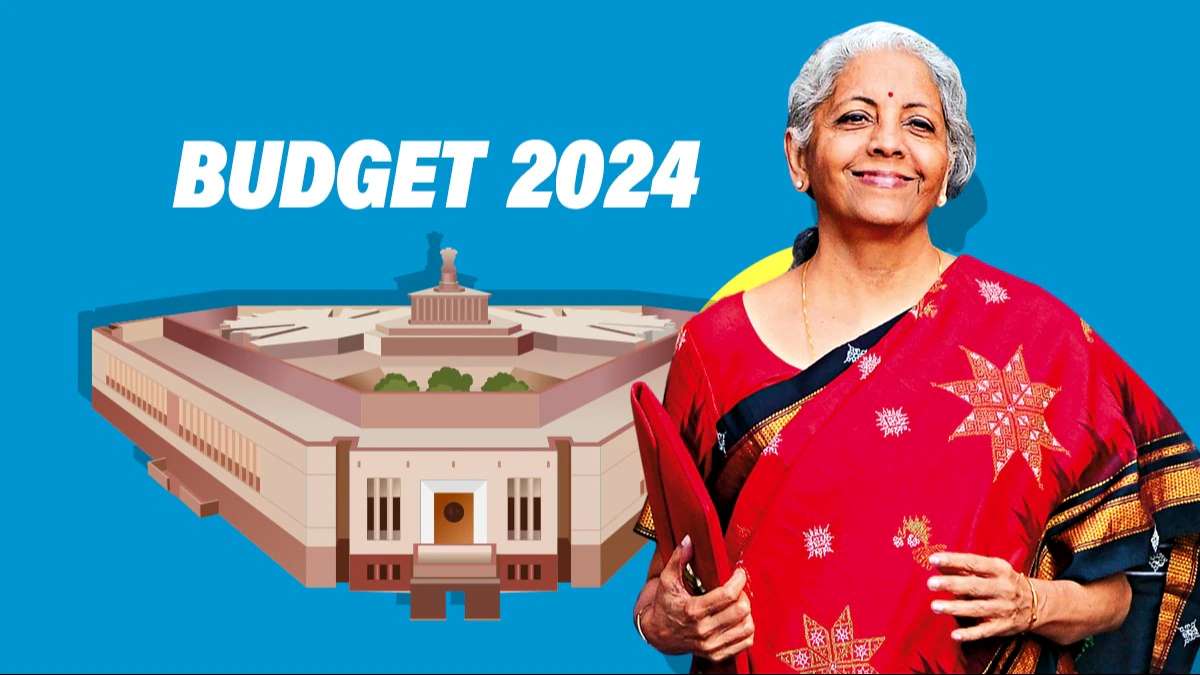
The Indian textile industry presented a mixed response to the interim budget announced today, welcoming government focus on investment and R&D while expressing concerns about slow implementation of schemes and continued financial stress. The industry seeks immediate relief for the financially stressed spinning sector and expects bolder policy announcements in the full budget to address competitiveness and growth concerns.
Key Takeaways:
• Industry appreciates increased focus on investment and R&D.
• Extension of RoSCTL scheme seen as positive for garment exports.
• Concerns remain regarding financial stress, import duty on cotton, and slow implementation of schemes.
• Full budget expected to address industry demands more comprehensively.
• Raw material structural issues remain a key concern for long-term growth.
CITI appreciates focus on investment, seeks relief for spinning sector
Confederation of Indian Textile Industry (CITI) Chairman Rakesh Mehra congratulated Finance Minister Nirmala Sitharaman for the budget, but highlighted the need for immediate relief for the financially stressed spinning sector. He noted the 27.6% increase in budget allocation for textiles, mainly due to Rs 600 crore allocated for cotton MSP operations.
Apparel industry welcomes RoSCTL extension, seeks more support
The Apparel Export Promotion Council (AEPC) Chairman Sudhir Sekhri welcomed the extension of the Rebate of State and Central Taxes and Levies (RoSCTL) scheme for apparel exports but called for increased allocation in the full budget considering the challenging global market. He commended the budget's focus on competitiveness and growth.
Industry disappointed by lack of policy changes
However, Sanjay Jain, Chairman of the ICC National Textiles Committee, expressed disappointment at the lack of major policy announcements, specifically regarding import duty on raw cotton and minimum import duty on knitted fabrics to counter Chinese dumping. He lauded the allocations towards technical textiles and R&D but stressed the need for faster implementation of existing schemes like PLI.
Interim Budget hints at future direction
“As an interim budget, it was anticipated that no significant announcements would be made, and indeed, there were no surprises. Nevertheless, the budget provided essential indicators of the anticipated direction for the July budget, emphasising key areas such as innovation, support for start-ups, sustainable development, job creation, and a dedicated focus on Women Empowerment and Domestic Manufacturing, aligning with the overarching theme of ‘First Develop India,’” says Rahul Mehta Chief Mentor, CMAI.
Full Budget expected to address key concerns
Sunil Patwari, Chairman of the Cotton Textiles Export Promotion Council (TEXPROCIL), welcomed the interim budget, stating that it "is centered around policies that will support India's economy as it continues to grow and approaches the $5 trillion mark." He particularly commended the increased allocation for the RoDTEP and RoSCTL schemes, noting that these measures will "lessen the burden of taxes and levies and provide a level playing field in the sector." However, he echoed the sentiments of other industry leaders in calling for bolder reforms in the full budget, particularly regarding raw material import duties and support for the spinning sector.
Industry leaders expressed hope that the full budget will address their concerns more comprehensively. Dr. S.K. Sundararaman, Chairman of The Southern India Mills' Association (SIMA), welcomed the overall increased allocation for textiles but urged the government to consider their demands related to raw material issues and exemptions in the full budget.
NCTO welcomes Homeland Security's textile plan
NCTO President and CEO Kim Glas has hailed the Department of Homeland Security's (DHS) proposed comprehensive textile enforcement plan, following a meeting with industry leaders. The plan aims to address mounting concerns over the textile and apparel sector, including calls for stricter enforcement and penalties, and the closure of the de minimis loophole.
Glas emphasized the severity of the situation, noting the loss of eight plants in just three months—a toll compounded by demand erosion and unfair trade practices. The industry's resilience, tested through historic crises like the Great Depression and the COVID-19 pandemic, is now under threat.
During the meeting, industry representatives highlighted three key priorities for Secretary Mayorkas:
Increasing enforcement and penalties under existing free trade agreements (FTAs).
Strengthening enforcement and penalties under the U.S. Foreign Trade Zones Act (UFLPA).
Closing the de minimis loophole, which allows millions of unchecked packages to enter the market, undercutting domestic producers.
Mayorkas pledged to collaborate with NCTO and industry stakeholders to develop a 30-day action plan for immediate textile enforcement. Glas expressed optimism about the forthcoming collaboration, underscoring the importance of safeguarding the industry's future.
The engagement between the DHS and textile industry signals a concerted effort to protect this critical supply chain and support domestic workers.











