


FW
SAC and SLCP forge independent partnership for global apparel industry
In a landmark move, the Sustainable Apparel Coalition (SAC) and the Social & Labor Convergence Program (SLCP) have solidified their strategic partnership, heralding a new era in the quest for improved working conditions in the apparel sector. SLCP, having recently transitioned into an independent non-profit foundation, celebrates its separation from SAC, signifying a maturation of its mission since its inception by SAC in 2015.
The collaborative efforts have yielded significant achievements over eight years, with SLCP boasting more than 11,000 facilities across 60 countries having undergone SLCP-verified assessments. Notably, the adoption of SLCP's Converged Assessment Framework (CAF) has unlocked an estimated $23 million annually through reduced duplicative audits, garnering support from over 70 prominent brands and organizations.
With SLCP's formal separation on February 1, 2024, both entities reiterate their commitment to a tightly integrated collaboration, aligning their tools and strategies for enhanced global working conditions. SAC remains steadfast in its support of CAF as the preferred social compliance assessment framework, ensuring its integration into the Higg Facility Social & Labor Module (FSLM) tool.
Andrew Martin, SAC's executive vice president, emphasizes the shared values propelling the partnership towards catalyzing collective action at scale. Janet Mensink, CEO of SLCP, echoes this sentiment, highlighting the collaborative power of industry-wide cooperation in advancing social responsibility.
Looking ahead, SAC and SLCP are poised to extend their impact beyond the apparel industry, aiming to expand the reach of CAF into adjacent sectors. This holistic approach underscores a commitment to harmonized assessment frameworks and increased adoption, fostering a culture of responsibility and accountability within the industry.
The strategic collaboration between SAC and SLCP sets a precedent for industry convergence and collective action, underscoring a shared vision for a sustainable future in global supply chains.
Coloreel & Tajima's Pulse ID: Embroidery revolution
Tajima Software Solutions and Coloreel are set to unveil Pulse ID, an innovative software poised to redefine the landscape of embroidery customization. This innovative tool promises a quantum leap in personalized design options for both brick-and-mortar and online retail platforms.
Pulse ID empowers users with unparalleled flexibility, allowing seamless customization of embroidery designs. From tweaking text to adding vibrant effects and colors, the possibilities are limitless. The integration of Coloreel's cutting-edge technology with Tajima's embroidery machines ensures a smooth and efficient workflow, revolutionizing in-store embroidery services and online shopping experiences.
Attendees at Salon C!Print in Lyon, from February 6-8, will have an exclusive opportunity to witness this game-changing solution in action. Visitors to Tajima Europe's booth (2P20) can partake in live demonstrations, personalizing caps with flags and names of their choosing.
Mattias Nordin, SVP Product Management at Coloreel, emphasizes the software's transformative potential: "This collaboration signals a paradigm shift in automated personalization, not only for our industry but for the entire embroidery sector. Pulse ID represents a monumental advancement, poised to reshape how we approach personalized embroidery across physical and digital retail landscapes."
Unveiling the ‘Unlock’: Fashion Pact's cotton sustainability report draws mixed reactions
The Fashion Pact, a heavyweight alliance of fashion giants united under the banner of sustainability, has released its ‘Unlock’ report, a roadmap for a climate-friendly future for cotton. But instead of a resounding chorus of applause, the report has been met with a mixed bag of reactions, with some industry players applauding the ambition while raising concerns about methodology and impact.
The Report
Their mission: incentivize farmers to adopt regenerative practices that heal the soil, boost biodiversity, and slash carbon emissions. This not only benefits the environment but also allows brands to make credible claims about reducing their Scope 3 emissions (those occurring outside their direct control).
However, the pilot phase in India and the US revealed some challenges. Smallholder farmers, the backbone of cotton production, often lack the resources and expertise to precisely quantify their emissions. This creates hurdles in verifying their impact and ensuring fair compensation. Additionally, double-counting emissions becomes a risk if farmers already participate in other improvement programs. Finally, robust inventory accounting in developing countries presents difficulties due to limitations in monitoring and traceability.
Despite these hurdles, ‘Unlock’ represents a crucial step towards a greener future for cotton. By addressing these challenges through collaboration and innovative solutions, the project has the potential to:
Empower farmers: Provide smallholders with the tools and support they need to measure their impact and access fair rewards for adopting sustainable practices.
Boost transparency: Develop robust accounting methods that ensure credible emission reduction claims by brands.
Bridge the gap: Facilitate connections between farmers and brands, creating a direct line of impact and shared value.
Unlock proposes a three-pronged attack: scaling up regenerative agriculture practices that nurture soil health and biodiversity, investing in circularity solutions like recycled cotton and innovative bio-materials, and finally, boosting transparency and traceability across the cotton supply chain. While the ambition is undeniable, questions linger.
Criticism on the methodology
However, critics point to the report's methodology, arguing that the calculations for potential emissions reductions lack transparency and independent verification. They worry that the focus on large-scale interventions might overlook the potential of smaller, community-driven initiatives that are often nimbler and more attuned to local contexts.
But the concerns don't stop there. Some industry players raise the specter of unintended consequences, questioning whether the project's impact will be equitably distributed across the cotton supply chain. Will farmers, particularly those in developing nations, truly benefit from this grand plan, or will the lion's share of the gains accrue to larger players?
The Fashion Pact, however, remains undeterred. They emphasize the importance of starting the conversation, highlighting that Unlock is just the first step in a long journey. They acknowledge the need for further refinement and transparency, welcoming feedback and promising to work with stakeholders to address concerns.
But the road ahead won't be easy. Striking a balance between ambition and practicality, ensuring transparency and inclusivity, and navigating the complex web of economic and social factors within the cotton industry – these are just some of the hurdles that the Fashion Pact must overcome to truly unlock a sustainable future for cotton.
Indeed ‘Unlock’ report may not be a silver bullet, but it has certainly sparked a necessary conversation. As the fashion industry grapples with its environmental footprint, the success of ‘Unlock’ could pave the way for a more sustainable future – but only if it listens to the concerns, addresses the gaps, and collaborates with all stakeholders along the way. The journey has just begun, and the world is watching.
UK’s Premier Spring Fair 2024: Unveiling retail trends and innovations

The UK's largest and longest-serving retail show, Spring Fair, kicked off to much anticipation as thousands of retailers descended upon the event to explore new opportunities and rejuvenate their retail strategies. Among the attendees were an impressive array of retail giants and independent businesses, showcasing the vibrant diversity of the industry.
The opening day saw a multitude of retail businesses in attendance, ranging from household names like Warner Bros, Aldi UK, and Target Global to niche players such as Toy Barnhaus and Denby Retail. Notably, the presence of renowned brands like Disney, Marvel, and Barbie added to the allure of the event, offering attendees a glimpse into the latest trends and innovations shaping the retail landscape.
Expansion and Global Reach
This year's edition of Spring Fair boasted over 1000 quality brands, marking a significant increase from previous years. With 120 more exhibitors than the previous edition, including over 200 exclusive participants and 450 debutants, the event underscored its growing global influence. Moreover, the surge in international brands further highlighted Spring Fair's expanding footprint on the global stage.
Exhibitors expressed optimism and enthusiasm on the opening day, citing a steady stream of visitors and positive feedback on their offerings. Jonny Greves, Director of Lessey and Pavey, noted the vibrant atmosphere at the event and highlighted the positive reception received for their new product launches.
Inspiration and Insights
Spring Fair not only served as a platform for networking and business opportunities but also as a hub for knowledge and inspiration. Attendees were treated to a diverse lineup of speakers, seminars, and masterclasses, covering a wide range of topics relevant to the retail industry.
One of the highlights of the event was the Masterclass Studio, featuring sessions on emerging trends and technologies shaping the future of retail. From discussions on social commerce led by industry leaders from TikTok Shop to insights into the transformative potential of AI in retail operations, attendees gained valuable insights into staying ahead in an ever-evolving landscape.
Spring Fair also played host to the prestigious Gift Of The Year Awards, in collaboration with the Giftware Association. Industry leaders convened to judge the finalists across various categories, underscoring the event's role in recognizing and celebrating innovation within the retail sector.
Looking Ahead
As Spring Fair unfolds, attendees can expect a continuation of trend-setting showcases, insightful discussions, and networking opportunities. With a keynote talk on the retail landscape by Kris Hammer of the British Retail Consortium and a Licensing Masterclass led by Catrina O'Brien of Hasbro Inc. on the agenda for the upcoming days, the event promises to remain a focal point for industry professionals seeking to navigate the ever-changing retail landscape.
With its vibrant mix of brands, insightful sessions, and networking opportunities, Spring Fair continues to solidify its position as a premier event in the retail calendar. As the industry evolves, events like Spring Fair serve as invaluable platforms for retailers to stay informed, inspired, and connected in an ever-changing market landscape.
Production Prowess or Homegrown Brands: India's textiles and apparel industry at crossroads
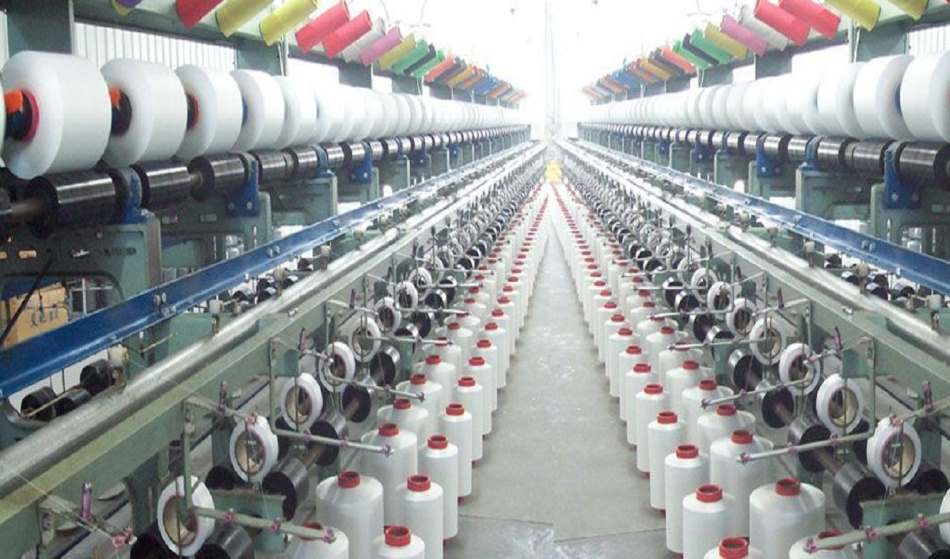
India's $172.3 billion textile and apparel industry (IMARC Group, 2022) is at a crossroads. The choice is between prioritizing garment manufacturing for the global market, a role where it currently holds 4 per cent market share as per Invest India, or focusing on creating domestic brands and capturing the hearts of Indian consumers, a market projected to reach $135 billion by 2025. Both strategies have their strength and weakness, and weaving a path to sustainable prosperity requires navigating this sartorial conundrum with strategic vision.
Production prowess, export enigmas
As the second-largest global producer of cotton, boasting 60 per cent cotton yarn spindles and 34 per cent of woven fabric looms, India has competitive edge in cost and scale. This prowess makes it a go-to supplier for global brands like H&M and Zara. “India's strength lies in its robust infrastructure, skilled workforce, and diverse raw material base,” points out Rahul Mehta, Chief Mentor of CMAI. "We can produce anything, from basic to high-end garments, at competitive prices."
However, over-reliance on exports is a double-edged sword. Fluctuations in global demand, as seen during the pandemic-induced 27 per cent slump, can wreak havoc. Additionally, the "production for others" model restricts brand recognition and higher margins.
Moving ahead with FTSs
Free Trade Agreements or FTAs aim to ease trade barriers between countries, often involving tariff reductions and simplified customs procedures. For India's export-heavy textile industry, FTAs are a powerful tool. For example, the recent Comprehensive Economic Partnership Agreement (CEPA) with the UAE eliminates tariffs on 96.4 per cent of Indian exports, boosting garment shipments by 30 per cent. "FTAs can open up new markets and reduce competition," says economist Aparna Sharma. "They can also give Indian exporters a level playing field by lowering tariffs compared to competitors." But FTAs are not a panacea. Complex negotiations, non-tariff barriers, and domestic sensitivities can limit their effectiveness. Critics also point to the potential loss of government revenue from reduced tariffs.
Growing domestic market an attraction
India's burgeoning domestic market, fueled by a rising middle class with a disposable income of $2,329 per annum as per Statista, presents a good alternative. The demand for high-quality, locally-inspired apparel is growing, creating a fertile ground for homegrown brands. "The Indian consumer is becoming increasingly brand-conscious and discerning," says Minakshi Agarwal, founder of a successful homegrown fashion brand. "There's a huge opportunity for domestic brands to cater to this evolving taste and capture a larger share of the pie." Indeed, success stories like Aditya Birla Fashion & Retail and Fabindia illustrate the viability of this approach. These companies have tapped into India's rich cultural heritage, offering contemporary yet rooted designs that resonate with domestic consumers.
However, the way forward is fraught with numerous challenges and opportunities. Counterfeiting, infrastructure bottlenecks, and a complex tax regime remain major bug bears. However, opportunities abound. Rising consciousness about ethical and sustainable fashion presents a new frontier for Indian brands.
Need to balance exports with domestic market
The answer lies not in a binary choice, but in a balanced approach. India must continue to leverage its production prowess while nurturing domestic brands. This can be achieved through various means. One way to go forward is by investing in R&D to create innovative and differentiated products for both the global market and domestic consumers. Skill development to enhance the workforce's ability to cater to the demands of both export and domestic markets is another important step to move ahead.
Then there are the government initiatives like incentives for domestic brands, creating an enabling environment for entrepreneurship, and negotiating FTAs that unlock new markets and minimize negative impacts.
India's textile and apparel industry stands at a crucial juncture. By embracing a balanced approach, maximizing production prowess while nurturing domestic brands, and strategically utilizing FTAs, it can move forward with sustainable growth. The onus lies not just on industry players but also on the government to create a supportive ecosystem that fuels both production and brand creation. Whether India becomes a garment factory for the world or a fashionista's paradise rests on its ability to navigate this critical juncture with strategic vision and nimble execution.
ITMF survey: Positive outlook emerges for global textile industry
In January 2024, the latest ITMF Global Textile Industry Survey (GTIS) revealed a notable upturn in business sentiments, signaling a potential shift towards positive dynamics. Despite prior concerns, indicators for business situation and order intake displayed improvements, hinting at a promising trajectory for the industry.
Driven by favorable inflation rates, augmented real wages, and buoyant consumer sentiment in the USA, alongside anticipations of interest rate reductions, the business climate witnessed a significant uplift. Expectations for July 2024 surged to levels unseen since late 2021, fueled by enhanced order intakes and a brighter consumer demand outlook, despite persistent cost apprehensions.
While order intake displayed signs of recovery, experiencing marked upticks across various regions except East Asia, particularly in North & Central America and South America, concerns over weakening global demand within the textile value chain diminished. This shift in sentiment was underscored by a decrease in respondents citing weakening demand as a primary concern, reaching its lowest level since May 2023.
Moreover, despite the challenges posed by weakening demand, the industry witnessed a shift in response, with reduced rather than canceled orders—a departure from earlier pandemic trends. Additionally, inventory levels, deemed average by 57 per cent of participants, varied across regions, with South Americans reporting higher levels and garment producers noting the lowest, offering a nuanced perspective on prevailing market conditions.
Overall, the survey reflects a cautiously optimistic outlook for the textile industry, with signs of resilience and adaptability amidst evolving market dynamics.
Columbia Sportswear net sales to fall by 4 per cent
Columbia Sportswear’s net sales are expected to decrease by 4 to 2 per cent, ranging from $3.35 to $3.42 billion in 2024. The company’s net income is expected to be $207 to $231 million, resulting in diluted earnings per share of $3.45 to $3.85.
The fourth quarter net sales of the Oregon-based company decreased by 9 per cent to $1.06 billion from $1.17 billion for the comparable period in 2022. Sales of the brand, Columbia dropped by 7 per cent to $891 million while those of the brand Sorel dipped by 18 per cent to $116 million. Sales of smaller brands Prana and Mountain Hardwear fell by 29 per cent and 11 per cent, respectively.
Net income of the brand decreased by 26 per cent to $93.3 million, or $1.55 per diluted share in the quarter. The inventory reduction plan executed under the leadership of the guidance of Tim Boyle, Chairman, President and CEO, enabled the brand to generate operating cash flow. th of which impacted our fourth quarter performance.”
Amidst global economic and geopolitical uncertaintly, retailers continue to work diligently to maximise sales, and optimise product, brand marketing and marketplace strategies to accelerate growth in 2025 and beyond, adds Boyle.
US brand Carhatt launches new Spring 2024 women’s collection
US workwear brand Carhartt has launched a new women's collection for Spring 2024. Catering to the growing number of women in the trade, the collection offers comfortable and durable pieces designed specifically for their needs.
The collection was created based on direct feedback from real women, says Susan Hennike, Chief Brand Officer. It features sweatshirts and T-shirts made with innovative Tencel™ fibers, available in both French Terry and Jersey fabrics. This unique blend offers superior comfort and breathability.
The Spring collection embraces a spectrum of colors beyond the traditional pink stereotype. The peach, coral, and lilac hues add a touch of style to the collection without sacrificing functionality. Prices of this collection range from $25 for a T-shirt to $60 for a crewneck sweatshirt, making them accessible to a wide range of working women.
Further, Carhartt plans to expand its women's offerings throughout the year, introducing joggers, work pants, and other lightweight garments designed for both comfort and performance.
Despite rise in production, Pakistan cotton still faces huge demand-supply gap
Pakistan still faces a huge gap between domestic production and supply of cotton despite production rising significantly during the 2023-24 season.
Cotton arrivals at ginning factories increased by 1.1 per cent to 8.35 million bales compared to the same period last year. Both Punjab and Sindh contributed equally to the national output, with arrivals from Punjab increasing by 46.5 per cent Y-o-Y while those from Sindh rising by 119.8 per cent Y-o-Y.
Arrivals from Multan, Bahawalnagar, Sanghar, and Rahim Yar Khan topped during the period.
Pakistan’s cotton imports are expected to fall to 4.2 million bales during the 2023-24 season. On the other hand, exports of raw cotton and yarn grew with China being a major yarn buyer. Good local crop led to a rise in the government-support price at 8,700 per 40 kg during the period.
To bridge the gap between its demand and supply, Pakistan needs to either increase cotton production or reduce its textile industry's dependence on imports. It needs to introduce key measures to ensure fair prices to farmers and stablise cotton prices in the market. Pakistan also needs to continue focusing on value-added textile products and exploring new markets.
Textile machinery sales in Bangladesh to rebound in 2024
After a challenging 2023 due to global economic slowdown, textile machinery sales in Bangladesh are expected to rebound in 2024. This optimism stems from rising work orders from international clothing retailers and brands, indicating a recovery in the global clothing supply chain.
Due to reduced consumer demand and global conflicts, apparel sales in Bangladesh slowed in 2023. However, garment makers in the country are witnessing an increase their work orders this year, leading to a need for machinery upgrades.
The sales of textile machineries in the country are expected to rise this year with manufacturers seeking sustainable machines with lower water and energy consumption.
Abu Taleb Bhuiyan, CEO, Best Tex International, says, we expect machinery sales to rise to €20 million in 2024. Md Tanzilur Rahman, Senior Assistant Manager, Pacific Associates, adds, the company aims to sell $74 million worth of machinery this year.
Overall, the textile machinery industry in Bangladesh is cautiously optimistic about 2024, with increased demand and a focus on sustainability. However, challenges remain, and government support is needed for sustained growth.
The Bangladesh Textile Mills Association (BTMA) has urged the government to address gas price issues and loan defaults in the industry











