


FW
Kering proposes three independent Directors for Board
Kering, the luxury goods conglomerate, is set to bolster its Board of Directors with three new independent members: Rachel Duan, Giovanna Melandri, and Dominique D’Hinnin. The nominations, subject to approval at the Annual General Meeting on April 25, 2024, signal the company's strategic focus on diversity and expertise.
Rachel Duan, a seasoned executive with a 25-year tenure at General Electric, brings extensive knowledge of the Asian market and international corporate governance to the table. Giovanna Melandri, renowned for her expertise in sustainability and cultural affairs, promises to enhance Kering's commitment to social responsibility. Dominique D’Hinnin, with his vast experience as Chairman of Eutelsat Communications and former roles at Lagardère group, strengthens the board's financial acumen and governance expertise.
If ratified, these appointments will expand the Board to 13 members, with a notable 64 per cent being independent and 55 per cent representing women. The diversity extends beyond gender, with directors hailing from six different nationalities.
These nominations come on the heels of departures from the board, including Jean-François Palus, Tidjane Thiam, and Emma Watson, reflecting a dynamic shift in leadership and expertise within the company.
Kering’s strategic move underscores its commitment to global perspectives, sustainability, and effective governance, positioning the company for continued growth and resilience in the luxury goods market.
IHKIB and WRAP sign deal to boost Turkish apparel exports to USA
In a strategic move to bolster the global competitiveness of Turkey's apparel industry, the Istanbul Apparel Exporters' Association (IHKIB) has joined hands with the Worldwide Responsible Accredited Production (WRAP). This collaboration holds significant promise as IHKIB, representing a staggering 80 per cent of Turkey's apparel exports, seeks to empower its members in navigating international markets and staying attuned to sectoral advancements.
IHKIB's proactive engagement with its members includes fostering partnerships and initiatives with various ministries to bolster and streamline export activities. With the lion's share of Turkish apparel exports flowing through IHKIB members, the association assumes a pivotal role in both the national and international trade landscape.
Highlighting the importance of WRAP certification in enhancing global market competitiveness, both IHKIB and WRAP emphasized the benefits of aligning with WRAP's standards. WRAP, a US-based non-profit organization, champions safe, ethical, and lawful working conditions in the textile and apparel industry. For the more than 3,500 WRAP-certified facilities worldwide, the certification not only alleviates audit fatigue but also elevates their appeal to leading brands and retailers by showcasing commitment to workers' rights, safety, and environmental sustainability.
The collaboration between IHKIB and WRAP extends beyond mere certification endeavors. Marking a significant milestone, the two entities inked a Good-Will Agreement aimed at bolstering business relations between Turkey and the USA. This agreement encompasses a pilot project designed to identify leading Turkish apparel companies exporting to the USA and encourage them to attain WRAP certification. In reciprocation, WRAP will provide comprehensive training, both in-person and virtual, to aid these facilities in the certification process.
Expressing optimism about the collaboration, Selcuk Mehmet Kaya, Chairman of IHKIB's International Relations and Sustainability Committee, underscored its alignment with IHKIB's mission to guide members towards excellence and sustainability, thereby contributing to increased Turkish apparel exports in the lucrative US market. Avedis Seferian, President and CEO of WRAP, echoed this sentiment, emphasizing WRAP's commitment to promoting responsible practices and its eagerness to support Turkish exporters in achieving success on the global stage.
Kulin Lalbhai appointed as the new Chairman of CII-Gujarat
Currently serving as the Executive Director, Arvind Ltd, Kulin Lalbhai has recently been appointed as the Chairman of the Confederation of Indian Industry (CII) Gujarat State Council for the term 2024-25.
During his tenure at Arvind Ltd, Lalbhai has been instrumental in spearheading innovative initiatives within the group's consumer businesses. He has been actively involved in the establishment of various retail concepts and has been a key figure in driving the group's digital strategies. Additionally, Kulin has significantly contributed to shaping the corporate strategy of the organization.
With an MBA from the prestigious Harvard Business School and a BSc in Electrical Engineering from Stanford University, Kulin Lalbhai brings a wealth of experience to his new role. Prior to joining Arvind Ltd, he served as a Management Consultant at McKinsey & Co.
As the Chairman of the CII Gujarat State Council, Kulin Lalbhai is set to lead the council in advancing the interests of Gujarat's industries and fostering economic growth in the region. His leadership is anticipated to strengthen collaboration between industry stakeholders and government bodies, driving initiatives aimed at enriching Gujarat's industrial ecosystem.
PHMA pledges collaboration with government to boost textile exports
The Pakistan Hosiery Manufacturers Association (PHMA) has pledged to collaborate closely with the new government to boost exports and reignite growth in the value-added textile industry.
Farrukh Iqbal, Zonal Chairman, PHMA, emphasised the importance of supporting the value-added apparel sector, particularly in light of the declining exports to EU countries, which he deemed a significant concern.
Iqbal applauded the recent allocation of Rs 65 billion by Prime Minister Shehbaz Sharif's government for clearing pending refunds of exporters up to the previous month of 2024. He commended the efforts of key officials including Finance Minister Muhammad Aurangzeb and Commerce Minister Jam Kamal Khan, expressing optimism that this move would invigorate confidence among exporters and stimulate the export sector.
However, he cautioned against the continuous escalation of energy prices, warning that persistent hikes in gas and power rates could exacerbate inflation and render Pakistani textile products uncompetitive in the global market. Iqbal urged the government to ensure a level-playing field by maintaining regionally competitive energy tariffs and upholding schemes such as the Duty Drawback of Local Taxes and Levies (DDTL).
Highlighting the decline in exports to the EU, Iqbal pointed out a 7.54 Y-o-Y per cent decline in the first seven months of the current fiscal year, attributing it to reduced demand in various European regions. He stressed the need for continuation of concessionary energy tariffs to foster a level-playing field with regional competitors.
PHMA leaders Amanullah Khan and Khawaja Musharaf Iqbal echoed these sentiments, emphasising the challenges faced by Pakistani exporters despite preferential access to EU markets under the Generalised System of Preferences Plus (GSP+). They emphasised the urgency of resolving liquidity issues in the industry and adopting new technologies to enhance Pakistan's export competitiveness.
Top 10 Key trends at Moscow Fashion Week 2024 from Russian Designers
This analysis of the Moscow Fashion Week presentations reveals several key trends in Russian fashion for the season:
1. Reinterpreted tradition
Modern designers are drawing inspiration from historical clothing and traditional wear, incorporating elements into contemporary silhouettes. (e.g., Abzaeva, MEASURE)
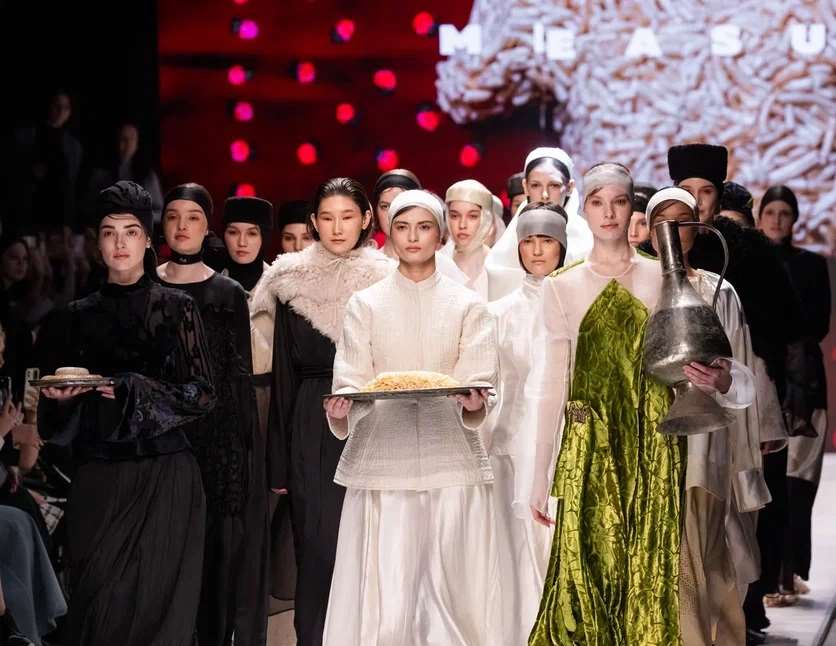
This reimagination often involves a fusion of different eras and cultures, resulting in unique and layered pieces. (e.g., MEASURE)
2. Bold femininity
The focus is on strong and confident women with collections that exude sensuality and a touch of rebellion. (e.g., LI LAB, VESTIAIRE)
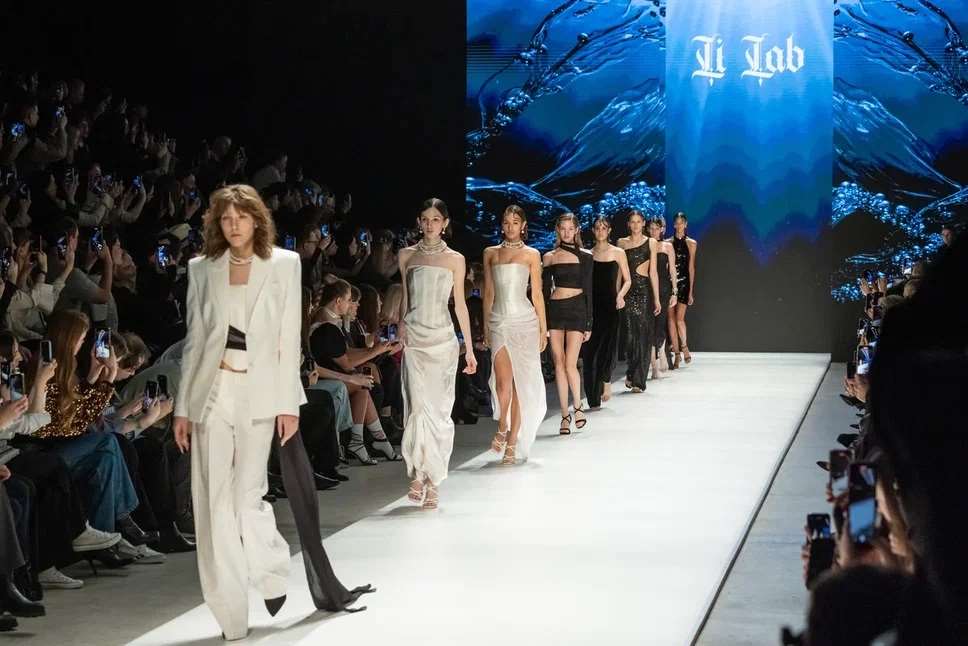
This is achieved through elements like corsets, figure-hugging silhouettes, daring cuts, and high slits. (e.g., LI LAB, BEENA)
3. Playful romance
Alongside the bold statements, there's a softer side to the trends with designers incorporating ruffles, lace, and floral motifs. (e.g., ZA_ZA, MaisonESVE)
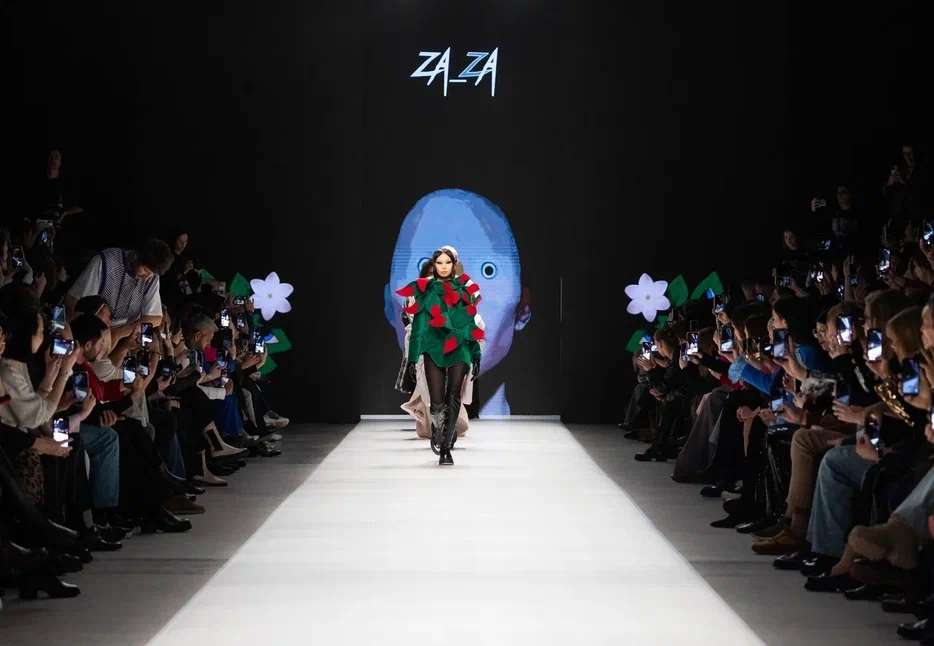
This romantic theme is often balanced with modern elements or unexpected pairings for a fresh look. (e.g., TOOMATCH)
4. Sustainable and upcycled fashion
Environmental consciousness is reflected in the use of recycled materials and upcycling techniques. (e.g., by/DAS/)

Designers are finding innovative ways to breathe new life into existing materials, creating unique and sustainable pieces.
5. Textured fabrics and layering:
Designers are experimenting with various textures and layering to add depth and visual interest to their collections. (e.g., MEASURE, DARYA KIPRIYANOVA)
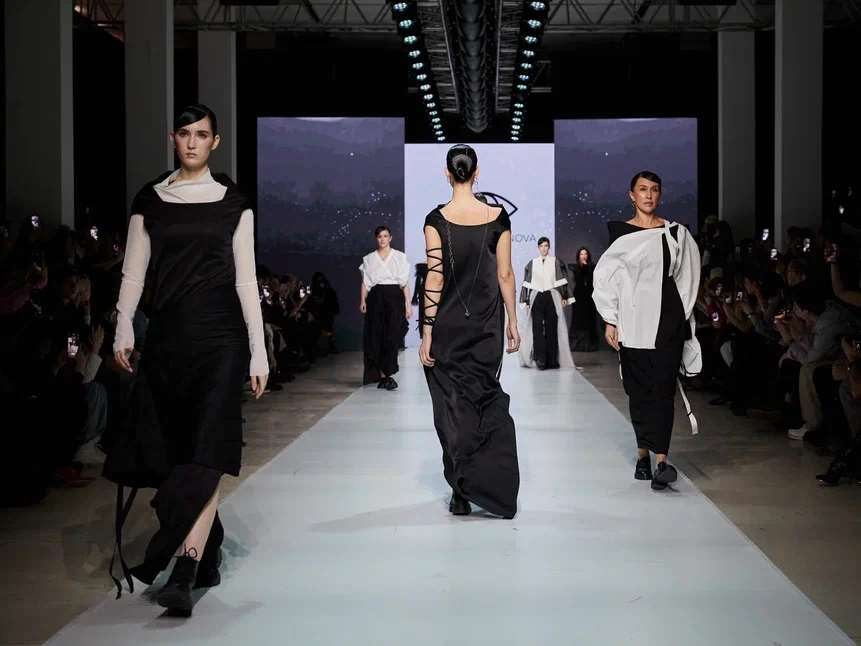
This can involve combining different fabrics, using sheer elements, and employing intricate layering techniques.
6. Monochromatic palettes
Black and white continue to be prominent colors, offering a timeless and sophisticated look. (e.g., KISSELENKO, BEENA)

However, other designers are using bold color palettes and vibrant hues for a statement-making effect. (e.g., LUTANI, VASSA&Co)
7. Futuristic elements
Some designers are incorporating futuristic elements into their collections, with a focus on unconventional cuts and technological materials. (e.g., IMK, SOLANGEL)

This trend is often paired with bold colors and dramatic silhouettes for a space-age aesthetic.
8. Gender fluidity
Several collections blur the lines between traditional menswear and womenswear silhouettes. (e.g., SASHINA DESIGNER LABEL)
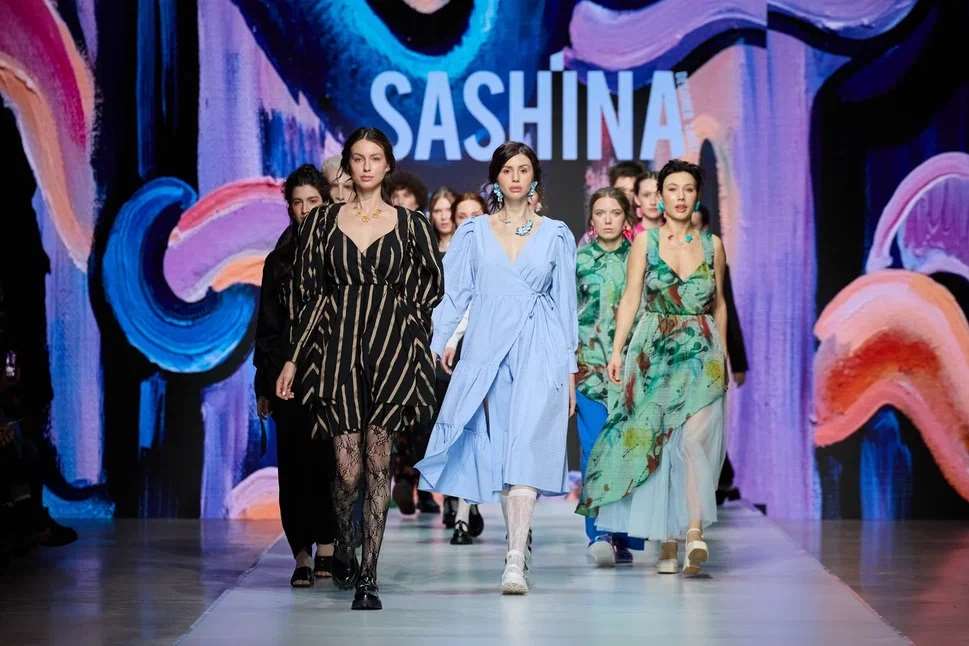
This reflects a move towards a more fluid and inclusive approach to fashion.
9. Focus on practicality
Alongside the avant-garde pieces, there's an emphasis on comfortable and practical clothing for the modern woman. (e.g., VESTIAIRE)

Designers are incorporating elements like versatility and functionality into their garments.
10. Artisanal details
Handcrafted elements, intricate embroidery, and unique embellishments add a personal touch and elevate the collections. (e.g., Gerda Irène, LESEL)
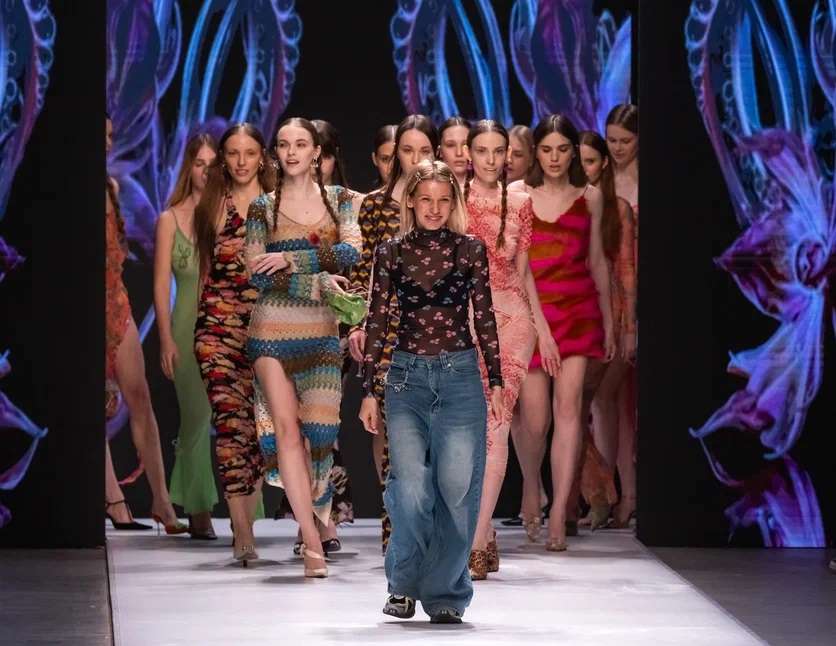
This focus on craftsmanship highlights the individuality and artistry within the fashion industry.
These trends showcase the diverse and innovative spirit of contemporary Russian fashion. Designers are drawing inspiration from various sources, experimenting with materials and silhouettes, and pushing the boundaries of traditional styles. Moscow Fashion Week serves as a platform for these emerging talents and established brands to present their unique visions and shape the future of fashion.
Moscow Fashion Week 2024: A spotlight on modest fashion, global diversity
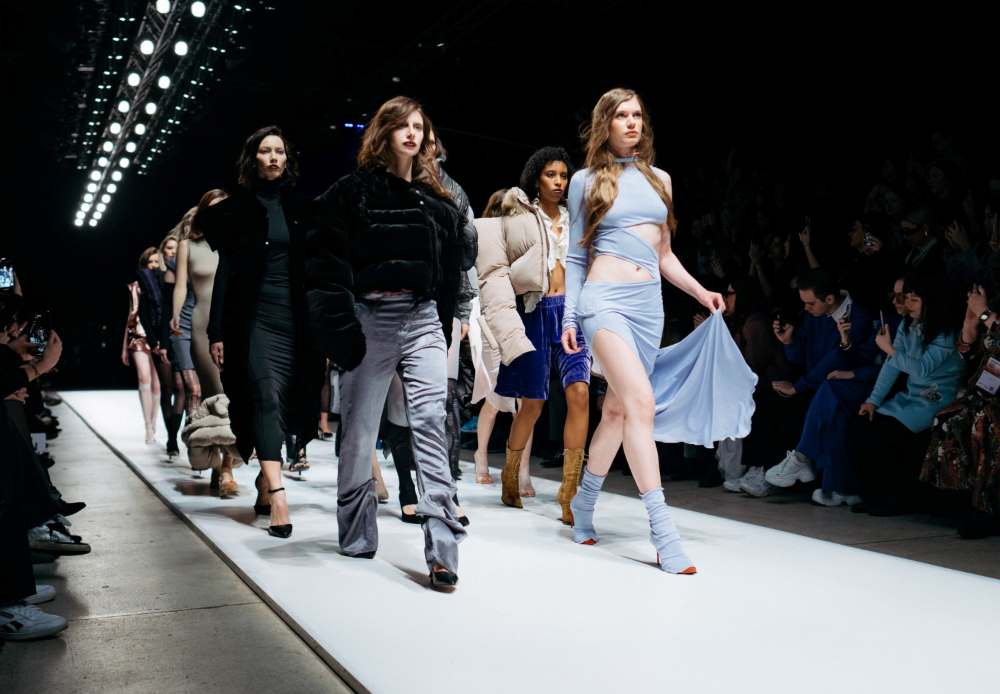
The recently concluded Moscow Fashion Week (MFW), held from March 1st to 8th, 2024, surprised the fashion world with its focus on Modest Fashion, drawing inspiration from Islamic traditions and principles. This international platform served as a launchpad for over 120 designers, not just from Russia, but also from 10 other countries including Egypt, Tunisia, Indonesia, China, India and South Africa. The event showcased a diverse range of creative expressions that all adhered to the concept of modest dressing.
A spotlight on modest fashion
Russian brands like ZUHAT and MEASURE, both hailing from the Muslim region of Dagestan, along with Indonesian designer IRMASARI JOEDAWINATA, presented collections that beautifully captured the essence of Islamic modesty. MEASURE offered a fresh take on Muslim sartorial traditions with its use of intricate layering and rich textures. ZUHAT drew inspiration from vintage photographs, resulting in a unique and timeless collection. IRMASARI JOEDAWINATA presented an ocean-inspired line, reflecting the growing popularity of modest fashion with a nautical twist.
Arab designers mark their presence
The runway wasn't just limited to Russian talent. MFW also featured prominent Arab designers, each showcasing their cultural heritage through their collections. Anissa Aida from Tunisia presented pieces that harmonized classic Arab silhouettes with a touch of architectural finesse. In contrast, Egyptian designer Alia Abaza championed tranquility through her collection of timeless designs. Waseem Khadra, another designer from Egypt, presented a line inspired by the diversity of society, prioritizing comfort and integrity in his pieces .
A global fashion event
MFW wasn't just about the clothes; it was a star-studded affair that attracted celebrities and fashion enthusiasts from all over the world . The legendary Italian actress Ornella Muti graced the event to support her daughter, influencer Naike Rivelli, who walked the runway for the Russian label Maison ESVE . Chinese actress Lily Ji, known for her roles in Pacific Rim: Uprising and Skiptrace, presented her own collection of traditional, centuries-old Chinese gowns, celebrating her cultural heritage . Turkish actress Gizem Karaca (Safir) was also spotted amongst the attendees.
Beyond the Runway
MFW offered more than just designer showcases. It provided a platform for over 300 boutiques from Russia to connect with new design talents through a dedicated showroom setting . The event was live-streamed to a global audience
IKFA to organise India International Knit Fair from Sept 04-06, 2024 in Tirupur
A non-profit organisation operating under the auspices of the Apparel Export Promotion Council (AEPC), The India Knit Fair Association (IKFA) plans to organise the 51st editon of its India International Knit Fair from September 04-06, 2024, at the IKFA complex in Tirupur.
Under the theme ‘Preserving our Planet by Innovation and Circularity; the fair serves as a pivotal platform for fostering connections, exploring business opportunities, and forging significant partnerships. Held within the association’s own permanent complex, equipped with international-standard amenities, the 51st edition of the fair promises to unveil a fresh array of the latest designs in high-fashion knitwear for men, women, children, as well as active and sportswear garments.
In collaboration with prominent industry entities such as BAA, BSL, ABAT, and NIFT-A, IKFA has extended invitations to their members and buying agents to attend the event. Additionally, outreach efforts encompass disseminating fair information to overseas buyers, buying houses, and agents sourced from our extensive database and other channels.
NITMA welcomes MIP on synthetic knitted fabrics to protect domestic industry
The President of the Northern India Manmade Fibre Manufacturers Association (NITMA), Sanjay Garg, applauded the Ministry of Textiles for implementing a Minimum Import Price (MIP) on synthetic knitted fabrics.
This move comes after consistent appeals from industry representatives regarding the surge of undervalued imported fabrics. The DGFT notification, effective immediately, sets a minimum import price of $ 3.50 per kg on five specific HS codes of synthetic knitted fabrics. This measure will remain in place until September 15, 2024.
Earlier this year, during a meeting with industry representatives, Commerce and Industry Minister Piyush Goyal assured them of addressing the issue within a few months. The recent decision follows a meeting chaired by the Trade Advisor of the Ministry of Textiles to discuss the matter further.
Garg highlighted NITMA's year-long efforts in urging relevant ministries to address the problem of underpriced imported knitted fabrics. He commended the MIP implementation, which will effectively curb the import of low-priced, dumped fabrics. This decision is expected to provide much-needed relief to the domestic industry that has been impacted for years.
Garg emphasized the significance of MIP in safeguarding the domestic Man-Made Fibers (MMF) industry and ensuring a fair market for all stakeholders. He called for upholding these standards to promote growth, innovation, and prosperity within the Indian textile sector.
Beyond Imports: China's domestic yarn producers rise to the challenge

China's dominance in the global yarn market was reaffirmed recently by the Shanghai Yarn Expo, which drew international participation from March 6 to 8. However, the post-Covid era has brought significant changes to the industry, presenting both challenges and opportunities.
Challenges for China
Rising costs of yarn imports: Global raw cotton prices have surged, leading to a significant increase in imported yarn prices, particularly cotton yarn. A report by Textile Exchange indicates a 25 per cent increase in cotton prices year-on-year (YoY) as of December 2023. This trend is expected to continue in the short term, outpacing domestic yarn price hikes in China.
Falling profits for overseas mills: High cotton prices are squeezing profits for yarn mills in countries like Vietnam and Pakistan, traditionally major exporters to China. "We're seeing Vietnamese mills struggling to maintain margins," said a yarn manufacturer at the recent Yarn Expo in Shanghai, highlighting the need for these mills to find alternative markets or transition to blended yarns.
Resistance to high-cost yarn in China: Downstream Chinese weaving mills, which use yarn to produce fabrics, are hesitant to accept the high prices of imported yarn. This resistance could lead to a shift towards domestically produced yarn. The high import prices are simply not sustainable for our production," said a representative of a Chinese weaving company. "We're looking at domestically produced yarn more seriously now.”
What it means for China, India and Pakistan
China: Downstream mills in China might prioritize domestic yarn or delay purchases, waiting for import prices to stabilize. This presents an opportunity for domestic yarn producers like Shanghai DiW, which have ramped up production and can offer competitive pricing. However, high domestic cotton prices remain a challenge. We've seen a significant increase in demand for our yarn lately," says a spokesperson for Shanghai DiW, "particularly due to the price advantage compared to imports." While domestic yarn prices initially rose, they have since corrected, making them even more attractive.”
India & Pakistan: These major yarn exporters face dampened demand from China, their primary market. While some Indian mills are offering yarn at break-even prices in hopes of tax benefits, Pakistani mills might have a temporary buffer due to earlier export orders placed before the price hike. However, the overall reduced demand from China is impacting their current export opportunities.
Others: Yarn exporters from Vietnam and Indonesia are also feeling the pinch of rising cotton prices. These countries are now exploring alternative markets or focusing on blended yarn production to stay competitive.
Emerging opportunities
Cost-effectiveness is king: Both domestic and overseas mills are prioritizing cost-effective production. This focus has led to increased competition and a rise in the popularity of domestically produced yarn in China, particularly Xinjiang cotton yarn, which offers a price and quality advantage.
Diversification and innovation: Overseas mills are exploring blended yarn production and niche markets to differentiate themselves. This trend allows them to cater to specific customer needs and potentially command premium prices.
Technological advancements: Domestic yarn producers like Shanghai DiW are investing in advanced equipment to reduce production costs and improve efficiency. This focus on innovation will be crucial for maintaining competitiveness in the long run.
The shifting yarn landscape in China presents both challenges and opportunities. While rising cotton prices pose a threat to profitability, the industry is adapting with a focus on cost-effectiveness, diversification, and technological advancements. These trends will likely shape the future of the global yarn market.
China’s apparel market poised for recovery in 2024
China's domestic apparel market is poised for recover in 2024. With Government policies supporting consumption, stable employment, and income growth are expected to boost consumer confidence. Furthermore, expansion into second-tier markets and the emergence of new consumer groups and trends are likely to drive market vitality.
In 2024, China’s apparel market is expected to remain stable, with increased inventory driving demand in developed countries and emerging markets, alongside the growth of cross-border e-commerce. However, challenges will continue to persist, including trade tensions, geopolitical risks, and the potential impact of currency fluctuations.
In 2023, China's clothing industry faced a complex and challenging external environment marked by global economic slowdown and reduced international market demand. The industrial added value of apparel enterprises declined by 7.6 per cent, with garment production falling by 8.69 per cent. However, the retail sales of apparel showed resilience, growing by 15.4 per cent driven by events like the Singles Day shopping carnival.
Despite this, apparel exports decreased by 7.8 per cent, with declines in major markets like the United States and the European Union, though some growth was observed in regions along the Belt and Road.
Investment in fixed assets decreased by 2.2 per cent, but digital transformation accelerated, focusing on intelligent equipment, factory construction, and supply chain optimisation. Despite a 5.4 per cent decline in main business income, the operating margin improved slightly to 5.07 per cent, though 20.8 percent of enterprises operated at a deficit.
Internationally, apparel exports faced challenges due to trade protectionism and geopolitical risks, alongside increased competition from Southeast and South Asian countries. Domestically, however, China's economic stabilisation and policies promoting consumption fueled optimism. With stable employment and income growth, consumer confidence remained robust.











