


FW
NCTO hails DHS plan to combat customs fraud in textile trade
Department of Homeland Security (DHS) Secretary Alejandro Mayorkas unveiled a comprehensive textile enforcement plan, drawing commendation from the National Council of Textile Organizations (NCTO) President and CEO Kim Glas. The plan targets import fraud and circumvention of free trade agreement rules, addressing critical concerns for the U.S. textile industry.
Glas praised DHS's proactive approach, highlighting the devastating impact of customs fraud and predatory trade practices on the domestic textile supply chain. The industry has witnessed significant losses, with 14 plants closing recently. Glas emphasized the urgent need for robust enforcement to safeguard the industry's competitiveness.
NCTO's engagement with administration officials, including Secretary Mayorkas, underscored the necessity for aggressive enforcement measures. The plan responds to industry demands for heightened scrutiny under free trade agreements and enhanced penalties to deter fraudulent activities.
Key elements of the plan include intensified inspections, expanded audits, and increased scrutiny of de minimis imports. Glas stressed the importance of stakeholder awareness and urged continued collaboration between DHS and U.S. Customs and Border Protection (CBP) to ensure effective enforcement.
While the focus is on textile and apparel enforcement, Glas acknowledged the administration's broader efforts, including potential regulatory changes to address concerns regarding de minimis shipments. NCTO called for swift congressional action to pass comprehensive de minimis reform legislation.
The industry's commitment to supporting enforcement efforts and bipartisan support from Congress were highlighted as crucial components in combating predatory trade practices. NCTO expressed readiness to collaborate with DHS, emphasizing the importance of Secretary Mayorkas' upcoming keynote speech at their annual meeting.
In conclusion, DHS's textile enforcement plan represents a significant step in protecting the U.S. textile industry from unfair trade practices. NCTO's endorsement reflects industry-wide support for decisive action to uphold trade laws and ensure a level playing field for domestic manufacturers.
Denim Gets Cleaner: Archroma, G-Star Raw & Advance partner
In an era marked by heightened environmental consciousness, the denim industry stands at the forefront of sustainable transformation. Three stalwarts spanning the denim supply chain - Archroma, G-Star Raw, and Advance Denim - have reinvigorated their collective mission to champion aniline-free denim production, leveraging Archroma's cutting-edge Denisol Pure Indigo 30.
Archroma, esteemed for its pioneering strides in sustainable chemistry, has forged enduring partnerships with G-Star Raw, an innovative Dutch denim brand, and Advance Denim, a trailblazer in sustainable denim manufacturing, since 2019. Together, they have set their sights on revolutionizing denim production, aiming to deliver premium-quality denim garments in authentic blue shades while circumventing the environmental pitfalls associated with aniline impurities.
Traditionally, the synthesis of standard synthetic indigo engenders the presence of aniline impurities, which pose a grave threat to environmental integrity. During conventional denim production, this toxic compound becomes entrenched in the fabric, only to be released into wastewater during subsequent dyeing and washing processes. With approximately two-thirds of aniline waste finding its way into water bodies, the urgency to adopt aniline-free practices cannot be overstated.
Enter Archroma's game-changing solution: Denisol Pure Indigo 30. This innovative formulation, comprising a 30 per cent pre-reduced indigo solution, heralds a paradigm shift in denim production. By seamlessly eliminating aniline impurities throughout the manufacturing process, Denisol Pure Indigo 30 not only upholds the hallmark deep indigo hues synonymous with denim but also significantly reduces water consumption and hazardous chemical usage.
Umberto De Vita, Market Segment Director for Denim at Archroma Textile Effects, underscores the transformative potential of aniline-free production in fostering environmental stewardship and circularity within the industry. G-Star Raw echoes this sentiment, underscoring its unwavering commitment to sustainability by integrating clean chemistry and durable design principles into its ethos.
In tandem with its partners, G-Star Raw aims to ensure that 20 per cent of its collection comprises Cradle to Cradle Certified fabrics by 2025. Advance Denim, having spearheaded the launch of aniline-free collections, stands as a testament to the industry's relentless pursuit of sustainability and innovation.
Together, these industry titans are at the vanguard of a sustainability revolution, propelling the denim industry towards cleaner, greener horizons. With their concerted efforts, they not only redefine industry standards but also inspire a global shift towards environmentally responsible fashion practices.
Archroma drives textile industry sustainability with One Way+ Program
Archroma, a leading provider of specialty chemicals for sustainable solutions, unveiled its One Way+ program aimed at assisting mills and brands in adopting best practices for enhanced productivity, efficiency, and reduced environmental impact. The initiative comprises three phases: establishing a baseline, process design and implementation, and ongoing improvement, tailored for selected customers.
Anish Paliwal, Market Segment Director at Archroma Textile Effects, highlighted the mounting pressure on brands and mills to meet sustainability demands amidst challenges in water and waste management and compliance. The One Way + program offers expert support to achieve sustainability targets while improving product quality and performance.
Mills adopting Super Systems+ through One Way + can anticipate increased productivity, reduced resource usage, and cleaner chemistry, along with the development of new aesthetics. Participation signals a commitment to sustainability and compliance with regulatory standards.
For brands collaborating with Archroma under One Way +, the program offers a roadmap to sustainability targets and insights into supplier sustainability status. The goal is to optimize supply chain efficiencies and connect with sustainable suppliers.
One Way + typically spans 16 weeks, involving Archroma experts closely with customers' technical teams. Success stories include significant reductions in processing time, water, and steam usage across various mills globally.
One Way + embodies Archroma's "Planet Conscious+" vision, aiming to drive the textile industry towards sustainable processes. With a vast product portfolio and global presence, Archroma is poised to lead the industry towards a more sustainable future.
Fashion Forward: How startups are disrupting the garment sector

The fashion industry, known for its slow-moving behemoths, has become a surprising breeding ground for innovative startups. Forget the notion that fashion startups struggle to make a significant impact. Today's innovative companies are redefining the industry, from sustainability to personalization, with a focus on agility and technology.
Sustainability steals the spotlight
A significant portion of impactful fashion startups are tackling the industry's environmental woes. For example French company Heuritech utilize artificial intelligence to optimize fabric production, minimizing waste a major concern in the industry. Girlfriend Collective focuses on sustainable activewear made from recycled materials, resonating with eco-conscious consumers. Italic leverages data to connect consumers directly with manufacturers, cutting out markups and offering luxury goods at accessible prices. Similarly, Patagonia, a long-time leader in outdoor apparel, continues to push boundaries with its Worn Wear program, encouraging garment repair and resale. These startups address a growing concern within the fashion industry, with a McKinsey report stating that "63 per cent of fashion executives believe sustainability will be a competitive differentiator in the next five years." And as Sarah Pai, a fashion analyst at Euromonitor International point out, consumers are increasingly looking for brands that align with their values. Sustainability is no longer a niche, it's a core expectation.
Adaptability, a core character
The fashion industry thrives on trends, and successful startups need to be chameleons, they thrive on flexibility. Dopple exemplifies this by offering on-demand personalized clothing production, catering to the desire for unique pieces. However, this agility can be a double-edged sword. As Sarah Jones, founder of fashion consultancy firm StyleWorks, cautions, "The challenge is predicting trends and consumer behavior accurately enough to invest in the right areas without becoming obsolete too quickly.” This agility allows startups to experiment and iterate rapidly, a stark contrast to the traditional multi-season design cycles. Brands like Reformation, known for their trendy, sustainable pieces, leverage data analytics to quickly identify and respond to shifting consumer preferences "We're constantly iterating and evolving," says Reformation CEO Yael Aflalo. "The ability to be nimble and data-driven is critical to staying ahead of the curve."
Opportunities abound
Despite the potential, fashion startups face hurdles. Venture capitalist Michael Brooks of Forerunner VC highlights the challenge of competing with established brands, "Large fashion houses have the resources to quickly adapt and replicate innovative concepts." Competition is fierce, with established brands acquiring promising newcomers like Depop by Etsy. Additionally, securing funding can be challenging, especially for those prioritizing ethical production over mass-market appeal.
However, Brooks also sees opportunities, "The rise of social media and e-commerce platforms like Shopify has democratized access to consumers, allowing startups to build loyal followings without relying on traditional retail channels."
The growing awareness of sustainability is a boon for eco-conscious startups like Girlfriend Collective, which uses recycled materials to create high-performance activewear. Similarly, the rise of personalized experiences opens doors for companies like Lookiero, an online personal shopping service that uses data to curate styles for individual clients.
Beyond the fashion capitals
The industry is no longer geographically concentrated. While New York, Paris, and Milan remain fashion hubs, innovation is flourishing around the globe. "Thriving ecosystems" exist beyond traditional fashion capitals, says a report by F6S with a concentration in India where companies like Aaiena are utilizing technology to personalize the shopping experience. TheRealReal, a luxury consignment platform, is thriving in San Francisco, while ThredUp, a leading online thrift store, has its headquarters in Chicago. While the US and Europe remain dominant, this global landscape creates opportunities for startups to cater to specific regional needs and aesthetics. "There's a democratization of fashion happening," says investor Michael Smith of Sequoia Capital. "Great ideas can come from anywhere, and the barriers to entry are lower than ever before."
The narrative surrounding fashion startups is one of transformation, not struggle. By addressing sustainability, embracing adaptability, and capitalizing on technological advancements, these young companies are not just making a significant impact, they're rewriting the very definition of fashion. The future of fashion is bright, and it's being shaped by the innovative spirit of startups around the world.
Rules of Origin Reshape Garment Exports: A new landscape for global apparel trade
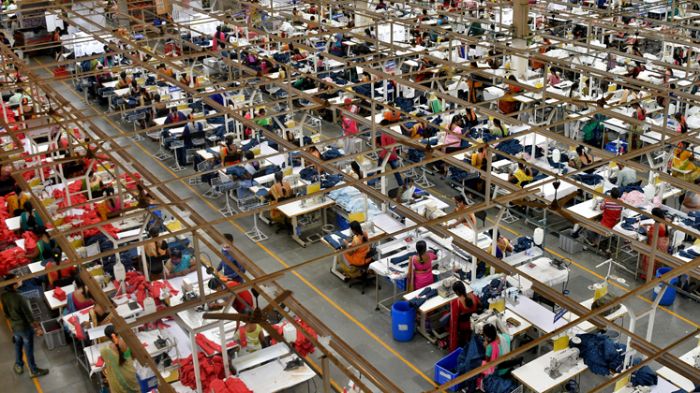
The global garment industry is facing a potential paradigm shift driven by stricter regulations on sourcing and production. Export markets like the European Union (EU) are increasingly favoring garments where countries source their own textiles internally, driven by compliance with stricter Rules of Origin (ROO) regulations. ROO stipulate the geographic origin of a product for preferential trade treatment. These regulations determine the nationality of a product for customs purposes and preferential trade agreements. Countries that comply with these ROOs gain easier access to the EU market with lower tariffs or duty-free imports.
ROO challenge, sourcing domestically
ROOs are a complex set of regulations established by trade blocs like the EU to determine the origin of a product. They play a crucial role in granting preferential trade benefits like lower tariffs or duty-free access. Traditionally, garments could qualify for these benefits even if the fabric was sourced from one country and assembled in another. However, stricter ROO requirements are demanding a higher degree of vertical integration within a country's textile and garment industry.
A key aspect of EU's ROO for garments is that a certain percentage of the textile content needs to be sourced from within the EU or a country with a Free Trade Agreement (FTA) with the EU. This is challenge for garment manufacturers who traditionally source textiles from the most cost-effective locations, often outside the EU. As Agatha Burton, trade policy analyst at the Brussels Institute for Global Governance explains, the EU's ROO compliance is becoming increasingly stringent. This incentivizes garment producers to source their textiles from within the bloc or from countries with preferential trade agreements, creating a potential advantage for domestic textile industries.
Similar regulations elsewhere
While the EU's ROO is a prominent example, other regions are adopting similar regulations. The North American Free Trade Agreement (NAFTA), now replaced by the United States-Mexico-Canada Agreement (c), has ROOs that require a certain percentage of content to be sourced from within the agreement. Additionally, countries like China are implementing stricter regulations on product traceability, which can indirectly impact sourcing decisions. The Association of Southeast Asian Nations (ASEAN) Free Trade Area (AFTA) also implements ROO requirements for preferential tariffs within the region. These regulations incentivize regional sourcing within trade blocs, impacting garment production beyond Europe.
The FTA advantage
Countries with a strong domestic textile industry and an FTA with the EU stand to benefit from the ROO regulations. Turkey, for instance, has a well-established textile industry and a deep and comprehensive FTA with the EU. This allows Turkish garment manufacturers to comply with ROOs more easily and potentially gain a competitive edge in the European market. "Our FTA with the EU simplifies compliance and reduces costs," says Mehmet Kaya, President, Turkish Textile and Apparel Manufacturers Association. This allows us to compete effectively with producers who may struggle to meet the ROO requirements.
In fact, with the EU's stricter stance, countries with well-developed textile industries stand to gain an advantage. According to a 2022 report by the European Commission, Italy, France, and Germany – all with robust textile sectors – are major EU garment exporters. Countries with existing FTAs with the EU already enjoy preferential tariffs, making them more competitive. Vietnam, for instance, boasts of a booming garment industry and a 2020 Free Trade Agreement with the EU. This agreement offers Vietnamese garment manufacturers a significant advantage when complying with ROO regulations.
Countries with existing FTAs with the EU
Several countries with established textile industries already have FTAs with the EU
• Turkey
• Morocco
• Tunisia
• South Korea
• Vietnam (partially ratified)
Impact on sourcing
The impact of ROOs on garment sourcing is likely to be a gradual shift rather than a sudden change. The emphasis on internal textile sourcing could indeed be a paradigm shift. Traditionally, garment manufacturing relied heavily on geographically separated production stages. Countries like Bangladesh, known for low-cost labor, often sourced textiles from elsewhere before assembling garments for export. The new focus on ROO compliance might force a more vertically integrated approach, with countries building or expanding their domestic textile industries.
In the short to mid-term, one may see increased focus on sourcing textiles from FTA partner countries, so countries like Turkey and Vietnam, benefit the most; more investment in domestic textile production capacity within the EU; potential price increases for garments due to higher sourcing costs; a shift towards sourcing textiles from countries within the same trade bloc to comply with ROO regulations.
In the long-term, the impact could be more significant with a more regionalized garment production model and production closer to consumer markets. Increased emphasis on transparency and traceability throughout the supply chain. More potential for innovation in sustainable textile production within the EU. Also, in the long run, the stricter regulations could incentivize countries with lower-cost labour to invest in developing their domestic textile industries. This could lead to a more geographically dispersed yet vertically integrated garment production landscape.
The EU's ROOs are prompting a strategic shift in garment sourcing. While the short-term effects may be price adjustments and regional sourcing strategies, the long-term implications could be a more sustainable and transparent global garment industry. Countries with strong domestic textile industries and existing FTAs with the EU are well-positioned to capitalize on this trend. As regulations evolve, the global garment industry will likely adapt to a more geographically concentrated and compliance-driven production model.
Heimtextil Columbia to attract over 2,000 buyers from Latin America
Scheduled to be held from April 23-25, 2024 at the Plaza Mayor Medellin Conventions and Exhibitions in Medellin, Columbia, Heimtextil Columbia will attract over 2,000 buyers from various sectors of the hospitality industry in Latin America.
Onw of the most eagerly awaited events in the textile and home decor sectors, Heimtextil Colombia 2024 will unveil a multitude of innovative designs and cutting-edge trends.
The event will attract over 100 exhibitors from 12 different countries, including Colombia, Argentina, Brazil, Peru, Spain, Italy, India, Turkey, Pakistan, China, Taiwan, and Singapore. It will exhibit an extensive range of products and services spanning various categories such as fibers and yarns, textile materials, wallpapers, window decorations, carpets, flooring, and furniture fabrics, etc.
In a special tribute to the host country, over 30 Colombian exhibitors such as Lafayette, Fatelares, Distrihogar, Sutex, and Comertex will showcase their offerings at the exhibition.
This year's edition will also introduce 'Creative Colombia', a unique meticulously designed space to exhibit home textiles in elegantly curated settings by Colombian designers. This initiative will spotlight Colombia's creative prowess and innovative contributions to the global textile industry.
Pakistan to introduce new policy for upliftment of the textile sector
The Pakistan Government will soon introduce a comprehensive wheeling policy to uplift the struggling textile sector in the country, said Sardar Awais Ahmed Khan in a meeting with the All Pakistan Textile Mills Association (APTMA).
During the meeting, APTMA officials voiced their concerns over the declining texting exports in the country that have escalated issues such as unemployment and poverty.
Assuring the delegation of the government's unwavering dedication to boost the textile industry, Khan highlighted ongoing endeavors to implement a comprehensive wheeling policy to enhance exports.
The Minister also emphasised on the Government's keen interest in introducing regionally competitive tariffs tailored specifically for the textile sector. This strategic approach by the government aims to unleash the sector's full potential and boost exports up to $2 billion.
Further, Khan highlighted the swift actions taken by the government to improve the operations of DISCOS (Distribution Companies), with the primary objective of providing immediate relief to the textile sector.
Lululemon explores Samsara Eco’s new enzymatic recycling process for new jackets collection
Athletic apparel brand Lululemon has utlised the new enzymatic recycling process pioneered by Australian start-up Samsara Eco to design its new limited edition Packable Anorak Jacket.
Incorporating a mix of several materials, this groundbreaking jacket has been made from recycled plastic waste, end-of-life Lululemon apparel, and even converted carbon emissions.
To produce this jacket, Samsara Eco employed its revolutionary low-temperature depolymerisation process. This process combines the elements of biophysics, chemistry, biology, and computer science to produce plastic-eating enzymes.
It is specifically optimised for PET, polyester, and nylon 66 recycling at scale and handles various blended fabric and mixed bale feedstocks, such as poly/cotton blends, nylon/elastane blends, carpet fibers, zip ties, and airbags.
In February too, Lululemon had collaborated with Samsara Eco to introduce enzymatically recycled polyamide 66 (PA66) apparel.
Yogendra Dandapure, Vice President-Raw Materials Innovations, Lululemon aims to expand these technologies to tackle textile waste across the entire supply chain. According to him, the capsule product is the first step in this journey, facilitating experimentation and learning as the company strives to advance circularity.
Uniqlo surpasses $2.5 billion revenues in 2023
Renowned Japanese casualwear brand Uniqlo surpassed $2.5 billion in revenue in fiscal 2023. At the heart of its success lies the brand’s philosophy of ‘LifeWear,’ affirms Seneiya Navajas, Senior Manager- Sustainability, Fast Retailing.
Navajas elucidates, Uniqlo's ‘LifeWear’ concept aims to enhance everyday life through thoughtful and simple design. Having over 2,400 stores worldwide and more than 30,000 employees, the brand is dedicated to crafting garments with intention, encouraging longevity and sustainability.
One of Uniqlo's pioneering initiatives is Re.Uniqlo, established over two decades ago, which fosters a circular economy by encouraging the reuse and recycling of clothing. Uniqlo has also donated millions of new and used items to communities worldwide by partnering with organisations like the UN Refugee Agency/.
Additionally, Uniqlo introduced Re.Uniqlo Studios, repair centers in major cities, offering affordable repair services to extend the lifespan of garments. Customers can also opt for Uniqlo's Sashiko service, which adds unique embroidery to clothing, or explore collections of upcycled items, showcasing the brand's commitment to sustainability and innovation.
Despite the labor-intensive nature of repair and upcycling processes, Uniqlo believes in their scalability, leveraging existing infrastructure and collaborating with design schools and emerging talents to transform unsellable items into desirable products.
Uniqlo's commitment to emotional durability aligns with its core values, rooted in Japanese principles such as longevity, thoughtfulness, and respect. The concept of ‘mottainai, conveying regret over waste, encapsulates Uniqlo's ethos of responsibility and sustainability, driving its efforts towards a more conscious and compassionate fashion industry, emphasises Navajas.
Cotton Candy prices drop by 0.42%
The upward adjustments made by the Cotton Association of India (CAI) and Cotton Corporation of India (CCI) in cotton production forecasts led to cotton candy prices dipping by 0.42 per cent to Rs 62,220 recently. CAI has increased its estimate for cotton production this season to 309.70 lakh bales, while CCI reported procuring 32.81 lakh bales so far.
The anticipation of increased global supply, fueled by higher production forecasts in India and Australia, contributed to a decline in cotton prices. However, end stocks continued to decline, suggesting a potential tightening of supply-demand dynamics.
The cotton candy market experienced fresh selling, leading to a 1.62 per cent rise in open interest, with prices falling by Rs 260. Presently, cotton candy is being sold at Rs 62,100, with prices likely to decline further to Rs. 61,990.
Overall, cotton candy prices are influenced by various factors, including production estimates, demand-supply dynamics, and market sentiment. While the anticipation of increased supply weighs on prices, concerns about dwindling ending stocks could offer some support in the short term.











