


FW
Reebok launches collaborative collection with Engineered Garments
Footwear brand Reebok has teamed up with Engineered Garments to launch its latest collaborative collection titled, ‘Reebok BB4000 II.’ Available in two striking shades, ‘Metallic Gold’ and ‘Silver,’ these shoes are pay homage to 1980s college fashion and hip-hop culture.
Inspired by the bold metallic finishes and vibrant colors of the era, Daiki Suzuki, Owner and Designer, Engineered Garments' infused the shoe with a touch of nostalgia. His exploration of vintage basketball shoes led him to the Reebok BB4000 II, a perfect canvas for this collaboration.
The shoe's embossed brand logo adds texture and identity, while the chalk tone midsole provides a striking contrast to the metallic body. A durable rubber outsole completes the look, marrying Reebok's classic sneaker design heritage with Engineered Garments' contemporary, fashion-forward sensibilities.
This collaboration is poised to capture the attention of sneakerheads and fashion enthusiasts alike, offering a fresh take on retro-inspired footwear. The Reebok BB4000 II in ‘Metallic Gold’ and ‘Silver’ is now available for purchase in select stores.
India Chasing China's Crown: The race for the world's top consumer market
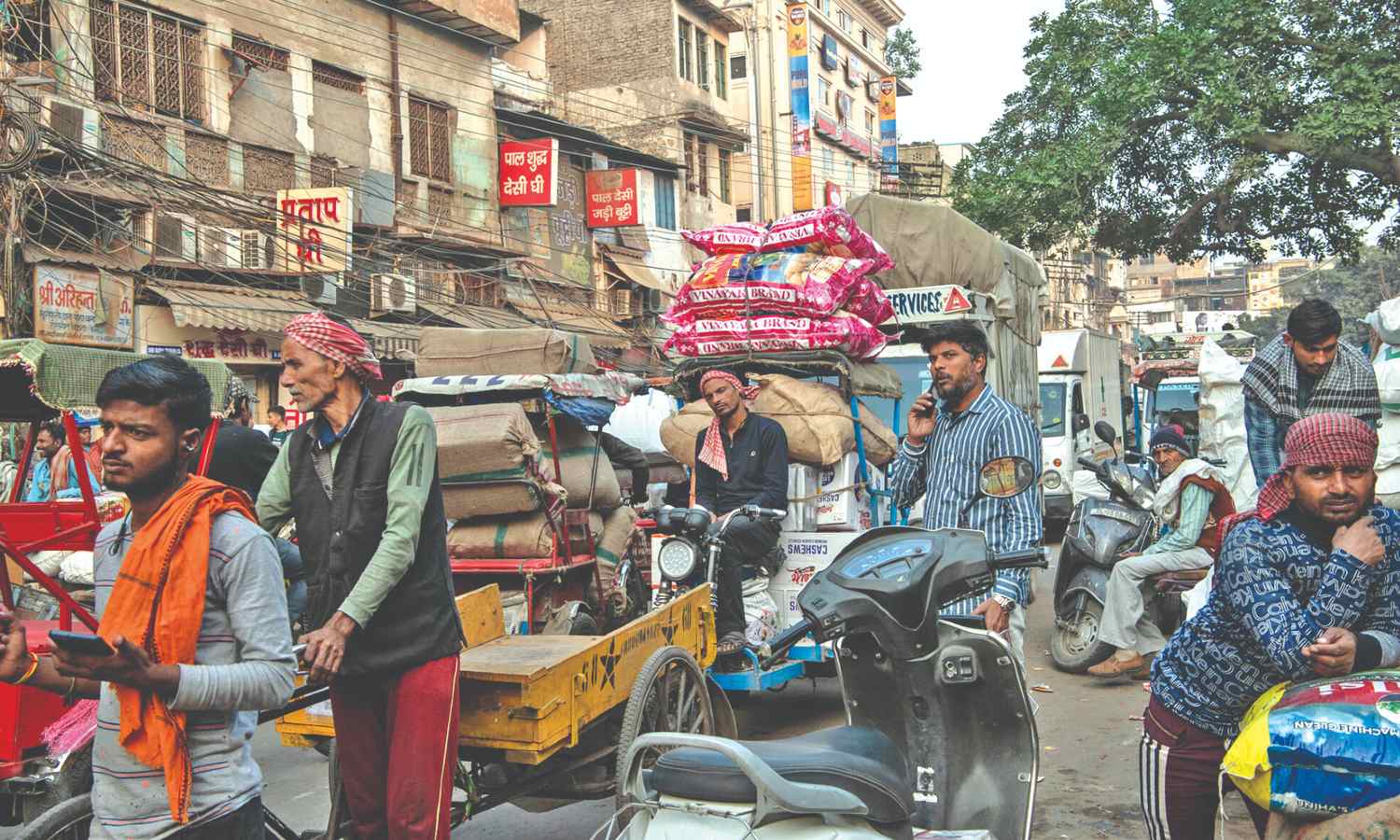
China's reign as the king of global consumers might be nearing its end, with challenger rising from the East -- India. Pushed up by a growing middle class and a youthful population, India's consumer market is poised for explosive growth, potentially surpassing China in the coming years.
China currently holds the top spot with a massive consumer base. While estimates vary, China is expected to have over 1 billion consumers by 2030, compared to India's projected 773 million. However, the growth trajectory paints a different picture. China's consumer base is expanding at a slower pace (around 15 per cent by 2030), while India's is expected to surge by a staggering 46 per cent in the same period.
Shifting demographics
One key factor driving this change is demographics. China faces an aging population, with a median age of 39 compared to India's India's median age of 28, which is a youthful population. This young Indian demographic presents a vast pool of potential consumers. However, China's seniors are also getting tech-savvy, with most expected to be online by 2030 with significant spending power concentrated in tech-savvy Gen Y.
Consumption trends
While China traditionally focused on quantity, its consumers are now prioritizing quality and experiences. This shift is evident in the rise of live-streamed shopping and the popularity of premium goods. India, on the other hand, is witnessing a rise in middle-class spending, with increasing disposable incomes.
Despite high internet penetration, challenges like youth unemployment and limited access to quality education could hinder India's digital innovation, a crucial driver for e-commerce growth. Additionally, data privacy concerns linger among Indian millennials, potentially slowing down online shopping adoption.
While both countries are witnessing a rise in online commerce, digital infrastructure disparity exists. China boasts of advanced e-commerce platforms powered by AI and live-streaming technology. India, on the other hand, faces challenges like youth unemployment and limited internet access in rural areas.
India needs to bridge the digital divide
For India to dethrone China, it needs to bridge the digital divide. Equipping its youth with the necessary skills and ensuring robust internet infrastructure across the country are crucial steps. Addressing data privacy concerns will also be essential to build trust and encourage online spending.
China, on the other hand, must broaden its consumer base beyond major cities and cater to migrant workers and rural populations. Additionally, fostering a culture of experience-based spending alongside traditional product consumption will be vital to retain its consumer leadership.
The race for consumer dominance between India and China hinges on their ability to innovate; adapt to changing consumer trends; and create inclusive economic landscapes. The victor will not only redefine global consumer spending patterns but also shape the trajectory of the world economy.
Fabric Innovation Meet by RIL showcases fabric brand R|Elan™
The recently held ‘Fabric Innovation Meet’ by Reliance Industries (RIL) in Bhiwandi, Maharashtra showcased the pioneering fabric brand R|Elan™.
Gathering over 100 esteemed fabric manufacturers, designers, and trade dignitaries, the collaboration unveiled R|Elan™ fabric innovations, meticulously crafted to meet the dynamic needs of today's consumers. Featuring a diverse range of fabrics redefining style and creativity, the event exemplified the relentless pursuit of innovation in the textile industry.
J Raghunath, Filament SBU Head, RIL, underscored the importance of continuous innovation and outlined both near and long-term growth perspectives for the industry. Polyester remains the fiber of choice in the textile industry, offering unparalleled availability, versatility, and quality, he noted. As Reliance expands its polyester capacity, the brand continues to focus on enhancing specialty and differentiated products, he added.
Emphasising the need for a shift in mindset, Raghunath urged Bhiwandi to transition from a commodity-oriented approach to specialty fabric production. He urged for the adoption of staple fibers and filament yarns from the R|Elan™ range, presenting a pivotal opportunity for the region to lead in textile innovation.
The innovative fabrics showcased at the event, including R|Elan™ GreenGold and R|Elan™ EcoGold from the sustainability range, R|Elan™ Kooltex and R|Elan™ FeelFresh from the performance range, and R|Elan™ FreeFlow and R|Elan™ SuperFeel from the aesthetics range, highlighted R|Elan™'s commitment to eco-friendly textiles. These fabrics not only embody sustainability but also incorporate cutting-edge functionality, addressing the growing demand for high-performance apparel.
The Fabric Innovation Meet served as a catalyst for industry stakeholders to explore the transformative potential of sustainable textiles, paving the way for a new era of environmental responsibility in fabric manufacturing.
Iran’s textile exports soar to $560 million during FY’23-24
From Mar’21, 2023 to Mar’19, 2024, Iran's annual textile exports stood at $560 million while imports soared to $2.2 billion, with fabrics accounting for a substantial portion.
During this period, the country’s exports to Iraq, Afghanistan, and Russia rose to 26 per cent, 18 per cent, and 6 per cent of the total exports, respectively. Kashan Customs Office served as the primary export hub, followed by Mashhad and West Tehran customs.
The UAE, China, and Turkey emerged as the primary exporters to Iran during this timeframe.
Emphasising on the importance of investing in the weaving sector to bridge this gap, Shojaeddin Emami Rauf, Secretary, Association of Iran Textile Industries, suggested that even small investments could significantly reduce imports and boost domestic production. He emphasised that government support for weaving units could stimulate investment in spinning and dyeing, leading to increased exports and currency retention.
According to Emami Rauf, the Iranian textile industry possesses the potential to multiply exports three to four times, provided there is adequate investment and governmental backing.
Bangladesh fails to grab a share of the global T&A market as production costs rise
Despite the global demand for textiles and apparel being on the rise, Bangladesh continues to struggle to secure a share of this expanding market due to recent cost escalations. The country is witnessing a modest increase in demand while, on the other hand, China has experienced significant growth in inspections and audits by buyers, both from within China and internationally.
There was a 20 per cent rise in global demand for textile and apparel inspections audits in Q1FY24, reports quality control company QIMA. This growth can be attributed to various factors such as improving consumer sentiment, inventory replenishment after the holiday season, and the need for larger shipments to mitigate longer freight-transit times caused by the Red Sea crisis.
Despite China's resurgence in popularity among apparel brands, other competitors in Asia and beyond are also keeping pace. In Bangladesh, both US- and EU-based brands have increased their procurement, raising hopes for the country's export sector. However, concerns linger regarding the Bangladeshi government's recent policy move to reduce cash incentives for garment exports.
According to OTEXA data, Bangladesh's RMG exports to the US declined by 19.24 per cent in value and 12.79 per cent in volume during the first two months of 2024 compared to the same period in 2023. Similarly, exports to the EU also declined by 26.74 per cent during this period.
Fazlul Hoque, Former President, Bangladesh Knitwear Manufacturers and Exporters Association (BKMEA), highlights, China's aggressive pricing strategy poses a challenge for Bangladesh, which faces increased production costs.
Mahmud Hasan Khan, Former Leader, BGMEA, acknowledges the increasing inquiries from buyers but expresses concerns about the escalating costs of doing business, particularly due to issues with gas and electricity supply and the reduction in cash incentives.
Despite these challenges, Bangladesh’s export sector continues to be optimistic with emerging markets such as Australia, Japan, India, and Korea showing interest.
However, Bangladesh would first need to address cost-related issues and maintain competitiveness to capitalise on the growing global demand for textiles and apparel.
US consumers’ trail behind as sustainability sentiment score drops: Survey
With their sustainability sentiment score dropping from 51 last year to 49 this year, US consumers trail behind their global counterparts in environmental consciousness. As per the latest Global Vo
ces survey by direct-to-consumer firm ESW, the list is dominated by India, the United Arab Emirates, and China with scores of 75, 74, and 70 respectively, while countries like Japan, Germany, the UK, Switzerland, and Canada scored lower.
Martim Avillez Oliveira, Chief Revenue Officer, ESW, notes, consumers’ attitudes towards sustainability are heavily influenced by their geographic location. Despite longstanding efforts to promote environmentally responsible choices, factors like inflation continue to impact consumer behavior in the US.
The survey also highlights generational differences, with younger demographics showing higher sustainability concerns. Globally, Gen Z led with a score of 61, followed by Millennials at 60, Gen X at 53, and Baby Boomers at 49. In the US, Millennials scored highest at 59, though their score decreased from the previous year.
ESW identifies a significant portion of ‘environmentally attuned shoppers,’ with one-third scoring above 80 in the survey. Additionally, more than half of respondents worldwide indicated an increased awareness of greenwashing, with 27 per cent considering a brand's environmental transparency when making purchases.
The report emphasises the importance of brand authenticity, with 63 per cent of global respondents valuing truthfulness and transparency regarding a company's environmental credentials. Conducted online, the survey gathered responses from over 18,600 adults across 18 countries, ensuring representation of key demographics in each nation.
AussieBum to set up production unit in India
Renowned Australian brand specialising in men's swimwear, underwear, and clothing, AussieBum plans to establish its own manufacturing unit in India to target both domestic and international markets, says Sean Ashby, Founder and CEO.
With aspirations to claim a 3-5 per cent share of India's innerwear market by 2026, AussieBum has already commenced online sales and aims to leverage localised production for this endeavor. According to Ashby, this approach not only fosters employment opportunities but also integrates Indian talent and resources seamlessly into the brand's design and innovation processes.
Since its inception in 1999, AussieBum has evolved from a modest swimwear venture into a recognised global brand. Acknowledging India's emergence as a fashion hub where global and local styles converge, Ashby emphasises the brand's commitment to cater to the preferences of modern Indian men, who prioritise fashion, functionality, and sustainability in their apparel choices.
Against the backdrop of increasing consumer preference for sustainable fashion, AussieBum commenced its Indian operations in October 2023. The brand currently operates manufacturing facilities in China, Bangladesh, Thailand, and Vietnam, reflecting its global presence and commitment to quality production.
Currently valued at approximately Rs 48,123 crore, the men’s innerwear market is poised to grow at a projected Compound Annual Growth Rate (CAGR) of 11.5 per cent by 2025, reaching a market value of Rs 26,952 crore. AussieBum's entry into the market signifies a strategic move to tap into this burgeoning sector and offer consumers a blend of style, functionality, and sustainability.
EU tightens regulations on Chinese e-commerce platform Shein
In a recent development, the European Union has expanded its list of digital giants subjected to stricter safety regulations to include Chinese online retailer Shein. Alongside established giants like Facebook, TikTok, and YouTube, the fast fashion e-commerce platform now faces heightened regulations under the Digital Services Act (DSA), a pivotal legislative initiative aimed at regulating online platforms.
Starting from the end of August, Shein will be required to adhere to stringent guidelines outlined in the DSA. These measures primarily focus on safeguarding consumers against the purchase of hazardous or illicit goods, with a specific emphasis on shielding minors from potential harm. The European Commission, which oversees these regulations, has underscored the imperative of protecting consumers in the digital sphere.
With approximately 108 million monthly active users within the EU alone, Shein finds itself at the center of broader debates surrounding online commerce practices. Beyond the EU's borders, Shein has encountered substantial criticism, ranging from allegations of exploitative labor practices to exacerbating hyperconsumerism and environmental degradation.
The EU's regulatory efforts extend beyond Shein, encompassing other Chinese digital players like TikTok. This video-sharing platform, owned by ByteDance, has been under intense scrutiny, particularly regarding its impact on minors. In response to concerns raised by the European Commission, TikTok has taken steps such as suspending its reward program on its Lite app.
Brussels' proactive stance on regulating digital platforms extends to trade relations with China. Despite potential tensions, the EU has initiated investigations into various sectors, including the medical device market and green technology subsidies. These actions signal the EU's commitment to ensuring fair competition and safeguarding European interests in the global marketplace.
SBS Zipper Bangladesh to establish garment accessories production plant in BEPZA EZ
Chinese zipper manufacturer SBS Zipper Bangladesh Co plans to establish a garment accessories manufacturing facility in Bangladesh Export Processing Zone Authority Economic Zone (BEPZA EZ).
To be set up with an investment of $19.97 million, the new facility promises substantial economic benefits, with plans to produce 271 million pieces annually, including a range of products such as metal zippers, nylon and plastic zippers, as well as various zipper parts and buttons. This venture is set to generate employment opportunities for over 2,063 Bangladeshis, BEPZA said in a press release.
The signing ceremony was attended by notable figures including Major General Abul Kalam Mohammad Ziaur Rahman, Executive Chairman, BEPZA and Weifang Shen, CEO, SBS Zipper Bangladesh. Ali Reza Mazid, BEPZA Member for Investment Promotion, also played a pivotal role in the proceedings.
Expressing his gratitude, Major General Rahman thanked SBS Zipper Bangladesh for their decision to invest in the BEPZA EZ and assured full support from BEPZA to facilitate smooth operations and export activities.
Mohammad Faruque Alam, Member (Engineering); Md Ashraful Kabir, Member (Finance); A N M Foyzul Haque, Executive Director (Admin), Md Tanvir Hossain, Executive Director, (Investment Promotion), Md Khorshid Alam, Executive Director (Enterprise Services); ASM Anwar Parvez, Executive Director (Public Relations) were present during the signing ceremony.
Hyosung to set up bio-based fiber plant in Vietnam
In alignment with its pledge to achieve net zero by 2050, Hyosung has embarked on a groundbreaking venture to set up vertically integrated, bio-based fiber manufacturing plant in Vietnam. Marking a significant step towards reducing carbon footprints, this plant enhances the company’s supply chain efficiency by consolidating production processes.
To be set up in partnership with Geno, a US-based sustainable materials leader, the plant will revolutionise the production of bio-BDO by utilising sugars from sugarcane via fermentation. This not only signifies a paradigm shift towards sustainability but also underscores Hyosung's commitment to driving industry-wide change.
The benefits of Hyosung's regen™ Bio Spandex extend beyond environmental stewardship. With reduced transportation needs, faster time-to-market, and enhanced supply chain resilience, the product sets a new standard for sustainable textiles. Anticipating up to an 80 per cent reduction in carbon emissions by 2026, Hyosung's Vietnam plant is poised to redefine industry benchmarks.
Moreover, regen™ Bio Spandex boasts transparency and traceability, validated by ISCC+ international certification and SGS certification. This assurance empowers brands and retailers to make informed decisions in line with their sustainability goals.
Hyosung's investment of $1 billion in its Vietnam manufacturing operation demonstrates a firm commitment to build a greener future. Commencing production in Q2 of 2026, the plant will initially yield 50,000 tons of certified bio-based spandex annually, with plans for expansion to meet growing demand.
Beyond fashion, Hyosung envisions leveraging its bio BDO capacity for various applications, including engineering plastics, biodegradable packaging, and footwear components. This forward-thinking approach underscores Hyosung's dedication to driving sustainability across industries.











