FW
Cotton cost weighs on Indian textiles
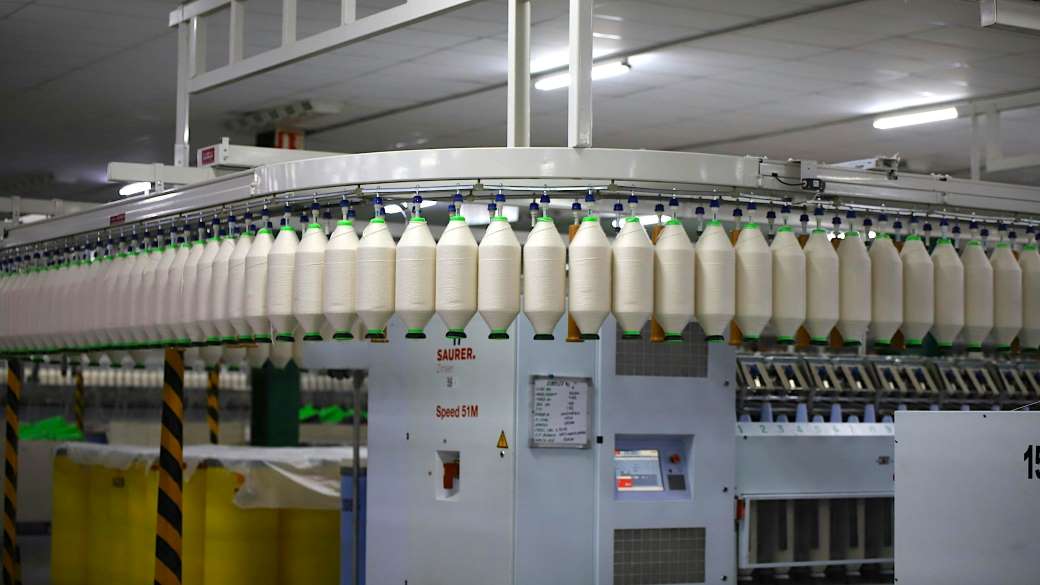
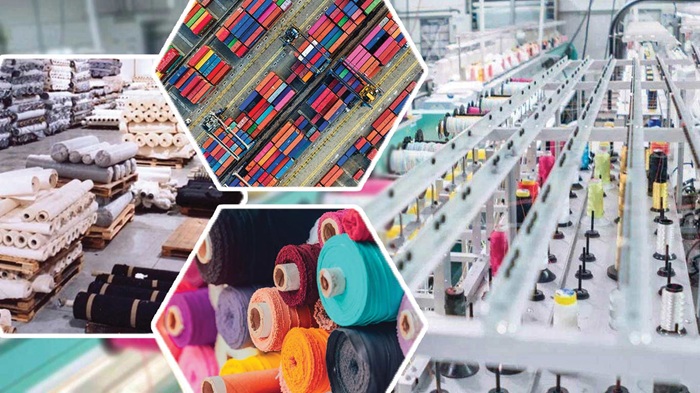
Cotton accounts for 51 per cent of the total raw material cost in the Indian textile industry. This puts domestic industry margins under pressure. The cost of raw material inflation can’t be passed on due to subdued consumer demand. Meanwhile, yarn production has been fluctuating over the last six months, although the production average has been maintained. Exports have risen to more than 30 per cent during March 2019. Prices of cotton yarn are co-related to raw cotton prices and thus have seen an upward movement in line with raw cotton prices. Synthetic fabric has seen a gradual revival in demand due to decreased cost of production, which is a function of crude oil prices. Partially-oriented yarn and texturized yarn prices declined by eight per cent and seven per cent month on month.
India’s readymade garment exports have decreased. Removal of tax incentives for exports has made India’s textile goods less competitive vis-à-vis Vietnam and Bangladesh. Decreasing exports and weak consumer sentiments have impacted the industry’s capacity utilisation. But overall apparel production improved by 34 per cent for April 2019 and exports improved by 18 per cent for May 2019. Capital expenditure in textiles has been majorly to replace machines with new technologies and shift to premium/ niche products in the existing line-up.
Indian cotton crop falls by 15 per cent
India’s cotton crop has fallen by around 15 per cent this year mainly because cotton yields have drastically dropped. There were no rains last year in the month of August and September. Most farmers now want to take two or three crops and don’t want to keep cotton plants after December. States like Gujarat, Maharashtra, Telangana and Karnataka are facing a huge deficit of rains.
Many textile mills in North India and South India are planning to cut production due to a lack of demand as well as demand-supply imbalances which is severely going to impact margins. Spinning mills which are small do not have facilities to import cotton. That is severely going to affect the margins of the textile industry. The industry has been severely impacted by the US-China tariff war. China is a major importer and exporter of textile products. Logistics costs are about ten per cent of the total cost but they have to be incurred. But a lot of import is still going on.
Cotton prices around the world have come under pressure. In India, prices have dropped to Rs 44,000 a candy compared to Rs 47,000 just ten days ago. Globally, cotton prices are currently ruling at Rs 42,000 a candy.
Vietnam exports to Japan up eight per cent
Vietnam’s revenues from apparel exports to Japan during January to June grew 8.61 per cent from the same time last year. As a large trade partner of Vietnam, Japan is expanding imports for a wide range of products from Vietnam and the garment and textile industry holds huge potential. Vietnam sells shirts, suits, sportswear, children’s clothing and towels to Japan. Vietnam’s textile and garment industry is gearing toward sustainable development through balanced exports to all markets, and that includes Japan that has sound political relations with Vietnam. Many businesses have won contracts to ship products to the market by the end of this year. Besides, Japan was the first market for Vietnamese garments and textiles when the country had not joined the World Trade Organisation.
However, Japan is a market that holds strict standards for imported products. In addition exporters should be well prepared before entering the market due to its complicated distribution system and high costs of trade promotion. Japanese partners place orders for a small quantity of clothing with original designs and require shipments in a very short time. So firms must have sufficient materials to fulfill the contracts. They must improve their fashion design capacity and competitive edge.
UK luxury revenues up one per cent
Revenues of UK luxury fashion brands and retailers are up 1.9 per cent year on year. Especially, brands founded since 1990, such as Lulu Guinness and Stella McCartney, are the luxury sector’s main driver of growth. Turnover at these luxury businesses has grown at an average rate of seven per cent over the past 12 months compared with 0.7 per cent at fashion brands established prior to World War II.
One reason is that younger businesses put sustainability and e-commerce at the heart of their strategies, which has attracted affluent millennial consumers. These faster-growing businesses are changing the perception that British luxury brands are a little old-fashioned and conservative. On the other hand heritage brands are aiming at being seen as truly elite and developing their online retail offering to appeal to younger consumers.
For most British consumers, the luxury offering is closely tied to tradition and heritage. While they have very broad brand recognition, consumers do not see them as being part of the truly elite group of luxury businesses. Being able to move those brands upmarket and grow sales of higher-margin products is the key target for British heritage brands over the next five to 10years.
Tirupur develops banana silk clothing
An incubation center in Tirupur is promoting production of banana-silk clothing. India happens to be the largest banana producer in the world. Banana fiber was primarily used for making ropes, mats, and some other composite materials. With increasing environmental awareness, and the growing importance of eco-friendly fabrics, the banana fiber is finding application in other fields such as garments and home furnishings. Banana cultivation in a 1000 acre plantation is capable of generating revenue of Rs 16 crores if the fiber is extracted on a large scale and utilized for clothing. Rugs made from banana silk yarn fibers are popular the world over. Banana fiber is also used to make cushion covers, neckties, bags, table cloths, curtains etc. In Japan, it has long been used for making traditional dresses like the kimono. It’s lightweight and comfortable to wear, and is preferred by people in Japan as summer wear.
In fact, Khadi and Village Industries Commission (KVIC) is promoting the use of banana fiber for making handmade paper bags, statues, pen stands and garments. Once the fabrics match the three categories of fineness, softness and durability, fine, soft and durable yarn will be extracted from banana leaves and stitched into clothes.
Stella McCartney teams up with LVMH
Stella McCartney signed a partnership with LVMH. LVMH is the world’s largest luxury goods group. It was the first large company in France to create a sustainability department, more than 25 years ago. Stella McCartney is one of Britain’s leading designers, who’s also the flag-waver for all-things cruelty-free and sustainable. The aim is to accelerate the development of Stella McCartney brand globally. McCartney will retain controlling stake, will stay at the creative helm of her brand and will also continue to be its public face. She will also have a wider role within LVMH in relation to its development as a sustainability-focused group. McCartney’s pioneering approach to building her label around ethical and environmental issues has been a decisive factor in the deal. The link-up emphasises LVMH’s commitment to sustainability. In turn McCartney can gain from the experience, financing, expertise and networks of a giant luxury group.
Stella McCartney split from Kering last year. Kering had backed her label from its early days. She was approached by various parties expressing their wish to partner and invest in the house but she settled on LVMH because of the passion and commitment LVMH expressed towards the Stella McCartney brand and its acceptance of Stella McCartney as the global leader in sustainable luxury fashion.
Small units in India get tax relief
Micro, small and medium units in India are being provided an encouraging atmosphere. Their tax burden is being eased. The rate of corporate tax has been reduced to 25 per cent for companies with a turnover of up to Rs 250 crores. The threshold limit for applicability of presumptive taxation of business income has been increased from Rs 1 crore to Rs 2 crores. The threshold for maintaining books of accounts on part of individuals and the Hindu undivided family has been increased to an income of Rs 2.5 lakhs from Rs 1.2 lakhs earlier. Similarly the threshold has been increased to a total turnover of Rs 25 lakhs from Rs 10 lakhs earlier. The rebate provided under the Income-tax Act, 1961, has been increased and now any individuals or Hindu undivided family having a total taxable income up to Rs 5 lakhs do not need to pay any income-tax.
Considering the seasonal nature of the business of an assessee engaged in manufacturing of apparel, the requirement of 240 days of employment has been relaxed to 150 days. GST on job works for the entire textile segment, yarn, fabrics, garments or made-ups, has been revised from 18 per cent to five per cent.
India: Margins may improve for Indian denim
Gross margins in the Indian denim industry are expected to improve by three to four per cent this year. This may be possible because of gradual improvement owing to a focus on premium products and vertical integration. The return of wholesale and consumer demand for basic denim in the domestic market and exports of value-added denim may gradually improve capacity utilisation.
Denim, mostly fabric, capacity in India had suddenly shot up a few years ago. However, with annual exports being hardly 200 million meters to 250 million meters, the rest of the capacity was earmarked for the domestic market, creating a glut. This led to shrinking margins for even some of the top denim makers. However, with no new investment in sight and capacity rationalising, gross margins could improve this year. The excessive capacity that got accumulated over the years is now getting utilised gradually. Minimal new greenfield investments in the sector will not entice any players to start investing before fiscal ’22 given that the current capex will require two to three years to stabilise.
However, while the sector’s operating margins is expected to improve moderately to ten per cent to 11 per cent in fiscal ’20, inflation in cotton prices could offset the benefits of operating leverage and modest increase in fiscal incentives.
Intimasia 4.0 to feature leading apparel brands
Organised by Peppermint Communications, the 4th edition of Intimasia show will be held from August 7 to 9, 2019 at Kolkata. The show will feature well-known names of Indian apparel industry including the likes of Bodycare Creations, Teenager, Enamor, TT Limited, Libra, Mustang Socks, and international brands like Triumph and Hush Puppies.
Visitors will include traditional retail stores, MBOs, specialised lingerie and beachwear stores, family department stores, hypermarket stores, investors interested in opening franchise stores, distributors and agents from West Bengal and the surrounding states of Bihar, Jharkhand, Orissa and Assam. The show spread over 40,000 sq. ft. will feature over 100 exhibitors from across the country and over 5,000 retailers, distributors and agents from the East and North East Region.
London Fashion Week in September
London Fashion Week will be held from September 13 to 17, 2019. Over the past few seasons, London Fashion Week has evolving to interact with more shoppers and take advantage of the growing interest in designer fashion. Tickets will offer access to an immersive LFW experience that will include six public catwalk shows, creative installations, industry-led panel talks, an experiential space where fashion meets art, technology and music and a brand new designer exhibition, which will focus on sustainability, community and ethics.
The designer exhibition will feature new creative brands and progressive designers, explore compelling stories and illustrate how the fashion industry can be used as a force for change. This is part of an initiative to celebrate industry best practice and encourage future business decisions to create positive change. In addition the British Fashion Council will help curate a series of events and activations with key retailers, cultural institutions, brands and partners to engage communities throughout the capital during September.
Starting September 2019, London Fashion Week will be the first of the four global fashion weeks to offer dedicated experiences for both a trade and public audience through one schedule. Shoppers will have more access to see-now, buy-now catwalk shows and immersive brand experiences.