FW
European Commission forms collation to ensure fairness and sustainability
To strengthen the endeavor of European Commission’s new ‘comprehensive’ circular strategy development for textiles in coming months, a group of 65 diverse civil society organizations has published a shadow proposal to be implemented for the global Textile, Garments, Leather and Footwear (TGLF) sector, which will ensure its fairness and sustainability.
The coalition stressed on reducing unfair purchasing practices that leads to canceled orders, unpaid workers and unsellable products. The collation wants to fight against these problems by proposing a strategy to the EU that can be strictly followed. It recommends companies should be legally obligated to take responsibility not only for their activities but also for their entire supply chain. It also recommends stricter environmental rules to supervise how textile products sold in the EU are designed and produced and producers should work with transparency.
The coalition that includes organisations like Clean Clothes Campaign, the European Environmental Bureau, Fairtrade International, Fashion Revolution, Traidcraft Exchange, World Fair Trade Organization, etc, has grabbed the attention of the European Commission, Members of Parliament the EU governments.
Italy to restart manufacturing in May
Italy, the first European country to be hard-hit by the coronavirus, will allow some businesses to reopen as soon as this week while aiming to reopen manufacturing and construction from May 4. The government would follow a phased process to restart most of the manufacturing in early May, although businesses frequented by the general public such as bars and restaurants would have to wait a bit longer. Schools would remain shut until September.
Some businesses deemed "strategic", including activity that was mainly export-oriented, could reopen this week providing they get the go ahead from local prefects. Restart would have to be gradual, and companies would have to introduce strict health safety measures before opening their doors.
Rome has introduced a series of measures including state-backed loans to help businesses stay afloat. But some businessmen have complained about delays in implementing them. The government is also monitoring banks to make sure state-guaranteed liquidity arrived to companies in need. Besides, the government is working on a series of measures to help industry by cutting bureaucratic red tape.
China tightens quality norms for mask export
To ease the pressure a leading medical exporter China has decided to ensure supervisions and standardizations on immediately needed medical masks to ensure quality. On March 31, the Ministry of Commerce, the General Administration of Customs (GAC) and the National Medical Products Administration (NMPA) jointly published the announcement on the orderly export of medical supplies.
As per the announcement, the Ministry of Commerce all non-medical masks must be up to its own or foreign quality standards before being exported. And all exporters should file for a written declaration that their medical products meet import countries’ or regions’ quality standards and safety requirements.
It also said foreign buyers are encouraged to choose the suppliers that are registered at medical products administration departments. The Textile Industry Association in East China’s Jiangsu Province had issued the standard for polypropylene melt-blown nonwovens, a critical material for making face masks, for its members – the first adoption of a standard in China.
On the other side, some investors in Hunan Province said they are worried about the severe shortage of melt-blown nonwovens, which is limiting production capacity. With the shortage of material supply, rising prices, and some substandard products, China has implemented measures, including customs inspection, export qualification check, and facilitating factories’ production.
Esprit integrates booked materials in later orders
Esprit Holdings is integrating booked materials in later orders, wherever possible. The company has held certain payments for orders with handover to a forwarder before the end of March as since March end, the company’s legal entities are under a special legal status called “proactive shield proceedings”, similar to Chapter 11 in the US.
The company had to make some adjustments and cancel orders due to the decline in demand caused by the COVID-19 crisis. However, it is integrating booked materials in later orders wherever possible. The company is in close contact with all suppliers to ensure transparency in this process.
In view of COVID-19, many apparel factories primarily in developing countries in Asia have reported cancellation of orders from global brands / retailers. Apparel sector being the finest value adding segment in the entire value chain and one of the largest employment providing sector is under despair because of cancelled production orders.
Bangladesh garment factories defy virus lockdown
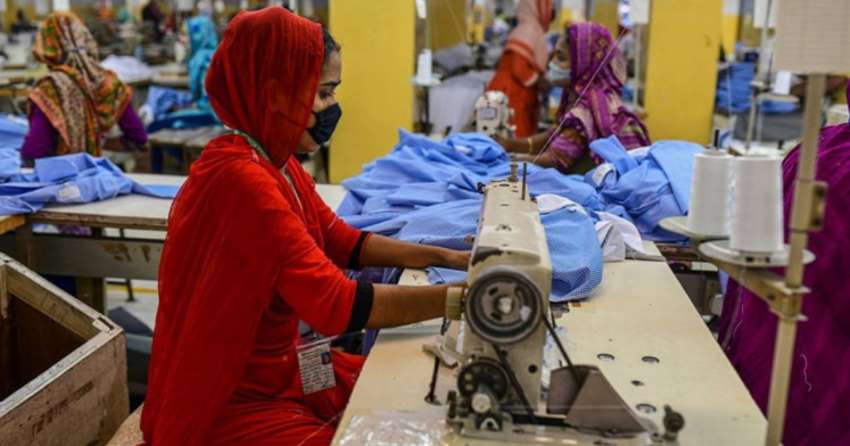
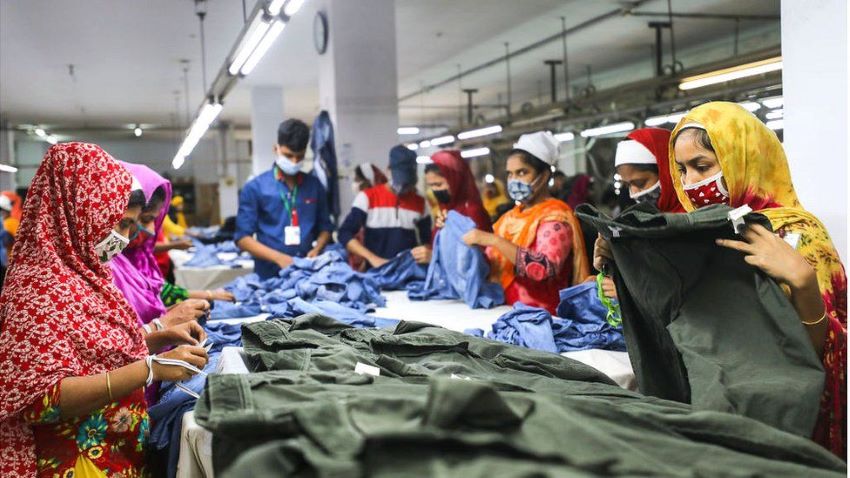
Bangladesh Knitwear Manufacturers and Exporters Association (BKMEA) reveals hundreds of Bangladesh garment factories have defied a nationwide coronavirus lockdown to reopen, raising fears the industry's vulnerable and largely female workforce could be exposed to the contagion.
MB Knit reopened part of a factory that makes clothing for Primark and several other retailers. These factories had shut their doors in late March but some suppliers are now being pushed by retailers to fulfill outstanding export orders.
More than four million people work in thousands of garment factories across Bangladesh, which last year shipped out $35bn of apparel to retailers such as H&M, Inditex and Walmart last year - second only to China.
Bemberg develops new sustainable fibre
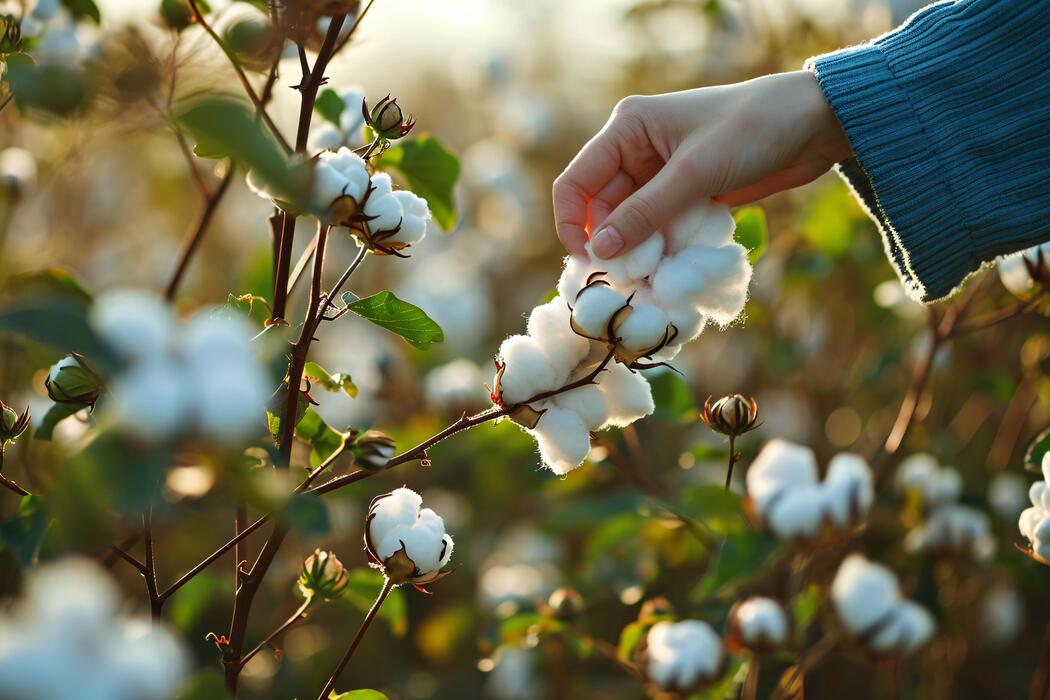
Bemberg has developed a new sustainable fiber. The lifespan of Bemberg’s regenerated cellulose fibers, Cupro, derived from cotton is fully circular, from source to manufacturing. Bemberg yarns are entirely biodegradable and ecotoxicity-free. Fabrics made from the yarn are used for presentation flags and for lining high quality suits and coats.
In Bemberg’s production the whole sustainable closed-loop process is supported by the LCA (Life Cycle Assessment) study, signed by ICEA (Istituto per la Certificazione Etica e Ambientale) and validated by president of Ecoinnovazione Paolo Masoni ex research director of ENEA (Ente per le Nuove tecnologie, l’Energia e l’Ambiente). While recyclability is granted by the Global Recycle Standard - GRS certification by the renowned Textile Exchange, at the end of their life circle the yarns break down into the environment leaving no trace in terms of toxic substances as attested by the Innovhub-SSI report, according to Asahi Kasei.
A special focus deserves Velutine Evo, the new fibrillation finishing technology for Bemberg fabrics only that guarantees another level of sustainable benefits without sacrificing the Bemberg amazing and unique touch. As part of the company’s continuous innovation, Velutine Evo brings better environmental, energy, and water profiles for the benefit of Bemberg partners in the manufacture of their ranges.
The sustainable achievements of the new finishing technology have been measured by LCA study by ICEA and proved to guarantee environmental benefits such as -16.5 per cent of greenhouses gas emissions and -21 per cent of overall consumption of energy resources. On top of that Velutine Evo means also -20.5 per cent of electricity savings, -15.9 per cent of steam production and -19.5 per cent of water consumption.
Burberry to maintain base pay for employees
Burberry has vowed to maintain base pay for all its employees unable to work remotely, and slashed top bosses’ salaries by 20 percent for the April-to-June period.
The company is also pushing back its 2019-20 results announcement to May 22 from May 14 in order to accommodate auditors who are currently overwhelmed by work during the crisis.
Since the outbreak of COVID-19, the company’s priority has been the safety and wellbeing of its employees, customers and communities.
The company has temporarily closed its retail stores, and turned over its Yorkshire trench coat factory to the production of personal protection equipment, or PPE, for medical and care workers.
Burberry will maintain base pay for all employees who are unable to fulfill their roles because of store or site closures, and it will not rely on government support for jobs in the U.K., where more than a third of its employees are based.
Cambodia opens 77 new factories open in Q1
Heng Sokkung, a secretary of state and spokesman for the ministry of industry, science, technology and innovation, has revealed that seventy seven new factories, including 34 belonging to the garment, footwear and travel goods sectors, opened in Cambodia in the first quarter of this year despite the COVID-19 pandemic. Some factories, however, have witnessed a drop in purchase orders now, but will recover after the crisis, it said.
For Cambodia, most of the garment, footwear and travel goods factories still operate as usual because China has constantly supplied raw material despite the pandemic, According to him, six factories had permanently shut down during the January-March period this year, affecting 6,052 workers.
The garment, footwear, and travel goods industry in the country comprises around 1,100 factories employing 750,000.
A report from the ministry showed that the export of garment, footwear, and travel goods was valued at $9.32 billion in 2019, accounting for over 83 per cent of the country's total industrial product exports.
China to launch online shopping festival
The Ministry of Commerce (MOC) recently revealed that China will launch an online shopping festival to prop up consumption after its economic growth contracted 6.8 percent year on year in the first quarter.
The festival, the second of its kind, marks the latest step taken by the world's second-largest economy to expand domestic consumption and blunt the impacts of the novel coronavirus epidemic on its economy,
Over 100 e-commerce companies will take part in the festival, selling a great variety of quality goods ranging from agricultural products to electronic devices.
Consumers are expected to enjoy steeper discounts and better services, according to the statement.
China is pinning more hopes on domestic consumption to revive its economy as the ongoing coronavirus pandemic worldwide depressed external demand.
The festival, which will run from April 28 to May 10, is jointly launched by the MOC, the Ministry of Industry and Information Technology, the State Post Bureau and the China Consumers Association.
Clean Clothes Campaign urges brands to support suppliers
Clean Clothes Campaign has urged brands to support suppliers to make sure that workers have safe workplaces and transport including safe distancing between employees and the provision of protective equipment which workers’ reports reveal is not the case.
A shocking investigation from Clean Clothes Campaign and Germany based Bread for the World reveals that around 120,000 labourers across Europe are being forced to work in high risk environments in spite of workplace closures globally. There is still no European legislation to enforce brands and retailers respect human rights throughout supply chains and ban unfair and inhumane trading practices.
In Serbia, Ukraine, Croatia and Bulgaria, employees are still working for far less than a living wage for German fashion brands including Hugo Boss, Gerry Weber, Esprit, as well as German supermarket and drugstore chains. In spite of the current pandemic, factory managers continue to force workers to report to work despite the high risk of infection of Covid-19 and in contravention of international guidelines.
Wages of garment workers remain extremely low in the Eastern and South Eastern Europe manufacturing industries. A Ukrainian tailor will earn around 126 Euro per month, leaving no room to save money for contingencies such as the current Covid-19 crisis.
Currently, even this meagre wage is not paid because apparel companies in Germany are cancelling orders and factories close -- not for the protection of workers, but because there is no work. Employees reported to Clean Clothes Campaign that they are now forced to go on unpaid leave, leaving many already on the poverty line in even more dire circumstances.