


FW
Kelsun yarn made from seaweed to revolutionize the apparel industry

With a global slogan of a better environment for a better tomorrow, environmentalists have kick-started the fashion industry into combatting textile waste and changing the fashion segment into a sustainable and circular economy. The fashion segment is one of the world’s biggest polluters, with around 21 billion tonnes of textiles and materials being dumped in landfills every year and accounting for around 10 per cent of global carbon dioxide emissions and it’s time to sit up and take notice.
Kelp for a healthier textile ecosystem
Seaweed bioplastics have always made use of the world’s ocean seaweed-derived polysaccharides alginate, agar, and carrageenan, whose ability to gel into other materials has made them suitable for the development of coatings and films. Although seaweed fabric was discovered during the World War I, it was at a nascent stage when textile manufacturers were experimenting with many different sources of material, and seaweed fabric was made from using mainly brown algae, which is commonly known as Knotted Wrack.
This process uses seaweed to further produce a biopolymer called alginate, which is then combined with other renewable biopolymers to produce a strong and stretchable yarn, which can be knitted by hand or by machine to be used in many kinds of textile manufacturing. Some recent studies were conducted by US-based Keel Labs, which is focused on working on harnessing the natural power of aquatic ecosystems to transform the textile industry. Keel Labs came up with a new flagship material made from seaweed, a yarn called Kelsun which is made from the abundant polymers found in kelp, which has a lower environmental footprint than conventional fibers, currently available in the apparel market.
Kelsun will positively impact the garment segment
This wonder material Kelsun has a production process that does not use any harmful chemicals uses minimal water and does not create toxic by-products that intensify global warming. Kelsun’s production is a drop-in solution for an already existing yarn and textile production infrastructure, which is expected to open the key to many possibilities in the apparel segment.
As seaweed is easily and vertically farmed within the ocean, it sequesters carbon at a rapid rate and is thus a quickly renewable and regenerative organism with a far lower environmental footprint than normal apparel fibers currently available in the market. Kelp forests are easily found in the US along the Eastern Pacific Coast, from Alaska and Canada to the waters of Baja, California, and are mainly composed of rapidly growing large brown algae. Global warming and the pandemic has shown the world that sometimes in life, you need to turn back and follow your footprints to where it all began and the world was clean and unpolluted.
Keel Labs, incepted as AlgiKnit in 2017 was extremely functional in name and in vision as algae was used to make fibres. In 2022, it became officially known as Keel Labs, which currently harnesses the potential of many natural materials to transform the textile industry and the environment. Tessa Callaghan, Fashion Designer and Co-founder, CEO of Keel Labs in a signed article, “My co-founder, Aleks Gosiewski and I founded Keel Labs with a mission to harness the radical potential of our oceans to positively impact the fashion industry and the world. As a collective of scientists, designers, and innovators who are fighting against material waste, we are building a healthy relationship between nature and human ecosystems.” By using seaweed that is both renewable and carbon sequestering, Keel Labs is changing the textile ecosystem and creating a sustainable and circular future.
China’s luxury segment oscillates between highs and lows
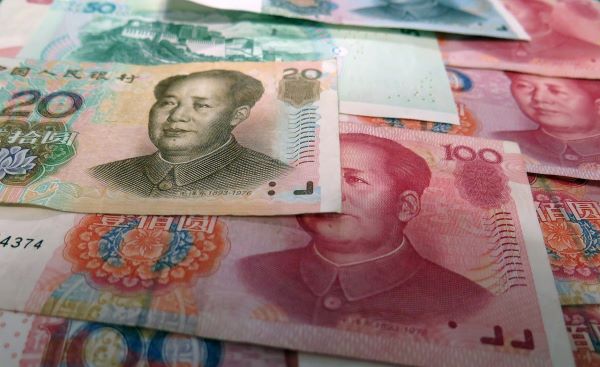
China’s luxury apparel market is on a seesaw ride with its highs and lows leaving analysts puzzled with what is yet to come by the end of 2023. While some feel profit levels will be low with a post-Covid slow economy that has drastically hit spending, others opine it will soar, up and away into the most profitable segments. The apparel industry in 2023 had started with a U-shaped recovery and the luxury retail segment in particular had an excellent start which was reflected in first-quarter results for most of the bigger premium luxury brands.
Profits soar for some luxury brands
As per PricewaterhouseCoopers (PwC), Chinese luxury market is expected to reach $118.3 billion by 2025 and account for over 25 per cent of the global market. However, it’s mainly the fashion and leather goods of luxury conglomerates that are registering double-digit growth as categories such as cosmetics and mid-segment clothes are yet to recover post-Covid. With limited outbound flights and extended visa wait times, richer Chinese tourists are now spending more on luxury retail in the domestic markets in the first quarter of this year.
The world’s largest luxury group LVMH Moët Hennessy Louis Vuitton, recently saw its shares rise to a record high and has become the first European company to surpass $500 billion in market capital with its overall first-quarter revenues rising 17 per cent year-on-year. The company remains hopeful there will be a strong push from mainland China this year not only in fashion and leather but also in jewellery and plans to focus more on fast-developing major Chinese cities like Chengdu, Zhengzhou and Wuhan.
Other luxury retailers such as Hermès, too tasted success during Chinese New Year and the return of the well-heeled Chinese visitors to places like Singapore, Thailand and Australia. This helped them improve sales in most of Asia. Hermes is planning a slow and steady expansion into new cities across China that will help it forge ahead in the luxury segment. Luxury conglomerate Kering too is inching up slowly with its flagship brand. Gucci plans to soon an immersive exhibition in Shanghai, while its other brand Bottega Veneta will have a repeat fall 2023 show collection in Beijing this July.
Post-Covid restrictive economy dampens profits
However, contradictions are rife in the Chinese economy as Bain &Company highlights although the luxury market grew 42 per cent annually between 2019 and 2021, new wave of infections and China’s zero-Covid policy with city-wide lockdowns contracted the market by10 per cent in 2022. Categories with high online penetration, such as luxury beauty had single-digit declines while the premium watch market had drastic sales drop from 20 to 25 per cent. Even fashion and lifestyle products experienced a decline of 15 to 20 per cent, while jewellery and leather goods sales dropped 10 to 15 per cent.
Local competition, geopolitics affect luxury segment
China has the fastest rise in Gen Z population and an increasingly strong national sentiment where well-heeled consumers prefer premium domestic brands such as Anta and Li-Ning over global ones such as Nike and Adidas. This is leading to significant losses in market share. Some luxury brands are estimating a negative impact of -10 to -40 per cent of revenue this year due to the after-effects of the lockdown.
As local competition heats up, many global premium brands are facing high operational costs, totally different service expectations, and challenges to bring top industry talents, all leading to a loss of market share in China. Also, the turbulent current global geopolitics is a big risk to international brands in China with the after-effects of the Ukraine war, increasing tensions in Southeast Asia and China’s ambitions with Hong Kong and Taiwan. Clever retail and marketing strategies of global premium brands and understanding future expectations of Chinese customers should be the focus now.
Athleisure dominates fashion in Southeast Asia with 9.5% CAGR, driven by consumers' increased focus on their health and wellness
The athleisure trend continues to dominate the fashion industry in Southeast Asia, as consumers prioritize comfort and functionality in their clothing choices. Athleisure brands have emerged as winners during the pandemic, and the trend is expected to remain very dynamic in the region, with a 9.5% retail value CAGR over the forecast period.
The pandemic has played a significant role in driving the trend, as people have turned to comfortable and functional pieces of clothing such as leggings, tracksuit bottoms, sports bras, and hoodies during lockdowns.
The athleisure trend in Southeast Asia is driven by consumers' increased focus on their health and wellness, with many people taking up regular exercise and making various routine changes to boost their physical and mental well-being. The trend is expected to continue as consumers' desire to lead a healthy lifestyle shows no signs of diminishing.
Hybrid working policies and the greater acceptance of remote working are also contributing to the popularity of athleisure, as people have less need for traditional business attire and formal clothing. This allows consumers to dress in more comfortable and versatile options that can be worn on and off the job.
Southeast Asia offers plenty of opportunities for versatile fashion items, with 40.3% of online consumers in the region willing to pay more for comfortable clothing in 2023. This prioritization of comfort is seen among both males and females, with more and more consumers prioritizing clothing that allows them to move freely and feel their best selves.
As a result, athleisure brands will continue to flourish in the region, and fashion brands in Asia, whether fast fashion or luxury, will continue to bank on athleisure.
UK: Jeanswear brands embrace sustainability with recycled content options
Jeanswear retailers and brands are increasingly incorporating recycled content into their in-stock options, signaling a significant shift towards sustainability. According to a report by global retail analytics firm Edited, the availability of denim products containing recycled materials has risen by 28 percent in the UK and 18 percent in the US compared to the previous year.
"Recycled" has emerged as the most popular sustainability keyword in product descriptions, surpassing "organic" by featuring in 20 percent of in-stock denim options.
Affordability is another driving factor for the popularity of recycled denim. The report reveals that in the UK, jeans with recycled content have the lowest average price of $64, while in the US, the average price is $102.74, the second lowest among the sustainability keywords.
The increased prevalence of recycled denim can be attributed to a growing awareness of garment lifecycles and circular fashion initiatives such as the Ellen MacArthur's Jeans Redesign guidelines.
Organic cotton is also gaining traction in the denim industry, with a 28 percent increase in in-stock options for men's and women's wear. However, the overall availability of organic cotton textiles has decreased by 20 percent due to inflation and low supply. Despite this, mill-led programs and collaborations have contributed to the use of organic cotton in jeans.
The industry's focus on sustainability extends beyond materials to include environmentally friendly dyes, water-saving finishing processes, and promoting denim's durability through upcycled collections.
The continued efforts of brands and consumers to embrace sustainable practices are key drivers of the ongoing transformation within the denim industry.
Pure London unveils impressive resort wear lineup
Pure London, the UK's largest fashion festival, has unveiled an impressive lineup of resort wear brands that will be showcasing their latest collections. Taking place from July 16th to 18th, 2023, at the iconic Olympia London, Pure London is renowned for its ability to bring together the brightest minds in the industry, offering a platform to showcase the season's must-have collections, latest trends, and exclusive business insights.
Among the standout brands participating in this season's event are Guilty Beach, PALME, Terre Rouge, Sophia Alexia, Zen Ethic, NoLogo, One Hundred Stars, Coocu Resorts, Pho Firenze, and Sandy Tzatzou.
Making its debut at Pure London, Italian brand Pho Firenze presents an exotic collection inspired by the enchanting lifestyle of Tuscany. With crochet, tassels, and sheer materials, their designs combine youthful patterns and form-flattering silhouettes, resulting in glamorous creations.
Another newcomer, Coocu Resorts, draws inspiration from Greek heritage, architecture, and nature, offering dresses, kaftans, and tunics crafted from natural cottons, linen, and silks, featuring exquisite embroidery and jacquard patterns.
Pure London also welcomes Sandy Tzatzou, a Greek brand showcasing show-stopping swimwear complemented by feminine and elegant ready-to-wear styles. Returning to the festival, Zen Ethic presents chic and comfortable clothes inspired by the authenticity and spirituality of India, using natural and recycled materials.
Guilty Beach, a premium brand, displays timeless resort wear known for luxury, featuring beautiful embroidery, unique prints, and stunning beading. Luxury fashion resort wear brand Sophia Alexia specializes in exclusive, colorful prints adorning dresses, beach shirts, kaftans, and accessories, offering an elegant and flattering collection.
NoLoGo, a UK-designed brand, captures the essence of summer with versatile and practical styles, while PALME stands out with its cheerful colors and bold prints, equally suitable for city and beach wear. Terre Rouge, originating from Southern France, presents a vibrant cotton collection of colorful and easy-to-wear styles.
The festival will showcase collections that explore sustainable production, slow fashion, and traditional artisan craftsmanship from around the world, promising an exciting and inspiring celebration of fashion.
Survey reveals consumer anger towards false claims of organic textiles
Ahead of the inaugural Organic Textile Week (15-21 May 2023), a recent survey conducted in the UK has highlighted consumer concerns regarding deceptive practices within the fashion industry.
The survey, which gathered responses from 2,000 individuals, found that a staggering 70% of participants would be less inclined to purchase products from brands making false claims about their organic credentials.
Furthermore, the study revealed that 59% of respondents expressed feelings of anger or disgust upon discovering that certain clothing brands, purporting to be organic, may actually contain hazardous synthetic pesticides and other harmful chemicals. This revelation underscored the growing demand for genuinely sustainable clothing options, with 57% of participants emphasizing the importance of purchasing clothes and textiles that are authentically sustainable.
Alarmingly, over three-quarters of those surveyed admitted to being unsure or unaware of the meaning behind the term "certified organic textiles." Astonishingly, nearly a third of the British population remained oblivious to the existence of organic textiles or clothing altogether. In addition, 56% of respondents confessed to lacking knowledge on how to identify certified organic items.
The survey findings also unveiled strong public support for legislation requiring clothing brands to adhere to transparent organic textile processing standards before being permitted to label their products as organic.
A significant 70% of participants advocated for such legal requirements, emphasizing the need to combat greenwashing practices within the industry.
EU deadlock: Sweden faces backlash for removing ban on unsold textile destruction
Sweden, currently holding the rotating presidency of the EU Council, has caused controversy by removing a ban on the destruction of unsold and returned textiles from a draft law aimed at improving circularity and sustainability within the European economy.
This decision has led to a group of more ambitious countries, including Germany, France, Austria, the Netherlands, and Belgium, blocking the agreement until the ban is reinstated. The removal of the ban has been deemed unacceptable by these countries, who argue that it contradicts the principles of a circular economy.
The proposal, known as the ecodesign proposal, was introduced by the European Commission in 2022 to enhance the environmental performance of certain products. The ban on destroying unsold textiles was a key component of this proposal, aiming to reduce waste and discourage overproduction. The textile industry is a significant contributor to resource depletion, water usage, and greenhouse gas emissions, making it crucial to address its sustainability challenges in Europe's transition to a more environmentally friendly economy.
The destruction of unsold consumer products, particularly due to the growth of online sales, has become an environmental problem across the EU. The European Commission's proposal highlights that this practice leads to the wasteful use of valuable resources, as goods are produced, transported, and then destroyed without ever fulfilling their intended purpose.
Several EU member states have already implemented national-level laws to prevent the destruction of unsold consumer products. Failing to introduce a similar measure at the EU level could create market distortions, according to the EU executive's argument in support of the ban.
The removal of the ban by Sweden has now sparked a deadlock within the EU country representatives. While discussions took place to reinstate the ban, an agreement could not be reached. The Swedish presidency will need to continue working on an agreement before the next meeting of EU country representatives. The hope is that an agreement can be reached, allowing ministers to approve the law at the competitiveness council. Subsequently, negotiations with the European Parliament will take place to finalize the law. Restoring the ban on the destruction of unsold textiles would be a significant step towards reducing waste and encouraging responsible production and consumption practices within the EU.
Lenzing Group collaborates with Austrian partners to drive textile circularity
Lenzing Group, a specialty fiber company for the textile and nonwoven industries, has joined forces with Austrian companies and organizations to advance circularity in the textile sector. In collaboration with partners such as ARA, Salesianer Miettex, Caritas, and Södra, Lenzing aims to collect used household and clothing textiles for recycling into new lyocell and viscose fibers.
The pilot project involves Salesianer Miettex collecting textiles unsuitable for reuse, which are then passed on to ARA for delivery to Caritas. Caritas, a recycling plant providing employment opportunities for individuals with disabilities, conducts the sorting process. The textiles are subsequently sent to Södra for recycling and processing into OnceMore pulp, a groundbreaking method for recycling blended fiber textile waste. Lenzing then applies its REFIBRA technology to produce innovative lyocell and viscose fibers.
Lenzing has been working in partnership with Södra since 2021 to promote circularity in the fashion industry. Their collaboration aims to develop methods for scaling up the use of cellulose-based used textiles on an industrial scale. The refined OnceMore pulp will serve as a raw material for Lenzing's specialty fibers, contributing to the company's goal of processing 50,000 tonnes of textile waste annually by 2027.
Lenzing's commitment to a circular economy is evident in its focus on giving waste a new life. Through innovations like REFIBRA and Eco Cycle technologies, the company aims to incorporate a significant portion of recycling material into its production processes, including cutting scraps from cotton production and second-hand clothing.
Michael Every, global strategist to speak at ICA event in Singapore
Rabobank Singapore's Global Strategist, Michael Every, has been announced as one of the esteemed speakers at the upcoming International Cotton Association (ICA) trade event in Singapore, scheduled for October 2023. The event, which is highly anticipated within the industry, will delve into the topic of shifting global architecture and its wide-ranging implications.
Michael Every, known for his insightful analysis of major developments and key thematic trends, has a wealth of experience spanning nearly 25 years. He has held significant positions such as director at Silk Road Associates, a Bangkok-based consultancy, senior economist/fixed income strategist at the Royal Bank of Canada in London and Sydney, and ASEAN economist for Dun & Bradstreet.
The Singapore 2023 trade event will be held on October 11-12 at the prestigious Raffles City Convention Centre. As a testament to its prominence, the event is expected to draw over 600 delegates from the cotton industry, including renowned figures and industry leaders.
The ICA's selection of Michael Every as a speaker underscores the significance of his expertise in understanding the evolving global landscape. With his presentation, Michael aims to shed light on the similarities between the current "Brave New World" and the familiar aspects of the "Old World."
Plagued by illegal imports and other challenges, Indonesia’s textile sector sees a March high
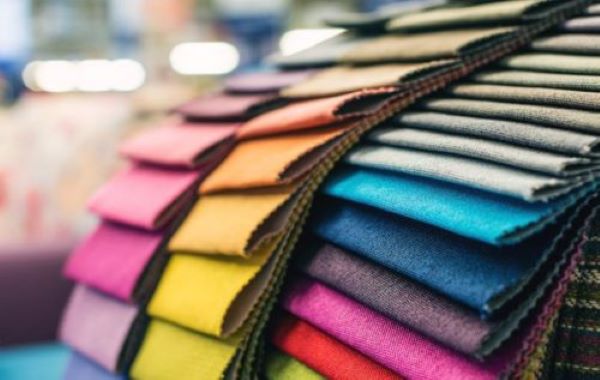
Indonesia, at the last count in 2022, was the world’s 10th largest exporter of textiles. However, the Ministry of Industry’s April stats revealed in March 2023, textile exports rose by 16.87 per cent compared to February 2023. The government-funded Export Task Force is keen to make textiles and footwear exports important sources of revenue and foreign exchange. It is currently taking stock of the current scenario and working towards presenting a list of strategic policies for the Ministry of Industry to collaborate with entrepreneurs and implement.
Pay cuts and illegal imports
The jubilation of March 2023 has a dark side as stated by Directorate General, Chemical, Pharmaceutical and Textile Industry (IKFT) of the Ministry of Industry, Adie Rochmanto Pandiangan, the success could have been a result of reduced operational cost as the government allowed the textile sector to pay 25 per cent less to its workers to gain a globally competitive pricing. Over 3.7 million Indonesians work in this sector and were affected by salary cuts.
The other problem is the ongoing smuggling racket that floods the country with cheap and spurious textiles, adversely affecting domestic consumption of legitimately produced textile. To add to exporter’s woes, a large stock of second-hand and spurious textiles are being repackaged and exported as ‘Made in Indonesia’ apparels. Local government, councilors and the police are frequently busting such operations to curtail smuggling.
Challenges on the ground
According to Jemmy Kartiwa Sastraatmadja, General Chair of the Indonesian Textile Association (API), performance of the textile industry has dropped 30 per cent since September 2022. One of the most significant challenges faced by the Indonesian textile industry is competition from other foreign textile-producing countries such as China, India, and Vietnam. These countries have lower production costs and can produce textile products at a lower price than Indonesia. Indonesia’s textile and apparel export is forecast to decline by 10 percent from $12 billion in 2022 to around $11 billion this year, according to the Indonesian Fiber and Filament Yarn Producers Association or APSyFI. The association attributes exports decline to a 40-50 per cent fall in order value from overseas buyers. Therefore, the increase in March is being being seen as a flash in the pan.
US poses another challenge
Moreover, the current economic woes in the US is proving to be a looming threat as the world’s number one economy is tightening its belt, slashing spending which in turn is reflected in its domestic consumption. The US is the single largest importer of Indonesian textiles by far and the current drop in demand can only sink Indonesia’s textile export dreams. Also, some American importers were duped by spurious textiles and are weary.
Governmental support at its best
The majority of Indonesia’s total textile and garment production is to supply international demand, with 70 per cent of the output being exported. Before Covid-19, Indonesia ranked number six in worldwide textile output, and exports were valued at $13.8 billion in 2019, a significant increase from $10 billion the year before. The industry was heavily affected by the pandemic and textile and textile product exports dropped almost 52 per cent in May 2020 compared to previous year. Nevertheless, strong support and focus from the Indonesian government helped the industry recover. In the country’s development ‘asterplan “Industry 4.0’, the government is aiming to propel Indonesia among the top five textile producers in the world by 2030.











