FW
Bangladesh export outlook positive despite fall of 4 per cent
Bangladesh’s export earnings in December 2022 fell by four per cent year on year compared to December 2021.
Among the reasons for this fall in export earnings are the fall in work orders from global retailers and brands stemming from the Russia-Ukraine war as well as rising inflation. However the industry is bouncing back with high-hopes despite multifaceted global challenges apparel entrepreneurs have upgraded the technology and product quality as well as capacity. Thus, despite Covid and the Russia-Ukraine conflict brands and buyers keep on placing orders with the readymade garment industry.
Bangladesh wants to elevate its share in the global apparel business to ten per cent by 2025 from the current six per cent. The industry is focusing on diversifying markets and apparel products to swell its growth. In July to November of fiscal year 2022-2023, Bangladesh’s apparel exports to non-traditional markets grew by 24 percent.
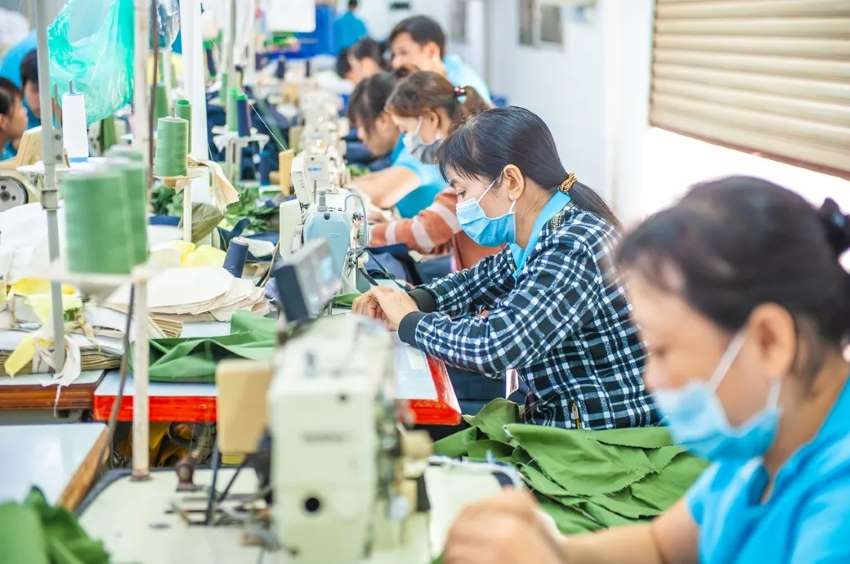
Bangladesh is the second-largest exporter of clothing after China. The country is gaining from its favorable sourcing destination with its high reputation in transparency and circularity i.e. sustainable factories, comparatively low labor cost, smooth supply chain while globally leading fashion retailers are trying to down their apparel sourcing from China. Despite China’s strong performance in 2021, China accounted for only 23 per cent of US apparel imports in 2022, much lower than 36 per cent in 2015.
Indian T&A sector seeks friendly budget and incentives for sustainability, traceability
The Indian textile industry has a long wish list from the upcoming union budget.
Since traceability and sustainability have become critical for exporting textile and apparel products to western markets such as the UK, the EU, and the US, industry sources and various trade organisations have suggested a scheme for promoting traceability and sustainability in the textile value chain.
Since both of them are new concepts and limited technologies are available, the industry is seeking an incentivisation scheme for both producers and exporters who meet the requirement of traceability of the inputs used, especially cotton, and sustainability i.e. who use technologies that require lower consumption of water and electricity, lower discharge of hazardous chemicals, and ensure at least 20 per cent recyclability of materials used.Industry bodies have also suggested prioritisation of the National Textile Fund, which is mooted by the ministry of textiles with an aim to fund investments in technology upgradation and infrastructure development of the textile and clothing industry.
There is also a strong demand for raising allocation of funds ofRs7,700 crores for disbursement under the TUFS subsidy.After a full year of costlier cotton, the industry has made a pitch for support to tackle price fluctuations in the natural fiber.
UK’s biggest fashion retail successes of 2022
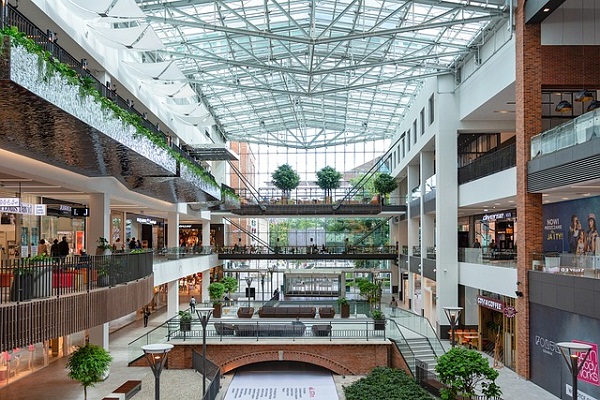
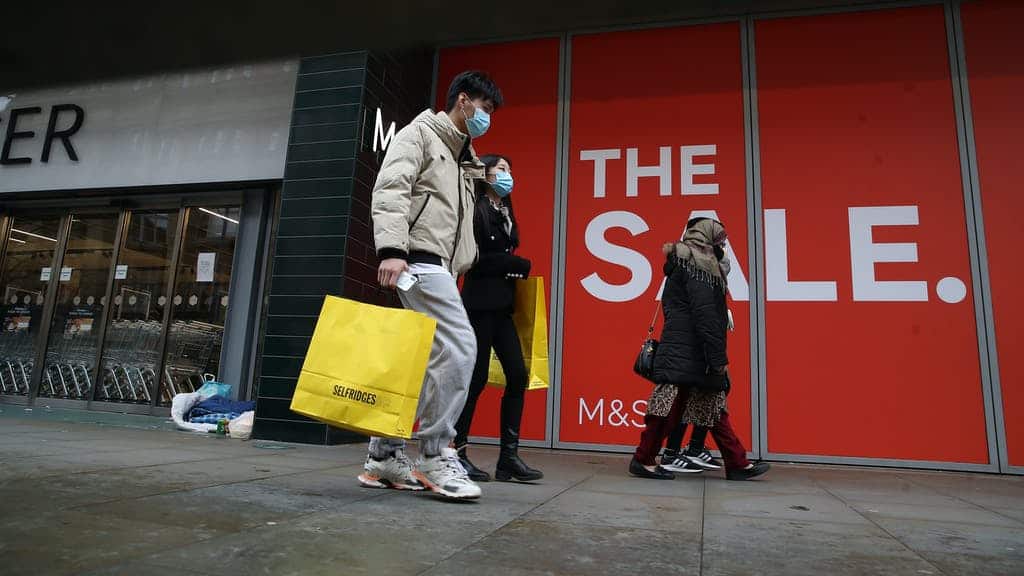
In a market fraught with post-lockdown effects and a serious energy, housing and inflation crises, the Fraser Group, Next, Primark, Marks & Spencer, French Connection among other brands shone like beacons of hope for the whole sector in the UK in 2022. High street brands in the UK proved their resilience and might by taking on the post-pandemic challenge head on and winning. As per Drapersonline, the list of winners is led by the Fraser Group, Primark, Marks & Spencer, French Connection among others too showed the way.
Sales, profits surge for the Fraser Group
Fraser Group’s story is all about growth. The UK-based retailer started in 1982 as a modest one-store operation and today is a multi-brand powerhouse that operates hundreds of stores, employs more than 25,000 people, and runs brick-and-mortar and online operations in 25 countries. In latest fiscal, Frasers’ sales topped £3.6 billion. It expects profits to grow between £450 to £500 million in its current year, and posted a record-breaking year as it recovered from Covid with pre-tax profits rocketing from £8.5 million to £366.1 million despite the significant economic headwinds.
The surge in profits was largely due to the reopening of stores as it was pitched against a Covid-hit period last year. However, new Flannels stores, the continued growth of its premium lifestyle division and continued operating efficiencies also helped to drive up profits. The group believes the strong performance will continue and pre-tax profit will surge to between £450 million and £500 million next year.
Over the full year group sales, excluding recent acquisition Studio Retail Group, rose 30.9 per cent. UK sports retail sales jumped 31.2 per cent while its premium lifestyle division surged 43.6 per cent. Frasers Group’s European business grew 28.4 per cent, largely due to strong growth in Ireland, alongside the weak comparatives.
Much of Frasers’ growth has come from acquiring other brands. Frasers’ portfolio now includes nearly a dozen brands, including Sports Direct, Game and Sofa.com and the group shows no signs of stopping its acquisition spree. Earlier in 2022, online specialist Studio Retail was added to the group’s portfolio. It is believed this addition would empower the group towards greater e-commerce capabilities and open up a whole new customer base. The group also grabbed 15 of JD Sports Fashion’s lifestyle brands which was its biggest buy this year.
Revival of other brands
Iconic and quintessentially British staple brand Marks & Spencer had been lagging for well over a decade, its luster fading with the younger public. So dire was the situation the organisation was downsizing its retail spaces in the UK. Since 2020, under the leadership of clothing and home division’s managing director Richard Price the strategy ‘Never the Same Again’, was implemented to bolster revenues. Major reshuffle in portfolio, strengthening e-commerce capabilities and tie-ups with third parties for clothing, footwear and beauty products gave the ailing brand a shot of rejuvenation. Group revenue in the half-year to October 1, 2022 rose 8.5 per cent year on year to £5.54 billion. Pre-tax profit during the period climbed 11 per cent to £208.5 million.
The revival story of the 50 year old French Connection is similar to that of Marks & Spencer. In 2021 the brand was sold to the MIP Holdings. The holding company reorganized the brands strategy entirely with a wholesale business, accessible pricing, and return of the brand’s international presence, and the revival of the cheeky fcuk logo. This gambit paid off and for the first time over two decades, the retailer returned to profitability in the second half of 2021 and has done exceptionally well in 2022.
Primark, the value retailer brand operating in the UK market recorded total sales growth of 43 per cent year on year to £7.7 million till September. The brand plans to would open 27 new stores globally by September 2023. In November, Primark launched click-and-collect service which saw its overwhelmed when it went live with products from 25 stores out of a total of 154 in the UK and 36 in Ireland.
Luxury fashion segment wary of hyperinflation in local markets in 2023
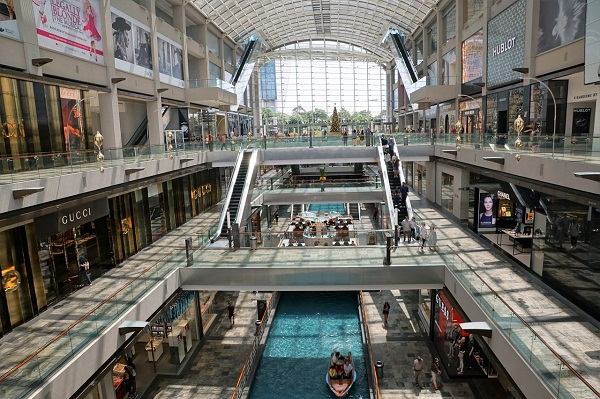
The pandemic has hit the hardest blow to the luxury fashion segment of the apparel industry. Inflation has led to a sharp rise in costs of fibres and technology leading to a massive gap in demand and supply levels. Suppliers of many premium brands have resorted to new business models or sourcing bases from other countries as they try to be accountable for changes in the supply chains.
Inflation a cause of worry
Still dealing with a stock overhang and reduced orders after Covid, it seems lower order volumes will continue to be an issue in 2023 and in the near term. High energy prices, triggered by the Ukraine-Russia war and global logistical disruptions after Covid have been digging deep into the pockets of European fashion apparel customers. While inflation grown ever since the pandemic subsided, Eurostat reported its highest levels in June 2022, when it stood at 8.6 per cent annual rate.
Most global brands are worried about hyperinflation which will lead to rapid and excessive price increases in local markets. Suppliers are already working on tight profit margins and higher costs could ruin the market for both consumers and the sellers. Rising costs of raw materials and energy will only have to be pushed onto the clients.
“We are going into 2023 with expenses increasing for everything. Prices that were agreed at the start of a project six months ago, for example, are being increased due to the rise in overall costs, such as electricity,” says Samuele Shalloufeh, Founder and CEO of Italian-based sourcing agency Benario Consulting, which works with suppliers and manufacturers based in Italy, Europe and the US for large global luxury brands.
Premium segment still absorbing high supplier costing
Fashion suppliers are now focussing on prioritising vertical integration, strengthening relationships with brands and diversifying and simplifying their supply chains to face the new economic situation. Most luxury brand groups such as LVMH, Kering and Chanel are more easily able to absorb increasing costs due to lower sales as they keep revising upwards the price of their most iconic products often during the year. Premium consumers globally have not experienced a huge drop in living standards during or after the pandemic as they have simply re-juggled some other non-essential expenses such as travel, hobbies and other experiential expenditure
“No one could have foreseen this disruption, but now we know the risks we face, and our key lesson has been to build our business in such a way that we can manage this risk effectively. The political and economic turbulence taking place globally makes 2023 a tough year to predict. One challenge we do see is softening market conditions due to brands and retailers having large amounts of stock on their hands, which leads to fewer order volumes coming in. This is likely to continue in the first half of 2023,” says Suren Fernando, CEO of MAS Holdings, South Asia’s largest apparel manufacturer supplying global brands such as Victoria’s Secret, Calvin Klein and Tommy Hilfiger, told Vogue Business.
Experts feel that the global luxury goods prices increased by 15% between January 2021 and January 2022 and although this is not such a problem for labels at the very top end of the spectrum which continue to raise their prices it is indeed a threat for other brands with a more affordable positioning. A closer partnership, better understanding, and greater communication between brands and suppliers are even more important now as we start the new year with a Damocles sword of rising costs and inflation hanging over our heads. Collaborative communication and planning the tipping point when brands begin to push back as well as improving the supply-demand chain is the key for luxury brands this summer of 2023.
Tirupur rejects abuse charges
Workers in Tirupur’s garment units are well taken care of. So says Tirupur Exporters Association (TEA). It says allegations that a garment unit did not allow workers from Jharkhand to go on leave and delayed their wages have been found after investigations to be untrue.
The association says garment units in the textile town adhere to all labor laws, particularly regarding the welfare of the workers, and that they are always proactive in taking steps to improve the conditions of workers. TEA says Tirupur exporting units protected their employees during Covid lockdowns and that workers were provided good care in the units, which arranged air, train and bus tickets as well as vans for them to reach their destinations safely.
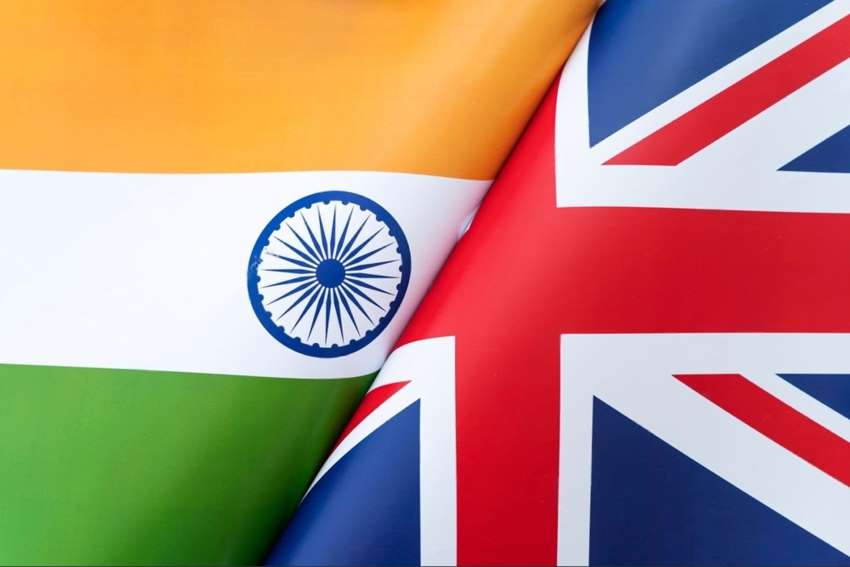
Apart from Jharkhand, exporting units in Tirupur hire workers from Orissa, Bihar and UP. Meanwhile garment exporters in Tirupur are hopeful of bagging more orders in 2023. They expect a 30 per cent growth in orders once the trade agreement between India and the UK is signed.This is expected to bring orders to knitwear exporters all through the year. Tirupur’s exports of knitwear and garments to the United Kingdom are growing by 20 per cent year on year.
Pure London to provide exhibitors with trading tips
Pure London will provide international exhibitors with invaluable trading advice on showing and selling in the UK post-Brexit.
Exhibitors will be provided tips on getting goods to a UK exhibition, with the changes made to the process since leaving the EU, key information to know and use when completing the documentation when sending goods across the UK border, and what to consider during and post show.
Pure London is a trade show for women’s wear, accessories, jewellery, and footwear which will take place in the UK, February 12 to 14, 2023.This edition will champion sustainability and will showcase a carefully curated selection of conscious exhibitors leading the way in addressing their environmental and social impact.
The new Purely Sustainable destination will continue to raise the profile of ethical and sustainable fashion across the entire event, helping lower the industry’s carbon footprint and invest in a better future. Showcasing sustainable brands and ethical designers with a story to tell, it has been launched to help the fashion community navigate this growing priority, push for progress, and support the industry in its sustainability journey.
In 2018 Pure London launched Power of One, an initiative designed to empower retailers and suppliers to take small steps towards changing the impact of fashion.
Mango sourcing from over 250 Indian suppliers
Mango works with some 260 Indian factories. At the close of 2022, the company had 2,400 factories throughout the world. Turkey is the country with the largest number of factories working for Mango followed by China and India. Spain and Italy occupy the fourth and fifth positions.
Europe’s leading fashion group has become the first major fashion company in Spain to publish the list of its Tier III factories, related suppliers of fabrics and fittings after also being the first to publish a list of its Tier I and Tier II factories last year, related to manufacturing, finishing and processes respectively. This move is part of the company’s commitment to people and its new sustainability strategy called Sustainable Vision 2030, which aims to move towards full traceability and transparency of its value chain, in order to continue with the process of auditing its suppliers and ensuring that appropriate working conditions are being fulfilled for the workers in factories the company works with around the world.
In the coming years, the company plans to implement numerous training projects principally focused on providing children and women access to education in countries such as Bangladesh, India and Pakistan, so that these become a lever of change for societies.
India: New PLI scheme may have relaxed rules
The second edition of the production linked incentive (PLI) scheme for textiles may allow some relaxations on the mandatory requirement for applicants to form a new company for production.
The PLI scheme for textiles was introduced in 2021 with an outlay of Rs10,683 crores to promote the production of manmade fiber fabrics and apparels as well as technical textiles. Of the total 67 applications received under the first edition of the scheme, 64 applicants were selected, and letters of approval were sent to 55 selected participants till October 2022. Investments of over Rs1,536 crores have already been made.
While for the first edition of the PLI scheme, the minimum investment requirement andthe turnover requirement was high, these are likely to be brought down considerably for the second edition of the scheme.The minimum investment requirement for getting various levels of incentives is likely to be much lower in the second edition of the PLI scheme. The second edition of the scheme is likely to be available for cotton items as well and not just be restricted to manmade fiber and technical textiles.
However, the incentives offered under the second edition are also likely to be lower than under the first edition.
CHIC and concurrent Chinese trade fairs revise dates
Major textile and clothing fairs in China are postponing their March 2023 editions. The Chic clothing trade fair and the Intertextile fabric event, initially scheduled from March 8 to 10, 2023, will instead be held from March 28 to 30, 2023.
This postponement is expected to give local and foreign exhibitors and visitors enough time to plan their trade fairs and take advantage of the many international business opportunities offered by the reopening of the Chinese border. From January 8, 2023, foreign travellers will no longer face the series of tests and quarantines previously in place when entering China, in line with the zero Covid strategy.
The announcement of this postponement comes at a time when many countries are introducing health restrictions on travellers from China. The country has been experiencing a new wave of infections since December last year. The United States, Canada, Australia, Japan, France, Italy and Spain are demanding negative tests before departure. And the European Union could take measures at the continental level.The health situation led major Chinese trade fairs to postpone several times and cancel their various seasonal events, against the backdrop of the contraction of manufacturing activity, which lasted until December 2022.
Chemicals detected in Shein clothing, says Greenpeace
Chinese fashion brand Shein’s products are health hazards and contain chemicals. So says Greenpeace.
Out of 47 Shein products 15 were found to contain hazardous chemicals. Five of the products violate EU laws and a vast majority of the products contain chemical levels high enough to be of causes of concern.
Not surprisingly it is the workers at Shein’s suppliers, people of the neighboring societies and the Chinese environment that carry the majority of Shein’s dangerous chemical addiction.
Shein was founded in China in 2008 and utilizes TikTok to gain popularity by letting influencers promote its clothing collections. Shein is to be found in many countries around the world from Thailand, Singapore and Vietnam to Sweden, Finland and Denmark. Also, Shein’s ultra-fast fashion business model catering to young people perpetuates the extremely rapid trend cycles of cloth production and overconsumption.
Shein has become extremely popular and has grown exponentially by offering thousands of new designs every day for young people and children via social media. Shein is upgrading hundreds of factories in its supply chain. Shein is the most searched fashion brand globally, topping searches across 113 countries, and is the largest online-only retailer in the world, producing between 35,000 and 1,00,000 new garments a day.