FW
Archroma's sustainable black denim
Textil Santanderina, renowned for quality fabrics and traceability, unveiled the Advanced Black denim collection in partnership with Archroma, a global leader in sustainable chemicals.
This collection features Archroma's DIRESUL EVOLUTION BLACK LIQ dyestuff, delivering authentic black denim with outstanding sustainability. It reduces overall impact by 57% compared to standard Sulfur Black 1 liquid, minimizing harm to people and the environment.
The innovation eliminates ammonia and sodium salts waste while reducing water consumption by 73%. When used with the Archroma coloration system, it yields a unique black shade and wash-down effect with cleaner effluent.
Umberto De Vita, Director at Archroma, said, "DIRESUL EVOLUTION BLACK LIQ redefines denim's future for brands like Textil Santanderina."
Textil Santanderina's Fashion General Manager, Sr Ramón Ríos Quintana, added, "Our collaboration with Archroma ensures outstanding resource savings and innovative denim looks."
This collaboration follows their successful aniline-free indigo denim collection, showcasing their commitment to sustainable fashion.
Archroma has been at the forefront of sulfur dye evolution, from low-sulfide DIRESUL RDT to eco-advanced EarthColors and FiberColors ranges, now culminating in DIRESUL EVOLUTION BLACK LIQ manufactured in Spain near Barcelona.
The sustainability of this innovation is verified by Ecoterrae, a leading Spanish sustainability consulting firm.
Yarn Expo Autum 2023: Global textile industry at a crossroads
The global textile industry is facing a complex and evolving landscape, as industry leaders share their insights and concerns. Deepak Gupta, Head of New Product Development at Aditya Birla Yarn (ABY) in Jakarta, Indonesia, expressed the challenges faced by the company, stating, "Despite very low demand, we are working close to 90% of our capacities, and hence there is huge pressure on margins, and we are also building our inventories." This emphasizes the strain on textile businesses as they navigate turbulent waters.
Tapan Sannigrahi, VP Marketing & Downstream Development at APR (Sateheri), Jakarta, Indonesia, highlighted the global slowdown, he added, "the spinners are working under capacities," implying that while the market is challenging; however, it's not as dire as some may have anticipated.
Anil Tibrewal, CMO of Spun Yarns at PT Indo-Rama Synthetics Tbk, pointed out the contradiction of increased cotton futures despite the low demand and the substantial idle capacity in the spinning sector world over, with approximately 25 million spindles lying dormant. He warned that when this idle capacity starts getting utilized, cotton prices could rise further, calling for the market to brace itself for higher prices.
China, the largest producer of polyester, faces its own challenges with abundant capacities. Additionally, the Indian spinning sector has witnessed significant expansions, which Yatish Pandey, CMD of Texperts, finds surprising, given the low domestic demands and exports due to high cotton costs. However, Pandey also sees a silver lining for Indian spinners, suggesting that they may play a more prominent role in the cotton yarn sector, considering the changing dynamics in China. He highlighted the need for upgrading technology, as outdated methods could hinder progress.
The Yarn Expo Autumn 2023 event, Asia's largest yarn and fibre trade platform, offered a glimpse into the industry's future trends and potential growth areas. It featured over 500 exhibitors from various countries, showcasing innovative yarn and fibre products, eco-friendly cotton, and green products across multiple zones. Notably, the event highlighted the significance of technology upgrades and international collaboration to navigate the challenges facing the textile industry.
Yarn Expo Autumn was held in conjunction with Intertextile Shanghai Apparel Fabrics – Autumn Edition, CHIC, and PH Value, creating a platform where various sectors of the textile and fashion industries converged, fostering opportunities for exhibitors and buyers alike.
Techtextil India 2023: Textile innovation unveiled in Mumbai
Techtextil India 2023, inaugurated today at the Jio World Convention Centre in Mumbai, marks a significant milestone in the textile industry. With over 160 industry players showcasing more than 200 brands, the event is a bustling hub of innovation and technological solutions. This edition of Techtextil India holds immense promise, driven by ongoing research and development efforts, government initiatives, and the growth of various industries within India.
Darshana Jardosh, Minister of State for Railways and Textiles, emphasized the need for India to shift towards self-reliance in high-performance fibers and innovation. She hailed platforms like Techtextil India for contributing to industry growth by presenting global and domestic trends, products, and innovations under one roof.
The event's inauguration featured key dignitaries, including government officials and industry leaders. Techtextil India 2023 boasts a diverse range of exhibitors, showcasing machinery, equipment, fibers, non-wovens, filtration, and more. The presence of both Indian and international companies, including Arvind Limited, Reliance, and Karl Mayer, highlights the event's global significance.
Raj Manek, Executive Director of Messe Frankfurt Asia Holdings Ltd, expressed optimism about the event's potential to catalyze industry growth and praised the Ministry of Textiles for its unwavering support.
The Techtextil Symposium, featuring discussions on geotextiles and India's infrastructure, promises to enrich industry knowledge. Additionally, the concurrent MEDITEX TM conference will explore opportunities in medical textiles.
Supported by various government bodies and industry associations, including the Ministry of Textiles and the Indian Technical Textile Association, Techtextil India reaffirms its role as a platform for fostering industry growth, enhancing trade relations, and positioning India as a global leader in the technical textile market.
“China not into recession, but growth trajectory tapering off”, says regional director, Holland & Sherry

In a recent interview with Joshua Lane, Regional Director - Asia at Holland & Sherry, crucial insights into the Asian textile industry emerged. This conversation provides a unique perspective on how the textile sector has been navigating the challenges brought about by the COVID-19 pandemic and the subsequent changes in market dynamics. The interview also touched on the company's global performance, with Lane highlighting that despite COVID disruptions, they had been experiencing consistent growth over the past seven years.
Lane mentioned about his return to Intertextile Shanghai Apparel Fabrics post-COVID, emphasizing the collective sentiment of reconnecting with the sector. He talked about Holland & Sherry's history of participation in such exhibitions and the recognition they received, including a lifetime achievement award. The event, Lane acknowledged provided a valuable opportunity to assess market conditions, observe competitors, and gauge the recovery of the Chinese economy in the textile sector.
Lane shared his perspective on the evolving dynamics of the textile industry in Asia, particularly in China. Lane explained that while 2020 was initially challenging due to the pandemic, China's quick recovery helped stabilize the situation. The subsequent years, 2021 and 2022, witnessed shifts in global textile trends, with China facing challenges as other regions saw resurgences in demand. Importantly, he mentioned the concept of "revenge spending" in 2020, characterized by pent-up consumer demand, which ultimately proved unsustainable.
Lane highlighted that 2023 has been marked by a more subdued global textile market, with China experiencing a similar slowdown. Despite this, he stressed that China's textile industry had not entered a recession but was gradually tapering off its growth trajectory. He emphasized that, for the textile sector, the trend was still upward, with a growing demand for custom-made clothing from reputable European brands.
Lane expressed optimism regarding Holland & Sherry's position in the Chinese market, pointing out that they had not fully explored its potential. He mentioned new partnerships and strategies, indicating the company's commitment to growth in China. He concluded by reflecting on the resilience of Holland & Sherry as a 187-year-old brand, is committed to producing top-quality fabrics has made it a prominent name in the industry. Holland & Sherry has a global presence, serving various markets and partnering with distributors to reach a diverse clientele. Lane emphasized the importance of brand equity and their commitment to maintaining a strong presence in the market.
Alexander McQueen & Sarah Burton part ways after 2 decades
After two decades of collaboration, Alexander McQueen and Creative Director Sarah Burton are parting ways. Their successful partnership will conclude with the Spring-Summer '24 fashion show in Paris this September. Burton assumed the role of Creative Director in May 2010, following her 14-year stint working alongside Lee Alexander McQueen. Her tenure witnessed the House's remarkable ascent in the fashion world, thanks to her exceptional vision and creativity.
Gianfilippo Testa, CEO of Alexander McQueen, expressed immense gratitude for Sarah's 26 years of contribution, leaving an indelible mark on the brand. François-Henri Pinault, Chairman & CEO of Kering, personally thanked her for her instrumental role in both Lee Alexander McQueen's success and her creative direction since 2010. Burton herself acknowledged her pride in her work and her incredible team at Alexander McQueen, thanking those who believed in her, especially Lee Alexander McQueen.
As Sarah Burton embarks on her next chapter, a new creative direction for the House will soon be unveiled.
42nd HKTDC Hong Kong Watch & Clock Fair and 11th Salon de TE Conclude Successfully
The 42nd HKTDC Hong Kong Watch & Clock Fair and 11th Salon de TE concluded successfully yesterday, with nearly 15,000 buyers from 95 countries and regions attending the four-day physical fairs.
The event was held under the EXHIBITION+ hybrid model, which also included an online exhibition that will continue until 16 September.
The fairs were well-received by exhibitors and buyers alike. Many exhibitors reported receiving orders on the spot, and buyers were impressed by the wide range of products on display. The debut "Guo Chao" theme, which showcased timepieces that blend Chinese cultural elements with exquisite craftsmanship, was also a major draw.
In addition to the physical fairs, the HKTDC also conducted an on-site survey of exhibitors and buyers to gauge industry trends for next year.
The survey found that nearly 60% of respondents expect overall sales to grow in the next two years, with South Korea, Australia & Pacific Islands, North America and Japan being seen as the most promising markets. Smartwatches were also expected to remain the most popular watch category, followed by mechanical watches and automatic watches.
The HKTDC's Click2Match service was also well-received, with many exhibitors and buyers reporting that it had helped them to connect with potential business partners. The new Scan2Match function was also praised for its convenience, allowing buyers to bookmark exhibitors, browse product information and make enquiries even after the physical fair has ended.
The 42nd HKTDC Hong Kong Watch & Clock Fair and 11th Salon de TE were a great success, and they helped to showcase the latest trends in the watch and clock industry. The event also provided a valuable platform for exhibitors and buyers to connect and do business.
CENTRESTAGE 2023: Asia's Premier Fashion Event Attracted Over 7,700 Buyers
The three-day exhibition brought together more than 240 fashion brands from 19 countries and regions, showcasing a wide range of products from ready-to-wear to accessories.
The event was well-received by both exhibitors and buyers. Many exhibitors said that they were able to meet new buyers and generate leads, while buyers said that they were impressed by the quality and variety of products on display.
The survey also revealed that the fashion industry is increasingly focused on sustainability. About 74% of respondents agreed that sustainable fashion would be prevalent in the industry this year.
Key Takeaways:
• The event attracted over 7,700 buyers from 78 countries and regions, making it a major international platform for promoting and launching fashion brands.
• The survey revealed that the fashion industry is increasingly focused on sustainability, with 74% of respondents agreeing that sustainable fashion would be prevalent in the industry this year.
• The event featured a wide range of products from ready-to-wear to accessories, showcasing the latest trends in fashion.
• The event was well-received by both exhibitors and buyers, who said that they were able to meet new contacts and generate leads.
Overall:
CENTRESTAGE 2023 was a successful event that showcased the best of Asia's fashion industry. It was a valuable platform for businesses to connect and grow, and it highlighted the importance of sustainability in the fashion industry.
Extreme heat and flooding could cost apparel industry heavy
A new report by Cornell University's Global Labor Institute and Schroders reveals that extreme heat and flooding are threatening the growth of the apparel industry. The research finds that these climate risks could result in significant disruption days and production losses, slowing down the industry's growth and putting $65 billion worth of apparel exports at risk - equivalent to a 22% decline - between now and 2030 for four countries (Bangladesh, Cambodia, Pakistan and Vietnam).
It also shows that heat and flooding will result in nearly 1 million fewer jobs created, due to slower growth from lost production.
The report also finds that heat and flooding risks are a widespread issue and not limited to the four countries mentioned above. Researchers analyzed the climate-vulnerability of 32 apparel production hubs and found that exposure to these risks is widespread. Specifically, Colombo, Managua, Chittagong, Port Louis (Mauritius), Yangon, Delhi, Bangkok and the Donguuan-Guangdong-Shenzen regions of China all stood out for their vulnerability.
In addition to the economic impacts, the report also highlights the human cost of climate change for apparel workers. Heat and flooding can have a serious impact on worker health and safety, leading to illnesses, injuries and lost wages.
The report calls for brands, investors and regulators to take action to address these risks, including supporting adaptation measures, developing regulations that include standards and protocols for heat and flooding, and ensuring that social protection systems are in place for workers.
The report's findings are a wake-up call for the apparel industry. Climate change is a real and present danger, and the industry must take steps to mitigate its risks. By taking action now, the industry can protect its workers, its profits, and its future.
Nike faces heat over unpaid wages: $2.2M in limbo
Nike is under intense scrutiny ahead of its upcoming online AGM on September 12. The company is facing mounting pressure for its refusal to pay over $2.2 million in unpaid wages and benefits to more than 4,000 garment workers since 2020. This stance has drawn unprecedented concern from investors, human rights groups, unions, and consumers. Nike's reputation on human rights has taken a severe hit as it fails to ensure basic rights for women workers in its supply chain, contradicting its own commitments and code of conduct.
In Cambodia, 1,284 workers at the Ramatex-owned Violet Apparel factory were laid off without receiving $1.4 million in legally owed benefits when the factory closed in July 2020. Astonishingly, Nike denies any connection to the factory, despite clear evidence. Similarly, over 3,000 Burmese migrant workers in Thailand were denied pandemic furlough pay totaling over $800,000, with pregnant workers suffering the most.
More than 50 human rights organizations and unions worldwide, including Human Rights Watch and Oxfam, have called on Nike to address these violations. Despite years of engagement, Nike defends its rights-abusing suppliers.
Violet Apparel workers have urged Nike's Thasunda Brown Duckett to use her position to seek justice, and major investors are now demanding Nike pay the owed $2.2 million. The situation remains dire for these workers and their families, emphasizing the urgency for Nike to act.
Intertextile Shanghai 2023 provided opportunities for growth while challenges exist
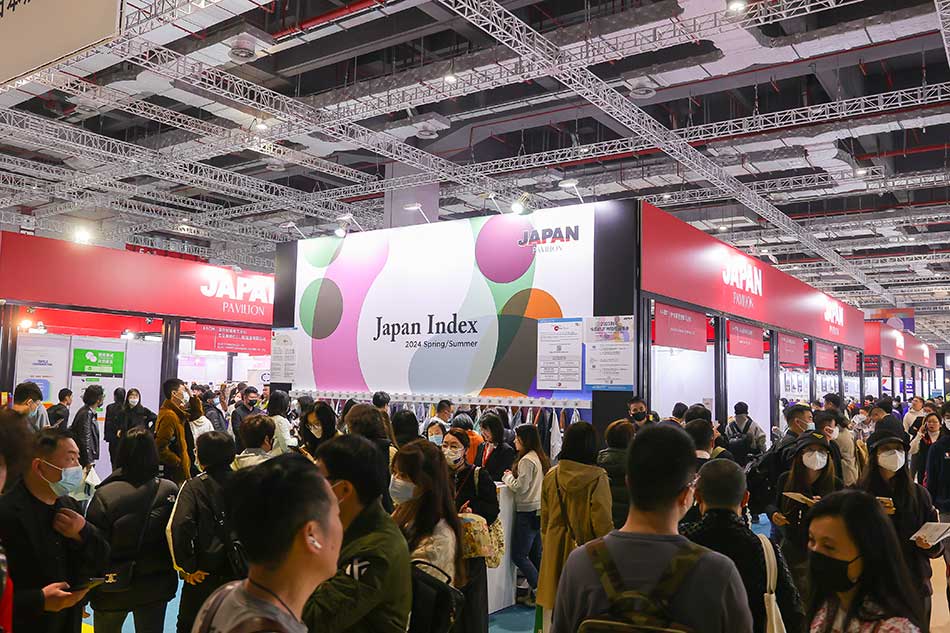
The Intertextile Shanghai Apparel Fabrics event of August 2023 provided a comprehensive snapshot of the textile industry's current state, with a particular focus on China. The event demonstrated that while challenges exist, opportunities for growth, sustainability, and innovation continue to shape the industry's future. As the textile landscape evolves, adapting to changing consumer demands and embracing technological advancements will be key for businesses to thrive in this dynamic environment. The world of fashion and textiles is undergoing a dynamic transformation, with the global backdrop of economic uncertainty due to the COVID-19 pandemic, attendees were keen to analyze market conditions, particularly in China, which has traditionally played a pivotal role in the textile industry. Here are the key takeaways from the event:
Mixed fortunes in the textile industry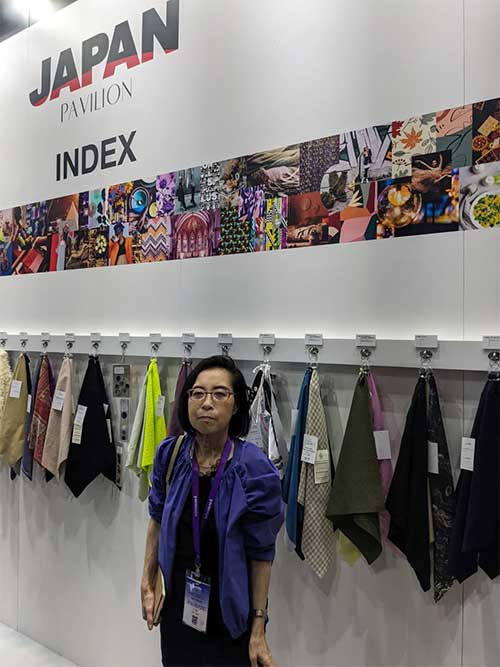
While the textile industry in China and some neighboring countries has witnessed significant changes, it is essential to recognize that the fortunes of textile businesses vary. Yuko Watanabe, Director of International Communication at Japan Fashion Week Organisation, pointed out that participation in the Japanese pavilion was lower compared to pre-COVID times, indicating a challenging environment for Japanese fashion in China.
Kim Bu-Heung, General Director of Korea Textile Center, noted that China had been a significant investment destination for Korean enterprises. However, the current low demand in China has translated into reduced exports and investment returns. This underscores the shift in China's textile landscape and its impact on neighboring countries.
On a more optimistic note, Jane Fang, from the Market Development Department at Taiwan Textile Federation, expressed satisfaction with the Intertextile Shanghai Apparel Fabrics event. Taiwan is recognized for its pioneering work in performance and functional textiles.
Gulshan Arora, VP of Material Development for Lululemon based in Taiwan, attested to the remarkable growth of the Chinese market, emphasizing their billion-dollar business and a robust presence with over 100 stores in China.
Premium market exhibitors thrive in China
Alessandro Barber’s Canonico, President of Milano Unica and head of the Vitale Barberis Canonico fabric brand, and Director of Asia Marketing, Holland & Sherry echoed positive sentiments about the Chinese market. They reported continued growth and indicated that domestic demand for their premium products remained strong, despite challenges posed by the pandemic.
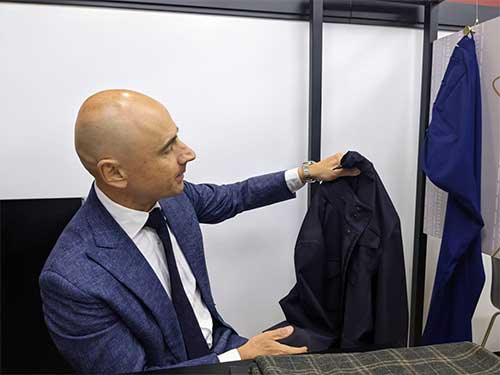
 However, a notable exception was the Japanese market, which remains saturated for Holland & Sherry, with little room for growth. Additionally, the Hong Kong market faced difficulties, with disruptions in custom tailoring businesses.
Exhibitors highlight quality and diversity of buyers
One consistent theme among exhibitors was their appreciation for the quality and diversity of buyers at Intertextile Shanghai Apparel Fabrics. Rinoa Zong, Marketing Manager at Testex (Shanghai) Textile Testing Co Ltd, praised the organizers for gathering professional, high-quality buyers. She emphasized the increasing demand for transparency and sustainability in textiles, reflecting a broader industry trend.
Sustainability takes centerstage
Sustainability emerged as a dominant theme at the event. Luka Yuan, Brand Sales & Marketing Director at Unifi Textiles (Suzhou) Co Ltd, showcased the company's recycled brand REPREVE and other sustainable innovations.
Buyers like Gulshan Kumar from Taiwan, Lululemon, expressed their focus on sustainable products, including those derived from ocean plastic and recycled textile waste.
Global participation and innovation
The event's global appeal was evident, with exhibitors from Italy, Korea, Japan, and other countries showcasing their innovative products. Buyers from various regions, including Southeast Asia, the Middle East, Europe, and Africa, explored the offerings, reflecting the event's international influence.
AI and Design Trends
In addition to sustainability, AI and design trends were on full display. Cai Jiawei, Senior Consultant at POP Fashion, highlighted the role of AI in fashion design. He emphasized the importance of combining technology with human expertise to drive the fashion industry forward.
Fringe participants driving innovation
Fringe participants, such as AiDLab and Peclers Paris, showcased how they are contributing to industry innovation. AiDLab attracted attention with AI applications for fashion design and fabric inspection, while Peclers Paris presented a sustainable approach to design inspired by nature.