FW
Burkina Faso to boost cottonseed production by 55% in 2024-25
For the 2024-25 season, the government of Burkina Faso aims to boost cottonseed production by 55 per cent to 598,250 tons from the previous year's yield of 383,144 tons. The breakdown of this target includes 595,000 tons of conventional cottonseed and 3,250 tons of organic cotton.
Burkina Faso, alongside Mali and Benin, plays a pivotal role in West Africa's cotton production landscape. After experiencing a tepid 2023/2024 season, the Burkinabe authorities are optimistic about a resurgence in the cotton sector for the forthcoming season.
Several factors underpin these optimistic projections, one of which is the anticipated expansion in the area of land dedicated to cotton cultivation. Authorities estimate that the cultivated land will grow to 706,500 hectare, a notable rise from the 535,304 hectare recorded the previous year.
Serge Poda, Minister, Industrial Development, Trade, Handicrafts, and Small and Medium Enterprises, highlights a notable improvement in cottonseed yields per hectare during the 2023/2024 season. There is roughly a 25 per cent improvement in conventional cottonseed yields per hectare, reaching 827 kg per hectare, Poda states. This yield enhancement is expected to continue into the next season, further cotton production further.
To support this ambitious production goal, the Burkinabe government plans to allocate CFA11 billion (approximately $18.2 million) to subsidise the purchase of agricultural inputs. This financial support is designed to provide substantial assistance to farmers, ensuring they have the necessary resources to optimise their yields.
Cotton cultivation in Burkina Faso is predominantly concentrated in the Hauts-Bassins and Cascades regions, areas that have historically been the backbone of the country's cotton industry. The government's strategic investments and targeted support are expected to invigorate these regions, driving the overall growth of the cotton sector and enhancing the livelihoods of the farmers involved.
More than just fashion retail, brands focus on new technologies
Increasingly evolving beyond their traditional role as clothing retailers, fashion brands are now focusing on technology. For instance, Shein’s innovative approach to clothing accessibility is reshaping industry norms, compelling other brands to adapt.
Many fashion companies are expanding their core propositions by investing in their supply chains. Several brands have become shareholders in recycling technology firms like Renewcell and Infinited Fibre Company, signaling a shift towards sustainability.
Alongwith Vargas Holding, H&M Group has launched Syre, a venture aimed at scaling textile-to-textile recycling of polyester, backed by TPG Rise Climate. This initiative is part of H&M’s strategy to future-proof its operations, with a $600 million offtake agreement to secure recycled polyester, moving away from virgin polyester. This investment could lead H&M to become a supplier of recycled materials to other brands, leveraging vertical supply chain integration for a powerful market position.
Similarly, Lululemon has partnered with Australian startup Samsara Eco to develop infinitely recycled nylon 6,6 and polyester. Given that nylon and polyester comprise about 60 per cent of today’s clothing, this collaboration could significantly impact plastic pollution and carbon emissions. Lululemon’s investment positions it as a leader in sustainability, while generating positive PR.
Spanish fast fashion group, Inditex also emphasises innovation through its partnership with chemicals giant BASF. They’ve created Loopamid, a nylon 6 made entirely from waste nylon, with plans to scale this technology further. Inditex's earlier deal with Infinited Fiber Company to purchase Infinna, a fiber from textile waste, underscores its commitment to strategic collaborations and vertical integration.
Beyond recycling, brands are investing in other non-core areas like carbon removal and renewable energy. H&M’s multi-year carbon removal agreement with Climeworks supports CO2 capture and helps meet emission reduction targets. In 2023, Bestseller and H&M Group invested in Bangladesh’s first utility-scale offshore wind project, aiming to boost renewable energy availability in a key manufacturing hub.
Largely feasible for large multinationals, these investments serve to future-proof operations against supply chain volatility and climate-related regulatory scrutiny. Smaller and medium-sized fashion brands may struggle to afford such investments, potentially leaving them vulnerable in an industry where size and scale are increasingly crucial.
Mostafiz Uddin, Managing Director, Denim Expert and Founder CEO of Bangladesh Denim Expo and Bangladesh Apparel Exchange (BAE), highlights these trends, noting the importance of strategic investment in ensuring long-term sustainability and competitiveness in the fashion industry.
Under Armor approves $70 million restructuring plan to boost operational efficiency
In response to the brand’s Q4 FY24 financial results, US-based sportswear brand Under Armors has approved a restructuring plan to enhance the company's financial and operational efficiency. This plan is expected to incur total estimated pre-tax restructuring and related charges of approximately $70 - $90 million, including up to $50 million in cash-related charges.
The plan also anticipates up to $40 million in non-cash charges, comprising approximately $7 million in employee severance and benefits costs, and $33 million in facility, software, and other asset-related charges and impairments.
The revenues of US-based sportswear brand Under Armor declined by 5 per cent in Q4 FY24, resulting in sales worth $1.3 billion. For the full year 2024, the brand’s revenue decreased by 3 per cent to $5.7 billion. Revenues in North America fell by 8 per cent to $3.5 billion, while international revenues increased by 8 per cent to $2.2 billion. Within the international segment, revenues in the EMEA region grew by 9 per cent, in Asia-Pacific by 6 per cent and in Latin America by 8 per cent.
The company's net income for the year increased by 8 per cent to $232 million compared to the previous year. Excluding a $50 million earn-out benefit from the sale of the MyFitnessPal platform, adjusted operating income was $310 million.
Kevin Plank, CEO and President, Under Armor, explains, while these actions will pressure the company's top and bottom lines in the near term, there is a significant opportunity to strengthen Under Armor's brand over the next 18 months by focusing on core fundamentals such as product improvement, simplified operations, and enhanced consumer experience.
Plank also highlights the importance of cost management and strategic implementation to grow the brand and improve shareholder value, without specifying details about potential job cuts.
Looking ahead to fiscal 2025, Under Armor expects revenues to decline at a low-double-digit percentage rate, including a projected 15 per cent to 17 per cent decline in North America as the company resets its business following years of high promotional activities, especially in its direct-to-consumer segment. The international business is expected to see a low-single-digit percentage decline to protect the brand’s strength. The gross margin is expected to improve by 75 to 100 basis points compared to the previous year.
Better Cotton Conference tackles sustainability in Istanbul
The Better Cotton Initiative will hold its annual conference in Istanbul, Turkiye on June 26-27. The event, themed "Accelerating Impact," will bring together industry leaders to discuss critical issues in sustainable cotton production.
Over 200 stakeholders from across the supply chain will participate in-person and online. The conference focuses on four key areas:
Putting People First: This theme explores social aspects like fair wages for farmers and the role of producer organizations in supporting sustainable livelihoods.
Driving Change at Field Level: Discussions will delve into women's empowerment, financing for farmers, regenerative agriculture, and collaboration across sectors. A session on carbon markets will debate their effectiveness for smallholder cotton farmers.
Understanding Policy & Industry Trends: This theme focuses on navigating the evolving legal landscape impacting fashion and textiles. Panels will discuss preparing for new regulations and how performance claims can support sustainability goals.
Reporting on Data & Traceability: This final theme highlights the importance of data in driving progress. Better Cotton will share insights from its 2023 India Impact Report and updates on traceability.
Representatives from Better Cotton Farmers and organizations like Marks & Spencer, WWF, and World Agroforestry will participate, offering their expertise.
The Istanbul conference aims to accelerate progress towards a more sustainable cotton future.
Kraig Biocraft Labs boosts spider silk output after trials
Kraig Biocraft Labs announced positive results from their spring spider silk production trials. By analyzing these trials, the company identified key factors that led to exceptional results.
Kraig Labs believes these advancements will allow them to achieve their goal of metric ton-level spider silk production in 2024.
The improvements span five areas: silkworm genetics, feeding cycles, feedstock selection, facility layout, and staffing procedures. These resulted in the company's strongest and most productive silkworms to date.
While details remain proprietary, the advancements broadly involve silkworm nutrition, climate control, genetics, staffing techniques, and rearing environments.
Kraig Biocraft Labs CEO Kim Thompson hailed the spring trials as a game-changer, positioning the company for a rapid production scale-up to meet surging spider silk demand.
These advancements will expedite the launch of larger-scale operations and the next generation of spider silk hybrids, the BAM-1, nearly a month ahead of schedule. Kraig Labs will keep shareholders informed as production expands.
AAFA slams continued tariffs on apparel and footwear, citing burden on consumers and businesses
China “cheats” and “we won’t let it flood our market,” said US president Joe Biden on May 14, to justify quadrupling customs duties on Chinese electric vehicles, imposed alongside tariff rises on other goods. Among them, a wide range of textile and apparel products, a cause of concern for the American Apparel & Footwear Association (AAFA)
However, now the American Apparel & Footwear Association (AAFA) has launched a fresh offensive against the continued imposition of tariffs on apparel and footwear imports, arguing that they are placing an undue burden on both American consumers and businesses. The AAFA's campaign comes amid rising inflation concerns in the US, with apparel prices growing almost 6.8 per cent year-on-year in March 2024, as per the Bureau of Labor Statistics.
“These tariffs are a relic of the past that are hurting American families and businesses,” said Steve Lamar, President and CEO of the AAFA, in a statement. “American consumers are already facing higher prices at the grocery store and the gas pump, and these tariffs are only making things worse."
AAFA not in favour of tariff continuation
In a press release, AAFA titled "Apparel and Footwear Industry Reacts to Report That Will Only Lead to Greater Inflation," Lamar called the move a "real blow" to both American consumers and manufacturers. The AAFA's argument is echoed by industry experts. Retail industry analyst Mark McCrary pointed out tariffs are essentially a tax on American consumers, as the added import costs are often passed down the line to shoppers. “These tariffs are not protecting American jobs,” McCrary said. “In fact, they are likely leading to job losses as consumers cut back on their spending due to higher prices.”
Further frustration stems from the perceived ineffectiveness of the tariffs. As per AAFA, the Biden administration itself has acknowledged that these tariffs have failed to achieve their intended goals. The AAFA release points out similar tariffs were lowered in 2019 with minimal disruption, suggesting alternative approaches might be more successful. In 2022, textile and apparel imports into the US were worth $132.2 billion, exceeding the figure of $127.7 billion recorded in 2019. China was by far the leading supplier country, its export value up slightly to $32.7 billion, with a 24.7 per cent market share.
President Biden himself has acknowledged the negative impact of tariffs on consumers. In a recent address, he stated, "We are working to address the issue of tariffs and bring relief to American families. We understand that these tariffs are contributing to inflation, and we are committed to finding solutions that will lower prices for everyday goods.”
The AAFA is urging the Biden administration to remove the tariffs on apparel and footwear imports. The association argues that doing so would help to lower prices for consumers, boost the US economy, and create jobs in the retail sector.
Statistics to support AAFA's claims
The AAFA estimates that tariffs on apparel and footwear cost American consumers an additional $12 billion annually.
A 2023 study by the Peterson Institute for International Economics found that tariffs on imported goods from China cost American businesses $62 billion in 2020.
The National Retail Federation estimates that removing tariffs could save American consumers an average of $135 per year.
The National Retail Federation estimates that tariffs on apparel and footwear cost American consumers an additional $18 billion per year. Similarly, the American Chamber of Commerce estimates that tariffs have led to the loss of 200,000 jobs in the retail sector. The US apparel and footwear industry supports over one million jobs.
AAFA says, the continued tariffs are not only hurting consumers but also placing a strain on American businesses. Many apparel and footwear companies are struggling to absorb the increased costs of imported goods, which is leading to lower profit margins and reduced investment. Some companies have been forced to lay off workers or raise prices to consumers in order to stay afloat.
The AAFA's campaign to remove tariffs on apparel and footwear is gaining momentum. With rising inflation concerns and the upcoming midterm elections, the issue is likely to receive increased attention from policymakers in the coming months. It remains to be seen whether the Biden administration will heed the AAFA's call and take steps to lower prices for American consumers.
However, removing the tariffs could also have negative consequences. Some domestic manufacturers argue that eliminating tariffs would put them at a competitive disadvantage against foreign producers who benefit from lower labor costs.
The Biden administration faces a delicate balancing act as it weighs the competing interests of consumers, businesses, and domestic manufacturers. The AAFA's latest campaign is sure to add pressure on the administration to take action to address the issue of tariffs.
As Walmart reshapes workforce, questions emerge on automation or office shuffle
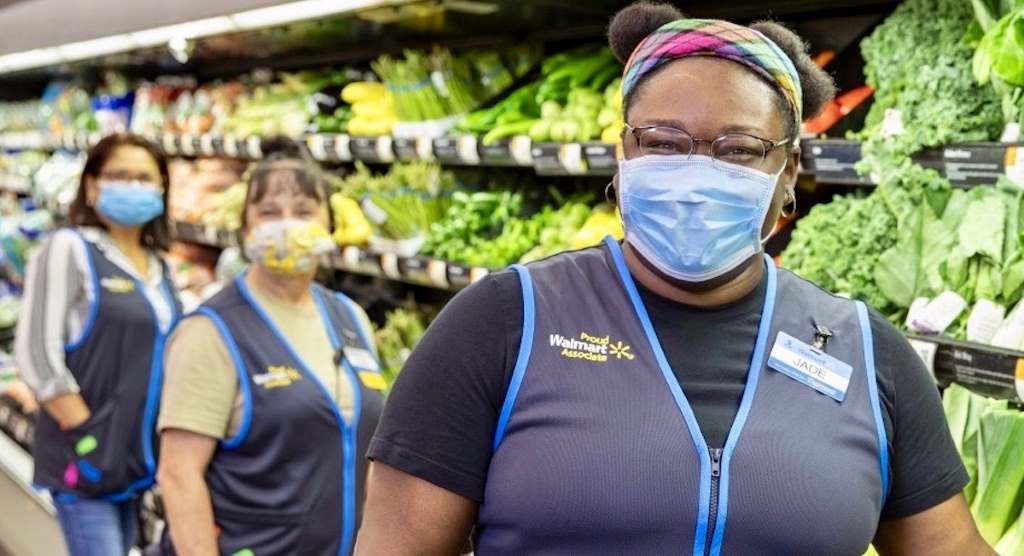
Walmart, the retail giant, recently announced job cuts in its corporate sector alongside a push for in-office work. This has sparked questions about the true motives behind the moves. While automation is a stated goal, some speculate there's more to the story.
Embracing automation
Walmart claims these changes are part of a long-term strategy to integrate automation across 65 per cent of its stores by 2026. This could involve tasks like inventory management, logistics, and even checkout processes. They plan to consolidate remote workers into three central hubs, fostering closer teamwork. This shift could be a response to challenges faced with a fully remote workforce. The company believes automation will improve efficiency and free up employees for customer service roles.
However, some analysts believe the picture is more complex. Here are factors to consider:
Remote work reduction: Walmart's requirement for most remote workers to relocate suggests a shift in company culture, potentially prioritizing in-person collaboration over remote work benefits.
Cost-cutting concerns: Automation, while an investment upfront, can lead to significant cost savings in the long run. This could be a driving force, especially after recent economic uncertainties. Regardless of the reason, job cuts raise concerns for affected employees. While some may be offered relocation, others may face unemployment. The impact on local economies, particularly near the closed remote offices, needs to be considered.
While automation is likely a factor, it's difficult to say definitively if it's the sole reason. Streamlining operations, potentially reducing costs, and a cultural shift towards in-office work all seem to be at play. The impact on store-level jobs remains to be seen. Effective communication and potential reskilling programs from Walmart will be crucial in the face of automation.
Walmart's job cuts are a sign of changing times in retail. Automation is undoubtedly a factor, but cost-cutting and remote work restructuring might also play a role. As automation continues, the industry must find ways to ensure a smooth transition for its workforce.
EU cracks the whip on fashion, now EUCSDDD will reshape retail
The European Union's Corporate Sustainability Due Diligence Directive (EUCSDDD), which came into effect on April 24, 2024, is set to shake up the fashion industry. It’s been touted as a game changer as brands and retailers, of a certain threshold size will now require certain practices and sourcing shifts.
Who needs to comply?
The EUCSDDD focuses on large companies. The exact size threshold is still under negotiation, but estimates suggest it will likely apply to companies exceeding 250 employees and a turnover of €300 million globally, or with over 500 employees and exceeding €175 million turnover within the EU. This captures a significant portion of major fashion brands and retailers.
Statutory sustainable steps
Brands and retailers must implement a comprehensive due diligence strategy. This includes:
Identifying and assessing risks: Companies need to map their supply chains, pinpointing potential human rights violations (like forced labor) and environmental harm (e.g., water pollution from dyeing).
Taking action: Once risks are identified, companies must develop plans to prevent, mitigate, or address them. This could involve working with suppliers to improve practices or ending partnerships with non-compliant ones.
Monitor: Keep track of the effectiveness of their efforts and report publicly on their progress.
Reporting and transparency: Companies are obligated to report on their due diligence efforts, including the measures taken and any challenges encountered.
More ethical and sustainable sourcing landscape
The EUCSDDD is expected to push fashion businesses towards nearshoring. Companies may source more materials and production closer to home to ensure greater control and visibility. It will also lead to strategic partnerships. Collaboration with suppliers who prioritize sustainability will be crucial. Investment in transparency will become mandatory as brands need to invest in technologies like blockchain to track materials and production processes.
However, countries with a heavy reliance on garment exports, like Bangladesh, might face initial difficulties adapting to stricter regulations. The EUCSDDD presents an opportunity for these countries to improve labor conditions and environmental practices, ultimately enhancing their competitiveness in the global market.
Indeed,the EUCSDDD marks a significant step towards a more ethical and sustainable fashion industry. While challenges exist, particularly for developing nations, the directive presents a chance for brands and retailers to embrace responsible practices, ensuring a greener and fairer future for fashion.
US textile industry in limbo as China tariffs linger
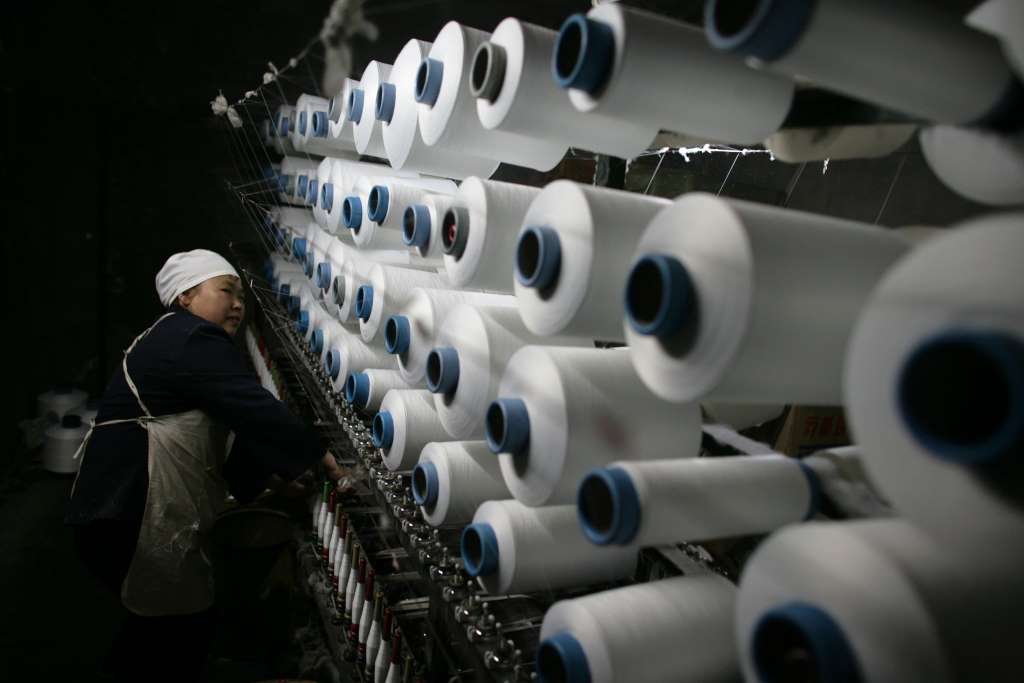
The American textile and apparel industry is facing continued uncertainty as the Biden administration maintains tariffs imposed on Chinese imports during the Trump era since 2018. These tariffs, originally intended to pressure China on trade practices, are having a ripple effect across the US industry, raising concerns for both businesses and consumers.
Tariffs here to stay
The tariffs, implemented in stages throughout 2018 and 2019, added an additional 10 per cent duty on billions of dollars worth of Chinese goods, including textiles and apparel. While a ‘Phase One’ trade deal in 2020 saw some tariff reductions on specific categories, many textiles remain subject to the increased duties. “The continued tariffs are a major concern for US apparel companies,” says Rick Helfenbein, President and CEO of the American Apparel & Footwear Association. "These additional taxes make it difficult for American companies to compete with China on price, ultimately hurting US consumers."
Retailers are caught between rising costs due to tariffs and pressure to maintain competitive prices for consumers. “We’re seeing margins shrink as we absorb some of the tariff costs, but we can’t raise prices excessively or risk losing customers,” said Susan Allen, spokesperson for the National Retail Federation.
Industry divided
The impact of the tariffs is a source of division within the industry. Some domestic manufacturers see the tariffs as a positive step, leveling the playing field against cheaper Chinese imports. “The tariffs have created an opportunity for American apparel companies to win back market share,” explains Olivia Jones, spokesperson for the National Textile Producers Association. "We've seen a resurgence in domestic manufacturing in recent years, and the tariffs are helping to accelerate that trend."
While some companies have begun sourcing materials from other countries like Vietnam, the transition is slow and disrupts existing supply chains. “Moving production is a complex process,” explained John Lee, CEO of Evergreen Apparel. “It takes time to find reliable partners and ensure quality. In the meantime, these tariffs are a burden on our business.”
However, many larger retailers and apparel brands rely heavily on Chinese suppliers due to their lower production costs. These companies argue that the tariffs are driving up their costs, which they are forced to pass on to consumers in the form of higher prices. The cost of these tariffs is ultimately passed down to consumers in the form of higher prices for clothing and other textile goods. A recent study by the Peterson Institute for International Economics predicts an average price increase of 4 per cent for American consumers.
Experts predict that the continued tariffs will likely lead to a combination of higher prices for American consumers and a shift in sourcing for apparel companies. Some companies may look to diversify their supply chains, seeking out manufacturers in Vietnam, Bangladesh, or other countries. However, this process can be slow and complex.
“In the short term, consumers should expect to see clothing prices continue to rise,” said David Jones, a retail analyst at Georgetown University. "The long-term impact is less clear, but it's possible that we could see a return to a more diversified apparel manufacturing landscape in the US."
The Biden administration is currently reviewing the tariffs, but no decision on their future has been announced. The issue remains a point of contention, with both the potential benefits of a stronger domestic industry and the drawbacks of higher consumer prices to consider.
European luxury retail thrives as bricks and mortar stores compete with online retail: Cushman & Wakefield report
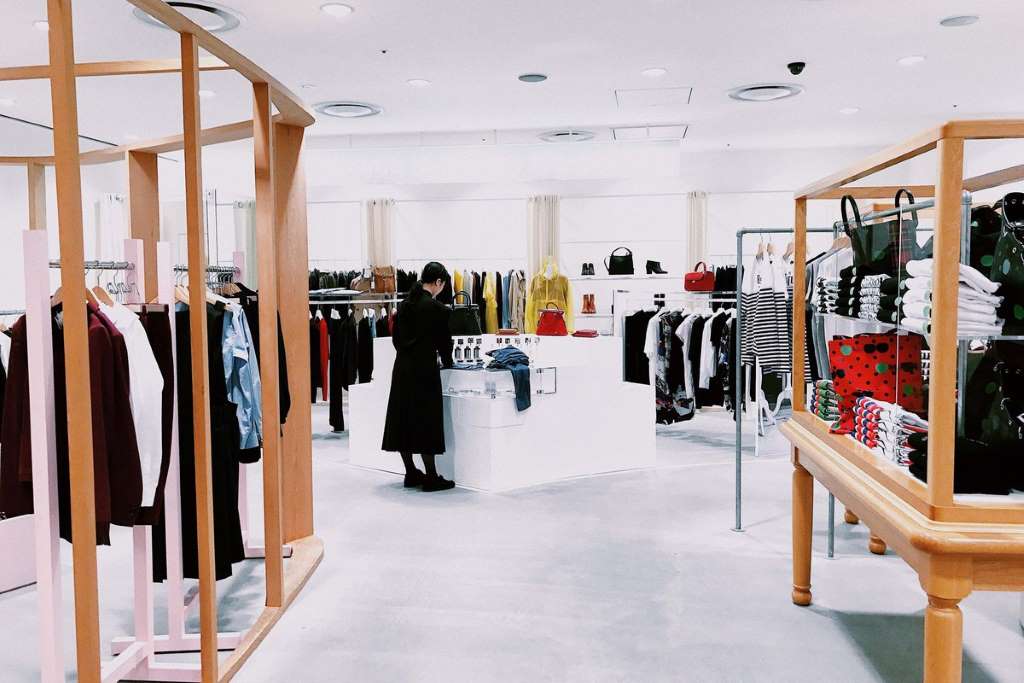
Despite the massive growth of e-commerce, a new report by Cushman & Wakefield (C&W), a global real estate services firm, paints a surprising picture of Europe's luxury retail sector – one brimming with resilience and growth. Their first-ever ‘European Luxury Retail Report’ delves into key trends shaping the landscape.
New stores galore
A key takeaway is the significant number of new store openings. In 2023, there were 107 new boutiques across 20 key luxury streets in 16 European cities. This surge reflects a 70 per cent increase compared to pre-pandemic levels, according to the report. This translates to a strong showing, particularly considering the limited vacancies in these prime locations. Seven of these streets boasted zero vacancies, while 16 had vacancy rates below 5 per cent.
Interestingly, the report also indicates a trend towards larger stores. Luxury brands are seeking expansive spaces on prominent avenues. This is likely a strategic move to elevate the customer experience and showcase a wider range of products.
France, Italy, and UK top draws
Geographically, the report finds no surprises. The bastions of European luxury - France, Italy, and the UK - continue to dominate the scene. Over 40 per cent of the new store openings in 2023 were concentrated in these three countries. Cities like Paris, Milan, and London remain magnets for high-end brands and affluent shoppers. Classic destinations like Paris' Avenue Montaigne and London's Bond Street continue to be magnets for high-end retailers and affluent shoppers.
Surprising strength, contradicting e-commerce boom
C&W's findings challenge the notion that physical stores are withering under the pressure of online retail. “The continuing attractiveness of well-established luxury retail locations...” says the report, “highlights the ongoing importance of physical stores.” However, experts point to several reasons for this resilience.
Experience over transaction: Luxury retail is as much about the experience as the product. Flagship stores offer personalized service, exclusive product lines, and brand immersion that e-commerce can't fully replicate.
Tourist return boosts demand: The report credits the return of tourists, particularly from high-spending regions like China and the Middle East, for driving demand in key European luxury destinations.
So, what does the future hold for luxury stores? The report suggests a move towards experiential retail. Physical stores are no longer just about transactions; they're about creating a memorable brand experience that fosters customer loyalty. This might include hosting exclusive events, offering personalized services, or integrating cutting-edge technology to enhance the shopping experience. “Luxury retail is all about human connection,” says Sally Bruer, Head of European Retail Research at Cushman & Wakefield. “While e-commerce offers convenience, physical stores provide a platform for brands to truly engage with their customers and create a lasting impression.”
For example, consider the recent opening of a sprawling Dior flagship on Paris' Avenue Montaigne. The store boasts an art gallery, a cafe, and personalization services, all designed to create a memorable and luxurious shopping experience that can't be replicated online.
Cushman & Wakefield's report upends the narrative of a dying physical luxury retail sector. Instead, it reveals a market that is adapting and thriving. While e-commerce remains a major force, physical stores are not going away. They are evolving into experience-driven destinations, offering a unique value proposition that complements the online shopping experience.