Australian retailers are keen to explore Bangladesh as a sourcing destination.
They are looking for new apparel and footwear suppliers and are aiming at reducing their dependence on China. This means Bangladesh has an opportunity for market and product diversification, which it is looking for, mainly due to the effects of the pandemic and the Russia-Ukraine conflict effects.
With LDC graduation in 2026, Bangladesh would have to overcome the challenges of losing preferential treatment in its export markets. But Australia has decided to allow preferential treatment for Bangladesh’s exports even after LDC graduation. Australia and Bangladesh look to push up bilateral trade. Australian LNG and wool could be helpful for Bangladesh, while Australia could utilise Bangladesh's agricultural products.
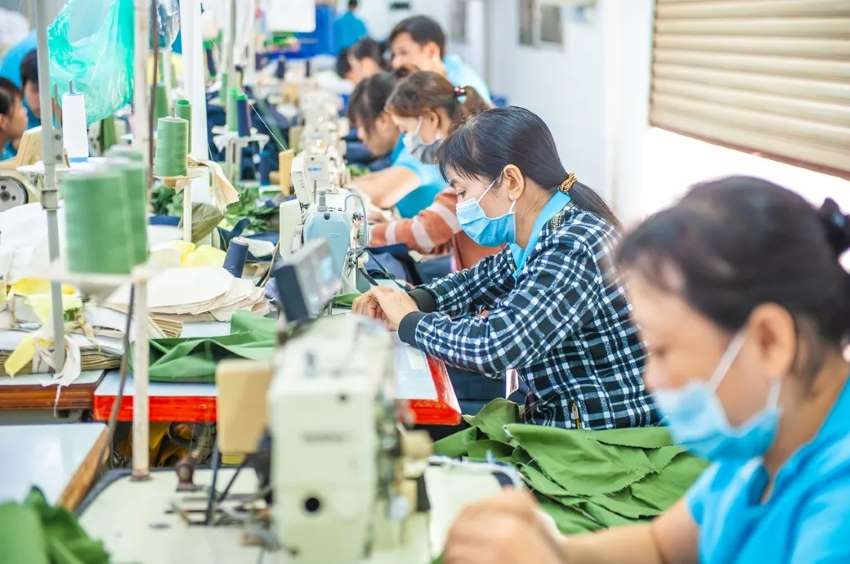
Of Bangladesh’s exports to Australia 88 per cent are apparel items.Bangladesh’s imports from Australia mainly consist of vegetables, oil seeds, iron, steel, cotton and mineral fuels.Australia is partnering with the International Labor Organization to improve working conditions, empower women and boost the competitiveness of Bangladesh’s readymade garment industry. The partnership has been strengthened by the re-commitment of funds for Better Work Bangladesh as part of Australia’s ongoing partnership with ILO.
Australia has been supporting BWB since 2016. Australia’s ongoing support for the Better Work Bangladesh program drives important changes in workplace safety in the garment industry.