India’s textile sector to witness significant growth in H2, FY25: Report
The textile sector in India willwitness significant growth in H2, FY25, as per a report by Systematix Institutional Equities.
According to the report, this growth will be driven by an increased demand momentum and volume growth surpassing inventory levels. Some of the key factors contributing to this growth will include easing inflation, normalised channel inventories, improved supply chain dynamics, and the prospect of interest rate cuts.
The report also highlights global shifts in supply chain strategies, particularly due to the China +1 policy and the political instability in Bangladesh, as factors prompting global brands to reconsider their heavy reliance on Bangladesh. This has led to alternative sourcing options like India, Vietnam, Cambodia, and Sri Lanka gaining traction.
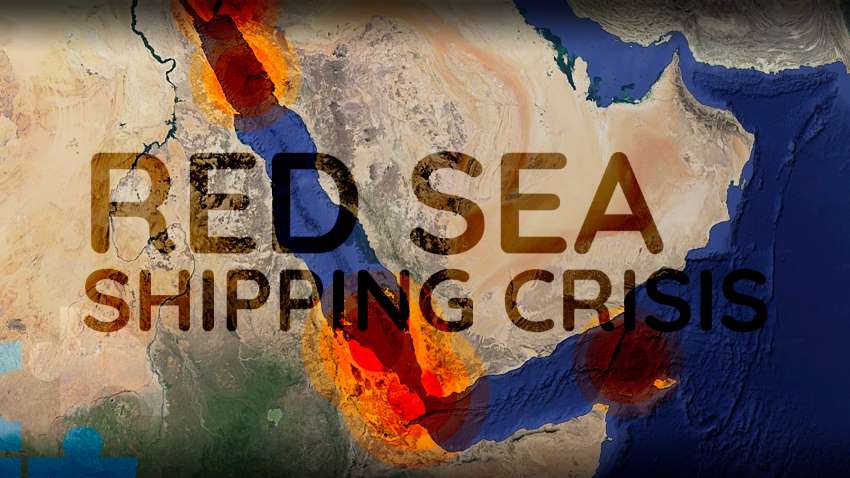
While the Indian textile industry has faced export challenges due to disruptions in the Red Sea region, the spinning sector is showing signs of recovery with a moderate increase in both domestic and export demand. Retail demand has remained strong, creating a robust environment in the second half of the fiscal year. Financial performance metrics for textile companies in Q1 FY25 revealed significant year-on-year growth in revenue, EBITDA, and PAT, driven by higher volumes and reduced raw material costs.
However, the industry continues to contend with rising domestic cotton prices that have increased to Rs 58,000-60,000 per candy. This price hike makes the Indian textile industry less competitive on the global stage, particularly due to the decline in international cotton prices. Despite this, garment sales volumes increased by 11 per cent Y-o-Y in Q1 FY25 as demand in global retail industry resurged leading to liquidation of the unsold inventory.
G-III Apparel targets $3.2 billion net sales in FY25
Driven by its aggressive digital and omnichannel expansion, robust wholesale and retail performance, and strategic partnerships, G-III has set its fiscal 2025 net sales guidance at $3.2 billion, reflecting a 3 per cent increase from the previous year.
The company is strengthening its presence in Europe besides reducing reliance on PVH brands and targeting high-growth markets like India and China.
G-III Apparel is also advancing its digital and omnichannel strategies by upgrading e-commerce platforms for DKNY and Karl Lagerfeld Paris, focusing on enhancing their digital presence, CRM capabilities, and loyalty programs. In Europe, the company is leveraging AWWG’s infrastructure and increasing its stake from 12 per cent to 19 per cent, with additional growth opportunities in India.
In North America, G-III is making significant investments in marketing to boost global brand awareness and sales, with plans to add over 2,500 points of sale this fall. The company’s first-quarter fiscal 2025 wholesale net sales increased to $598 million while retail sales rose to $31 million.
All brands of G-III Apparel demonstrated substantial growth in FY24, with DKNY achieving double-digit sales increases and Karl Lagerfeld expanding its distribution network. The successful relaunch of Donna Karan has further strengthened the company’s portfolio. As a result,
Despite these achievements, G-III faces challenges from shifting consumer spending patterns due to inflationary pressures, which may impact short-term performance. In FY25, the company projects adjusted net income will decline to $10 - $15 million from the previous year.
BrunelloCucinelli to double turnover by 2030
BrunelloCucinelli, Executive Chairman, and Creative Director, of his bespoke Italian luxury label projects, the brand’sales will grow by 10 percent in both 2024 and 2025with its turnover doubling by 2030.
For the six months ending June 30, the brand’s net profit grew by 31.1 percent growth to €66.1 million.Its revenues increased by 14.1 per cent to €620.7 million from €544 millionin the same period of 2023. Operating profit rose by 19.3 percent to €104.6 million, while earnings before interest, taxes, depreciation, and amortization (EBITDA) grew by 14.8 percent to €177.8 million.
The brand’s revenues in the Americas expanded by 19.4 per cent to €225.6 million during H1, FY24. Driven by local consumers and tourists from the US and Asia, revenues from Europe increased by 7.8 percent to €153 million. Sales from Italy rose by 11.8 percent to €68.1 million. In Asia, revenues climbed 14.3 percent to €174 million.The brand’s global retail sales increased by 14.7 percent to €395.2 million during the period.
As of June 30, BrunelloCucinelliSpAoperated 126 stores including a new location in Miami’s Design District. It plans to open new stores in Toronto and Wuhan, China in the second half of the year.
What Fuels Fashion: The hidden costs of the clothing industry
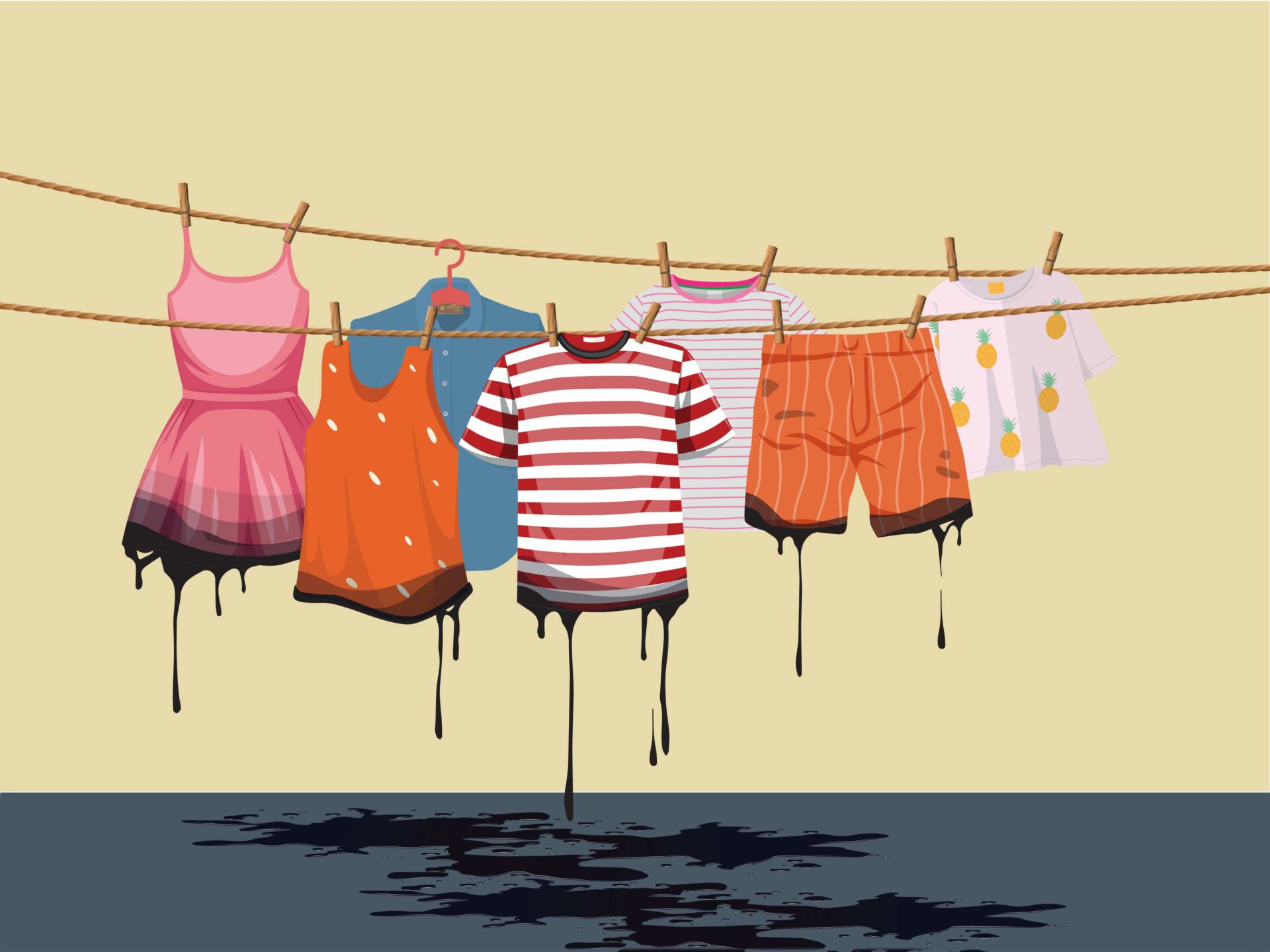
In an era where sustainability and ethical practices are gaining traction across various sectors, the fashion industry continues to be a significant concern. The recent report by Fashion Revolution, titled ‘What Fuels Fashion’, highlights the environmental and social impacts of the fashion industry, revealing the hidden costs behind the clothing we wear. The report highlights startling data, case studies, and expert insights, urging both consumers and industry leaders to rethink their choices and practices.
The environmental impact, a closer look
Fashion Revolution’s report highlights the staggering environmental footprint of the fashion industry. The findings reveal the sector accounts for 10 per cent of global carbon emissions, a figure comparable to the emissions produced by the entire European Union. Additionally, it is the second-largest consumer of the world’s water supply, with textile production requiring approximately 93 billion cubic meters of water annually.
"Fashion's impact on the environment is enormous," says Jane Smith, an environmental scientist specializing in textile sustainability. "The production of synthetic fibers, such as polyester, involves high energy consumption and significant greenhouse gas emissions. Moreover, the massive water usage for cotton cultivation exacerbates water scarcity issues in many regions."
One striking case study presented in the report is the rapid rise of fast fashion brands and their role in exacerbating environmental damage. Fast fashion giants like H&M and Zara have revolutionized the industry with their quick turnaround times and low-cost clothing. However, this convenience comes at a price. The report notes that the average lifespan of a garment has decreased from 3 years to just 1.5 years over the past decade.
In 2023, a report by the Ellen MacArthur Foundation estimated that each person in the UK buys an average of 26 kilograms of clothing per year, leading to a staggering 92 million tons of textile waste globally. This waste often ends up in landfills, where synthetic fibers can take up to 200 years to decompose.
The social cost, unveiling exploitative practices
The social dimensions of the fashion industry are equally troubling. Fashion Revolution’s report underscores the plight of garment workers, particularly in developing countries. The industry’s demand for ever-cheaper production has led to exploitative labor practices, including low wages, poor working conditions, and lack of basic rights.
One notable example is the Rana Plaza disaster in Bangladesh, which killed over 1,100 workers in 2013. Despite international outcry and promises of reform, the report reveals that many garment workers still face unsafe conditions and inadequate pay.
"Behind every garment is a story of human labor, often exploited and undervalued," says Professor Alan Thomas, an expert in labor rights and ethics. "The fashion industry must address these issues by ensuring fair wages and safe working environments for all workers."
The push for change
Amidst these challenges, there is a growing movement towards sustainable and ethical fashion. Brands like Patagonia and Stella McCartney are leading the charge by incorporating recycled materials, promoting fair trade practices, and reducing their carbon footprint.
Patagonia, for instance, has committed to using 100 per cemt recycled polyester in its clothing line and operates a repair and resale program to extend the life of its products. Stella McCartney, known for her commitment to cruelty-free fashion, utilizes sustainable materials such as organic cotton and recycled nylon. "Consumers have the power to drive change by supporting brands that prioritize sustainability and ethics," says Emma Watson, an advocate for sustainable fashion. "By making informed choices, we can contribute to a more responsible and equitable fashion industry."
A call to action
Fashion Revolution’s report, "What Fuels Fashion," serves as a stark reminder of the hidden costs associated with the clothing industry. As the data and case studies illustrate, the environmental and social impacts are profound and far-reaching. However, the growing movement towards sustainable and ethical fashion offers hope for a more responsible future.
For consumers, the message is clear: choose wisely, support ethical brands, and be mindful of the environmental footprint of your fashion choices. For industry leaders, the call to action is equally urgent: adopt sustainable practices, ensure fair labor conditions, and work towards reducing the industry's overall impact.
Fashion's New Frontier: South Korean brands redefining retail

As the global fashion landscape continues to evolve, South Korean brands are emerging as pioneers in creating immersive retail experiences. Unlike traditional approaches that prioritize product over experience, these brands are leveraging technology, art, and storytelling to engage consumers on a deeper level.
A prime example is Gentle Monster, a brand that has rapidly grown into global prominence. Unlike traditional eyewear retailers, Gentle Monster has transformed its stores into mesmerizing art installations. Customers are no longer simply buying glasses; they’re embarking on a sensory journey. This emphasis on experience over product has propelled the brand to a staggering $440 million in revenue in 2024. “Retail is driven by humans’ curiosity,” asserts Hankook Kim, CEO of Gentle Monster. This philosophy is evident in the brand’s every move, from its avant-garde designs to its otherworldly stores.
A multi-sensory approach
The trend extends beyond eyewear. South Korean fashion brands like Ader Error and 3.1 Phillip Lim are also known for their innovative retail concepts, often incorporating elements of art, music, and technology. These brands understand that the shopping experience is more than just buying clothes; it's an opportunity to connect with a brand's values and identity. The success of K-brands highlights the growing importance of immersive experiences in retail.
Learning from K-fashion
Te lessons from South Korean fashion brands are clear:
• Prioritize experience over product: Create environments that engage customers on multiple levels, from sight and sound to taste and touch.
• Embrace digital and physical integration: Blend online and offline channels to create seamless and immersive customer journeys.
• Collaborate with other industries: Partner with artists, musicians, or food brands to create unique and unexpected experiences.
• Understand your audience: Deepen your understanding of consumer desires and preferences to tailor experiences accordingly.
As consumers become increasingly discerning, brands must go beyond simply selling products and create meaningful connections. By engaging all five senses, K-brands are able to capture the hearts and minds of their customers, fostering loyalty and driving sales. As the global fashion industry continues to evolve, it's clear that South Korean brands are setting the pace. Their innovative approach to retail is a testament to the power of immersion and the limitless possibilities of the fashion world.
Less than 4% of LFW designers published emissions reduction targets: Report
Less than 4 per cent of the designers participating in London Fashion Week (LFW) have published emissions reduction targets, as against 44 per cent of UK companies with such goals, reveals a report by ethical non-profit Collective Fashion Justice.
According to the report, only 3.4 per cent of the British Fashion Council members have aligned their emissions targets with the Paris Agreement.
With prominent brands like Yoox, Net-a-Porter, and Savile Row as members, the British Fashion Council advises on key issues in the British fashion industry. Yet, only five brands—Burberry, Mulberry, Margaret Howell, Rixo, and Kyle Ho—have set science-based targets in line with the Paris Agreement.
Fashion Revolution, another non-profit advocating for industry reform, reports, 58 per cent of the world’s 250 largest fashion brands show no clear progress on climate targets, indicating that the issue extends beyond fast fashion. Despite the fashion industry being responsible for an estimated 10 per cent of global carbon emissions, reform has been slow. Emma Håkansson, Founder of CFJ, points out, the industry prioritises profit and business-as-usual over climate action.
Håkanssonemphasises, the industry needs to take urgent action against fossil fuel-based and animal-derived materials like leather and wool, due to their high methane footprint. However, disinformation about their environmental impact hinders progress.
Employing 800,000 people and contributing £26 billion to the economy, the UK fashion industry faces few incentives to tackle the climate crisis. Aja Barber, Author, Consumed, calls for greater accountability, suggesting tax cuts for brands that meet their climate goals.
Area under cotton cultivation in India declines to 111.386 lakh hectare
As of Aug 22, 2024, the area under cultivation in India reduced to 111.386 lakh hectare from 122.742 lakh hectare during the same period last year. All major cotton-producing states have reported a decline in acreage this season.
Two of the largest cotton-producing states, Maharashtra and Gujarat have witnessed a significant decrease in cotton cultivation. Rajasthan and Punjab are the most affected states by this reduction, largely due to the impact of the Pink Bollworm infestation last season, which discouraged farmers from planting cotton.
Cotton cultivation in India begins in June and typically continues until August or mid-September, so the current shortfall in the area under cotton cultivation is unlikely to recover as more than 90 per cent of sowing has been completed. According to the state-wise detailed weekly report by the Ministry of Agriculture, there has been an approximate 9 per cent decrease in the total area under cotton cultivation this year compared to the last year.
Last year, India's average cotton sowing area stood at 122.951 lakh hectare during this corresponding week. In Punjab, the acreage has drastically reduced to just 1 lakh hectare from 2.140 lakh hectare last year, while Rajasthan's area has decreased from 7.908 lakh hectares to 5.132 lakh hectare.
The report further notes, Maharashtra's cotton sowing area has decreased to 40.785 lakh hectare from 41.866 lakh hectare last year, Madhya Pradesh to 6.149 lakh hectare from 6.500 lakh hectare, Karnataka to 6.690 lakh hectare from 6.557 lakh hectare, Haryana to 6.650 lakh hectare from 6.584 lakh hectare, Gujarat to 23.580 lakh hectare from 26.790 lakh hectare, Telangana to 17.090 lakh hectare from 18.018 lakh hectare, and Andhra Pradesh to 3.500 lakh hectare from 3.690 lakh hectare.
Puma streamlines management with IndrajeetSen as new Vice President-Sourcing
Puma is streamlining its management structure. The German sportswear giant has appointed IndrajeetSen, Group Executive as the new Vice President-Sourcing after Anne-Laure Descours, an employee since 2012, her departure from the company.
Having joined Puma in 2016, Senmost recently served as Vice President of Footwear Development and Sourcing and previously worked for German retailer Deichmann. In his new role, he will oversee global sourcing and development for footwear, apparel, and accessories, as well as operations and sustainability.
Arne Freundt, CEO, says, besides playing an instrumental role in the company’s footwear business, Sen has excelled in various key roles, including skillfully managing the challenges of the COVID pandemic, diversifying supply chain, and driving exceptional operational efficiency. His forward-thinking approach, people-focused mindset, and constant willingness to challenge the status quo make him the ideal leader to drive Puma’s next phase of growth.
In H1 FY24, Puma’s sales increased by 1.3 per cent to €4.2 billion compared to the same period in the previous year before adjusting for exchange rates. But the brand’s sales declined by2.1 per cent in euro terms. Sales in Americans grew by 5.1 per centand 1.2 per cent in the Asia-Pacific region, while they contracted by 2.2 per cent in Europe, the Middle East, and Africa. Operating profit for the period dropped by 5.1 per cent to €276 million.
Despite this, Puma expects full-year sales growth of around 5 per cent after adjusting for exchange rates, with operating income projected to be between €620 million and €670 million.
Bharat Tex 2025 poised to showcase India's textile excellence
Preparations for Bharat Tex 2025, scheduled from February 14-17, 2025, are in full swing, with a key Steering Committee meeting held on August 28, 2024. During the meeting, industry leaders shared insights into the event's growing significance.
Rahul Mehta, Chief Mentor of Clothing Manufacturers Association of India (CMAI), underscored Bharat Tex 2025 as a vital platform for showcasing India's entire textile value chain, from fiber to garment. He pointed out that the expo presents a unique opportunity for international buyers to explore India's textile capabilities in one place. Mehta also highlighted the event's focus on sustainability, emphasizing India's progress in eco-friendly manufacturing.
Vijay Agarwal, Vice Chairman of The Cotton Textiles Export Promotion Council (TEXPROCIL), reinforced the importance of Bharat Tex 2025, noting that the event will highlight both exports and India’s domestic market. He emphasized that the expo will cover the full textile value chain, from cotton and fiber to high fashion, with a strong focus on ESG practices.
The expo is designed to bolster India's standing as a global textile hub. Bharat M Chhajer, past Chairman of Powerloom Development & Export Promotion Council (PDEXCIL), a prominent figure in the industry, discussed the event's growth since its first edition in 2024, noting the increased focus on organic materials and natural fibers, such as those sourced from pineapple, banana, and fruit grains. Dewas, a significant participant, is set to feature an expanded range of products this year.
With a goal of attracting 4,000 buyersup from 3,000 last yearBharat Tex 2025 aims to support India’s ambitious target of reaching $100 billion in textile exports, as set by Union Minister Giriraj Singh. The event is expected to further establish India as a premier sourcing destination in the global textile market.
Victoria’s Secret reports 1% decline in net sales in Q2, FY24
Victoria's Secret & Co reported a 1 per cent Y-o-Y decline in net sales to $1.417 billion in Q2, FY24.
Total comparable sales of the Reynoldsburg, Ohio-based company declined by 3 per cent during the quarter ended Aug 3, 2024. The lingerie giant posted a net income of $32 million for the second quarter.
Timothy Johnson (TJ), Interim CEO and CFO, notes, the financial results for the second quarter came in at the high end of expectations, and the company delivered year-over-year quarterly operating income growth for the first time since 2021. It was encouraged by the continued sequential improvement in quarterly sales results in North America for the fourth consecutive quarter, with sales trends improving in both stores and digital channels.
The company attributed its success to the launch of new collections like the Victoria’s Secret Dream bra, the Pink Friday back-to-campus event, and the steady growth of VS Sport. These initiatives led to better product acceptance, disciplined inventory management, and an increase in gross margin dollars and rate expansion. Additionally, the International business and Adore Me brand saw high-single-digit sales growth.
Looking ahead, Victoria's Secret predicts third quarter net sales to expand by a low-single-digit as against last year's third-quarter sales of $1.265 billion. The brand’s adjusted operating income is projected to range between $275 million and $300 million as against the previous outlook of $250 million to $275 million.
More...
Under Armor forays into sports fashion with the ‘Unstoppable Collection’
Marking its foray into the sports fashion market, apparel brand Under Armor has launched the Unstoppable Collection. Described as ‘born on the pitch and made for the streets, the collection represents Under Armor's shift into streetwear targeting the Gen Z demographic.
Having experienced substantial growth, Under Armor generated 61.5 per cent of its net revenue from North America and nearly 20 per cent from the EMEA region during the fiscal year 2024 that ended on Mar 31, 2024. The company’s global net revenues during the year reached approximately $5.7 billion.
In South Africa, the expansion of streetwear and footwear markets has made sneakers, asymbol of personality and status. Under Armor's new collection aims to tap into this demand by offering off-pitch gear that complements its training products, supporting a full 360˚ athlete lifecycle.
These fashion forward sneakers will not only energise the brand but also attract younger consumers, notes the company indicating its aim to compete with major players in the market.
Under Armor’s collaboration with Balenciaga underscores the brand’s commitment to innovation and positions it alongside leading sports brands that leverage designer collaborations. Under Armor’s apparel segment currently generates approximately $3.79 billion in net sales.
Featuring casual tracksuits, varsity jackets, and sneakers, The Unstoppable Collection is a testament to the brand's evolving identity. Leading this transformation is YassineSaidi, Chief Product Officer, Under Armor who aims to shift the brand’s focus to footwear—a sector currently representing 20 per cent of the business.
Sigmatex expands South Carolina facility
UK-based carbon fiber textiles producer, Sigmatex has made a major investment towards the expansion of its North American facility in Orangeburg, South Carolina. This investment increases the company’s weaving capacity by up to 50 per cent besides adding a new production cell to meet the growing demand for Sigmatex products.
Established in 2015, the 75,000-sq-ft Orangeburg facility is designed for scalable and cost-effective manufacturing. It features the company’s proprietary Flat Tow technology and holds AS9100D and DNV certifications, serving as the primary supply hub for North America.
Paul McMullan,CEO, Sigmatex remarks, this expansion will help drive the company’s growth in the region over the next five years. It will enable Sigmatex stay ahead of market demand while maintaining a strong focus on quality, digitalisation, and data-driven improvements, he adds.
Pakistan registers 5% growth in apparel exports to China during Jan-July’24
Strengthening its presence in the market, Pakistan’s apparel exports to China increased by approximately 5 per cent in the first seven months of 2024.
From Jan-July’24, the total value of Pakistan’s apparel exports to China surpassed $18.03 million, underscoring the growing demand for Pakistani garments in China.
As per recent data, exports of men’s clothing increased by 6 per cent from $12.65 million to $13.10 million, while women’s apparel exports rose from 4.66 million to $4.93 million.
GhulamQadir, Commercial Counsellor, Pakistan Embassy in Beijing, attributed this success to the high quality and competitive pricing of Pakistani apparel, which is gaining popularity in China.
Pakistan’s strategic geographical location, facilitating efficient land trade with China, along with the zero-tariff benefits under the China-Pakistan Free Trade Agreement (CPFTA), has provided Pakistani exporters with a competitive advantage. These factors have not only eased access to the Chinese market but have also enhanced the appeal of Pakistani apparel to Chinese buyers.
In a bid to further strengthen trade relations, a Pakistani textile delegation is set to participate in the upcoming China International Import Expo (CIIE 2024). They will showcase their latest designs in a fashion show featuring Pakistani models, an event expected to boost Pakistan’s visibility in the Chinese fashion market.
Moreover, a large Chinese delegation is scheduled to attend ‘Texpo,’ a premier textile and leather exhibition organised by the Trade Development Authority of Pakistan (TDAP) in Karachi this October. These events play a crucial role in fostering closer trade ties between the two countries, offering platforms for businesses to explore new opportunities and collaborations.
Functional textiles market rides high on growing demand and innovations

The functional textile market is experiencing a period of unprecedented growth, driven by numerous factors like: rising consumer awareness about health and wellness, advancements in technology, and increasing demand for performance apparels. These textiles, imbued with specific properties beyond aesthetics, are reshaping industries from apparel and sportswear to healthcare and automotive.
As per a report by MarketsandMarkets, the global functional textiles market was valued at $140.12 billion in 2022 and projected to $273.18 billion by 2031, growing at a CAGR of 7.7 per cent during the forecast period.
Health awareness, outdoor activities trigger growth
Several factors are pushing up growth of the functional textile market. Primary among them is growing awareness on health and wellness. Post-Covid years, there is more emphasis on health and fitness that has led to increased demand for athletic and performance wear, which often incorporates functional textiles. Demand for apparels with moisture-wicking, temperature-regulating, and antimicrobial properties have grown.
The growing elderly population is also driving demand for textiles with antimicrobial, moisture-wicking, and temperature-regulating properties. The popularity of outdoor activities like hiking, camping, and skiing has increased the need for durable and protective textiles. And functional textiles find applications in various industries, including healthcare, automotive, and military, contributing to market growth. Consumers are increasingly seeking eco-friendly and sustainable options, driving the development of recycled, organic, and biodegradable functional textiles.
Innovations in materials science and textile engineering are enabling the creation of textiles with enhanced functionalities. In fact, technology is at the heart of the functional textile revolution. Nanotechnology, for instance, is being used to impart water repellence, stain resistance, and UV protection to fabrics. Additionally, advancements in fiber engineering are leading to the development of high-performance fibers with superior strength, elasticity, and durability. The development of textiles with embedded sensors and electronics enables real-time monitoring of vital signs and environmental conditions.
Global market landscape
The Asia Pacific region is the largest consumer of functional textiles, driven by a growing middle class and increasing disposable incomes. Europe and North America follow closely, with a mature market and a strong preference for high-performance apparel.
China remains the dominant player in functional textile manufacturing, benefiting from a robust textile industry and cost-effective production. However, countries like India and Vietnam are emerging as manufacturing hubs due to lower labor costs and government support.
Downstream garment manufacturing
The growth of the functional textile market is directly impacting the downstream garment manufacturing industry. Brands are incorporating functional fabrics into their product lines to cater to the evolving consumer preferences. Athletic apparel brands, in particular, have been at the forefront of adopting functional textiles.
As experts say, functional textiles have revolutionized the way apparels are designed and manufactured. Consumers expect more than just style; they want performance and comfort, and functional textiles deliver on both fronts. Several companies are at the forefront of the functional textile market. Material science giants with companies like DuPont, Gore-Tex, and INVISTA are leading in developing innovative functional fibers and fabrics. Apparel brands too are in the race with Nike, Adidas, and Under Armour as major consumers of functional textiles have invested heavily in research and development to create high-performance apparel. Textile manufacturers like Toray Industries and Unifi are key players in the production of functional textiles.
Roadmap to future
While the functional textile market is experiencing significant growth, it also faces challenges such as high production costs, regulatory hurdles, and consumer education. However, the long-term outlook remains positive, driven by ongoing technological advancements, increasing consumer awareness, and the growing demand for sustainable and high-performance textiles.
The future of functional textiles is good, with the potential to transform various industries and improve people's lives. As research and development continue to accelerate, the industry can expect to see more innovative and functional textiles emerging in the market.