Chinese textile industry navigated shifting tides in 2024, says CCF Group analysis
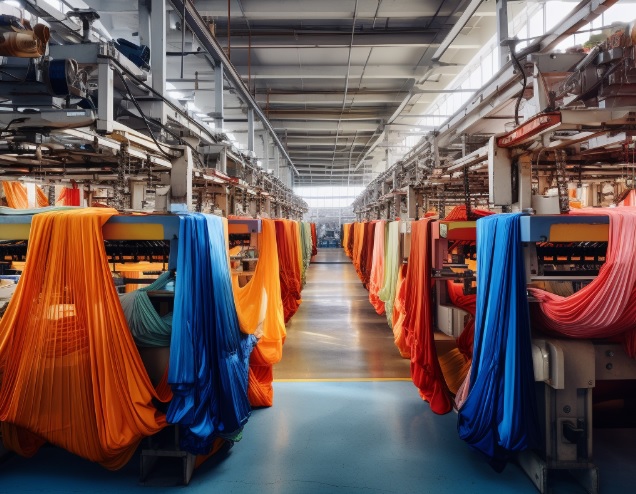
The Chinese textile industry, a behemoth in the global market, has weathered a dynamic year in 2024. Recent reports and data released by the CCF Group, a leading authority on the Chinese textile sector, shows the resilience, adaptation, and shifting trends across China’s fiber, yarn, fabric, and apparel segments.
Performance overview
While the overall picture is complex, CCF Group data reveals a sector grappling with a cocktail of domestic and international pressures.
Growth slowdown: Compared to the robust growth seen in previous years, 2024 witnessed a moderation in production and export figures. This is largely attributed to a slowdown in global demand, particularly from key markets like the US and Europe.
Shifting domestic consumption: While export markets softened, domestic consumption showed signs of recovery, driven by a growing middle class and government initiatives to boost internal spending.
Raw material volatility: Fluctuations in raw material prices, especially cotton, impacted production costs and profitability across the industry.
Sustainability concerns: Increasingly, both consumers and regulators are demanding greater environmental and social responsibility from textile producers. This is pushing the industry towards sustainable practices and circular economy models.
Table: Segment-wise production
|
Indicator |
2024 |
2023 |
2022 |
|
Fiber Production (million tons) |
58.2 |
56.5 |
54.1 |
|
Yarn Production (million tons) |
45.8 |
44.1 |
42.5 |
|
Fabric Production (billion sq m) |
76.5 |
74.2 |
71.8 |
|
Apparel Exports (billion USD) |
285 |
298 |
292 |
CCF Group data highlights significant variations in performance across different regions and textile clusters within China.
Yangtze River Delta: This region, home to major textile hubs like Shanghai and Jiangsu province, continued to lead in terms of production and innovation. However, it also faced challenges related to rising labor costs and environmental regulations.
Pearl River Delta: Guangdong province, a key player in apparel manufacturing, experienced a more pronounced impact from the slowdown in export demand.
Central and Western China: These regions, traditionally focused on cotton production and basic textiles, are attracting investment and witnessing growth in higher-value segments like technical textiles.
Xinjiang, a major cotton-producing region, faced continued scrutiny over alleged human rights abuses. This led to sourcing challenges for some international brands and gave a push to alternative cotton sources. However, CCF Group data suggests that Xinjiang maintained its dominance in domestic cotton supply, highlighting the complexities of decoupling from the region.
Looking ahead
CCF Group analysts suggest the Chinese textile industry will go through a period of transformation. Key trends to watch out for:
Technological upgrading: Investment in automation, AI, and advanced manufacturing will be crucial for enhancing productivity and competitiveness.
Sustainability focus: Circular economy models, reduced emissions, and ethical sourcing will become increasingly important for market access and brand reputation.
Domestic market expansion: Growing domestic consumption will offer new opportunities for textile and apparel companies.
The Chinese textile industry is navigating a challenging but evolving landscape. While 2024 did have its share of headwinds, the industry's long-term prospects remain strong, driven by innovation, domestic market growth, and a shift towards sustainable practices. CCF Group's data and analysis provide valuable insights for businesses and policymakers alike as they chart a course through the changing tides of the global textile market.
India emerges UK retailers' New Sourcing Hotspot’: Study
A recent report, ‘The State of Sourcing Report: Sourcing and Sustainability in 2025’, reveals a significant shift in the global sourcing landscape. India is rapidly gaining prominence as a key sourcing region for UK retailers, challenging China's long-held dominance.
The report, published recently by Source Fashion, a leading fashion trade show, offers a comprehensive analysis of current sourcing practices and sustainability trends among UK retailers. The survey-based study, conducted in September-October 2024, gathered insights from a diverse range of retailers, both large and small.
Key findings
The report identifies India as the third most popular sourcing region among UK retailers, trailing only the UK itself and China. Notably, for larger businesses, India shares the second spot with the UK, underscoring its growing appeal.
Table: India’s emergence as popular sourcing region
|
Sourcing region |
All respondents |
Small companies |
Large companies |
|
UK |
42% |
44% |
35% |
|
China |
49% |
45% |
61% |
|
India |
37% |
37% |
35% |
|
Western Europe |
33% |
37% |
19% |
While China remains a significant player, the report reveals its attractiveness is gradually diminishing due to various pressures, including rising costs, political uncertainties, and supply chain disruptions.
The report attributes India's emergence to several factors:
Cost-effectiveness: India offers competitive production costs, making it an attractive alternative to China.
Skilled Labor: India boasts a large pool of skilled labor, particularly in textiles and manufacturing.
Government initiatives: Supportive government policies, such as ease of doing business initiatives and infrastructure development, are further enhancing India's appeal
Industry experts echo the report's findings. As Sara Allbright, Co-Founder and Director of Retail 100 points out the importance of diversifying sourcing to mitigate risks associated with rising shipping costs and potential disruptions. She believes diversification into other countries and regions is an essential risk management exercise. Those with flexible near and far sourcing options will ultimately win out when you need to react quickly.
However, the report doesn't provide specific case studies of UK retailers successfully sourcing from India. Anecdotal evidence suggests major UK fashion retailers are increasingly turning to India for their sourcing needs. The report predicts continued growth for India as a sourcing hub for UK retailers. As pressures on China mount and India further strengthens its capabilities, the shift towards India is likely to accelerate in the coming years.
Textile Ministry invites Uniqlo to invest in PM MITRA Parks
As a part of India’s ambitious goal to achieve a $350 billion market size and $100 billion in textile exports by 2030, the Ministry of Textiles has extended an invitation to global apparel giant Uniqlo to invest in the Prime Minister’s Mega Integrated Textile Region and Apparel (PM MITRA) Parks. Designed as a ready-to-operate ecosystem, these parks offer companies a Build-to-Suit model, enabling efficient and sustainable operations tailored to their specific needs.
Known for its commitment to quality and innovation, Uniqlo has expressed strong interest in enhancing India’s cotton production capabilities. The company’s pilot project aligns with India’s goals, aiming to improve productivity and quality levels to achieve yields of up to 1,000 kg per hectare. In support of this initiative, the Textile Ministry has assured Uniqlo of its readiness to allocate land for their endeavors, emphasising a shared vision to position India as a global leader in high-quality cotton sourcing.
A pivotal meeting between Giriraj Singh, India’s Minister of Textiles, and Uniqlo’s senior officials reinforced this shared commitment. Facilitated by Invest India, the discussion highlighted Uniqlo’s interest in collaborating with India’s textile industry. This engagement follows an earlier interaction between Uniqlo and the Hon’ble Prime Minister, showcasing the company’s alignment with India’s broader textile sector goals.
Uniqlo’s impact on India’s retail and textile ecosystem is significant, with 15 stores nationwide generating Rs 814 crore in revenue as of March 31, 2024—a remarkable 30 per cent growth rate. The brand collaborates with 18 sewing factories and six fabric mills, sourced through nine vendors, demonstrating its dedication to local partnerships and innovation.
Furthering its commitment to the Indian market, Uniqlo will participate in the upcoming ‘Bharat Tex’ Global Textile Expo in February. The event will serve as a platform to highlight the company’s focus on innovation, sustainability, and traceability—values that resonate with India’s vision for a globally competitive textile industry.
The Ministry has also encouraged Uniqlo to expand its R&D efforts into natural fibers, such as milkweed, aligning with India’s own initiatives to promote sustainable and traceable textile practices. This collaboration reflects a growing synergy between India’s textile aspirations and Uniqlo’s global vision, paving the way for a mutually beneficial partnership aimed at fostering a sustainable, innovative, and competitive textile sector.
Apparel Group launches 24 retail concepts at Doha Mall
Leading global retail and fashion conglomerate, Apparel Group has launched 24 new retail concepts at one of Qatar’s most prestigious shopping destinations, the Doha Mall. Featuring renowned international brands, these stores will cater to the diverse needs of Qatar’s fashion-conscious consumers.
Located in Abu Hamour, Doha Mall is ideally situated at the intersection of Sixth Ring Road and Central Market Street. The mall is well connected to a Metro Buslink with close proximity to the Doha Expressway. It serves as a key retail hub for shoppers from nearby neighborhoods, including Abu Hamour, Ain Khaled, Al Waab, Al Mamoura, Al Thumama, and Al Wakra.
Neeraj Teckchandani, CEO, Apparel Group, says, this expansion helps the group introduce global fashion trends and quality shopping experiences in Qatar. Its collaboration with Doha Mall allows it to expand presence in the region and offer a truly unparalleled retail experience.
Robert Hall, Advisor, Mirqab Malls, adds, the retailer introduces new and distinctive retail concepts at Doha Mall in collaboration with Apparel Group. This agreement reflects its ongoing efforts to attract leading international brands to Qatar and offer consumers a diverse and exceptional shopping experience.
Further enhancing its diversity, the Doha Mall plans to add more brands in collaboration with Apparel Group. The mall is set to become a central shopping destination for Qatar’s residents and international visitors alike.
Indonesia’s ready-to-wear clothing imports increase by 10.53% in November 2024
Indonesia’s imports of ready-to-wear clothing, especially those included in the textile and textile product identification code (HS) group, increased by 10.53 per cent in November 2024. As per Amar Adininggar Widyasanti, Acting Head, Central Statistics Agency (BPS), the largest imports of 42.69 per cent of ready-to-wear clothing came from China.
In addition to China, Indonesia also increased ready-to-wear clothing imports from Vietnam and Bangladesh by 10.48 per cent and 8.95 per cent respectively.
Indonesia's total imports declined by 10.71 per cent to $19.59 billion in November 2024. Imports from China reached $6.53 billion. In addition to China, imports from Japan reached $1.49 billion while those from United States totaled $0.76 billion.
Good Earth launches first ever homeware store in Kolkata
Renowned for its craft-driven premium fashion and lifestyle offerings, Good Earth has launched its first-ever standalone store dedicated to homeware. Located in a historic property in Hindustan Park, Kolkata, the store showcases the brand's signature home decor, home textiles, and lifestyle products.
The store is a collaborative effort between Good Earth and its franchise partner for this venture, Richa Kanoi of Bombaim. Designed by architects Animesh Nayak and Gaurav Banerjee, the space is inspired by Bengali culture and blends heritage with modern aesthetics.
Key architectural highlights of the store include glass walls for an open and inviting ambiance, complemented by a marble plaque, wooden shutters, and a striking red oxide staircase. The outlet reflects Good Earth's commitment to sustainability, craftsmanship, and cultural preservation, creating a shopping experience that celebrates tradition while embracing modernity
Marking a significant milestone for Good Earth, the store expands its homeware line in a setting that resonates deeply with its ethos of celebrating local heritage.
Gujarat emerges India’s top cotton producer with 90.57 lakh bales yield in 2023-24
Recording an impressive production of 90.57 lakh bales, Gujarat has emerged as India’s top cotton-producing state for the 2023-24 crop year. Shared by Pabitra Margherita, Minister of State for Textiles during the winter session of Parliament, this data positions Gujarat ahead of other key cotton-producing states like Maharashtra and Telangana. During this period, India’s total cotton production is estimated to be around 325.22 lakh bales, as per Central Government estimates.
The Central Government is implementing several initiatives like the Rebate of State and Central Taxes and Levies (RoSCTL) for apparel, garments, and made-ups to boost India’s textile exports. It also supports other textile products through the Remission of Duties and Taxes on Exported Products (RoDTEP) scheme. Besides, financial assistance is also being provided to Export Promotion Councils and trade bodies to participate in international trade fairs, exhibitions, and buyer-seller meets.
A major upcoming initiative of the government is the mega textile show – Bharat Tex 2025, set to take place in February 2025. This event will showcase India’s advancements in textiles and fashion while promoting the country as a global hub for sourcing and investment.
In addition, India has signed 14 Free Trade Agreements (FTAs) and six Preferential Trade Agreements (PTAs) with various nations, enhancing market access across the cotton textile value chain.
The government has also introduced a premium cotton brand, Kasturi Cotton Bharat to offer 29 mm and 30 mm long-staple varieties. Developed through a public-private partnership, Kasturi Cotton provides standardised, certified, and traceable products. By October 2024, the brand certified 47,600 bales, gaining global recognition at international fashion expos.
The ICAR-Central Institute for Cotton Research (CICR) in Nagpur is also promoting cotton research with initiatives like genome editing, transgenic research, and AI-driven solutions. Over the last decade, it has launched around 333 cotton varieties including 191 non-Bt and 142 Bt.
Blossom Premiere Vision 2024: A successful showcase of innovation and craftsmanship
The Carreau du Temple in Paris hosted Blossom Premiere Vision on December 11-12, 2024, attracting 1,242 visitors to the exclusive event dedicated to pre-collections for premium and luxury fashion brands. Held in the heart of the Haut Marais, a district rich in textile and fashion heritage, the event brought together 86 international suppliers, including 15 new exhibitors, from leading fashion countries such as Italy, France, Japan, and the United Kingdom.
Blossom Premiere Vision showcased Spring-Summer 2026 textile, leather, and accessories pre-collections, offering attendees the opportunity to engage with 86 top-tier experts from across the globe. The event’s growing success reflects its strong appeal, with increased visitor attendance and a larger exhibitor base, underscoring the demand for high-quality craftsmanship in fashion. The theme of craftsmanship, central to this edition, was highlighted in an engaging weaving demonstration led by expert Stephanie Lacoste.
The event also featured the second edition of Blossom PV Workshops, offering invitation-only sessions that provided an in-depth preview of the upcoming season’s materials. Focused on innovation, eco-friendly solutions, and creative designs, the workshops facilitated valuable exchanges between Premiere Vision fashion experts and luxury brands.
Florence Rousson, President of the Premiere Vision Management Board, expressed her satisfaction with the event's success, noting the importance of these interactive sessions in fostering meaningful dialogue amid challenging market conditions. Blossom Premiere Vision will return on June 4-5, 2025, presenting the Autumn-Winter 2026-2027 season.
Groyyo launches Textile &Apparel 360° Report spotlighting 2025 key trends
The Textile & Apparel 360° Report 2024 by Groyyo Consulting highlights transformative trends shaping the $1.53 trillion global textile and apparel (T&A) market by 2033. With a projected CAGR of 5.8 per cent, the report underscores the growing importance of innovation, sustainability, and localization, spotlighting India's potential as a key player.
China remains the global leader in T&A exports, contributing 30 per cent of global apparel trade ($154 billion), while the EU-27 accounts for 41 per cent of readymade garment imports. Bangladesh and Vietnam sustain strong positions in apparel exports, while the EU and US dominate global imports, collectively worth $265 billion.
India’s dual role as an importer and exporter is under the spotlight. Between 2019–2023, apparel exports to the US, UK, and UAE thrived, but textile imports surgedyarn imports rose 11 per cent, and knit fabrics 4.7 per cent. This highlights challenges for local industries. India accounts for 4 per cent of global T&A exports, with yarn and fabric exports growing by 2 per cent and 1 per cent, respectively, between 2019 and 2023, although fiber exports declined by 4 per cent during the same period.
On the import side, rising demand for synthetic fibers led to an 11 per cent surge in yarn imports, while fiber imports decreased by 5.6 per cent, reflecting strengthening domestic production capabilities.
Growth in the sector is further driven by initiatives like ‘Make in India’ and the Production Linked Incentive (PLI) Scheme, which are enhancing technical and sustainable textile production while reducing dependence on imports.
“India’s integration into the global textile ecosystem presents tremendous opportunities for sustainable growth,” said Pratik Tiwari, Co-Founder, Groyyo.
The report calls for leveraging digital innovation, SME capacity-building, and government policies to solidify India’s position in the evolving global supply chain.
Alibaba sells department store unit Intime for $1.02 billion
Alibaba Group announced it will sell its department store unit, Intime, to a consortium led by textiles firm Youngor Fashion and some of Intime's management for 7.4 billion yuan ($1.02 billion).
The sale, part of Alibaba's restructuring strategy, follows Intime's struggles amid a decline in Chinese consumer spending postCovid-19.
Alibaba expects to incur a 9.3 billion yuan loss on its initial investment in Intime.
More...
Liberty teams up with Adidas for a debut sneakers collection
Luxury department store Liberty has teamed up with Adidas to launch its debut sneakers collection. Set to launch on January 10, 2025, this collection, featuring vintage Liberty prints, reimagines classic Adidas silhouettes, including the Gazelle, Stan Smith, Campus 00, and Country OG styles.
Of these, the Gazelle features vibrant floral embroidery, paired with off-white stripes and gum soles for a fresh, botanical-inspired look. Meanwhile, tailored for kids, the Stan Smith strikes a balance between playfulness and sophistication with its deep navy floral design paired with intricate detailing.
In addition to the footwear, the two brands also plan to launch a co-branded apparel collection combining Adidas’s sporty aesthetic with Liberty’s artistic heritage is slated for release later in 2025. This Liberty London x Adidas Collection will be available at select retail locations, online, and via Adidas.com.
This launch follows Liberty's recent collaborations, including a limited-edition SS24 summer capsule with womenswear label The Fold, featuring designs inspired by its archival prints. Liberty’s floral motifs also starred in a Regency-inspired Bridgerton fabric collection and collaborations with brands like Puma for a print-focused streetwear line, and kidswear brands Trotters and Peppa Pig.
Iluna Group: Innovating sustainable lace at TexPremium 2024
Iluna Group continues to set the standard for sustainable innovation in the lace industry, combining design excellence, quality, and environmental responsibility. With extensive expertise in material science and production techniques, the company leads the lace supply chain in promoting eco-conscious values.
At TexPremium 2024, Iluna Group will unveil a curated selection of cutting-edge, certified sustainable materials. Highlights include multicolored lace with iridescent effects, GRS-certified Lurex cords, glossy finishes, and dynamic overprinted designs. The new SS26 collection features high-quality Lurex nets and laces in vibrant colors made from recycled Qnova and Renycle polyamides, enhanced with Roica EF fiber for premium stretch and comfort.
Pioneering sustainability, Iluna Group has been GRS-certified since 2018 for its Green Label range, combining innovation, aesthetics, and responsibility. Through initiatives like water-saving GRS-certified prints and FSC-certified viscose, the company ensures full traceability from polymer to finished lace, tracking progress with the Higgs Index.
With sustainable production growing from 3 per cent in 2018 to over 50 per cent in 2022, Iluna Group has saved 1.5 million liters of water and recycled over 92,000 kg of polyamide to produce 7.5 million meters of Green Label lace. Recent innovations include customizable Lurex nets, organic cotton, and recycled elastomers, further solidifying Iluna’s leadership in sustainable textile design.
By blending artistry with eco-consciousness, Iluna Group redefines lace manufacturing, offering dynamic, responsible solutions for a greener future.
Textile, apparel and retail industry has 4% representation in Fortune 500 India list
The Indian textiles, apparel and retail industry has around 4 per cent representation in the Fortune 500 India list featuring around 15 textile and apparel companies alongwith six retail companies.
The textile and apparel companies named in the list include Raymond, PDS, Welspun India, Vardhman Textiles, Century Textile & Industries, Arvind, Trident, Bombay Dyeing, KPR Mills, Alok Industries, Page Industries, Filatex India and RSWM.
The companies listed in the retail sector, either associated with apparel or completely involved in apparel retail include companies like Avenue Supermarts, Aditya Birla Fashion & Retail, Trent, Lifestyle International, Shoppers Stop and Arvind Fashions.
No new companies were listed in the textile, apparel and fashion retail sectors while rankings of three companies in the textile and apparel sector increased while the rankings of ten companies decline. Rankings of two retail companies increased while those of four companies declined.
Xinjiang cotton still haunts global supply chains, a complex balancing act for brands
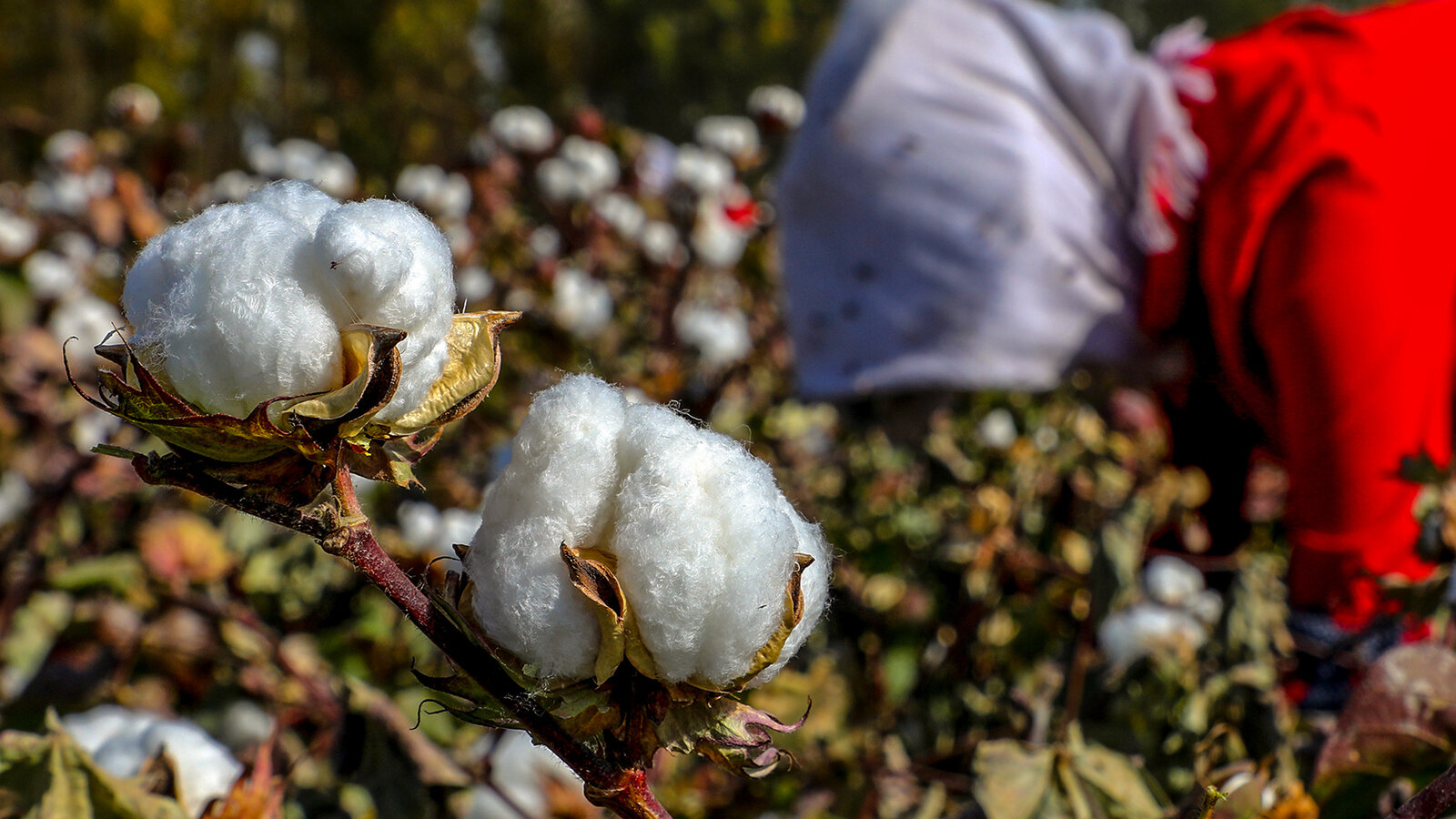
The fashion industry continues to grapple with the complexities of sourcing cotton from Xinjiang, China, amidst allegations of forced labor. While many brands have pledged to avoid Xinjiang cotton, recent tests reveal its presence in nearly 20 per cent of apparel sold by major retailers in the US and worldwide. This raises concerns about the efficacy of current supply chain tracing mechanisms and the ability of brands to adhere to ethical sourcing standards.
Navigating the backlash and supply chain obfuscation
Japanese clothing company Fast Retailing owners of brand Uniqlo, recently faced backlash from Chinese consumers after its CEO stated the company does not use Xinjiang cotton. The Xinjiang Cotton Association issued a statement to refute claims on forced labor in response to remarks made by Tadashi Yanai, CEO of Fast Retailing, parent company of global fashion brand Uniqlo, in an interview with the BBC on November 28, in which he said his company is not using cotton from Xinjiang. The Association emphasized that Xinjiang cotton is one of the best in the world and strongly opposes the US using the so-called "forced labor" claims and other baseless reasons to discredit and boycott Xinjiang cotton and its products.
This incident highlights the tightrope brands walk between adhering to ethical standards and maintaining access to the lucrative Chinese market. Uniqlo's case also exemplifies the challenges of ensuring transparency in complex global supply chains. While the company claims to avoid Xinjiang cotton, one of its major suppliers, Lu Thai Textile, has historical ties with the region. Although recent reports suggest Lu Thai may have shifted its sourcing practices, the case underscores the difficulty of guaranteeing the origin of materials in multi-tiered supply chains.
All about sourcing and loopholes
The UFLPA, enacted in 2022, closed a loophole that allowed goods under $800 to enter the US without thorough customs checks. This loophole was previously exploited to import Xinjiang cotton by shipping it in small packages, bypassing scrutiny.
However, new methods of obfuscating the origin of Xinjiang cotton have emerged. One tactic involves exporting Xinjiang cotton to intermediary countries, where it is blended with local cotton and manufactured into finished goods. This makes it nearly impossible to trace the cotton back to its origin, effectively circumventing the UFLPA.
Table: Key players and their stance on Xinjiang cotton
|
Brand |
Stance on Xinjiang cotton |
Challenges |
|
Uniqlo |
Claims to avoid Xinjiang cotton |
Supply chain ties to Lu Thai Textile, facing backlash from Chinese consumers |
|
H&M, Adidas, Nike, Burberry |
Publicly distanced themselves from Xinjiang cotton |
Potential presence of Xinjiang cotton in supply chains despite efforts to avoid it |
|
Lu Thai Textile |
Previously sourced exclusively from Xinjiang, now claims to source cotton overseas |
Transparency concerns, historical ties to Xinjiang raise questions about current sourcing practices |
It maybe noted that in 2021, Xinjiang accounted for 85 per cent of China's cotton production and nearly 25 per cent of global supply. However, following forced labor allegations, the China Cotton Association estimated an 8 per cent drop in Xinjiang's cotton production in 2023 and a 5 per cent reduction in planting areas. Tests reveal traces of Xinjiang cotton in nearly 20 per cent of apparel sold by major retailers globally, despite efforts to avoid it.
The issue of Xinjiang cotton continues to challenge global brands. Balancing ethical sourcing with maintaining market access in China requires a delicate approach. While regulations like the UFLPA aim to prevent the import of goods linked to forced labor, the complexity of global supply chains and the emergence of new methods to obfuscate the origin of materials highlight the need for ongoing vigilance and stricter enforcement. The question remains: can brands truly guarantee their products are free from Xinjiang cotton, and can consumers trust those claims?