Bsamply launches trade show project
 In the world of the fashion sector which, as highlighted by the Camera della Moda, represents the second industry in the country, the Milan fashion week was one of the first events to suffer the consequences of the pandemic, followed by other events in Italy and abroad. The failure to meet supply and demand in the fashion sector closely affects both large brands and small artisan workshops, severely testing Italian excellence.
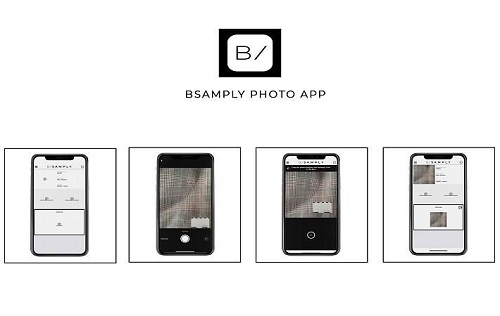
To remedy this problem Bsamply, a startup founded in 2017, has created an innovative platform that allows you to participate in real online fairs, offering a 360 ° experience. Bsamply tradeshow project is much more than a market place or a simple viewing room, but a useful tool that allows suppliers with their sales network and buyers to exchange questions, answers and offers in real time via chat, show the products of the own digital stand and their specifications (composition, color ...), choose to show some products publicly to all users or privately to their customers, sample, start negotiations, conclude orders and even carry out transactions.
Not only for those canceled, the platform can also prove fundamental for the fairs that will take place regularly once the emergency has ended, acting as a bridge between those who managed to participate with their own physical stand and those who were unable to move, integrating online and offline. There are several advantages that it guarantees, including a drastic reduction in costs for travel, freight transport and stand construction. BSAMPLY offers two packages to its customers: a basic one that allows you to upload 500 articles and access from a single account and a standard one that includes technical support, uploading 1000 products and access from multiple accounts.
Intertextile Shanghai Apparel Fabrics and Yarn Expo to merge with Intertextile Shenzhen Apparel Fabrics
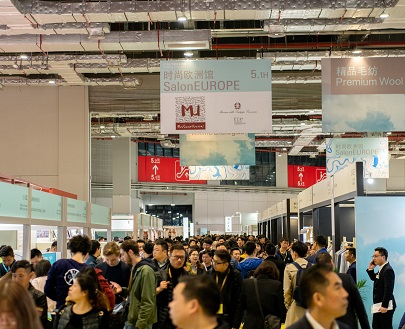 As announced on 8 April, due to the worldwide spread of the coronavirus, Intertextile Shanghai Apparel Fabrics – Spring Edition and Yarn Expo Spring will merge with Intertextile Shenzhen Apparel Fabrics and Yarn Expo Shenzhen for 2020. Exhibitors from these Shanghai fairs will be able to present their spring / summer 2021, as well as a preview of autumn / winter 2021-22, collections at the corresponding Shenzhen editions instead.
Intertextile Shenzhen Apparel Fabrics will be held from 15 – 17 July 2020 at the brand-new Shenzhen World Exhibition & Convention Center. This fair is organised by Messe Frankfurt (HK) Ltd; the Sub-Council of Textile Industry (CCPIT) and the China Textile Information Centre. The fair will be held concurrently with Yarn Expo Shenzhen, CHIC and PH Value.
By providing a platform for international and Chinese industry players to communicate, Intertextile enjoys a unique proximity to these collaborative opportunities – Fila and Nike attended the 2019 edition of Intertextile Shenzhen, while H&M attended the 2019 Autumn Edition of Intertextile Shanghai.
Domestic brands sourcing at the fair in past editions included Marisfrolg, Ellassay and Kaltendin, all of which are present at the nearby Dalang Fashion Town. This is an ongoing development in Shenzhen, subsidised by the government, which aims to form a platform for garment research and development, design, brand marketing, logistics and education.
“Coronavirus lockdown has changed our lifestyles in ways that make buying new clothes particularly irrelevant”
Andrew Lipsman, Principal Analyst, eMarketer
 Consumers are actually spending more on essential goods: Grocery stores saw a 26.9% increase in spending and health stores saw a 4.3% increase. This is partly because these are the only brick-and-mortar stores that are allowed to remain open right now, but it is also because consumers are worried about spending money unnecessarily with a significant recession looming on the horizon. Across the board, sectors that rely on discretionary spending have seen declines. “There is a lot of uncertainty and anxiety about the future,” says Andrew Lipsman, principal analyst at the research firm eMarketer. “People are shifting their spending to focus on the things they really need and cutting their budgets on less essential goods.”
But the coronavirus lockdown has changed our lifestyles in ways that make buying new clothes particularly irrelevant. Since people are finding ways to fill their time at home, hobby shops and bookstores have not been as badly hit, with a 23.3% decline, and home furnishings and furniture stores have seen only a 26.8% decline, perhaps because some people are spending money on making their homes more livable.
Quoted in Fast Company
Marzol develops new spinning layout
Machine layout plays an important role in the spinning industry. A properly designed layout helps the spinning unit in saving space, higher productivity, less material transport which results in a significant reduction in TCO (Total cost of ownership).
Marzoli has developed a new layout which will have 10 per cent lessinvestment cost (land, building, lighting), 4 per cent less conditioning cost and 9 per cent less logistic and unskilled labor cost Marzoli spinning machines re higher in productivity and lower in power consumption, space. The major difference is in the Comber, Roving frame and Ring frame machines. The new layout of 24000 Carded spindles will save 11% space as compared to the existing layout. It will save 10 per cant space as compared to the existing layout.
Marzoli is has manufacturing experience of textile machinery for over 109 years. Marzoli is owned by the Camozzi group since 1999. Marzoli India has set up in Hosur, Tamilnadu to assemble roving frames and provide Sales & After Sales-Service.
Rudolf Hub 1922 launches Washless Denim
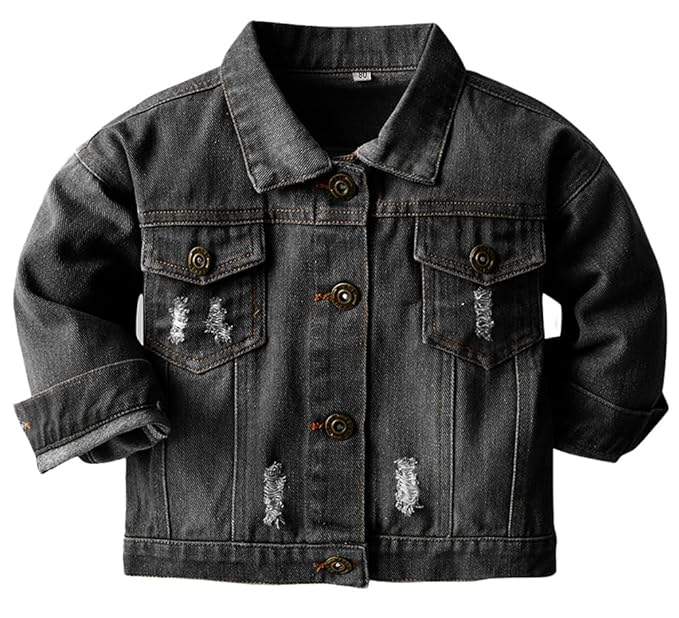
Denim brand Rudolf Hub 1922 has launched Washless Denim which is a combination of two sophisticated and existing Rudolf Technologies: Bionic-Finish®Eco and Silverplus®. The simultaneous application of both of them to a finished garment addresses the opportunity to reduce domestic washing. Bionic-Finish®Eco is a system of macroscopic branches that attach to the fiber.
Without fluorine, it is exactly what happens in nature. Such a system leads to less frequent washing because of the protection against the accidental spill of liquids. And against the accidental droplets coming from someone talking or sneezing.
Silverplus® is a micro-structured elements coated with metallic silver. The concept is very similar to what you find in the catalytic exhaustion of cars. SILVERPLUS® controls odor-causing bacteria and it is exactly the same technology used to prevent infections in clinics and hospitals. Silverplus® keeps the microbiological charge on clothing very low without the help of washing. Washless Denim is an innovative, sustainable garment finish which allows for extended wearing time of the garment between washes.
In Bangladesh western brands demand big discounts from factories: BGMEA
BGMEA has revealed Western clothing brands that agreed not to cancel orders due to the epidemic are demanding price cuts of up to 50 per cent heaping economic pain on a country already reeling from the crisis. Millions of Bangladeshi households depend on the garment sector, which has been hit hard by the epidemic. Exports fell 84 per cent in the first half of April as $3 billion-worth of orders were cancelled or suspended.
Bangladesh, which ranks behind only China as a supplier of clothes to Western countries, relies on the garment industry for more than 80 per cent of its exports, with some 4,000 factories employing about 4 million people, mostly women. With Western economies struggling due to the crisis and retailers in many countries closed, brands have begun cancelling orders, though some have pledged to take delivery of already made or in production clothes. The government announced a $588 million package to help the crucial export sector pay its workers last month
LVMH reports 17 per cent drop in sales
LVMH, the world’s largest luxury company, gave investors their first read on the industry’s performance through the health crisis after the Paris stock market closed on Thursday. It reported a 17 per cent decline in sales for the first quarter versus the comparable period of 2019.
Revenue at its flagship fashion and leather goods division was down a better-than-expected 10 per cent. But its perfume and cosmetics unit shrank by a fifth—double the reduction seen at L’Oréal’s luxury cosmetics business, which reported the same day. LVMH slashed its dividend to save cash and cut its 2020 capital expenditure budget by 40 per cent. The two measures will save around €2.3 billion ($2.5 billion), Credit Suisse estimates.
LVMH’s sales in mainland China for big fashion brands like Louis Vuitton and Christian Dior increased by 50 per cent year over year in the first two weeks of April, as restrictions on movement were lifted. However, spending by Chinese nationals is still down across the entire portfolio.
Egypt: CBE offers LE100 billion worth of soft loans to garment manufacturers
Magdy Tolba, Chairman of the Readymade Garments Export Council of Egypt says the Central Bank of Egypt (CBE) is offering LE100 billion worth of soft loans with 5 per cent interest rate for the garment manufacturing sector. The measures announced to support companies and businesses to alleviate the crisis include real estate tax exemption for three months, paying the fees of tax statement reports over 3 installments until June 30, and removing holds on bank accounts of default investors if they pay 10 per cent of the debt.
Majority of 350-400 garment factories in Egypt are likely to be negatively affected by international brands decision to halt manufacturing worldwide. Tolba speculated that Egypt's garments exports would decline in 2020 compared to the previous year as they recorded $1.7 billion because manufacturing for international brands constitutes a large portion of the production.
Levi's, VF, Decathlon, United Colors of Benetton, and Inditex brands like Zara, Pull&Bear, Massimo Dutti, Bershka, and Stradivarius are among the top global clothing companies dealing with Egyptian factories.
Italian fashion e-commerce shows slow recovery; however sales still down
Emarsys and the ccinsight.org platform stats show there is a slow but steady recovery across the Italian fashion sector from March 28. There has been a steady climb in orders by 18 per cent and a revenue increase of 13 per cent. Among the fashion items seeing a wider global uplift right now are luxury goods such as handbags and trainers, along with gloves and sportswear and these are all areas in which Italian brands excel.
However, according to ccinsight, business in the sector is still “significantly down” compared to pre-coronavirus levels. Now, as consumer confidence grows, there is a steady recovery in the Italian fashion market.
The ccinsight platform provides an anonymised, daily view of more than 1 billion engagements and 400 million transactions in more than 100 countries.
IMF calls for targeted support to households and firms hit by COVID 19
The IMF expects a 7.6 per cent expansion in Asian economic growth next year on the assumption that containment policies succeed but added the outlook was highly uncertain. The IMF says, Asian policymakers must offer targeted support to households and firms hit hardest by the pandemic, calling also for efforts to provide ample liquidity to markets and ease financial stress faced by small and midsize firms.
Asian countries should focus on preventing small firms from going under to stop a sharp increase in unemployment. Emerging economies in the region should tap bilateral and multilateral swap lines, seek financial support from multilateral institutions, and use capital controls as needed to battle any disruptive capital outflows caused by the pandemic.
More...
Indian government to extend RoSCTL scheme
Garment exporters will continue to get rebate on central and state taxes on their outward shipments as the government has decided to extend the RoSCTL scheme beyond March 2020 to enhance competitiveness of the labour-intensive textiles sector. The Ministry of Textiles has issued a notification extending the Scheme of Rebate of State and Central Taxes and Levies on Export of Garments and Made-ups (RoSCTL) which was in force up to March 31, 2020.
The RoSCTL scheme provides rebate on all embedded taxes on exports. The Government has decided to continue the said Scheme w.e.f. April 01, 2020 until such time that the RoSCTL Scheme is merged with Remission of Duties and Taxes on Exported Products (RoDTEP) Scheme without any change in Scheme guidelines and rates as notified earlier.
Finance Minister Nirmala Sitharaman had in September last year approved the RoDTEP to incentivise exporters at an estimated cost of Rs 50,000 crore to the exchequer. Exporters get rebate of state taxes and levies like VAT on fuel used in transportation, and embedded State Goods and Services Tax (SGST) paid on inputs such as pesticides and fertilisers.
Meanwhile, the ministry has also decided to ease norms under Amended Technology Upgradation Fund Scheme (ATUFS) during post lockdown period of the COVID-19 outbreak.
European sporting goods sector hit by COVID-19: FESI
A recent survey by the Federation of the European Sporting Goods Industry (FESI), the European sporting goods sector is strongly affected by the COVID-19 outbreak, with 45 per cent companies declaring a loss of turnover ranging between 50 and 90 per cent since the beginning of the crisis,.
The survey conducted among FESI members—companies and national federations—comprised 40 per cent large enterprises, 30 per cent small and medium enterprises and 20 per cent micro-enterprises. The closure of brick and mortar stores all over Europe and internationally, as well as changes of consumers' behavior lead to serious drop in sales.
Many companies—around 35 per cent of FESI members—have exceptionally decided to reorganize their supply chains to help produce medical personal protection equipment and other related products to support healthcare workers. While national governments and the European Union have put in place economic rescue plans to financially support those affected by the crisis, for some companies the support of the financial sector is not yet fully sufficient.
The survey also indicates the current impact of the outbreak on production depends on a wide variety of factors like governments' social distancing measures, the evolution of the virus in each country, order cancellations from other clients and the overall clear lack of short- and long-term visibility for the companies. Regarding e-commerce, the survey found digitalisation is a key driver for the sporting goods industry and companies with efficient omni-channel retail strategies are better equipped to cope with the crisis.
A unified approach to help Italy’s denim sector out of COVID-19 mess
 As COVID-19 wreaks havoc across Italy, the country’s premium denim sector has come to a virtual standstill. For over a month, most parts of Italy’s Lombardy region—home to denim players like Berto, Candiani Denim, Hub 1922, Tonello and more—have been under lockdown as the country became the European epicenter of COVID-19 pandemic.
On March 21, Italian Prime Minister Giuseppe Conte issued a mandate to shut down all nonessential manufacturing activities in the country—including businesses in the denim supply chain. To tide over this crisis, some denim companies diversified their production but others like Gnutti are awaiting orders to resume normal operations whenever that may be. Denim brand, Blue of a Kind, felt the pressure as some of its wholesale customers changed their orders. As a result, the brand decided to hold back deliveries until retailers have a clearer idea of how things will unfold.
Smart strategies to complete orders
“Made in Italy” garment finishing technology firm Tonello is focusing on completing prior commitments and guaranteeing employees all necessary safety measures. All departments not linked to Tonello’s production have adopted a “smart working” strategy and are continuing their work activities from home. The office of Italian denim brand HUB 1922 also followed instructions, restrictions and measures issued by the Italian government. The team relied on technology to stay connected with clients, though roadblocks remain. PG Denim stays connected with suppliers and clients mainly by phone and testing new finishes and trends by emailing clients photos.
Slowdown due to contraction in orders
According to Tonello, there is likely to be a “significant slowdown” in the denim industry and a re-evaluation of supply chains. The company hopes in the recovery, people, consumers, will have a positive momentum to start again with new ideas and greater values.
Blue of a Kind plans to continue manufacturing in Italy. But the brand anticipates many challenges ahead for the denim industry. The brand expects to see significant reduction n receptivity from the market in the future.
The outbreak has forced companies to hit pause. According to De Conti, Head of Rudolf Hub 1922, the pandemic has made the supply chain stronger. He hopes more empathy and understanding across the value chain once the pandemic is over .
Domestic manufacturers to grow
According to Paolo Gnutti, PG Denim Founder and CEO, this is the time to produce with care and responsibility instead of prioritizing quantity and price. He expects Italy to come out of this pandemic with a newfound love for local independent businesses, domestic manufacturing and quality over quantity.
As companies are being forced to think proactively about their future rather than being reactive, De Conti hopes the denim sector maintains the pace at which it was innovating—and perhaps come out with greater ideas supporting each other in crisis. De Conti also expects companies to re-evaluate some prior procedures of how they do business. According to him, the crisis proves that remote interactions can be efficient, are fast and definitely cheaper than flying. Gnutti urges the industry to use digital tools to stay in touch online. He views the denim community needs to support each other—both psychologically and also in terms of business.
COVID-19 dampens consumer sentiments across the globe
According to the McKinsey & Company survey across 38 countries to understand the impact of COVID-19 on consumer sentiment, more than 75 per cent consumers across the world expect to feel the impact of COVID-19 for more than two months, and about 50 per cent expect this duration to last for more than four months. Around 90 per cent Chinese and the US consumers also expect this impact to last for more than two months before routines go back to normal, while 50 per cent expect their finances to be impacted for more than four months. Around 60 per cent European countries expect this financial impact to last more than two months. In contrast, almost 100 per cent of consumers in Japan and South Korea expect disruptions to their routines to last more than two months.
As governments and organizations across the world step up efforts to contain the COVID-19 pandemic, consumers have already begun to feel its economic effects. With most countries moving through the contagion curve, consumers are pulling back their discretionary spending. Though their expenditure on online shopping has increased, this is not enough to offset their overall reduction in spending.
To track the changing consumer sentiment during these times, McKinsey & Company recently conducted a survey across 38 countries to understand the impact of COVID-19 on consumer sentiment. These surveys conducted online and repeated weekly or bi-weekly depending on the region. Their results are weighted on a country basis for representative balance of age and income/socioeconomic status.
Less optimism in European consumers
The surveys indicated European countries, hard hit by COVID-19, are considerably less optimistic compared to their counterparts in Africa, Asia, and theAmerica. Optimisim amongst Chinese consumers increased 53 per cent over the past week.
Consumer income to decrease
Between 30 and 50 per cent consumers globally expect their household income to decline over the next two weeks, while few expect it to increase. Most optimistic among these are Chinese consumers, 30 per cent of whom expect salaries to increase however, 37 per cent still expect a decrease. Around 49 per cent consumers in most European countries, United States Japan, and India, expect their income to decrease. More than half of consumers in the final tier of countries—Brazil, South Africa, Germany, and Korea expect their incomes to decrease.

Increased spending amongst Asian consumers
The optimism of Chinese consumers’ is likely to result in a net increase in expected future spending, a situation also observed in Indonesia, Nigeria, and India. Other countries, including Brazil, Japan, and Portugal also expect to increase their spending whereas European consumers expect to spend less.
Consumers halt discretionary expenditure
Consumers are universally pulling back their expenditure on discretionary items. Some categories where consumer expenditure has declined considerably include restaurants, apparel, footwear, accessories, travel, and entertainment out of home. Chinese consumers are spending more across categories including pet-care services and fitness and wellness. Their shopping behavior after the COVID-19 peak resulted in more than 30 percent lower traffic but larger basket sizes for food purchases, and depressed traffic and consumption for apparel and department stores. In South Korea and Indonesia, food takeout and delivery is showing positive momentum.

COVID-19 impact to last long
More than 75 per cent consumers across the world expect to feel the impact of COVID-19 for more than two months, and about 50 per cent expect this duration to last for more than four months. Around 90 per cent Chinese and the US consumers also expect this impact to last for more than two months before routines go back to normal, while 50 per cent expect their finances to be impacted for more than four months. Around 60 per cent European countries expect this financial impact to last more than two months. In contrast, almost 100 per cent of consumers in Japan and South Korea expect disruptions to their routines to last more than two months.
During this period, most consumers expect to spend less time working and more time consuming entertainment, including digital and video content, news, and social media. On the contrary, Chinese consumers plan to spend more time back at work.