Gap launches Athleta brand in Canada
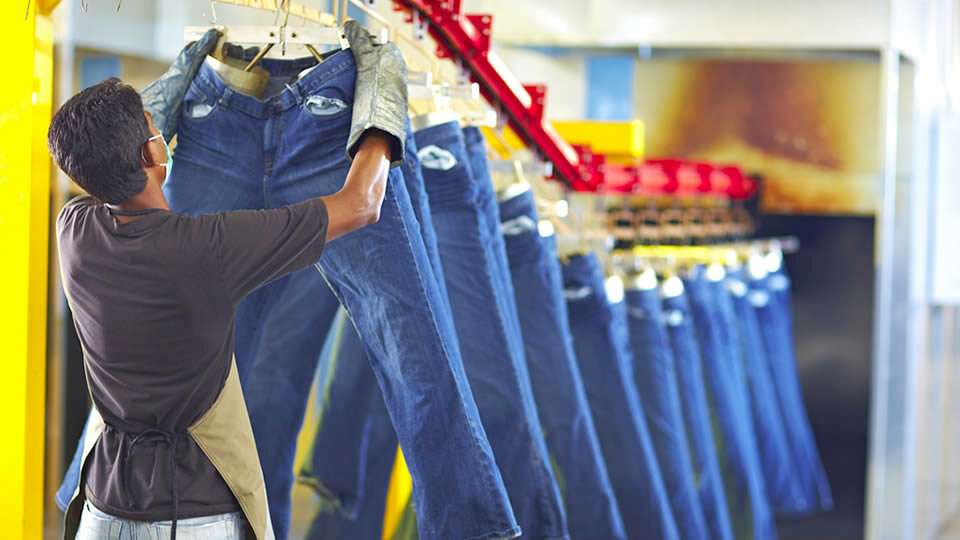
Gap launched Athleta brand in Canada, its first move outside the United States. Athleta will initially be available in Canada as an online-only brand. It will later open two stores at Park Royal Shopping Centre in West Vancouver in September, and Yorkdale Mall in Toronto in November. In the US, Athleta has about 200 stores, while its online purchases account for more than half of the brand’s sales.
As per the NPD Group, athleisure brands remained strong as the COVID-19 pandemic cratered apparel sales in Canada. With many people urged to stay at home, demand for comfortable clothes surged in the country. In the 12 months up to June of this year, women’s apparel sales fell by 12 per cent compared to the pre-pandemic period ended in June, 2019. Meanwhile, athleisure sales grew by 23 per cent.
Big brands also forayed into the activewear space in Canada. Earlier this month, denim maker Levi’s announced plans to buy brand Beyond Yoga, citing the need to diversify its business. Owner of footwear brands Saucony, Mernell and Keds, Wolverine Worldwide Incalso announced plans to buy activewear brand Sweaty Betty for $410-million.
Last week, Gap raised its sales and profit forecasts for this year, as its second-quarter earnings beat estimates, driven by increasing sales at Old Navy and Athleta – the two brands on which the retailer is now focusing as part of a wider turnaround plan. San Francisco-based Gap is betting on expanding Athleta, with a goal of reaching $2-billion in net sales by 2023. It also aims to increase sales at its most profitable brand, Old Navy, to $10-billion by 2023, and to close about 30 per cent of its underperforming Gap and Banana Republic store.
Gokuldas Exports to set up new unit in Madhya Pradesh
Largest exporter of garments in India, Gokuldas Exports plans to set up a cost-efficient manufacturing unit at Acharpura Industrial Area, near Bhopal in Madhya Pradesh. As per a Myiris report, the company has added a new wholly owned subsidiary company known as ‘Gokaldasexports Acharpura to manage the business in an efficient manner and be in a better position to service international customers.
Gokaldas Exports is the largest exporter of garments in India. The company manufactures blazers and pants (formal and casuals), shorts, shirts, blouses, denim wear, swim wear, active and sportswear. Established in 1979, the company has evolved into a one-stop solution for all leading apparels brands. It is India’s largest manufacturer and exporter of apparels and has 20 production units across the world. The company has an annual turnover of over $200 million.
Officina+30 to present new collection at Munich Fabric Start
Italian company Officina+30 will present its Better Seasons collection and most recent advancements and collaborations at Bluezone’s Keyhouse area at Munich Fabric Start.
The new collection perfectly embodies the company’s pillars of Trustainable approach – innovation, sustainable practices, clean information, transparency and social responsibility –, delivering a vibrant selection of bold, colorful and conscious solutions for the textile industry. These explore better ways to produce and use less through cutting edge technologies, specifically developed to reduce the use of energy and hazardous chemicals while increasing waste recycling and water conservation. Among these, Aqualess Mission and Recycrom™ allow for astounding, low impact results that preserve the authenticity and the hand-feel of each garment.
Featuring three cutting-edge laundry products for one innovative process, Aqualess Mission combines the application of Remover BC, a laser booster, Aqualess Aged, a waterless compound to give denim abrasion effects, and Ozone Powder, an advanced product to give garments a bleached yet eco-friendly treatment in a dry application, for a worn and distressed look. Compatible with conventional washing and treatment machinery, it allows for water consumption savings up to 75%. Transforming textile waste into colored powder dyestuffs, Recycrom™ provides a full range of solutions obtained through a cutting-edge upcycling production process that involves textile fibers from used clothing and manufacturing waste for dyeing and printing applications.
Developed in compliance with rigorous safety and quality standards, Better Seasons collection aims to push forward Officina+39’s commitment to the planet, its people and its resources. Having recently become part of Bluesign’s prestigious network of chemical excellences, the company works to ensure the highest quality standards, the most responsible use of resources and the lowest environmental impact.
Demand for ‘Made in Green’ certificate by Oeko-Tex increases
Demand for Oeko -Tex®’s Made in Green Certificate increased for second consecutive year in 2020-21 as the association issued more than 31,000 certificates and labels an increase of 31 per cent compared to 2019/2020. Oeko -Tex® also moved forward with its new ‘Water and Carbon Footprint Tool’. For nearly three decades, the association has stood for transparency along the textile and leather production chains, consumer protection and the guarantee of greater safety and confidence for all those involved.
The number of labels and certificates issued by the association rose from 24,205 to 31,696 between July 1, 2020 and June 30, 2021. During year two of the COVID-19 pandemic, Oeko-Tex® made every effort to continue with certification and avoid supply chain interruptions. The association supported the industry and global fight against COVID-19 with waivers of over 370 Standard 100 by Oeko Tex® certification fees on mouth and nose masks. The organization implemented guidelines for virtual audits to ensure a smooth and consistent certification process.
In addition, over 620,000 workers benefit from employment in safe and socially responsible working conditions with environmentally friendly processes verified by STeP by Oeko-Tex® certification. Together with sustainability consulting group Quantis, the Association has developed the Oeko-Tex® Carbon & Water Footprint Tool to help the fashion industry reduce its CO2 emissions and water consumption. In 2021 the methodology was successfully certified by a neutral third party and implemented.
New PLI scheme to help revive India’s ailing textile and apparel sector
 For the last few years, India has been losing its edge in the global textile and clothing exports to countries like Vietnam and Bangladesh. COVID-19 has further added to its worries with exports expected to fall around 15 per cent to $28.4 billion in 2020-21. A recent report by Wazir Advisors had predicted, India’s domestic textile and apparel market is expected to fall to $75 billion in 2020-21 from $106 billion in 2019-20. Domestic apparel market shrunk 22 per cent from $1,635 billion in 2019 to $1,280 billion in 2020. The market is expected to reach pre-COVID levels to $2,007 billion only by 2025.
Scheme to diversify India’s export basket
To restrict the fall in textile and clothing exports, Union Textile Ministry has launched the Production Linked Incentive (PLI)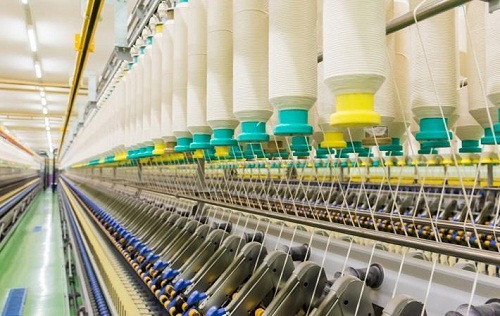 scheme. The scheme is awaiting approval from the Union cabinet. It has sought Rs 10,680-crore funds from the government for the revival of the textile and apparel sector. The scheme emphasizes on 40 product categories under Man Made Fibre (MMF) and 10 under technical textiles categories. It proposes incentives for both greenfield and brownfield companies. The aim is to diversify India's export products basket.
One of the highlights of ‘Atmanirbhar Bharat Yojana’ the PLI scheme allocates Rs 10,680 crore for textile and clothing sector. The scheme will be executed through the Focus Product Incentive Scheme (FPIS) and provide 3 to 15 per cent incentives on companies’ stipulated incremental turnover for five years. These incentives will be granted after a gestation period of one year for brownfield investment and two years for greenfield investment
Tapping cheap Indian labor
The PLI scheme also aims to explore the opportunity presented by China’s rising labor costs and tap India's large workforce and reasonably priced labor. The benefits of the scheme are likely to be extended to the fiber and filaments industry as well. The government also plans to introduce new schemes to sustain the sector’s revival and enhance India’s participation in global manufacturing value chains.
Sri Lanka loses garment export revenues to raw material imports
As per the Sri Lanka Apparel Exporters Association, $250 million of $500 million received for local apparel exports are lost as the country imports all the necessary material like thread, dyes and cloth.
Keeping in mind the economic crisis faced by the nation, the Sri Lankan government has declared the apparel industry as an essential service and allowed factories to remain open during the quarantine curfew.
The Joint Apparel Association Forum issuing a press release stated that all measures are been taken to ensure a safe and secure workplace for their employees. However, Anton Marx of the Free Trade Zones and Public Service Union, alleged that the spread of COVID-19 among the garment factory workers is high.
Marx further stated no government has yet attempted to create safe boarding places for apparel sector workers and that the daily wage of a garment factory worker is often less than Rs. 1,000.
Bangladesh to increase maximum wastage rate in apparel products
The Bangladesh commerce ministry plans to increase the maximum wastage rate in producing apparel products from raw materials from 16 per cent to 28 per cent. As per a Business Standard report, this will allow readymade garment exporters to import more yarn and fabrics.
As per the decision, from now the maximum wastage rates will be 25 per cent for basic readymade garment items, 28 per cent for specialized items and 3% for sweaters and socks.
Woven fabric exporters labeled the decision as "better than nothing", but knitwear exporters have rejected it as they think the wastage rate should be at least 35 per cent.
According to stakeholders, if the production wastage rate of an export-oriented apparel manufacturer – who enjoys duty-free facility for raw material imports – is less than the prescribed rate, they sell the excess raw materials in the open market. This eventually damages the business of local companies that produce raw material.
On the other hand, if the actual wastage rate is higher than the rate set by the government, the authorities impose duty, supplementary duty and VAT on the extra wastages.
Ban on Xinjiang cotton causing huge losses among Noida apparel makers
The international ban on Xinjiang Cotton has led to huge losses among Noida apparel makers over the past seven months. The US and a few other countries have banned import of cotton from the Xinjiang region of China following reports of human rights violations against Uighur Muslims, who are mostly employed in cotton production. As a result, Chinese manufacturers have reduced production in their country and booked large amounts of cotton yarn from India and other parts of Southeast Asia.
With most Indian cotton now being exported to China, prices of yarn and thread have shot up for domestic traders. Yarn prices in Noida increased 70 to 80 per cent, leading to an increased cost of production. With neighboring countries like Bangladesh exporting garments at cheaper rates, losses have mounted more, says Lalit Thukral, President, Noida Apparel Export Cluster (NAEC). The government decision to levy an additional 10 per cent import duty on cotton has added to exporters’ woes, adds Neeraj Prakash, Managing Director, Strange Exports.
Apparel makers say increasing yarn export could also lead to job losses since it is not a labor-intensive industry. In the past three years, apparel export industry has gone down from $18 billion to $12.5 billion, adds Thukral.
Fashion brands struggle to meet demands in Vietnam as COVID-19 spreads
Clothing companies in Vietnam are finding it difficult to meet customer demands amid strict lockdowns in the country as COVID-19 continues to spread. As per an Axios report, Vietnam manufactures garments for many American clothing brands. Increasing virus spread is making it difficult to get the required stock to keep up with demand for clothes now that restrictions have been lifted in the US.
Manufacturer’s biggest concerns currently is getting the inventory, says Richard Hayne, CEO, Urban Outfitters in a Yahoo report. Some of the biggest brands in the US get most of their goods from Vietnam, according to data from Bank of America. Gap and Lululemon Athletica each source about a third of their production from Vietnam. Nike sources 51 per cent of its footwear and 30 per cent of its apparel from the country, the report by Axios.
Pakistan will continue to benefit from GSP status
Abdul Razak Dawood, Advisor to the Prime Minster on Commerce has warned textile exporters against rumors regarding Pakistan’s Generalized System of Preferences (GSP) status as the country will continue to benefit under this scheme. Dawood said, Pakistan will benefit for two more years from this scheme. It plans to extend this facility for another two years.
Dawood says such an initiative will help Pakistan’s footwear sector to grow further. The country has launched the PSDH initiative wherein computer aided footwear designing courses with latest technology will be conducted regularly to develop the industry and individual entrepreneurs to consolidate their position in the global scenario.
Imran Malik, Chairman, Pakistan Footwear Manufacturers Association (PFMA) says by offering concessional regularity policies and tax relief, the industry is on the fast track of growth during last three years. It has witnessed 63 per cent increase in its membership, 92 per cent reduction in shoe import, 22 per cent increase in export in the last three years alone.
More...
US Cotton LLC bags contract to boost Polyester Swabs capacity
US’ largest manufacturer of cotton swabs, US Cotton LLC has bagged a $6.5 million contract from the Biden Administration to increase domestic production capability for polyester tipped swabs for home testing kits and mass testing applications to fight the COVID-19 pandemic.
The Ohio-based company will increase its production capacity from 92 million polyester swab tips per month to approximately 371 million polyester swab tips per month by May 2022 to support domestic COVID-19 testing. The DOD contract award was funded through the American Rescue Plan Act (ARPA) to support the domestic industry base expansion for critical medical resources. John Nims, President, US Cotton says, the swabs are designed to make it easier for people at home to self-administer coronavirus tests and will also be used for mass testing applications, which is critically important.
Kim Glas, President and CEO, NCTO, adds., the contract presents a once-in-a-generation opportunity to onshore these critical supply chain and advance long-term solutions.
BGMEA, GFF Fund sign MoU to finance sustainable business practices
Faruque Hassan, President, BGMEA and Bob Assenberg, Director, GFF Fund have signed an MoU to finance sustainable practices and technologies in Bangladesh’s textile and clothing industries. Both will support and strengthen the development and uptake of innovative sustainability solutions and particularly improve environmental and social sustainability within Bangladesh factories.
Good Fashion Fund will provide long term loans in addition to technical and environmental and social expertise to the manufacturers to adopt sustainable production. Good Fashion Fund launched in 2019 is initiated by Laudes Foundation and Fashion for Good and managed by Fund Manager Fount
Through these joint efforts, GFF aims to invest up to $10 million in textile manufacturing companies in Bangladesh in the next two years and up to $25 million at the target fund size, naturally subject to the availability of funds. The collaboration aims to provide manufacturers access to finance and help them in building a restorative and regenerative apparel supply chain. This means the use of recyclable and safe materials, clean and less energy, closed-loop manufacturing and the creation of fair jobs and growth.
JAAF’s new framework to ensure Sri Lankan apparel sector’s long-term growth
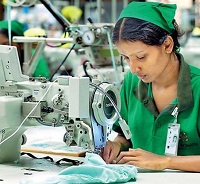 The newly framed five-point agenda by Sri Lanka’s Joint Apparel Associations Forum (JAAF) aims to organize the industry’s response to COVID-19-induced challenges and boost its relationship with investors’ to ensure a relentless and long-term growth. As per a Knitting Industry report, the agenda focuses on creating a safe working environment for employees; improving backward integration; collaborating with the authorities to improve access to major export markets; positioning the Sri Lankan apparel industry on a global level and making small and medium Enterprise (SME) players more competitive. The agenda aims to help stakeholders achieve their shared vision for Sri Lanka, believes Tuli Cooray, Secretary General, JAAF.
Worker safety with accelerated vaccinations
JAAF has already initiated action on its first priority to ensure worker safety. The association has accelerated vaccination program whereby 90 per cent of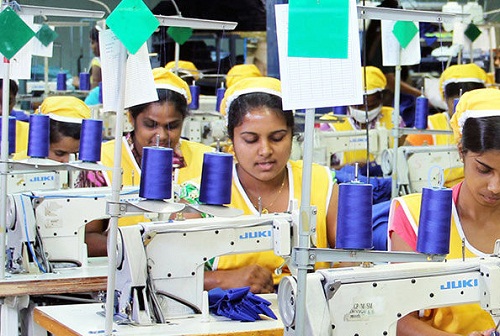 workers have received their first doses while 50 per cent have received the second dose. The association aims to vaccinate its entire staff by September 2021-end. JAAF plans to maintain its high vaccination rate by engaging with local health authorities. The next plan is vaccinating families of staff to ensure the entire employee community remains safe.
JAAF has also introduced safety protocols for workers to minimize the risk of future outbreaks. The Board of Investment (BOI) and the Ministries of Health and Labor inform, the association is working with the representatives of its employees to create safety awareness amongst them.
Exploring opportunities to boost exports
Another key development by JAAF is the Eravur Fabric Processing Park set to boost the sector’s local value addition from 52 per cent to 65 per cent. However, to achieve this, the sector needs to attract more investments. JAAF will explore new investment opportunities such as international investor forums and a renewed partnership with suppliers. It will focus on raising the standard of locally produced fabrics to globally accepted levels. JAAF will collaborate with the government to ensure EU continues with GSP+ facility for Sri Lanka. The facility will help the association retain export markets besides opening new avenues.
JAAF will also engage with Sri Lanka’s Department of Commerce (DoC) and the UK Trade and Investment (UKTI) authority to ensure GSP benefits for members. The association will urge the Sri Lankan government to allow members to use fabric originating in ASEAN countries. It will sign bilateral trade agreements to boost apparel exports to both the UK and China. Plans also include greater penetration into the Indian market.
Global standard apparel manufacturing
Making Sri Lanka a global hub for apparel manufacturing is one of JAAF’s vision. For this, JAAF will team up with local authorities to facilitate inflow of highly skilled front-end design and development job opportunities to Sri Lanka from around the world. To position, the Sri Lankan apparel sector globally, JAAF will focus on becoming a global standard for sustainable and ethical manufacturing. It will also strengthen SMEs by assisting them to enhance their compliance capabilities, urging more government support for them on aspects such as financing and export market access and improving the labor department’s awareness on their issues.
An apex body, JAAF encourages Sri Lanka’s apparel industry to become the world’s largest apparel sourcing destination. The association includes five smaller federations covering supply chain partners, the export-oriented apparel manufacturers, buying offices and representatives of international brands in Sri Lanka.
Young consumers demand regulatory changes to address fashion’s sustainability issues
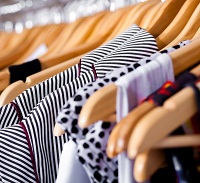 Fashion laws across West Europe and the US have been transforming for the last five years. The new labeling laws and marketing regulations in the US warn buyers to be aware of the quality and sustainability of purchases. They also direct brands to be transparent about the fiber content in their garments and source destination.
Earlier, fashion laws in the US addressed only specific issues. They did not address issues related to the environment or social justice. For instance, no protection was offered against environmental and labor violations committed by brands in production facilities located overseas. This encouraged brands to send textiles or unfinished goods to different countries to avoid unfavorable quotas and tariffs. Even within the US, brands often subcontracted cut and sew work to companies that exploited unregistered immigrant laborers.
Young consumers accelerate demand for transparency
However, as per a Fashion Law report, a new young consumer group, making up approximately 20 per cent of the population, is rising in the US since the last five years. These consumers are not only well-educated but also aware of all environmental and social issues. They use digital platforms to urge brands and governments across the US and the world to be environmentally and socially responsible, and ensure transparency in operations.
Governments across Europe and the US are introducing new initiatives to reform fashion laws in their respective countries. For instance, established in 2013, the Accord agreement helped Bangladesh bring about a certain level of transparency in the operations of Western fashion brands’ in the country. The Accord was extended last week and is seen as one of fashion’s most successful efforts to protect garment workers, at risk.
Eyeing long-term environmental goals
The EU plans to implement new reporting and corporate governance laws in continuation with the Sustainable Corporate Governance Initiative. The laws would require brands operating in the EU to shift their goals from short-term financial gains to long-term benefits including environment, human rights, and social impacts along their supply chains. Adopted by the European Parliament in March 2021, the laws also expand the definition of stakeholders to include employers, environmental organizations, and organizations along the company’s supply chain.
The French government has also passed a law that directs brands to include a ‘carbon label’ on their garments and textile informing consumers about the environmental impact of their purchases. Meanwhile, Germany passed the ‘green button’ label law in June that requires companies to meet a minimum of 26 social and environmental standards – including supply chain reporting and responsibility points – in order to use the label.
On the other hand, the US is in the process of passing the California Garment Worker’s Act, commonly known as SB62 to eliminate the long-employed piece-rate wage system that provides easy avenues for wage theft. The Act is being supported by fashion brands including Reformation, Saitex, Eileen Fisher, and Mara Hoffman, etc.
Rise of B corps in the US
The United Nation’s latest climate change report urges brands to accelerate their sustainability initiatives. The report calls for a new set of regulations to address these issues on long-term basis. Compliance to these regulations would be possible with the rise of new B corporations that exist in 37 states in the US. Though the fashion industry has time and again met consumers’ innovation and creativity needs, it thrives on constant change and newness. The emerging new set of consumers seeks nothing less than the best from the industry.