The 2017 Trade Policy Agenda unveiled by the Trump administration indicates that it is not going to be easy for India to do business with the Trump regime. The serious troubles lie ahead on trade and investment fronts. This document ominously states that the US will come down on India’s export subsidy programmes, and push for a stricter regime for intellectual property rights and patents. The Trump team’s first report — 2017 Trade Policy Agenda and 2016 Annual Report of the President of the United States on the Trade Agreements Program — released by the Office of the United States Trade Representative categorically states that India’s “import restricting measures” result in “serious market access issues” for the US industry. The document sees a general trend of tariff increases in India, which reflects an active pursuit of import substitution policies. The March 2 document states that the US will engage India bilaterally to commit to a phase-out of its export The report also states that India’s trade and regulatory policies have “inhibited” the real growth potential of the bilateral trade that rose to $109 billion in 2015 from $4.8 billion in 1980. The Goods and Services Tax (GST) regime, it says, could provide an impetus to the creation of a “common internal market that significantly lowers transaction costs.” While agreeing that India’s reforms on IPR are encouraging, the document says India’s new National Intellectual Property Rights Policy should protect US innovations. As per sources, the US will “come down heavily” on India and other countries with which it has trade surplus. The US has registered its biggest monthly trade deficit in nearly five years of $48.5 billion.


- 1
- 2
- 3
- 4
- 5
- 6
- 7
- 8
- 9
- 10
Circular Samvaad 2.0 aims to transform Indian textiles from linear waste to glob…
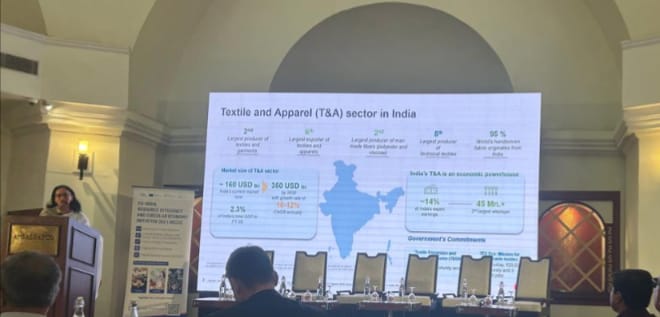
On the occasion of World Environment Day, industry leaders, policymakers, and international experts gathered in the capital yesterday for Circular... Read more
From Sentiment to Sustainability: How Mumbai’s ‘Mega Post Textile Waste Initiat…
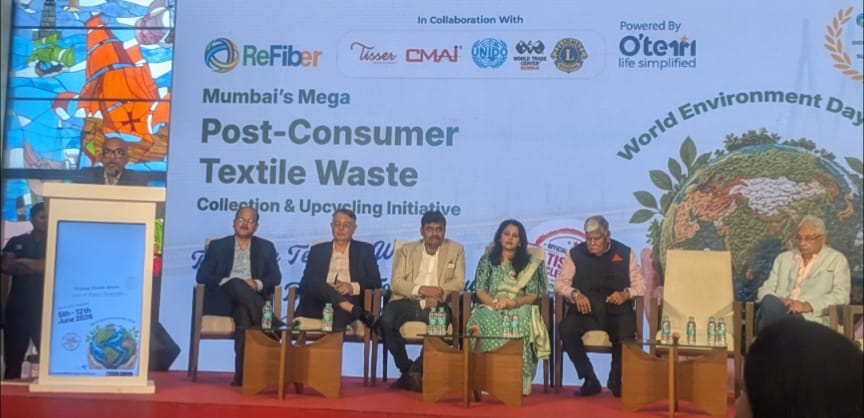
Walk into almost any Indian household, and you will find wardrobes harboring clothes that haven’t been worn in years. They... Read more
CMAI launches new initiative to combat waste and formalize textile recovery acro…

In a landmark move to address the mounting crisis of post-consumer textile waste, the Clothing Manufacturers Association of India (CMAI)... Read more
Trends-Fabrics (Denim-Kidswear) trends for Spring/Summer 2026-27 by Drapers

For the Spring/Summer 2026-27 season, the kidswear denim market is defined by a shift toward lightweight comfort, playful aesthetics, and... Read more
Cost spiral across fibers, chemicals and logistics squeezes India’s apparel expo…
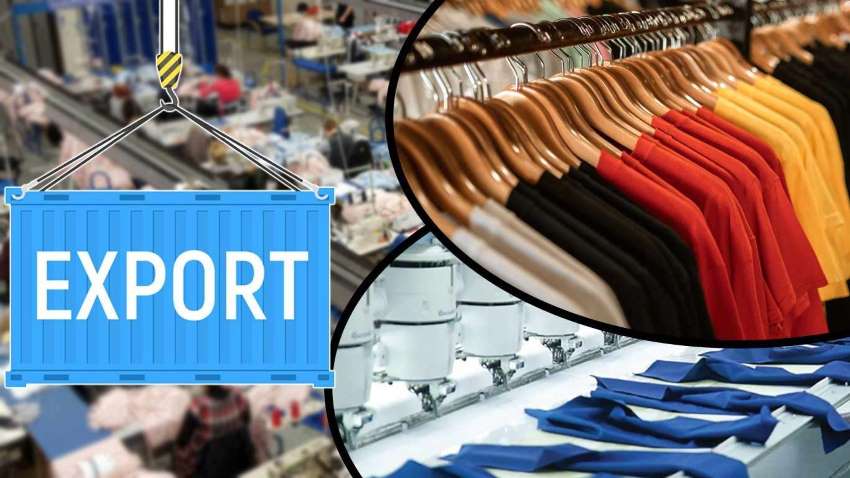
India’s textile manufacturing sector has entered one of its most financially strained periods in recent years as increasing fiber, yarn,... Read more
How India’s textile recycling network is becoming a global ESG blueprint

India’s textile industry is mounting an aggressive defence against growing international criticism that developing economies are becoming dumping grounds for... Read more
Cotton trade under pressure as war risks and tariff chaos raise apparel costs
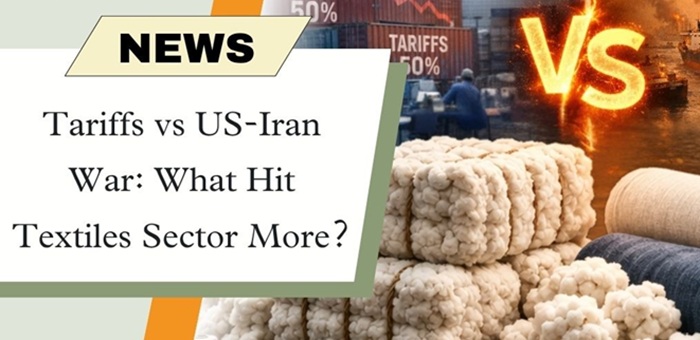
The global textile and apparel industry is entering a high-stakes period of volatility as the ongoing Iran war creates a... Read more
Copenhagen GFA summit 2026 signals reset in global apparel finance

" " The global apparel, textile, and fiber manufacturing industries are entering a decisive phase of financial and operational realignment, as... Read more
Global apparel supply chains realign as India navigates trade volatility
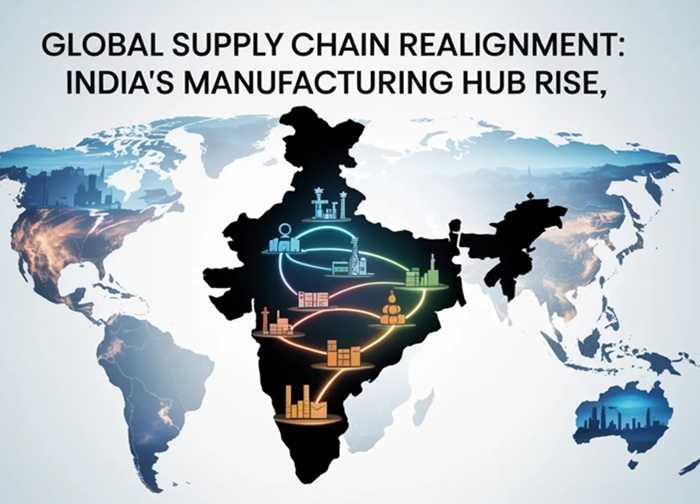
The global apparel and textile sector is experiencing a significant structural shift, as major manufacturers and retailers move away from... Read more
India’s textile sector targets global supply chain shift with $100 bn export pus…
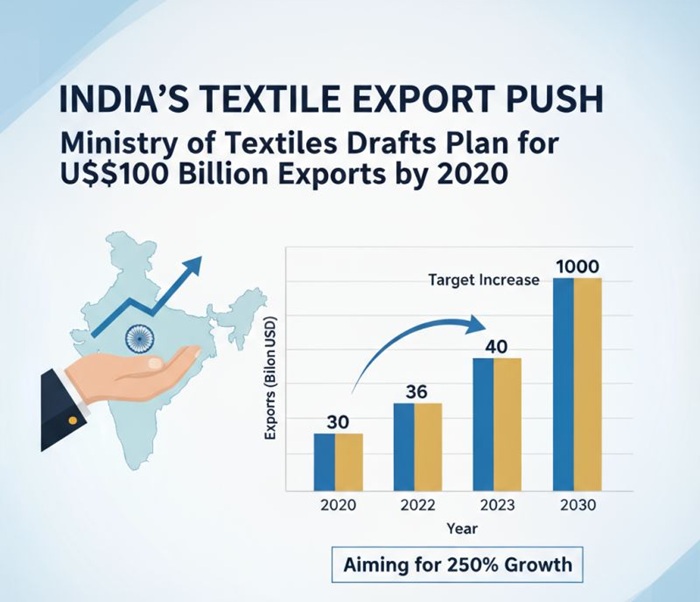
As global brands push up efforts to diversify sourcing beyond traditional manufacturing hubs, India is repositioning its textile industry through... Read more

